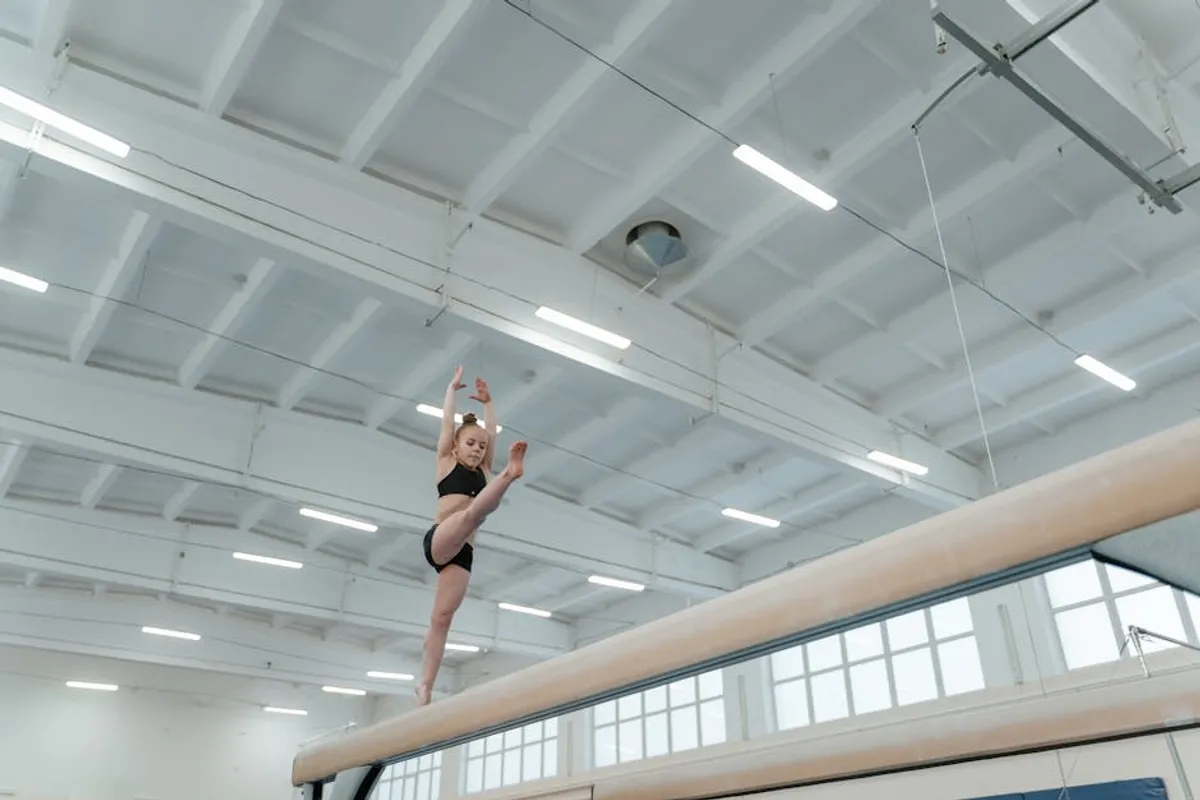
Selecting a gymnastics club or coach represents a significant decision for both athletes and their families, impacting not only skill development but also safety, confidence, and overall enjoyment of the sport. This choice extends beyond geographical convenience or initial cost; it involves aligning a program's philosophy, coaching expertise, and facility standards with an individual's specific goals and needs. A well-chosen environment fosters growth, prevents injury, and cultivates a lasting passion for gymnastics, while a misaligned one can lead to frustration or disengagement. Understanding the critical factors involved will equip you to make an informed decision that supports long-term success and well-being. Familiarizing yourself with common gymnastics terms can also help you understand the sport better.
Assessing Your Needs and Goals
Before evaluating specific clubs, define what you hope to achieve through gymnastics. This initial assessment guides your search toward programs designed for your specific objectives.
Recreational vs. Competitive Tracks
Gymnastics programs generally divide into recreational and competitive pathways. Recreational programs prioritize fun, fitness, and fundamental skill acquisition without the pressure of formal competition. They often feature a broader age range in classes and less intensive training schedules. Competitive tracks, conversely, focus on progressive skill mastery, advanced techniques, and regular participation in sanctioned events. These programs demand greater time commitment, specialized coaching, and adherence to specific routines and scoring criteria. Your choice here dictates the required intensity, financial investment, and time commitment.
Age and Skill Level Considerations
The athlete's age and current skill level are primary determinants for suitable programs. Younger children, typically under six, benefit most from play-based gymnastics that develops gross motor skills, coordination, and body awareness in a low-pressure environment. As athletes mature, programs can become more structured, focusing on specific apparatus and skill progressions. For beginners of any age, foundational classes are essential to build a safe and effective base. Experienced gymnasts require advanced coaching, access to specialized equipment, and a clear path for skill progression within a competitive framework.
Evaluating Club Facilities and Environment
The physical space and operational procedures of a gymnastics club directly influence safety, training quality, and the overall experience.
Equipment Quality and Safety Standards
Inspect the condition and variety of equipment. Essential apparatus like uneven bars, balance beams, vault tables, and spring floors should be well-maintained, free from visible damage, and appropriate for various skill levels. Look for ample matting around all apparatus, including landing mats, safety mats, and foam pits, which absorb impact and facilitate safer skill practice. Inquire about the club's emergency protocols, first aid certification of staff, and regular equipment inspection schedules. A clean, organized facility with clearly marked safety zones indicates a commitment to athlete welfare.
Class Sizes and Coach-to-Student Ratios
Smaller class sizes and lower coach-to-student ratios generally translate to more individualized attention, better spotting, and enhanced safety. For younger or beginner gymnasts, a ratio of 1:6 to 1:8 is often ideal, allowing coaches to provide hands-on assistance and immediate feedback. For advanced competitive programs, ratios might be slightly higher but should still permit adequate supervision and instruction. Overcrowded classes can compromise safety and reduce effective learning opportunities.
Observation Policies and Parent Involvement
A transparent club will typically have clear observation policies, allowing parents to view classes from designated areas. This offers insight into coaching styles, class dynamics, and safety practices. Understand the club's philosophy on parent involvement: some encourage active participation in booster clubs or volunteering, while others maintain a more hands-off approach. Clear communication channels between coaches, parents, and athletes are crucial for addressing concerns and fostering a supportive environment.
Understanding Coach Qualifications and Philosophy
The coach is arguably the most influential factor in a gymnast's development and experience. Their expertise, teaching style, and dedication are paramount.
Certifications, Experience, and Background Checks
Inquire about coaches' certifications from national governing bodies, such as USA Gymnastics (USAG) in the United States, which often include safety, first aid, and specific coaching levels. Verify their experience coaching athletes at the relevant age and skill level. Crucially, confirm that all coaches and staff undergo thorough background checks, including criminal record checks, to ensure a safe environment for all participants. These measures are foundational for athlete protection.
Coaching Style and Communication
Observe how coaches interact with gymnasts. A positive coaching style emphasizes encouragement, constructive feedback, and celebrates effort as much as achievement. Coaches should be able to communicate effectively with children of different ages, adapting their language and teaching methods. Evaluate their communication with parents: are they approachable, willing to discuss progress, and transparent about program expectations and athlete development? A coach who fosters a respectful and supportive atmosphere is key.
Injury Prevention and Athlete Well-being
A responsible coach prioritizes injury prevention through proper warm-ups, cool-downs, progressive skill development, and correct spotting techniques. They should be knowledgeable about common gymnastics injuries and how to address them, including when to recommend rest or medical attention. Discuss the coach's approach to athlete well-being, including managing burnout, promoting healthy body image, and supporting mental resilience. This holistic approach contributes significantly to a gymnast's long-term health and success. This holistic approach contributes significantly to a gymnast's long-term health and success, making good recovery habits for gymnasts vital.
Financial and Logistical Factors
Practical considerations like cost and schedule integration are essential for sustainable participation.
Fee Structures and Hidden Costs
Obtain a detailed breakdown of all fees. This typically includes monthly tuition, annual registration fees, and potential costs for uniforms, leotards, or required equipment. For competitive programs, inquire about additional expenses such as competition entry fees, travel costs for meets, team apparel, and fundraising requirements. Understand payment schedules, late fees, and cancellation policies. Transparency in financial matters helps prevent unexpected burdens.
Schedule Compatibility and Location
Evaluate how the club's training schedule aligns with your family's commitments. Consider the number of training hours per week, specific class times, and weekend availability. The club's location and your commute time are also practical considerations; excessive travel can lead to fatigue and logistical challenges. A club that offers flexible scheduling options or multiple class times can be a significant advantage.
Making an Informed Decision
The process of selecting a gymnastics club is comprehensive. Take your time to gather information and observe directly.
Consider the following steps:
- Visit multiple clubs: Observe different environments and coaching styles.
- Take trial classes: Allow the athlete to experience the coaching and atmosphere firsthand.
- Speak with other parents: Gain insights into their experiences with the club and coaches.
- Ask specific questions: Address concerns about safety, curriculum, and financial commitments.
- Trust your intuition: Ensure the environment feels supportive and positive for the athlete.
Pro Tip: When observing a class, focus not just on the skills being taught, but on how coaches interact with every child. Look for consistent positive reinforcement, clear instructions, and active spotting. A coach's demeanor throughout a full session provides a more accurate picture than a brief interaction.
Frequently Asked Questions
What is the best age to start gymnastics?
Children can typically begin introductory gymnastics classes as early as 18 months to 3 years old, focusing on basic motor skills and body awareness. For more structured skill development, ages 5-6 are common starting points, but athletes can begin at any age.
What questions should I ask a potential coach?
Inquire about their coaching philosophy, experience with specific age groups or skill levels, certifications, background check status, and approach to injury prevention and athlete well-being. Also, ask about their communication style with both gymnasts and parents.
How can I tell if a gymnastics club is safe?
Look for well-maintained equipment, ample safety matting, clear emergency protocols, and coaches with current first aid/CPR certifications. Observe coach-to-student ratios, spotting techniques, and whether the facility appears clean and organized.
What's the main difference between recreational and competitive gymnastics?
Recreational gymnastics focuses on fun, fitness, and basic skill development with less commitment. Competitive gymnastics involves more intensive training, adherence to specific routines, and participation in judged competitions, demanding greater time and financial investment.