Navigating the world of gymnastics as a parent requires more than just cheering from the sidelines; it demands an understanding of the sport’s specific language. Coaches, judges, and even the gymnasts themselves use a specialized vocabulary that, without context, can leave parents feeling disoriented. Grasping these core terms is not about becoming an expert, but about facilitating clearer communication with coaches, comprehending competition feedback, and ultimately, better supporting a child's journey in the sport. This foundational knowledge allows parents to interpret progress reports accurately, understand safety protocols, and engage more meaningfully in their child's athletic development.
Understanding the Apparatus and Events
Gymnastics encompasses various disciplines, but Artistic Gymnastics (AG) is the most widely recognized, featuring distinct apparatus for men and women. Familiarity with these pieces of equipment and their associated events is fundamental.
- Vault: An event where gymnasts sprint down a runway, launch off a springboard, and perform acrobatic maneuvers over a stationary vaulting table. The complexity of the entry, flight, and landing determines difficulty.
- Uneven Bars (Women's Artistic Gymnastics - WAG): Comprised of two horizontal bars set at different heights, requiring gymnasts to transition between them with swings, releases, and catches. This event emphasizes strength, timing, and precision.
- Balance Beam (WAG): A narrow, padded beam, typically 4 inches wide and 4 feet high, on which gymnasts perform a choreographed sequence of leaps, turns, acrobatic elements, and holds. Balance and focus are paramount.
- Floor Exercise (WAG & Men's Artistic Gymnastics - MAG): Performed on a 40x40 foot sprung mat, this event combines tumbling passes, dance elements, and acrobatic skills. WAG routines are set to music, while MAG routines are not.
- Pommel Horse (MAG): A stationary apparatus with two handles (pommels) on top. Gymnasts perform continuous circular and scissor-like movements, demonstrating strength, balance, and control without touching the main body of the apparatus with their feet or torso.
- Still Rings (MAG): Two rings suspended from a frame, requiring gymnasts to execute strength holds, swings, and aerial elements. This event demands immense upper body strength and stability.
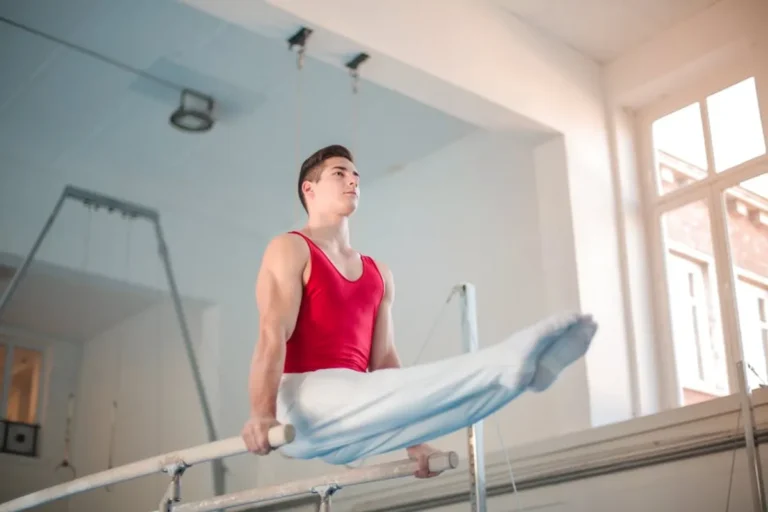
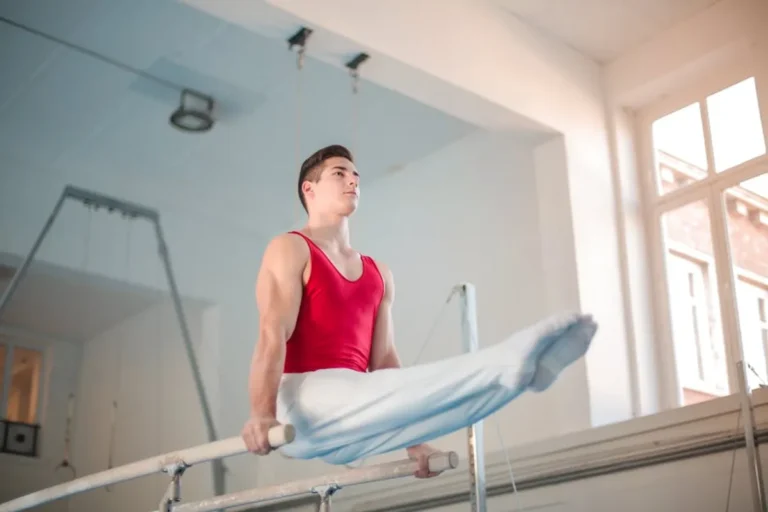
- Parallel Bars (MAG): Two horizontal bars set parallel at the same height. Gymnasts perform swings, holds, and releases, often traveling along the length of the bars.
- High Bar (MAG): A single horizontal bar, typically 9 feet high. Gymnasts perform continuous swinging movements, releases, and re-grasps, often involving multiple turns and twists in the air.
Key Gymnastics Skills Explained
Beyond the apparatus, the sport is defined by a complex array of skills, each with specific technical requirements. Understanding these terms helps parents appreciate the difficulty and progression involved.
Fundamental Body Positions and Movements
Many advanced skills are built upon these basic shapes and actions:
Pike: A body position where the legs are straight and together, and the torso is folded forward, forming an 'L' shape. Essential for many rotations and landings.
Tuck: A body position where the knees are drawn to the chest, and the body is rounded. Used for compact rotations in flips and somersaults.
Layout: A body position where the body is fully extended and straight, often seen in aerial skills like a layout full twist.
Handspring: A dynamic skill involving a push-off from the hands, usually with a full body rotation. Can be performed forwards or backwards on floor, vault, or beam.
Salto (or Flip/Somersault): A rotation of the body in the air without touching the hands to the surface. Can be performed in tuck, pike, or layout positions, and with various twists.
Spotting: The act of a coach physically assisting a gymnast during a skill to ensure safety and guide proper technique. It is a critical safety measure, particularly during the learning phase of difficult elements.
Pro Tip: When a coach refers to a "clean" skill or routine, they are emphasizing minimal deductions for execution. This means straight legs, pointed toes, controlled landings, and precise body positions throughout the performance, not just the completion of the skill itself.
Decoding Competition and Scoring
Gymnastics competitions are judged based on specific criteria, and understanding the scoring system is crucial for interpreting results and feedback.
Judging Components
In international and high-level national competitions, scores are typically divided into two main components:
D Score (Difficulty Score): This score reflects the intrinsic difficulty of the elements performed in a routine, including specific skill values, connection bonuses for linking difficult skills, and requirements for specific elements (e.g., turns, leaps, acrobatic series). A higher D Score indicates a more challenging routine.
E Score (Execution Score): This score starts from a perfect 10.0 and judges deduct points for errors in technique, form, artistry, and presentation. Deductions range from minor (0.1-0.3 for bent knees, flexed feet) to major (1.0+ for falls, severe form breaks). This score assesses how cleanly and beautifully the routine was performed.
Neutral Deductions: These are penalties applied independently of the D and E scores, such as stepping out of bounds on the floor, failing to present to the judges, or exceeding time limits. These deductions are typically taken directly from the final combined score.
Artistry (WAG Floor & Beam): A component within the E Score that evaluates the aesthetic quality, expression, musicality (on floor), and overall presentation of the routine. It's not just about hitting the skills, but performing them with grace and confidence.
Essential Roles and Facility Lingo
Beyond the technical terms, understanding the roles of individuals within the gymnastics environment and common facility terms helps parents navigate the sport's ecosystem.
Key Personnel
Coach: The primary instructor responsible for training, skill development, safety, and routine composition. Coaches guide gymnasts through their progression.
Judge: An official trained and certified to evaluate routines according to specific rules and award scores based on difficulty and execution. Judges are impartial and follow strict guidelines.
Spotter: Often a coach or trained assistant, whose role is to physically support a gymnast during a skill to prevent injury and aid in learning. This is distinct from a judge.
Facility Terminology
Springboard: A specialized board with springs, used by gymnasts to gain height and momentum, particularly for vault and some tumbling skills.
Resi Pit (or Foam Pit): A large pit filled with foam blocks, used for safe practice of new or difficult skills, allowing gymnasts to land without injury during falls.
Tumble Track (or Air Track): A long, inflatable or sprung runway used for practicing tumbling passes, providing a softer, bouncier surface than the main floor.
Engaging with the Gymnastics Journey
Understanding these terms provides a clearer lens through which to view a child’s participation in gymnastics. It empowers parents to ask more informed questions, offer more targeted encouragement, and appreciate the intricate demands of the sport. This foundational vocabulary bridges the communication gap between the technical world of gymnastics and the supportive role of a parent, fostering a more connected and beneficial experience for the gymnast.
Frequently Asked Questions
What is the difference between Artistic and Rhythmic Gymnastics?
Artistic Gymnastics involves apparatus like vault, bars, beam, and floor, focusing on strength, agility, and acrobatics. Rhythmic Gymnastics involves gymnasts performing routines with handheld apparatus (hoop, ball, clubs, ribbon, rope) set to music, emphasizing flexibility, grace, and coordination.
Why does my child's coach often talk about "shapes" in gymnastics?
Coaches emphasize "shapes" (e.g., hollow, arched, pike, tuck, layout) because proper body alignment and control in these fundamental positions are critical for executing skills safely and effectively. Mastering basic shapes builds the foundation for more complex movements.
What does it mean when a gymnast "sticks" a landing?
To "stick" a landing means to land perfectly without moving the feet or taking any steps. This is a highly desirable outcome in competition, as it demonstrates control and precision, and avoids deductions from the E Score.
How can I tell if a skill is difficult just by watching?
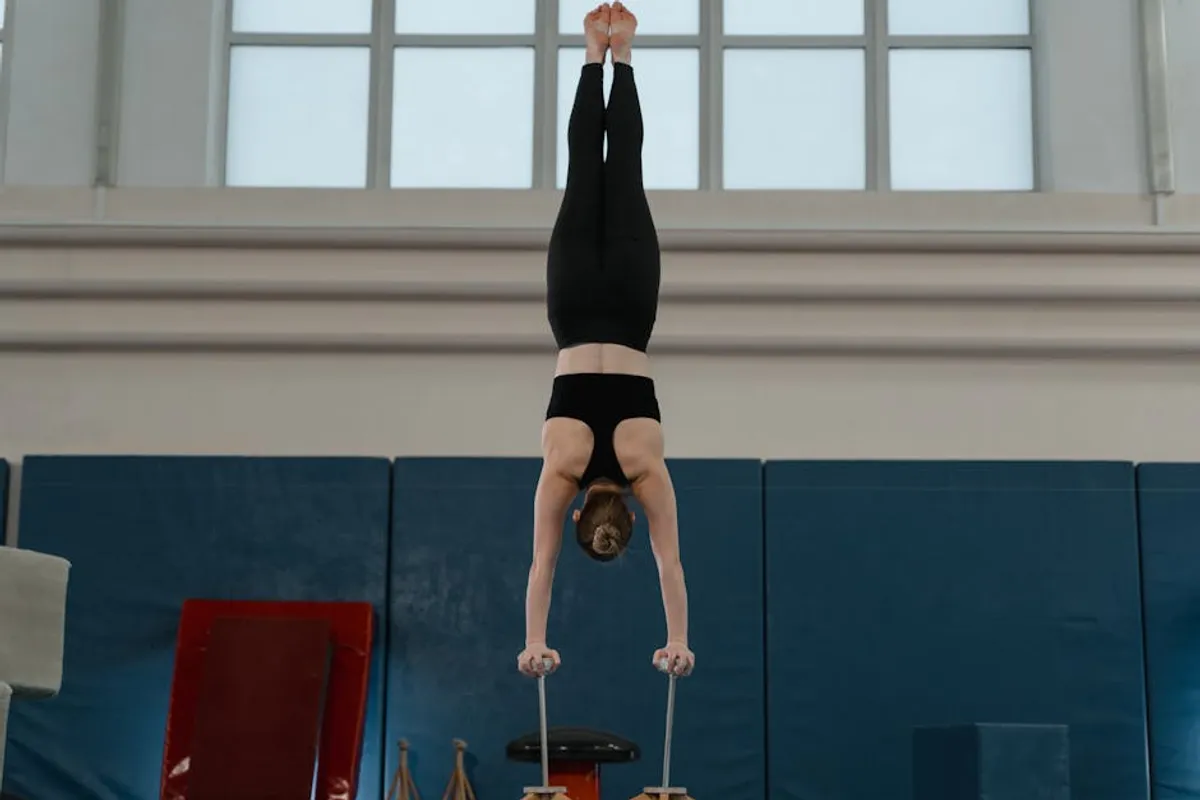
Difficulty is often indicated by the height, speed of rotation, number of twists, and the complexity of connections between skills. Skills performed from a handstand, with multiple rotations, or involving release and re-catch elements are generally higher in difficulty. The D Score specifically quantifies this.