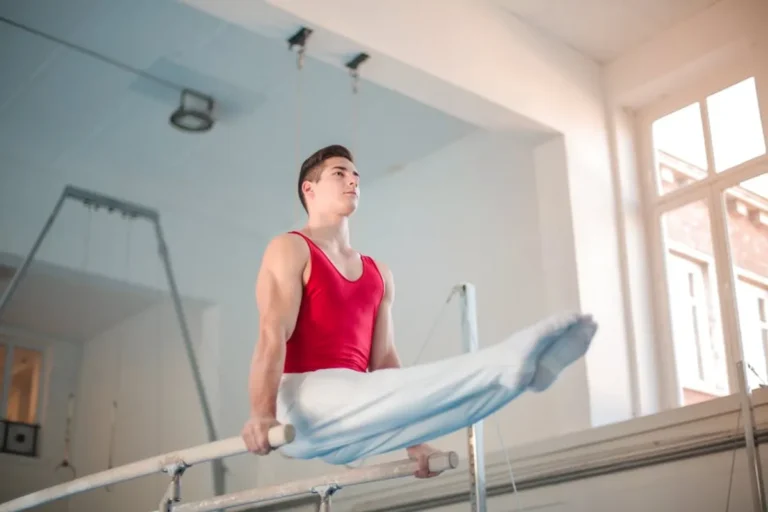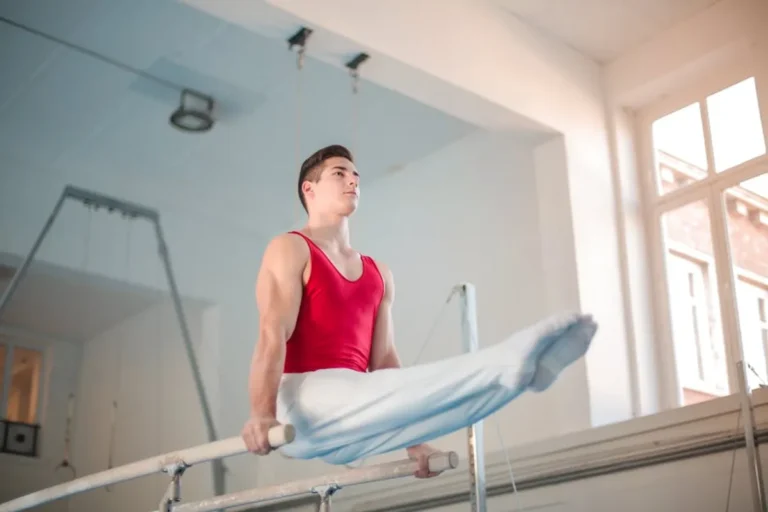
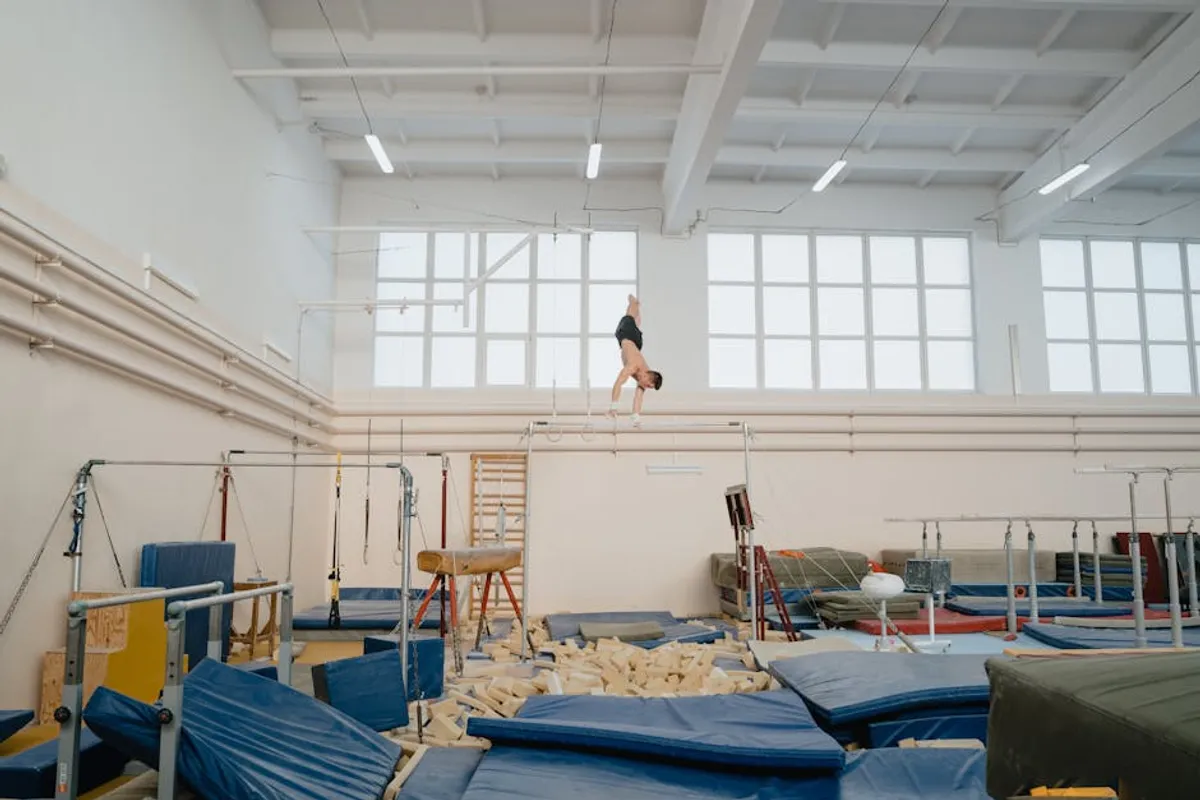
A well-structured warm-up routine is not merely a formality for young gymnasts; it is a critical component for injury prevention, performance enhancement, and the long-term development of athletic capabilities. For coaches and parents, understanding and implementing an effective warm-up means actively contributing to a gymnast's safety and success. The objective is to systematically prepare the body for the physical demands of gymnastics, progressing from general cardiovascular activity to sport-specific movements, ensuring muscles are pliable, joints are lubricated, and the nervous system is primed. The objective is to systematically prepare the body for the physical demands of gymnastics, progressing from general cardiovascular activity to sport-specific movements, ensuring muscles are pliable, joints are lubricated, and the nervous system is ready for improved flexibility.
Establishing the Foundational Warm-Up Principles
Effective warm-ups for young athletes prioritize dynamic movements over static stretching. The goal is to increase heart rate, elevate core body temperature, and improve blood flow to working muscles without fatiguing them. This preparation phase should be tailored to the age and skill level of the gymnasts, typically lasting between 10 to 20 minutes before main practice or competition.
- Increases Blood Flow: Delivers oxygen and nutrients to muscles, improving their elasticity and readiness.
- Elevates Core Temperature: Enhances muscle extensibility and reduces the risk of strains and tears.
- Activates Nervous System: Improves coordination, reaction time, and proprioception.
- Lubricates Joints: Increases synovial fluid production, reducing friction and improving range of motion.
- Mental Preparation: Provides a dedicated time to focus and transition into training mode.
Dynamic Mobility and Cardiovascular Activation
This initial phase focuses on whole-body movement to gently raise the heart rate and begin mobilizing major joints. Exercises should be continuous and fluid, avoiding jerky movements. The aim is to move through a full range of motion without holding positions.
Lower Body Mobilization
These exercises target the hips, knees, and ankles, crucial for landings, jumps, and tumbling.
- Walking Lunges: Engages quadriceps, hamstrings, and glutes while improving hip flexor mobility. Perform 8-10 repetitions per leg, focusing on a controlled descent and ascent.
- Leg Swings (Front-to-Back and Side-to-Side): Increases dynamic flexibility in the hip joint. Execute 10-12 swings in each direction per leg, maintaining balance and a neutral spine.
- High Knees and Butt Kicks: Elevates heart rate and activates the hip flexors and hamstrings dynamically. Perform for 30-45 seconds each, focusing on quick, light footwork.
Upper Body and Core Engagement
Preparing the shoulders, back, and core is essential for bars, vault, and floor work, where upper body strength and stability are paramount.
- Arm Circles (Forward and Backward): Prepares the shoulder joint for overhead movements and weight-bearing. Perform 10-15 large circles in each direction.
- Torso Twists: Improves spinal mobility and engages the obliques. Execute 10-12 controlled twists to each side, keeping hips relatively stable.
- Cat-Cow Stretch (Dynamic): Mobilizes the spine through flexion and extension, improving overall back flexibility. Perform 8-10 cycles, coordinating breath with movement.
Specific Activation and Skill Preparation
Once the body is warm, the next stage involves exercises that mimic gymnastics movements at a lower intensity. This phase further primes the specific muscle groups and movement patterns required for the day's training.
Core Stability Drills
A strong core is fundamental for all gymnastics disciplines, providing stability and power transfer.
- Plank Variations: Static planks (30-45 seconds) and dynamic planks (e.g., plank rocks, plank shoulder taps) build isometric strength and anti-rotational stability.
- Hollow Body Holds and Rocks: Essential for developing the foundational core tension required for most gymnastics skills. Hold for 20-30 seconds, or perform 10-15 small rocks.
- Superman Holds: Strengthens the posterior chain, crucial for arch shapes and back extension. Hold for 20-30 seconds.
Low-Impact Skill Drills
These drills gently introduce the body to the specific demands of gymnastics without high impact or intensity.
- Handstand Holds (against a wall): Builds shoulder stability and core strength necessary for inversions. Hold for 15-30 seconds.
- Bridge Ups (dynamic): Activates glutes and hamstrings while improving spinal extension. Perform 10-12 repetitions.
- Light Tumbling Passes (forward rolls, backward rolls): Rehearses basic body control and spatial awareness on the floor.
Pro Tip: Consistency is paramount. A warm-up routine performed haphazardly loses its effectiveness. Implement a standardized sequence that gymnasts can learn and execute with minimal supervision, allowing coaches to observe and provide corrections to technique, ensuring proper muscle activation and movement quality.
Post-Warm-Up Flexibility and Readying for Main Activity
After the dynamic warm-up and specific activation, the body is ready for the main training session. While static stretching is generally avoided before intense activity, a brief period of light, controlled static stretches for areas of specific tightness can be incorporated here, provided muscles are thoroughly warm. The focus remains on dynamic movement and skill rehearsal leading into the main practice.
The transition from warm-up to main activity should be seamless. For example, after the general warm-up, gymnasts might move directly into specific apparatus conditioning or foundational skill drills, gradually increasing intensity. This ensures the body remains primed and focused on the tasks ahead.
Integrating the Routine for Long-Term Athlete Development
A well-designed warm-up routine is an investment in a young gymnast's health and career. It reduces the incidence of common gymnastics injuries like ankle sprains, wrist strains, and muscle pulls. Beyond injury prevention, consistent warm-ups foster better body awareness, improve flexibility over time, and build a disciplined approach to training. Coaches should regularly review and adapt the warm-up based on the gymnasts' progress, the specific demands of upcoming competitions, and individual needs, ensuring it remains relevant and effective.
Frequently Asked Questions
How long should a gymnastics warm-up for young athletes last?
A comprehensive warm-up typically lasts between 10 to 20 minutes, depending on the age, experience level of the gymnasts, and the intensity of the upcoming training session.
Should young gymnasts perform static stretching during their warm-up?
Static stretching is generally not recommended as the primary component of a pre-activity warm-up. Dynamic movements are preferred to increase blood flow and prepare muscles. Static stretching is best reserved for post-training cool-downs or dedicated flexibility sessions.
How often should the warm-up routine be changed?
While the core principles remain consistent, the specific exercises within a warm-up can be varied every few weeks or months to keep it engaging and address evolving athlete needs. Introducing new dynamic movements or skill-specific drills can maintain interest and challenge the body in different ways.
What is the most critical aspect of a warm-up for injury prevention?
The most critical aspect is systematically increasing body temperature and blood flow through dynamic movements, which improves muscle elasticity and joint lubrication. This preparation reduces the risk of strains, sprains, and other soft tissue injuries during intense activity.