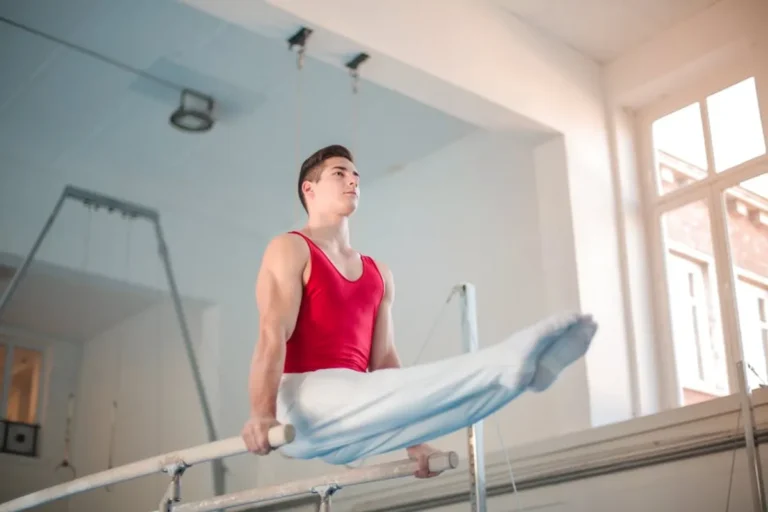

Achieving advanced flexibility is not merely an aesthetic pursuit in gymnastics; it is a fundamental requirement for executing complex skills safely and effectively. Without adequate range of motion, gymnasts face increased injury risk and limitations in their ability to perform intricate movements like splits, backbends, and high-amplitude leaps. This guide outlines targeted strategies and techniques to systematically improve flexibility, focusing on the specific demands of gymnastic disciplines. The goal is not just to stretch further, but to build functional flexibility that supports strength, balance, and power throughout the entire range of motion necessary for high-level performance. To further enhance performance, understanding how to improve flexibility for gymnastic splits is key for executing these movements with greater ease.
Understanding Gymnastic Flexibility Requirements
Flexibility in gymnastics encompasses several distinct types, each contributing differently to performance. Differentiating these is crucial for designing an effective training program.
- Active Flexibility: This is the ability to move a limb through its full range of motion using only the strength of the opposing muscles, without external assistance. For gymnasts, active flexibility is critical for holding positions (e.g., a leg hold in a scale) and controlling dynamic movements. It signifies strength at the end range of motion.
- Passive Flexibility: This refers to the ability to achieve an extended range of motion with external assistance, such as gravity, a partner, or a prop. While passive flexibility allows for deep stretches, it must be paired with active strength to be functionally useful in gymnastics.
- Dynamic Stretching: Involves moving parts of your body and gradually increasing reach, speed of movement, or both. Examples include leg swings or torso twists. These prepare muscles for activity by increasing blood flow and range of motion without holding a static position.
Best for: Pre-workout warm-ups and skill preparation.
- Static Stretching: Involves holding a stretch in a challenging but comfortable position for a period, typically 20-60 seconds. This method is effective for increasing passive range of motion over time.
Best for: Post-workout cool-downs and dedicated flexibility sessions.
Targeted Flexibility Areas for Gymnasts
Gymnastics demands extreme flexibility across multiple joints. Prioritizing these key areas ensures a comprehensive approach.
Spinal Mobility and Backbends
A flexible spine is essential for back walkovers, bridges, and aerial maneuvers. Focus should be on both extension (arching) and flexion (rounding) through the entire vertebral column.
- Bridge progressions: Start with basic bridges, gradually working towards straightening arms and legs, and bringing hands closer to feet.
Technique focus: Distribute the arch evenly through the spine, avoiding hyperextension in the lumbar region only.
- Cobra and Upward-Facing Dog: These yoga poses help open the chest and extend the thoracic spine.
- Cat-Cow stretch: Improves active control over spinal flexion and extension.
Hip Flexor and Hamstring Flexibility
Critical for splits, leaps, and tumbling passes, hip and hamstring flexibility directly impacts leg elevation and extension.
- Front Splits: Regular practice of lunges, half-kneeling hip flexor stretches, and hamstring stretches (e.g., seated forward fold, standing hamstring stretch) prepares the muscles.
Progression tip: Use yoga blocks or cushions under hands to support the body weight and gradually lower into the split.
- Straddle Splits: Requires significant adductor (inner thigh) and hamstring flexibility. Butterfly stretches, wide-legged forward folds, and pancake stretches are foundational.
Technique focus: Keep the back straight and hinge from the hips, rather than rounding the spine.
Shoulder and Thoracic Mobility
Overhead movements, handstands, and tumbling passes require exceptional shoulder girdle and upper back flexibility to avoid injury and optimize power transfer.
- Pike Stretch against a wall: Stand facing a wall, place hands on the wall, and walk feet back, hinging at the hips until the torso is parallel to the floor. Focus on pressing chest towards the floor.
- German Hang (assisted): Using a pull-up bar, carefully rotate shoulders into an overhead position, allowing gravity to gently open the shoulder joint. This is an advanced stretch and should be approached with caution and proper warm-up.
- Doorway Chest Stretch: Improves pectoral flexibility, allowing for greater shoulder retraction.
Advanced Stretching Techniques for Gymnasts
Beyond basic static and dynamic stretches, specific techniques can accelerate flexibility gains.
Proprioceptive Neuromuscular Facilitation (PNF)
PNF stretching involves contracting the muscle being stretched immediately before or during the stretch, often with a partner. This technique can yield rapid improvements in passive range of motion.
How it works: A common PNF method is "contract-relax." The muscle is passively stretched, then contracted against resistance for 5-10 seconds, then immediately relaxed and stretched further. This utilizes the Golgi tendon organ reflex to inhibit muscle contraction, allowing for a deeper stretch.
Application: Highly effective for hamstrings, hip flexors, and shoulders when aiming for specific split or bridge goals.
Myofascial Release
Using tools like foam rollers or massage balls, myofascial release targets trigger points and adhesions in the fascia (connective tissue surrounding muscles). Releasing these restrictions can improve muscle elasticity and overall range of motion.
Application: Prioritize areas prone to tightness in gymnasts, such as hamstrings, glutes, hip flexors, lats, and upper back. Perform before stretching to prepare the tissues for deeper work.
Pro Tip: Listen intently to your body. Flexibility training should involve discomfort, but never sharp or shooting pain. Pushing through pain can lead to muscle tears, ligament damage, or tendinitis, setting back progress significantly. Always differentiate between a deep stretch sensation and actual injury pain.
Structuring Your Flexibility Training
Consistency and intelligent programming are more important than sporadic, intense sessions.
- Daily Maintenance: Short, dynamic warm-ups before training and static stretches post-training (5-10 minutes each).
- Dedicated Sessions: 2-3 times per week, allocate 30-60 minutes specifically for deep flexibility work, focusing on PNF and longer static holds. These sessions should ideally be separate from intense strength or skill training, or performed after a thorough cool-down.
- Warm-up First: Never stretch cold muscles deeply. Light cardio (jumping jacks, jogging) for 5-10 minutes followed by dynamic stretches should precede any static or PNF work.
- Gradual Progression: Flexibility improves over weeks and months, not days. Avoid forcing positions. Focus on consistent effort and incremental gains.
Sustaining Your Flexibility Gains
Maintaining flexibility is an ongoing process that requires consistent effort and attention to recovery.
Integrate active flexibility exercises into your strength training to build strength at end ranges of motion. For example, perform controlled leg lifts to your maximum active range, or hold bridge positions for time. This ensures that your increased passive range of motion becomes functional and usable in gymnastic skills. Prioritize hydration and adequate sleep, as both contribute to muscle elasticity and recovery. Consider incorporating cross-training activities like yoga or Pilates, which inherently focus on developing both flexibility and core strength, complementing gymnastic training.
Frequently Asked Questions
How long should I hold each static stretch?
For effective long-term flexibility gains, hold each static stretch for 30-60 seconds. For PNF techniques, the contraction phase is typically 5-10 seconds, followed by a deeper stretch for 20-30 seconds.
Is it better to stretch every day, or take rest days?
Daily light dynamic and static stretching can be beneficial for maintenance and gradual improvement. For intense, dedicated flexibility sessions (e.g., PNF), 2-3 times per week with rest days in between is often more effective, allowing muscles to recover and adapt.
When should I expect to see significant flexibility improvements?
Significant improvements vary based on individual factors like age, genetics, and consistency. With a dedicated and consistent program, noticeable changes can often be seen within 4-8 weeks, with more advanced gains requiring several months to a year or more.
Can I overstretch and injure myself?
Yes, overstretching is a common cause of injury. Pushing too hard, too fast, or stretching cold muscles can lead to muscle strains, ligament sprains, or tendinitis. Always listen to your body, avoid bouncing, and stop if you feel sharp pain.