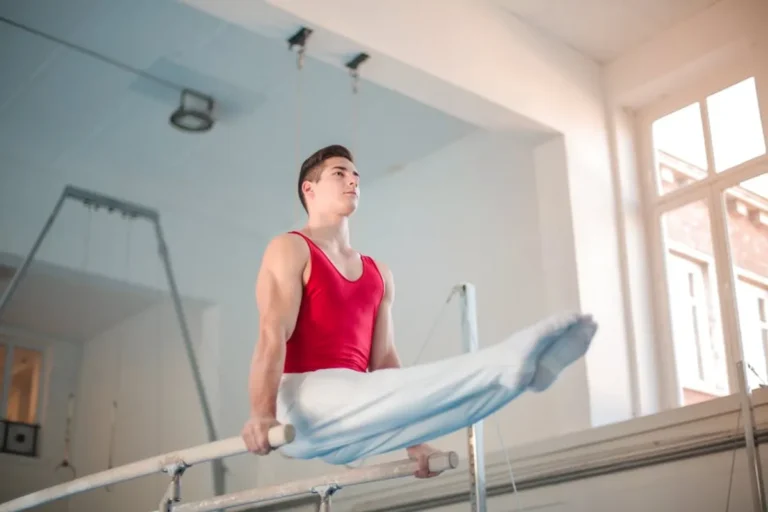

Achieving deep, controlled splits is a fundamental requirement in gymnastics, extending beyond mere aesthetic appeal. For gymnasts, splits contribute directly to performance scores by demonstrating exceptional flexibility, body control, and line. More critically, advanced flexibility, when paired with requisite strength, is a key component in injury prevention, allowing the body to move through extreme ranges of motion safely during complex skills like leaps, turns, and balance beam elements. This guide outlines a structured approach to developing and improving splits, focusing on technique, consistency, and the integration of strength training. A structured approach to developing and improving splits is key for gymnasts looking to enhance their performance and prevent injuries.
Foundational Principles for Split Development
Understanding Flexibility vs. Mobility
Flexibility refers to the passive range of motion in a joint or series of joints. It's how far you can extend a limb with external assistance. Mobility, however, is the ability to move a joint through its full range of motion actively and with control. For gymnasts, both are crucial. You need the passive range to achieve the split position, but you also need the active strength and control to hold it, move into it gracefully, and utilize it within dynamic skills without injury.
Consistency and Progressive Overload
Improving splits requires consistent, targeted effort. Sporadic stretching yields minimal results. Daily or near-daily practice is essential. Progressive overload means gradually increasing the intensity, duration, or depth of your stretches over time. This might involve holding stretches for longer, increasing the angle of your split, or adding light resistance. The body adapts to consistent, gentle challenges, but sudden, aggressive attempts to force flexibility often lead to injury and setbacks.
Proper Warm-up and Cool-down Protocols
Never stretch cold muscles. A thorough warm-up, involving light cardio (e.g., jogging, jumping jacks) and dynamic stretches, prepares muscles for deeper flexibility work by increasing blood flow and tissue elasticity. Dynamic stretches, like leg swings and torso twists, move joints through their full range of motion. Static stretching, where you hold a stretch for an extended period, is most effective during the cool-down phase, after muscles are already warm and pliable, to improve passive flexibility.
Targeted Stretching Techniques for Splits
Front Split Progression
The front split requires significant flexibility in the hip flexors of the back leg and the hamstrings of the front leg. Focus on keeping your hips square and facing forward, rather than rotating them open.
- Kneeling Hip Flexor Stretch: Kneel on one knee, with the other foot flat on the floor in front of you. Gently push your hips forward until you feel a stretch in the front of the back hip. Hold for 30-60 seconds per side.
- Half-Kneeling Quad Stretch: From the hip flexor stretch position, reach back and grab your back foot, pulling it towards your glute. This intensifies the stretch in the quadriceps and hip flexor.
- Hamstring Stretches:
- Seated Forward Fold: Sit with legs extended, hinge from the hips, reaching for your toes.
- Standing Single Leg Hamstring Stretch: Place one heel on an elevated surface (e.g., a chair), keeping the leg straight, and hinge forward from the hips.
- Elevated Front Leg Stretch: Place your front leg on a yoga block or cushion as you enter the front split, gradually increasing the height as flexibility improves. This allows for deeper stretches without over-straining.
Pro Tip: Never push into sharp pain. Discomfort is normal and expected when stretching, but pain indicates potential tissue damage. Always prioritize controlled, gradual progression over forcing depth, which can lead to muscle strains or tears.
Straddle Split Progression
The straddle split (or side split) targets the adductors (inner thigh muscles) and hamstrings. Maintaining a straight back and rotating from the hips is crucial.
- Seated Straddle Stretch: Sit with legs wide apart, toes pointed up, and hinge forward from the hips, keeping your back straight.
- Butterfly Stretch: Sit with the soles of your feet together, knees out to the sides. Gently press your knees towards the floor.
- Pancake Stretch: A more advanced straddle stretch where you aim to bring your torso flat to the floor between your legs, maintaining a flat back. This requires significant hip mobility and hamstring flexibility.
- Wide-Leg Forward Fold: Stand with legs wide apart, feet parallel, and fold forward from the hips, reaching for the floor or your ankles.
Oversplits (Advanced)
Oversplits involve placing the front or back foot (for front splits) or both feet (for straddle splits) on an elevated surface, extending the range of motion beyond a flat 180-degree split. This is an advanced technique suitable only for gymnasts who have already achieved consistent, comfortable flat splits. It should be approached with extreme caution and ideally under the guidance of an experienced coach to prevent injury.
Strengthening for Split Stability and Control
Flexibility without strength is a recipe for instability and injury. Strong muscles protect joints and allow gymnasts to actively control their flexible range of motion. Incorporate exercises that strengthen the muscles involved in holding and supporting split positions.
- Lunges (Forward, Reverse, Lateral): Build strength in the hip flexors, quads, and glutes, which are crucial for front split stability.
- Single-Leg RDLs (Romanian Deadlifts): Improve hamstring and glute strength while challenging balance, directly supporting front split control.
- Glute Bridges and Hip Thrusts: Strengthen the glutes and hamstrings, improving posterior chain strength essential for both split types.
- Core Engagement: Planks, hollow body holds, and leg lifts develop core strength, which stabilizes the pelvis and spine, allowing for a more controlled and deeper split.
Integrating Splits into Gymnastics Training
Achieving a split is one thing; utilizing it effectively in gymnastics is another. Active application is key.
- Incorporate dynamic split movements into warm-ups and cool-downs, such as controlled leg swings that mimic split lines.
- Use resistance bands for active flexibility drills, pulling the leg into a split position against resistance to build strength at end-range.
- Practice holding static splits for time (e.g., 30-60 seconds) to build endurance in the position.
- Focus on maintaining square hips during front splits to ensure proper alignment and prevent rotational compensation.
- Maintain active engagement of the inner thighs and glutes in straddle splits to prevent passive "hanging" in the stretch.
Common Pitfalls and How to Avoid Them
Several common mistakes can hinder split progress or lead to injury:
- Overstretching without Strength: As noted, this creates instability. Always pair flexibility work with strengthening exercises.
- Neglecting Warm-ups: Cold muscles are less elastic and more prone to tears. Always warm up thoroughly.
- Ignoring Asymmetry: Most people have one side more flexible than the other. Address imbalances by giving extra attention to the tighter side, but don't neglect the more flexible side.
- Bouncing (Ballistic Stretching without Control): While controlled dynamic stretches have a place, uncontrolled bouncing into deep static stretches can activate the stretch reflex, causing muscles to contract and increasing injury risk.
- Comparing Progress: Everyone's body is different. Focus on your own progress and consistency, not on how quickly others achieve their splits.
Sustaining Flexibility for Long-Term Performance
Improving splits is an ongoing process. Maintain your flexibility by prioritizing recovery, including adequate sleep and proper nutrition to support muscle repair and growth. Listen to your body; some days you may feel more flexible than others. On days when you feel stiff or fatigued, opt for lighter, gentler stretching or active recovery. Consistent, mindful practice, combined with targeted strength work, ensures not only the achievement of deep splits but also their safe and effective application within gymnastics.
Frequently Asked Questions
How long does it typically take to achieve splits?
The timeline varies widely based on individual starting flexibility, age, consistency of practice, and genetic factors. Some individuals may achieve a flat split in a few weeks, while others may take months or even a year of dedicated effort. Consistency is more important than speed.
Can adults learn to do splits?
Yes, adults can absolutely learn to do splits. While children and teenagers often have an advantage due to naturally higher elasticity, adults can significantly improve their flexibility with consistent, safe, and progressive stretching and strengthening routines. Patience and dedication are key.
What should I do if I feel sharp pain during stretching?
If you experience sharp pain, immediately ease out of the stretch. Sharp pain is a warning sign of potential injury. Discomfort is normal, but pain is not. Re-evaluate your technique, ensure you are properly warmed up, and consider seeking advice from a qualified gymnastics coach or physical therapist if pain persists.
Should I stretch for splits every day?
Daily stretching for splits can be highly effective, provided it is done safely and progressively. However, it's also beneficial to incorporate rest days or active recovery days to allow muscles to repair and adapt. Listen to your body; if you feel overly sore or fatigued, a day of lighter activity or complete rest might be more beneficial.