Improving flexibility for gymnastics extends beyond general stretching; it demands a precise, disciplined approach to achieve and control extreme ranges of motion. This isn't about casual limberness, but rather the controlled strength and elasticity required to execute complex skills safely and effectively. Gymnasts need to develop both passive flexibility (the ability to achieve a position with external aid) and active flexibility (the ability to hold that position using only muscular strength), alongside the dynamic range of motion necessary for fluid movement. This guide outlines the specific principles and techniques to cultivate the advanced flexibility critical for competitive gymnastics, focusing on methods that enhance performance and mitigate injury risk.
Understanding Gymnastics Flexibility: Beyond Basic Stretching
Gymnastics flexibility is a specialized form of physical conditioning. It differentiates itself from general flexibility by its requirement for extreme ranges of motion, often held under significant muscular tension or through dynamic, explosive movements. A gymnast's flexibility must be functional, meaning it directly translates into the ability to perform specific skills like splits, backbends, and high leg extensions with control and power.
Key distinctions:
- Active vs. Passive Range: Gymnasts require a high degree of active flexibility, which is the ability to move a limb through its full range of motion using the strength of the opposing muscles. Passive flexibility, the range achievable with external assistance, serves as the foundation but must be converted into active control.
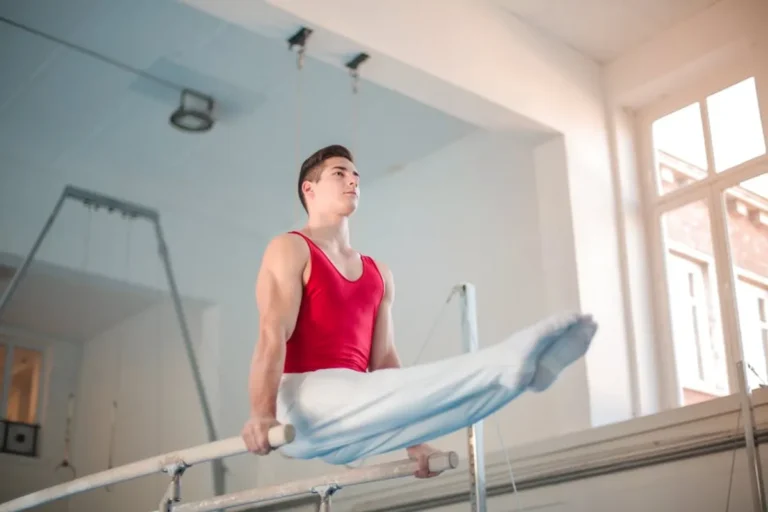
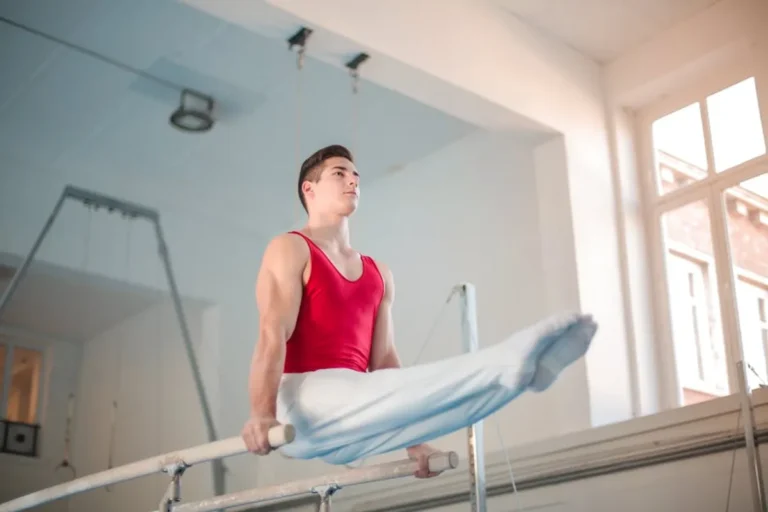
- Strength Integration: Flexibility in gymnastics is inseparable from strength. Holding a needle scale or a perfect straddle requires significant muscular engagement in the opposing muscle groups to stabilize the joint and maintain the position.
- Specificity: Training focuses on the exact joint angles and muscle groups utilized in specific gymnastics elements, rather than general, non-specific stretches.
Core Principles for Effective Flexibility Training
To achieve the advanced flexibility demanded by gymnastics, a structured approach rooted in physiological principles is essential.
Specificity in Movement
Your flexibility training must mirror the demands of the skills you aim to perform. If a skill requires a deep back arch with open shoulders, your stretching should target the thoracic spine, hip flexors, and shoulder girdle in that specific plane of motion. Generic hamstring stretches, while beneficial, will not adequately prepare the body for a standing split if the hip rotators and adductors are neglected.
Progressive Adaptation
Muscles and connective tissues adapt to gradually increasing loads and ranges. Attempting to force extreme flexibility too quickly risks injury. Instead, incrementally increase the duration, intensity, or depth of your stretches. For example, if holding a split for 30 seconds is the current maximum, aim for 35 seconds the following week, or introduce a slight external load (e.g., light ankle weights for active leg lifts) once the current range is stable.
Consistent Practice and Recovery
Flexibility gains are transient without consistent reinforcement. Daily, or at minimum, 5-6 times per week, dedicated stretching sessions are more effective than infrequent, intense efforts. Equally important is adequate recovery, including proper nutrition, hydration, and sleep, which allows tissues to repair and adapt.
Pro Tip: Always warm up thoroughly before attempting deep flexibility work. Dynamic movements like leg swings, arm circles, and light cardio increase blood flow and muscle temperature, making tissues more pliable and significantly reducing the risk of strains or tears during stretching. Never stretch cold muscles.
Targeted Flexibility Areas for Gymnasts
Optimal gymnastic performance relies on specific ranges of motion in key anatomical regions.
Lower Body: Hips, Hamstrings, and Glutes
This area is crucial for splits (front and side), straddles, leg extensions, and jumps. Training should focus on:
- Hamstring Length: Essential for forward folds, standing splits, and pike positions. Techniques should include straight-leg pikes, single-leg forward bends, and partner-assisted hamstring stretches.
- Hip Flexor Mobility: Critical for back arches, needle scales, and maintaining an open hip angle in many skills. Lunges with posterior pelvic tilt, kneeling hip flexor stretches, and bridge variations are key.
- Adductor (Inner Thigh) Flexibility: Required for side splits, straddles, and wide-leg movements. Butterfly stretches, straddle stretches, and pancake stretches are foundational.
- Gluteal and Hip Rotator Release: Often overlooked, tight glutes and external rotators can restrict hip movement. Pigeon pose variations and figure-four stretches help maintain hip capsule health.
Upper Body: Shoulders and Thoracic Spine
Open shoulders and a mobile upper back are paramount for handstands, bridges, overhead positions, and releases on bars. Focus on:
- Shoulder Girdle Mobility: Emphasize full range of motion in flexion, extension, and rotation. Exercises like shoulder dislocations (with a band or stick), overhead holds, and passive hangs are highly effective.
- Thoracic Spine Extension: A flexible upper back prevents excessive lumbar arching and allows for deeper backbends. Cat-cow variations, foam roller thoracic extensions, and targeted bridge work are vital.
Spine and Core: Dynamic Range
Beyond static backbends, gymnasts need dynamic spinal flexibility for rolls, twists, and transitions. This includes:
- Spinal Articulation: Exercises that encourage segmental movement of the spine, such as cat-cow, spinal waves, and controlled twists, improve overall spinal health and range.
- Core Engagement during Flexion/Extension: Maintaining core control throughout extreme spinal movements protects the lower back and enhances the quality of the movement.
Advanced Techniques for Rapid Progress
Beyond basic static stretching, specific techniques can accelerate flexibility gains by leveraging neurological responses.
Proprioceptive Neuromuscular Facilitation (PNF)
PNF involves a contract-relax or hold-relax method. The muscle is stretched, then contracted against resistance for a few seconds, then relaxed and stretched deeper. This technique capitalizes on the autogenic inhibition reflex, where muscle contraction triggers a relaxation response in the same muscle, allowing for a greater stretch. PNF is highly effective for increasing passive range of motion, particularly in hamstrings and hip flexors.
Active Isolated Stretching (AIS)
AIS involves actively contracting the opposing muscle group to facilitate a stretch in the target muscle. Each stretch is held for only 1-2 seconds and repeated multiple times. This method improves active flexibility and blood flow to the stretched tissues, making it suitable for both warm-ups and dedicated flexibility sessions. For example, to stretch the hamstrings, you would actively lift your leg using your hip flexors, holding briefly at the peak of the stretch.
Myofascial Release
Using tools like foam rollers, massage balls, or stick rollers can release tension in the fascia, the connective tissue surrounding muscles. Tight fascia can restrict muscle movement and flexibility. Targeting specific trigger points and areas of stiffness can improve tissue pliability and allow for deeper stretches. This is particularly useful for areas like the IT band, glutes, quads, and upper back.
Structuring Your Flexibility Sessions
An effective flexibility program integrates various techniques throughout the training week.
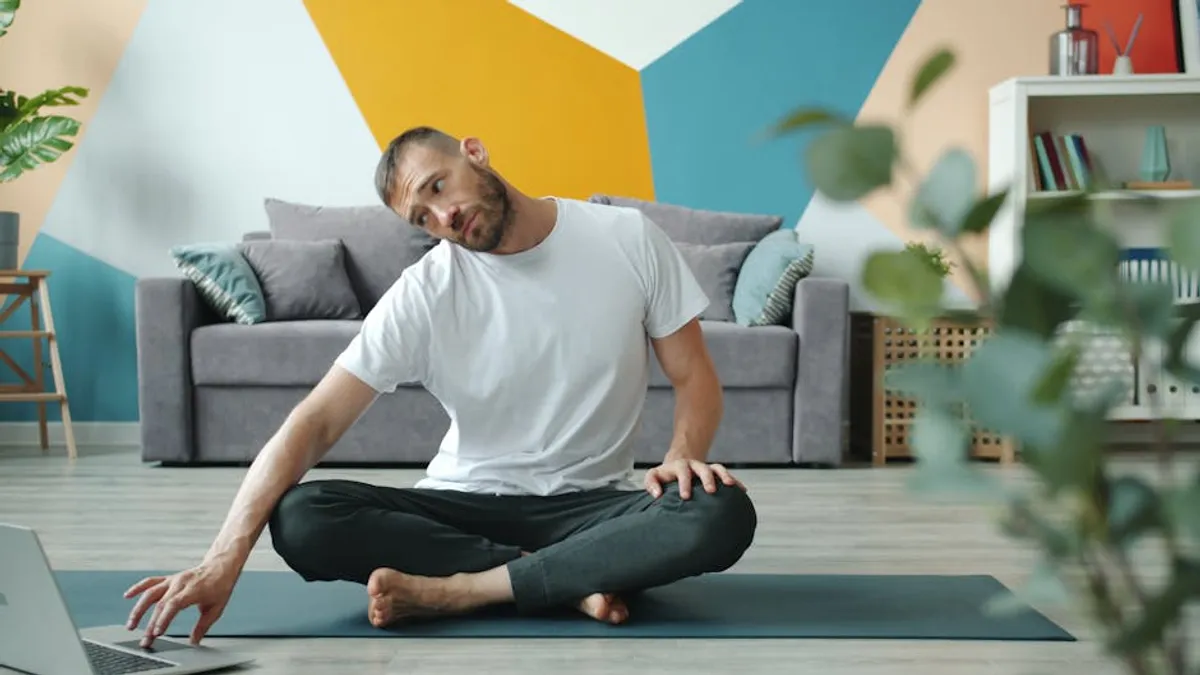
Daily Mini-Sessions: Incorporate 10-15 minutes of dynamic stretching and active flexibility drills as part of your warm-up before every training session. This prepares the body for activity and reinforces active range of motion.
Post-Workout Static/PNF: After muscles are thoroughly warmed and fatigued from training, dedicate 20-30 minutes to deeper static and PNF stretching. This is when muscles are most receptive to increasing their resting length. Focus on holding static stretches for 30-60 seconds per side, and PNF cycles for 2-3 repetitions per stretch.
Dedicated Flexibility Days: On non-training days or lighter training days, perform longer (45-60 minute) flexibility sessions. These can include a mix of AIS, PNF, static stretching, and myofascial release, allowing for deeper work without the fatigue of skill training.
Common Pitfalls in Flexibility Training
Avoiding these common errors will optimize your progress and prevent setbacks:
- Ignoring Pain: Stretching should feel like a deep pull, not sharp or shooting pain. Pain indicates potential tissue damage. Always back off if you feel discomfort beyond a deep stretch.
- Bouncing (Ballistic Stretching): While dynamic flexibility is important, uncontrolled bouncing into stretches can trigger the stretch reflex, causing muscles to contract defensively and increasing injury risk. Focus on controlled, smooth movements.
- Inconsistency: Sporadic stretching yields minimal results. Regular, consistent effort is the single most important factor for long-term flexibility gains.
- Neglecting Strength: Flexibility without strength is hypermobility, which can lead to instability and injury. Always pair flexibility work with strengthening exercises for the muscles that stabilize those newfound ranges of motion.
- Overlooking Warm-up: Stretching cold muscles is inefficient and dangerous. Always precede deep stretching with a thorough warm-up.
Optimizing Your Gymnastics Flexibility Journey
Achieving elite-level flexibility for gymnastics is a marathon, not a sprint. It demands patience, consistency, and an intelligent application of specific techniques. By understanding the physiological principles, targeting key muscle groups with appropriate methods like PNF and AIS, and structuring your training intelligently, you can systematically expand your range of motion. Remember that flexibility is not just about reaching a position, but about controlling it with strength and stability, ultimately enhancing both performance and longevity in the sport.
Frequently Asked Questions
How long does it typically take to see significant flexibility improvements?
Significant improvements can be observed within 8-12 weeks of consistent, targeted training. However, achieving advanced gymnastics flexibility is an ongoing process that requires continuous effort over months and years.
Can I become "too flexible" for gymnastics?
While hypermobility without corresponding strength can be detrimental, it's rare to be "too flexible" if your training consistently integrates strength and stability work. The goal is functional flexibility, where extreme range of motion is controlled and supported by strong surrounding muscles.
Should I stretch every single day?
For gymnasts, daily flexibility work is highly beneficial. Short, active sessions as part of a warm-up, combined with longer, deeper static/PNF sessions 3-5 times per week, provide the optimal balance for progress and recovery.
What is the difference between flexibility and mobility?
Flexibility refers to the passive range of motion in a joint or series of joints. Mobility, a broader term, encompasses flexibility but also includes the strength, coordination, and control needed to move through that range of motion actively. Gymnasts require high levels of both.