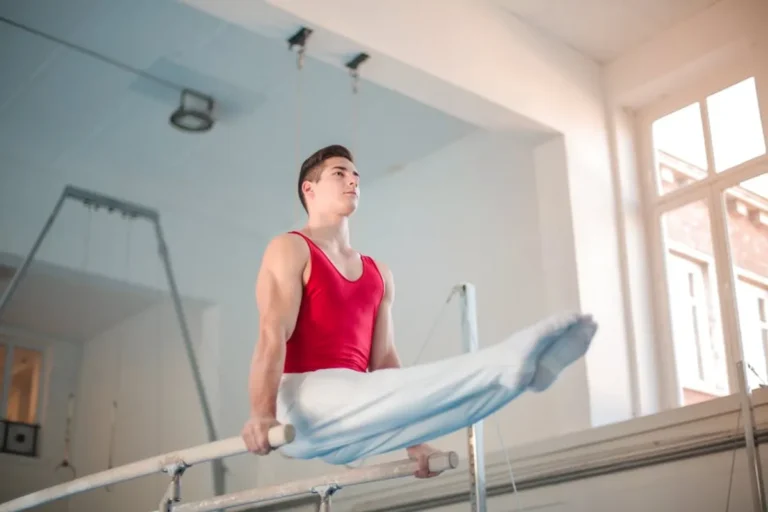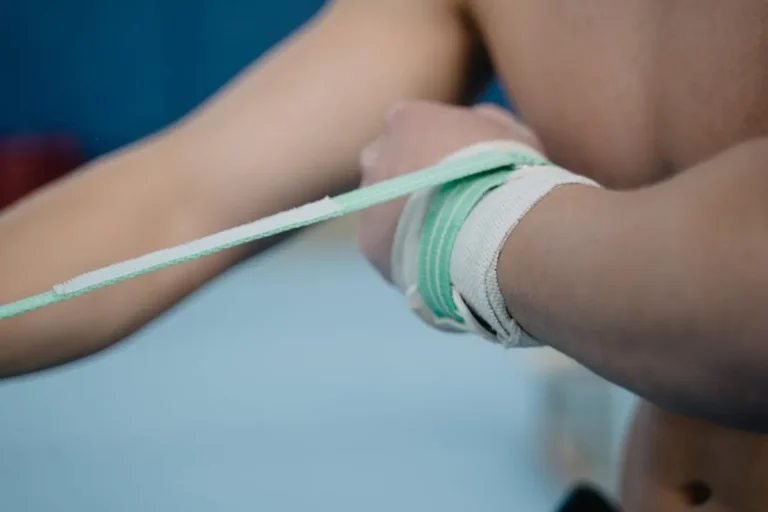

For gymnastics athletes, the pursuit of peak performance is intrinsically linked to the effectiveness of their recovery protocols. The sport demands an exceptional blend of strength, flexibility, power, and endurance, placing immense physiological and psychological stress on the body. Without a deliberate and structured approach to recovery, athletes face increased risks of injury, burnout, and plateaus in skill development. Optimizing recovery is not a passive break but an active, integral component of the training cycle, ensuring that the body can adapt, repair, and grow stronger from the intense demands placed upon it. This strategic focus on post-training and competition care directly impacts an athlete's ability to maintain consistency, push boundaries, and achieve long-term success in a highly demanding discipline.
Key Principles of Effective Recovery for Gymnasts
Effective recovery for gymnastics athletes hinges on several foundational principles that address the multifaceted demands of the sport. First, it must be holistic, recognizing that physical restoration is inseparable from mental and emotional well-being. The high-pressure environment of gymnastics requires strategies that mitigate stress and promote psychological resilience. Second, recovery must be individualized; no two athletes respond identically to training loads or recovery interventions due to variations in genetics, training history, age, and lifestyle. Protocols must be adaptable. Third, consistency is paramount; sporadic recovery efforts yield minimal benefits. Integrating recovery habits into daily routines ensures sustained adaptation and injury prevention. Finally, recovery should be proactive, not reactive. Implementing recovery strategies before the onset of overtraining or injury is more effective than attempting to reverse existing damage. These principles guide the selection and application of specific habits that support gymnasts through their rigorous schedules.
1. Targeted Nutrition and Hydration
Targeted nutrition and hydration are fundamental pillars of recovery, directly influencing a gymnast's ability to repair muscle tissue, replenish energy stores, and maintain optimal physiological function. Post-training, consuming a balanced intake of carbohydrates to restore glycogen, protein for muscle synthesis, and healthy fats for inflammation management is critical. Specific timing, often within a 30-60 minute window post-exertion, can maximize nutrient uptake and accelerate recovery processes. Consistent hydration throughout the day, not just during training, is equally vital for nutrient transport, temperature regulation, and joint lubrication, all of which are heavily taxed in gymnastics.
Best For: All gymnastics athletes, particularly those undergoing high-volume training, multiple daily sessions, or competition phases where rapid recovery between performances is essential.
Pros: Directly supports muscle repair and growth, replenishes energy reserves efficiently, reduces muscle soreness, enhances immune function, and maintains cognitive function. It provides the raw materials for physical adaptation.
Cons: Requires careful planning and preparation, potentially involving meal prep or specific dietary choices. Misinformation or restrictive eating patterns can hinder effectiveness. Access to appropriate foods and beverages may be challenging during travel or competitions.
Verdict: Non-negotiable for sustained performance and injury prevention. A well-executed nutrition and hydration strategy is the bedrock upon which all other recovery efforts are built, directly impacting the body's capacity to handle stress and adapt.
2. Adequate Sleep Prioritization
Adequate sleep is arguably the most potent recovery tool available to any athlete, and especially gymnasts who require peak neuromuscular coordination and cognitive function. During deep sleep stages, the body releases growth hormone, essential for tissue repair and regeneration. Sleep deprivation impairs immune function, slows reaction time, reduces pain tolerance, and negatively affects mood and decision-making—all detrimental to a gymnast's safety and performance. Prioritizing 8-10 hours of quality sleep per night provides the optimal environment for physiological and psychological restoration.
Best For: Every gymnastics athlete, from developmental to elite levels, as it underpins all other aspects of physical and mental performance and recovery.
Pros: Enhances muscle repair and growth, strengthens immune system, improves cognitive function and focus, reduces risk of injury, regulates mood, and accelerates learning of complex motor skills. It's a natural, cost-effective recovery method.
Cons: Can be challenging to achieve consistently due to academic schedules, early morning training, or travel. Environmental factors (light, noise, temperature) can disrupt sleep quality. Requires discipline in establishing consistent sleep routines.
Verdict: The single most impactful recovery habit. Without sufficient, high-quality sleep, other recovery efforts are significantly diminished. It is critical for both physical regeneration and mental acuity in a sport demanding precision and focus.
3. Active Recovery (Light Movement)
Active recovery involves low-intensity, non-impact exercise performed after strenuous training or on rest days. Activities like light cycling, swimming, walking, or gentle dynamic stretching increase blood flow without adding significant stress. This enhanced circulation helps to flush metabolic byproducts, such as lactic acid, from muscles and deliver oxygen and nutrients, promoting faster tissue repair and reducing delayed onset muscle soreness (DOMS). It also aids in maintaining flexibility and mobility, crucial for gymnasts.
Best For: Gymnasts experiencing muscle soreness or stiffness, those needing to maintain mobility, and for facilitating blood flow without further stressing fatigued muscles. Ideal after high-intensity sessions or on "off" days.
Pros: Reduces muscle soreness, improves blood circulation, maintains flexibility and range of motion, and can offer a psychological break from intense training. It keeps the body moving without overexertion.
Cons: If intensity is too high, it can become another training session rather than recovery. Requires careful monitoring to ensure it remains low-impact and genuinely restorative. Some athletes may prefer complete rest.
Verdict: A valuable tool for mitigating muscle soreness and promoting circulation. When performed correctly, active recovery can accelerate the removal of waste products and prepare muscles for subsequent training, contributing to overall readiness.
4. Static Stretching and Flexibility Work
Static stretching involves holding a stretch for an extended period, typically 20-30 seconds, to lengthen muscles and increase range of motion. For gymnasts, who require extreme flexibility, consistent static stretching is not just a recovery habit but also a performance enhancer. Post-training, static stretching can help restore muscles to their resting length, improve blood flow to stretched tissues, and reduce muscle stiffness. It also contributes to long-term joint health and injury prevention by maintaining optimal mobility around critical joints stressed in gymnastics.
Best For: All gymnasts, especially those working on specific flexibility goals or experiencing tightness in key muscle groups (e.g., hamstrings, hip flexors, shoulders, back) after intense training.
Pros: Increases range of motion, improves flexibility, reduces muscle stiffness and risk of injury, and can enhance body awareness. It's a low-cost, accessible method for maintaining physical capabilities.
Cons: If performed incorrectly or too aggressively, it can lead to injury. Can be time-consuming, requiring dedicated sessions. May not be sufficient for deep tissue recovery on its own.
Verdict: An indispensable habit for gymnasts, directly supporting both performance and recovery. Regular, intelligent static stretching maintains the extreme flexibility required in the sport and aids in muscle relaxation post-exertion.
5. Foam Rolling and Self-Myofascial Release
Foam rolling and other self-myofascial release (SMR) techniques involve applying pressure to specific points on the body to release muscle tightness and trigger points. By rolling over a foam roller, massage ball, or similar tool, gymnasts can target areas of muscle adhesion and restriction, improving blood flow, reducing muscle soreness, and restoring normal muscle function. This technique helps to break down knots and improve tissue elasticity, which is crucial for maintaining the extensive range of motion required in gymnastics and preventing compensatory movement patterns.
Best For: Gymnasts experiencing localized muscle tightness, trigger points, or areas of chronic stiffness, particularly in large muscle groups like quads, hamstrings, glutes, and the back. Useful for pre-habilitation and post-training recovery.
Pros: Reduces muscle soreness and stiffness, improves range of motion, enhances blood flow to tight areas, and can help prevent injuries by addressing muscle imbalances. It's a self-administered, cost-effective method.
Cons: Can be uncomfortable or painful, especially on sensitive areas. Requires proper technique to be effective and avoid injury. May not reach deeper tissues as effectively as professional manual therapy.
Verdict: A highly effective self-care tool for managing muscle tension and improving tissue quality. Regular foam rolling can significantly contribute to a gymnast's ability to recover from training and maintain optimal movement patterns.
6. Ice Baths / Cold Water Immersion
Cold water immersion, commonly known as ice baths, involves submerging the body in cold water (typically 50-59°F or 10-15°C) for a short duration (5-10 minutes) after intense exercise. The primary mechanisms are thought to be vasoconstriction, which reduces inflammation and metabolic activity, followed by vasodilation upon exiting, which helps flush waste products and deliver fresh blood. This method is often used to reduce muscle soreness, decrease swelling, and accelerate recovery from high-impact or high-volume training sessions characteristic of gymnastics.
Best For: Gymnasts after particularly intense training sessions, competitions, or periods of high-impact loading where acute inflammation and muscle soreness are significant concerns. Useful for rapid recovery between competitive events.
Pros: Reduces muscle soreness and inflammation, decreases perception of fatigue, and can accelerate recovery time. Provides a strong psychological sensation of recovery and readiness.
Cons: Uncomfortable and requires tolerance to cold. Potential for excessive vasoconstriction if duration is too long or temperature too low. Not suitable for all individuals, especially those with certain medical conditions. Requires access to appropriate facilities.
Verdict: A powerful acute recovery strategy for managing inflammation and soreness, especially beneficial during periods of high training load or competition. Its effectiveness is often balanced against the discomfort it entails.
7. Heat Therapy (Saunas, Warm Baths)
In contrast to cold therapy, heat therapy involves exposing the body to warm temperatures, such as through saunas, hot tubs, or warm baths. Heat promotes vasodilation, increasing blood flow to muscles, which can help relax tense tissues, improve flexibility, and aid in the removal of metabolic waste products. While cold therapy primarily targets acute inflammation, heat therapy is more focused on muscle relaxation, pain relief, and improving tissue extensibility. It can be a soothing and psychologically beneficial recovery method.
Best For: Gymnasts experiencing general muscle stiffness, chronic tightness, or those seeking muscle relaxation and stress reduction. Ideal on rest days or before stretching sessions to enhance flexibility.
Pros: Promotes muscle relaxation, reduces stiffness, increases blood flow, and can provide significant psychological comfort and stress relief. Enhances the effectiveness of stretching when used beforehand.
Cons: Can contribute to dehydration if not managed with adequate fluid intake. Not recommended for acute injuries or immediately after intense exercise where inflammation is high. Requires access to facilities.
Verdict: A valuable complementary recovery habit, particularly for muscle relaxation and stress reduction. While not directly addressing acute inflammation like cold therapy, it plays a key role in overall physical and mental restoration.
8. Compression Garments
Compression garments are designed to apply graduated pressure to limbs, which is believed to improve blood circulation, reduce muscle oscillation during activity, and enhance the removal of metabolic waste products. During recovery, the increased blood flow and reduced swelling can help alleviate muscle soreness and accelerate tissue repair. Gymnasts often use compression sleeves or tights during and after training to support muscles and facilitate recovery, particularly in the legs and arms which bear significant loads.
Best For: Gymnasts experiencing muscle fatigue, soreness, or mild swelling in specific limbs. Useful during travel to reduce swelling and improve circulation, and after intense training sessions.
Pros: Reduces muscle soreness and fatigue, potentially improves blood flow, minimizes muscle oscillation during exercise, and can reduce swelling. Provides a sense of muscle support and stability.
Cons: Effectiveness can vary between individuals and studies. Can be uncomfortable if ill-fitting or worn for extended periods. Quality garments can be an initial investment. Not a substitute for other core recovery strategies.
Verdict: A supportive recovery tool that can aid in reducing muscle soreness and improving circulation. While not a primary recovery method, it can contribute to overall comfort and readiness, especially for specific muscle groups.
9. Mindfulness and Mental Recovery
Gymnastics places significant mental demands on athletes, requiring intense focus, stress management, and resilience. Mindfulness and mental recovery practices, such as meditation, deep breathing exercises, or guided visualization, help gymnasts manage competitive pressure, reduce anxiety, and improve sleep quality. These practices train the mind to remain present, detach from negative thoughts, and foster a sense of calm, directly impacting physical recovery by reducing stress-induced physiological responses like elevated cortisol levels.
Best For: All gymnasts, particularly those prone to performance anxiety, experiencing high-stress periods (e.g., competition season), or struggling with sleep. Essential for long-term athlete well-being.
Pros: Reduces stress and anxiety, improves focus and concentration, enhances sleep quality, fosters emotional regulation, and promotes overall mental well-being. It's a free, accessible, and highly transferable skill.
Cons: Requires consistent practice to develop proficiency. May be perceived as less tangible than physical recovery methods, leading to underprioritization. Initial resistance or difficulty in quieting the mind.
Verdict: An often-underestimated but critical component of comprehensive recovery. Mental recovery practices directly impact an athlete's ability to cope with pressure, maintain focus, and facilitate physical restoration by reducing systemic stress.
10. Professional Massage and Manual Therapy
Professional massage therapy and other manual techniques (e.g., cupping, instrument-assisted soft tissue mobilization) provide targeted relief and deeper tissue work that self-myofascial release cannot always achieve. A skilled therapist can identify and address specific areas of muscle imbalance, adhesions, and tightness, improving circulation, reducing pain, and restoring optimal range of motion. For gymnasts, regular manual therapy can be instrumental in managing chronic tightness, preventing injuries, and ensuring muscles are pliable and responsive.
Best For: Gymnasts with persistent muscle tightness, specific trigger points, or those needing deeper tissue work to address movement restrictions. Beneficial for injury prevention and rehabilitation support.
Pros: Provides targeted relief for muscle tightness and pain, improves circulation, enhances flexibility and range of motion, aids in psychological relaxation, and helps identify potential problem areas early.
Cons: Can be expensive and requires regular appointments. Finding a therapist knowledgeable in sports-specific demands, particularly gymnastics, is crucial. Can be uncomfortable during treatment.
Verdict: A highly effective, targeted recovery method that complements self-care. Regular professional manual therapy can significantly enhance a gymnast's physical readiness, manage chronic issues, and support injury prevention efforts.
11. Periodized Training and Deload Weeks
Periodization in training involves systematically varying training load, intensity, and volume over time, and a critical aspect of this is incorporating planned deload or recovery weeks. During a deload week, training volume and/or intensity are significantly reduced to allow the body to fully recover, adapt to previous training stimuli, and prevent overtraining. For gymnasts, who often push their physical limits, these planned breaks are essential for preventing burnout, reducing injury risk, and ensuring supercompensation—where the body adapts to a higher level of performance after recovery.
Best For: All gymnastics athletes, particularly those in long training cycles, preparing for major competitions, or experiencing signs of overtraining. Essential for long-term athletic development and injury prevention.
Pros: Prevents overtraining and burnout, reduces injury risk, allows for full physiological and psychological recovery, enhances long-term performance gains, and helps maintain motivation. It's a strategic, planned approach to recovery.
Cons: Requires careful planning by coaches and athletes. Some athletes may resist reducing training, fearing loss of fitness. Mismanagement of deloads can disrupt training momentum.
Verdict: A fundamental, strategic recovery habit that is built into the training plan itself. Deload weeks are not just rest but an active part of the performance enhancement cycle, crucial for sustained progress and athlete longevity.
12. Strategic Supplementation (Informed Use)
Strategic supplementation involves the careful and informed use of dietary supplements to support recovery, address nutritional gaps, or enhance specific physiological processes. While whole foods should always be the primary source of nutrients, certain supplements like creatine, branched-chain amino acids (BCAAs), omega-3 fatty acids, or vitamin D may offer benefits for gymnasts under specific circumstances. Any supplementation should be guided by professional advice, adhere to anti-doping regulations, and be based on individual needs and deficiencies, not as a replacement for foundational nutrition.
Best For: Gymnasts with identified nutritional deficiencies, specific performance goals, or those requiring additional support during periods of intense training, always under the guidance of a sports nutritionist or medical professional.
Pros: Can help address specific nutritional gaps, support muscle repair and growth, reduce inflammation, and enhance energy production. May provide a marginal performance or recovery edge when used appropriately.
Cons: Risk of contamination or banned substances if products are not third-party tested. Can be expensive. Ineffective or even harmful if used inappropriately or without professional guidance. Not a substitute for a balanced diet.
Verdict: A secondary, supplementary recovery habit that can be beneficial when used strategically and responsibly. It should always complement, not replace, a robust nutrition plan and be approached with caution and expert consultation.
Optimizing Your Recovery Protocol
Implementing a comprehensive recovery strategy requires more than just adopting individual habits; it involves integrating them into a cohesive, personalized protocol. Start by identifying your primary stressors: high-impact landings, repetitive upper body work, or extensive flexibility demands. Then, prioritize recovery habits that directly address these specific needs. For instance, a gymnast with chronic shoulder tightness might emphasize foam rolling, targeted stretching, and professional massage, alongside foundational sleep and nutrition. Regularly assess the effectiveness of your chosen methods by monitoring subjective feelings of soreness, fatigue, and energy levels, as well as objective metrics like sleep quality and training performance. Keep a recovery log to track what works best for your body. The goal is to create a dynamic system that adapts to your training phases, competition schedule, and individual responses, ensuring that recovery is as deliberate and progressive as your training itself. Consult with coaches, sports scientists, and medical professionals to refine your approach and ensure it aligns with your overall athletic development plan.
Frequently Asked Questions About Gymnastics Recovery
How soon after training should I start my recovery routine?
Immediate post-training recovery, especially nutrition and hydration, should ideally begin within 30-60 minutes to maximize glycogen replenishment and muscle protein synthesis. Other habits like active recovery or stretching can follow shortly after, or be integrated later in the day.
Can I combine multiple recovery habits at once?
Yes, many recovery habits can be combined or sequenced. For example, a warm bath (heat therapy) followed by static stretching, or a post-training protein shake (nutrition) combined with light active recovery. The key is to ensure each method is applied effectively and doesn't counteract another.
How do I know if I'm recovering effectively?
Effective recovery is indicated by reduced muscle soreness, restored energy levels, improved sleep quality, consistent performance in training, positive mood, and a decreased incidence of injury or illness. Tracking these metrics can provide valuable insights.
Are there specific recovery strategies for competition days?
On competition days, recovery focuses on maintaining energy, managing stress, and quick turnaround between events. This includes precise nutrition and hydration, short active warm-ups/cool-downs, strategic napping if possible, and mental visualization techniques to stay focused and calm.
What is the biggest mistake gymnasts make regarding recovery?
The most common mistake is underestimating the importance of recovery, treating it as optional rather than integral to performance. This often manifests as insufficient sleep, poor nutrition choices, and neglecting active recovery or mobility work, leading to chronic fatigue, injury, and performance plateaus.