Embarking on gymnastics requires a thoughtful approach to equipment, especially for beginners. The initial investment should prioritize safety, support, and fundamental skill development, not advanced apparatus. Understanding the purpose and construction of each item prevents unnecessary purchases and ensures a safer training environment. This guide focuses on the essential equipment that supports foundational strength, flexibility, and basic skill acquisition, allowing for progressive learning at home or in a dedicated space. This foundational work involves building foundational strength and flexibility through consistent practice.
Essential Safety Equipment for Home Training
Safety equipment forms the bedrock of any home gymnastics setup. Without adequate protection, even basic movements carry undue risk. Prioritizing proper landing surfaces is non-negotiable for preventing injuries during falls or dismounts.
Landing Mats and Crash Pads
Landing mats are critical for absorbing impact and reducing strain on joints. They vary significantly in thickness, density, and material, each suited for different applications:
- Panel Mats: Typically 1.5 to 2 inches thick, these mats consist of foam panels covered in durable vinyl. They fold for storage and are ideal for floor exercises, tumbling passes, and conditioning. Look for high-density foam (e.g., 1.8 lbs/cu.ft.) for consistent support across the surface.
- Folding Incline Mats (Wedges): Ranging from 14 to 24 inches at their highest point, these foam wedges are covered in vinyl and used for teaching rolls, walkovers, and handsprings. The gradient assists in body positioning and momentum. Ensure the foam core is firm enough to prevent bottoming out under impact.
- Crash Pads (Skill Cushions): Thicker and softer, ranging from 8 to 12 inches, crash pads are designed for cushioning falls from higher apparatus like beams or bars. They feature a soft foam core (e.g., 1.4 lbs/cu.ft.) and a durable vinyl cover, often with mesh sides to allow air escape upon impact. These are essential for practicing dismounts or new skills where falls are anticipated.
Pro Tip: Always verify the foam density and cover material. High-density polyethylene (HDPE) foam offers better rebound and durability for panel mats, while softer polyurethane (PU) foam is suitable for crash pads. Ensure all vinyl covers are tear-resistant and easy to clean, with double-stitched seams for longevity.
Foundational Training Apparatus
Once safety is addressed, targeted apparatus allows beginners to practice and refine specific gymnastics skills. These items are designed for stability and durability, accommodating repetitive use.
Balance Beams for Skill Development
Balance beams are fundamental for developing coordination, focus, and body awareness. For beginners, starting with a floor-level or low beam is crucial before progressing to regulation height. Balance beams facilitate practicing gymnastics at home safely with proper installation and supervision.
- Floor Beams: These beams sit directly on the floor, typically 4 to 6 inches high, and are excellent for initial balance practice without the fear of a significant fall. Many are constructed from wood with a suede-like covering, mimicking the feel of a competition beam. Foam versions offer a softer surface for very young beginners.
- Low Beams: Raised slightly, usually 12 to 18 inches off the ground, low beams provide a more realistic training experience while maintaining a manageable height. They often feature a solid wood core wrapped in synthetic suede, offering consistent grip and firmness. Look for models with sturdy, non-slip bases to prevent movement during use.
Considerations: A 4-inch wide surface is standard. Lengths typically range from 8 to 12 feet. Suede or synthetic suede covers provide better grip than vinyl, which can be slippery. Solid wood construction ensures stability and prevents warping over time.
Junior Horizontal Bars (Kip Bars)
Kip bars, also known as junior training bars, are designed for practicing basic bar skills like pullovers, kips, and casting. They are scaled for home use but must still offer exceptional stability.
Construction: Most kip bars feature a heavy-gauge steel frame with adjustable height settings, typically ranging from 36 to 60 inches. The rail itself is often fiberglass with a wood veneer or solid wood, providing a consistent grip surface. A wide, stable base with rubberized feet is essential to prevent tipping or sliding during dynamic movements. Some models include extension pieces for added stability, or can be bolted to the floor for maximum security.
Weight Capacity: Always check the maximum weight capacity, which typically ranges from 120 to 180 pounds for beginner models. Ensure the bar's design allows for future progression without needing an immediate upgrade.
Gymnastics Rings
Rings are versatile tools for developing upper body strength, core stability, and advanced body control. While often associated with advanced gymnastics, beginner exercises like ring rows and support holds build foundational strength.
Material: Wooden rings (birch, ash) are preferred for their natural grip, absorbing sweat and providing a more secure hold than plastic. Plastic rings are durable and weather-resistant but can be slicker. Standard ring diameter is 1.25 inches (32mm) for men's rings, and slightly smaller for women's or junior rings.
Straps and Mounting: Rings come with adjustable nylon straps, typically 15 to 17 feet long, allowing for height adjustments. They can be hung from a sturdy pull-up bar, a swing set, or a secure ceiling mount. Ensure the mounting point can safely support the user's weight plus dynamic forces.
Supportive Gear and Apparel
Beyond the main apparatus, specific gear enhances safety, comfort, and performance, especially as skills advance.
Hand Grips for Bar Work
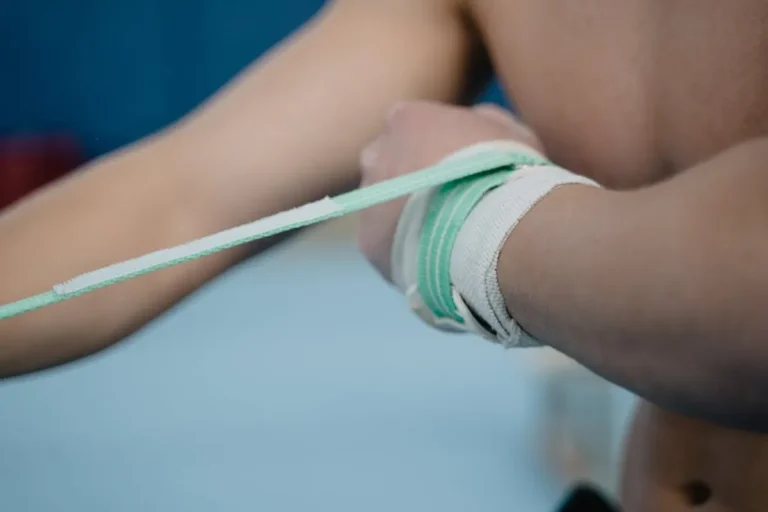
Hand grips protect the palms from friction and tearing, crucial for extended bar work. For beginners, simple palm protectors are often sufficient, but as skills progress, dowel grips become necessary.
- Palm Protectors: Simple leather or synthetic pads that cover the palm, secured with wrist straps. They offer basic protection for conditioning and early skill practice.
- Dowel Grips: These feature a small dowel rod positioned at the base of the fingers, which locks into the bar, reducing grip fatigue and providing a more secure hold. Dowel grips require precise sizing and a break-in period. They are typically made of leather.
Sizing: Correct sizing is critical for grips. Measure from the base of the palm to the tip of the middle finger and consult the manufacturer's sizing chart. Ill-fitting grips can cause discomfort or injury.
Appropriate Attire and Footwear
Comfortable and restrictive-free clothing is essential for gymnastics.
- Leotards: The standard attire, providing a snug fit that allows for full range of motion without snagging. Material blends like spandex and nylon offer flexibility and moisture-wicking properties.
- Shorts/Leggings: Close-fitting athletic shorts or leggings are suitable alternatives, ensuring no loose fabric interferes with movements or apparatus.
- Gymnastics Slippers: Soft, flexible slippers (leather or canvas) offer a layer of protection and a slight grip on surfaces, though many gymnasts prefer to train barefoot for better tactile feedback.
Making Informed Equipment Choices
Selecting the right equipment for a beginner involves balancing several practical factors. Prioritize items that offer versatility and safety for foundational training.
- Space Availability: Measure your training area carefully. Beams and bars require specific footprints, and mats need sufficient space for unfolding and use.
- Budget: Start with essential safety items and one or two foundational apparatus. Quality over quantity is paramount, especially for items that bear body weight or absorb impact.
- Skill Level: Invest in equipment appropriate for current skill sets. A floor beam is more suitable than a high beam for a beginner.
- Safety Certifications: For larger apparatus, look for products that meet safety standards, even for home use. Always follow assembly instructions meticulously.
Focus on acquiring durable, well-constructed items that will support consistent practice and gradual progression. Avoid overly specialized equipment until basic skills are mastered and specific needs become apparent.
Frequently Asked Questions About Beginner Gymnastics Equipment
What's the absolute minimum equipment I need to start gymnastics at home?
For absolute beginners, a quality panel mat for floor work and a low-profile balance beam are the most crucial starting points. These allow for safe practice of basic tumbling, conditioning, and balance exercises without significant investment or space requirements.
How do I ensure the safety of home gymnastics equipment?
Always follow manufacturer assembly instructions precisely, regularly inspect equipment for wear and tear (especially mats, bar rails, and beam coverings), and ensure adequate clear space around all apparatus. Verify weight capacities and never exceed them. Proper supervision is also key for younger gymnasts.
When should I consider upgrading or adding more advanced equipment?
Upgrade or add equipment when a beginner has consistently mastered skills on their current apparatus and demonstrates a clear readiness for the next challenge. For example, moving from a floor beam to a low beam once balance is consistent, or adding a kip bar when ready to attempt pullovers and kips.