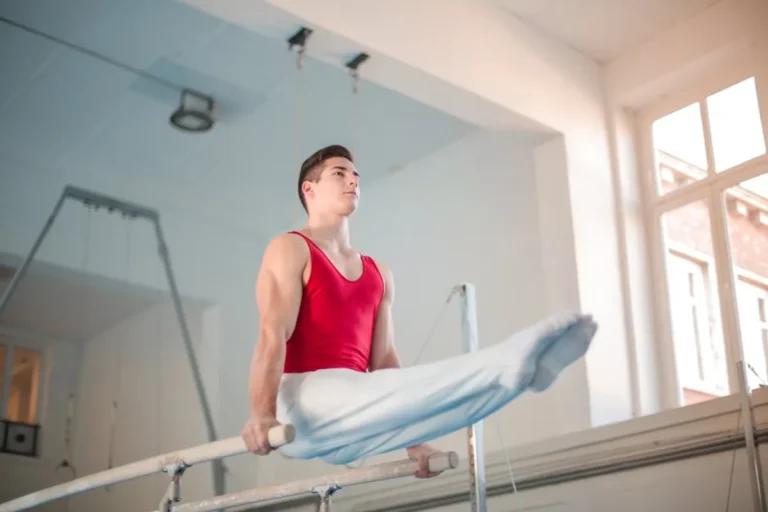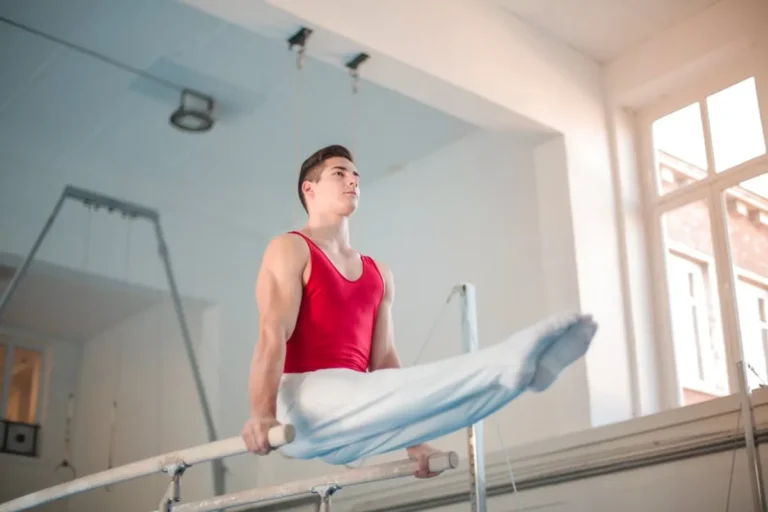
Developing foundational flexibility is a non-negotiable step for anyone beginning gymnastics. This isn't merely about achieving impressive splits or backbends; it's about building a resilient body that can safely execute complex movements, prevent common injuries, and unlock a wider range of skills as you progress. Without a structured approach to flexibility, beginners risk muscle strains, joint instability, and plateaus in their training. This guide outlines the essential principles and practical exercises to establish a safe, effective flexibility routine, ensuring a solid base for your gymnastics journey.
Understanding Gymnastics Flexibility Fundamentals
Flexibility in gymnastics extends beyond simply touching your toes. It encompasses the full range of motion available at a joint, influenced by muscle, tendon, and ligament elasticity, as well as joint structure. Gymnastics demands both passive flexibility (the ability to achieve a stretched position with external help or gravity) and active flexibility (the ability to hold a stretched position using only your own muscle strength). Equally important are dynamic flexibility (movement-based stretching) for warm-ups and static flexibility (holding a stretch) for increasing range of motion.
For gymnasts, specific flexibility targets are crucial for skills like splits, bridges, handstands, and various rotations. For instance, open shoulders are vital for handstands and casts, while deep hip flexibility enables full splits and powerful leaps. Neglecting these foundational elements limits skill acquisition and increases injury risk.
Key Muscle Groups for Gymnastics Flexibility
Targeting specific muscle groups systematically accelerates progress and directly supports gymnastics demands:
- Hamstrings: Essential for forward folds, pike positions, and split variations. Tight hamstrings restrict leg lifts and increase lower back strain.
- Hip Flexors: Crucial for front splits, leg extensions, and maintaining a hollow body position. Restricted hip flexors can pull the pelvis forward, affecting posture.
- Quadriceps: While often associated with strength, quad flexibility supports deep knee bends and backbends by allowing greater knee flexion and extension.
- Shoulders and Chest: Fundamental for overhead positions in handstands, bridges, and various arm movements. Tightness here compromises form and increases shoulder impingement risk.
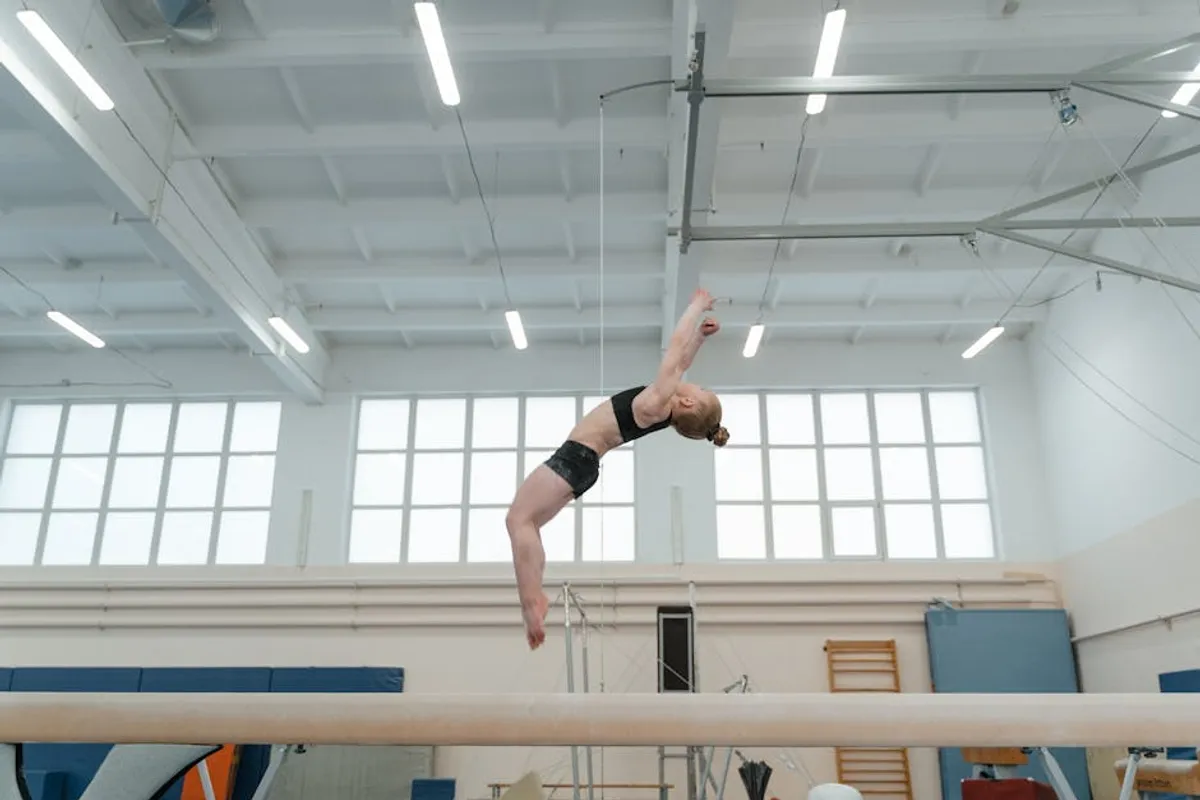
- Spine and Back: Critical for backbends, bridges, and arching movements. A flexible spine allows for smooth, controlled arching and reduces compression.
Establishing a Safe Flexibility Routine
Safety is paramount. A well-structured flexibility routine always begins with a warm-up and concludes with a cool-down. Gradual progression is key; forcing a stretch beyond a comfortable limit is counterproductive and dangerous. Listen to your body, distinguish between a deep stretch sensation and sharp pain, and never bounce into a stretch.
Dynamic Warm-up Drills
Before any static stretching, a dynamic warm-up prepares the body by increasing blood flow, raising muscle temperature, and lubricating joints. This reduces injury risk and improves stretch effectiveness.
- Arm circles (forward and backward): Prepares shoulder joints and surrounding muscles.
- Leg swings (front-to-back and side-to-side): Warms up hip flexors, hamstrings, and abductors.
- Torso twists: Mobilizes the spine and oblique muscles.
- Cat-cow flow: Activates and mobilizes the spine, crucial for back flexibility.
Static Stretching Techniques
Static stretches are held for an extended period to gradually lengthen muscles and increase range of motion. Perform these after your dynamic warm-up or at the end of a workout when muscles are warm.
Hold each static stretch for 20-30 seconds, breathing deeply and relaxing into the stretch. Avoid bouncing, as this can trigger the stretch reflex, causing muscles to contract rather than relax.
Pro Tip: Differentiate between discomfort and pain. A deep stretch might feel intense or uncomfortable, but it should never be sharp, stinging, or cause muscle guarding. If you experience pain, ease out of the stretch immediately. Pushing into pain risks muscle tears and joint damage, setting back your progress.
Essential Beginner Flexibility Exercises
Focus on these foundational stretches to build a comprehensive base for gymnastics.
Lower Body Flexibility
- Straddle Stretch (Pancake): Sit with legs wide, toes pointed up. Hinge from the hips, keeping the back flat, and reach forward. This targets hamstrings, inner thighs, and hip flexors.
- Forward Fold (Pike): Sit with legs together and straight, toes pointed. Hinge from the hips, reaching towards your feet. Focus on keeping the back straight initially, targeting hamstrings and calves.
- Lunge Stretch (Hip Flexor): Kneel on one knee, with the other foot flat on the floor in front, forming a 90-degree angle. Gently push your hips forward. This targets the hip flexors of the back leg.
- Butterfly Stretch: Sit with the soles of your feet together, knees bent out to the sides. Gently press your knees towards the floor. Focus on inner thigh flexibility.
Upper Body and Back Flexibility
- Shoulder Bridge (Gentle Backbend): Lie on your back, knees bent, feet flat on the floor close to your glutes. Lift your hips, creating a gentle arch in your lower back. This introduces spinal extension.
- Cat-Cow Stretch: On hands and knees, alternate between arching your back (cow) and rounding it (cat). This mobilizes the entire spine.
- Chest Opener (Doorway Stretch): Stand in a doorway, place forearms on the frame at shoulder height. Lean forward gently. This targets the chest and anterior shoulder muscles.
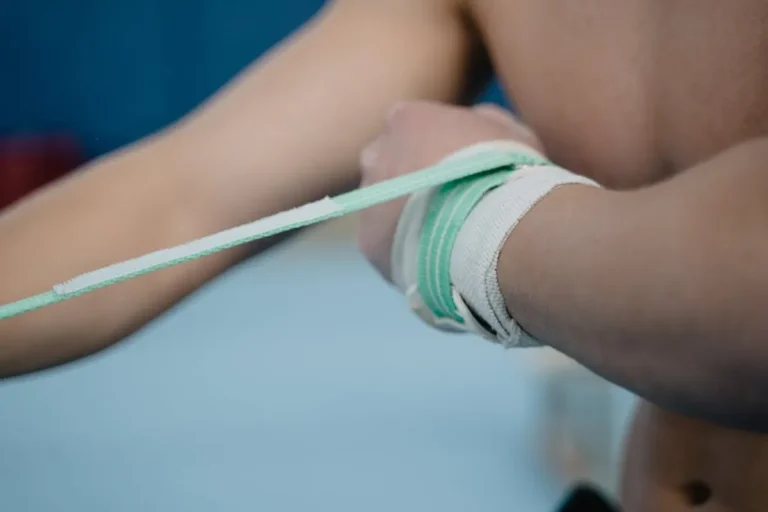
- Wrist Stretches: Crucial for weight-bearing skills. Gently extend and flex wrists, and rotate hands to stretch all aspects of the wrist and forearm.
Integrating Flexibility into a Training Schedule
Consistency is more important than intensity. Aim for frequent, shorter flexibility sessions rather than infrequent, long ones. Many gymnasts integrate dynamic stretches into their warm-up before skill training and static stretches into their cool-down. Dedicating 10-15 minutes daily to static stretching can yield significant results.
Consider a longer, dedicated flexibility session (30-45 minutes) 2-3 times per week, separate from skill training, to focus on deeper stretches and target specific areas requiring more attention. This allows for a more relaxed approach, promoting deeper relaxation into stretches.
Tracking Progress and Adapting Your Routine
Monitor your progress to stay motivated and identify areas for adjustment. Simple metrics include measuring the distance from your chest to the floor in a straddle, or how close you are to achieving a full split. Regularly reassess your range of motion and adjust the intensity or duration of your stretches. As you gain flexibility, you can introduce more advanced variations or longer holds. Patience is a virtue in flexibility training; results accumulate over weeks and months, not days.
Practical Application for Beginners
To effectively build gymnastics flexibility, prioritize daily consistency. Begin every session with a dynamic warm-up, then transition into targeted static stretches. Focus on proper form over depth, ensuring each stretch is felt in the target muscle group without pain. Document your starting points and incrementally challenge your range of motion. This systematic approach establishes a durable foundation, reducing injury risk and accelerating your ability to master more advanced gymnastics skills.
Frequently Asked Questions
Q: How long does it take to become flexible enough for gymnastics?
A: Progress varies significantly based on individual starting flexibility, consistency, and genetics. Most beginners can expect noticeable improvements within 3-6 months of consistent, daily practice, with significant flexibility gains often taking a year or more.
Q: Is it okay to stretch every day?
A: Yes, gentle daily stretching is generally beneficial, especially for static flexibility. Focus on listening to your body; if a muscle group feels sore, give it a day of rest or perform lighter, dynamic stretches instead.
Q: What if I'm naturally inflexible?
A: Everyone can improve their flexibility, regardless of their starting point. Natural inflexibility might mean slower progress, but consistent and correct stretching will still yield results. Focus on gradual, safe progression and celebrate small improvements.