Establishing a home gymnastics practice space requires careful consideration beyond simply acquiring equipment. The primary decisions revolve around ensuring safety, maximizing utility within available space, and matching equipment to the practitioner's current skill level and developmental goals. Each piece of equipment serves a specific function, and selecting the right type and size directly impacts training effectiveness and injury prevention. This guide details the essential categories of gymnastics equipment suitable for home use, outlining key features and practical considerations to inform informed choices.
Essential Equipment Categories for Home Gymnastics
Home gymnastics equipment spans several core categories, each crucial for different aspects of training. Understanding the function and variations within each category is key to building a functional and safe home gym.
Gymnastics Mats: Cushioning and Safety
Mats are foundational for any home gymnastics setup, providing critical cushioning for landings, falls, and floor work. Their primary role is injury prevention, absorbing impact and creating a softer surface than typical home flooring.
- Folding Panel Mats: These multi-section mats fold for storage and portability, making them versatile for various floor exercises, stretching, and light tumbling. They typically range from 1.5 to 2 inches thick, offering moderate impact absorption.
- Crash Mats (Landing Mats): Thicker and softer than panel mats, crash mats are designed for higher impact landings from beams, bars, or vaulting. They are often 4 to 12 inches thick, providing significant shock absorption. Their bulk makes them less portable but essential for advanced skills.
- Incline Mats (Wedge Mats): Shaped like a wedge, these mats assist in learning tumbling progressions such as forward rolls, backward rolls, and walkovers by providing an elevated starting point and a gradual incline.
Considerations: Foam density dictates firmness and durability; higher density foam offers better support but can be less forgiving for hard landings. Vinyl covers are common for durability and ease of cleaning.
Balance Beams: Precision and Stability
Balance beams are central to developing precision, core strength, and balance. Home versions prioritize stability and safety while replicating the feel of competitive equipment.
Types of Beams:
Floor Beams: These beams sit directly on the floor, typically 4 to 8 feet long and 4 inches wide. They are ideal for beginners to practice basic walks, turns, and jumps without the fear of falling from a height. Many are covered in synthetic suede to mimic the texture of competitive beams.
Low Beams: Elevated slightly off the ground (usually 6 to 12 inches), low beams offer a transitional step from floor work to higher beams. They provide a more realistic feel for balance challenges while maintaining a relatively safe height.
Adjustable Height Beams: These versatile beams can be raised or lowered, accommodating different skill levels and growth. They allow progression from low-level practice to heights closer to competitive standards, often up to 24 inches. Stability is paramount for adjustable beams, requiring robust bases.
Considerations: Beam length should match available space. Surface material, such as synthetic suede, offers grip and a familiar feel. Ensure the beam has a wide, stable base to prevent tipping.
Gymnastics Bars: Strength and Technique
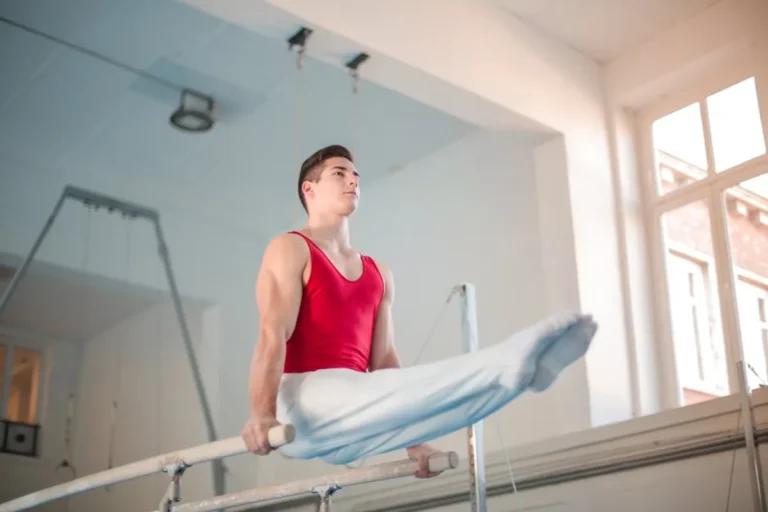
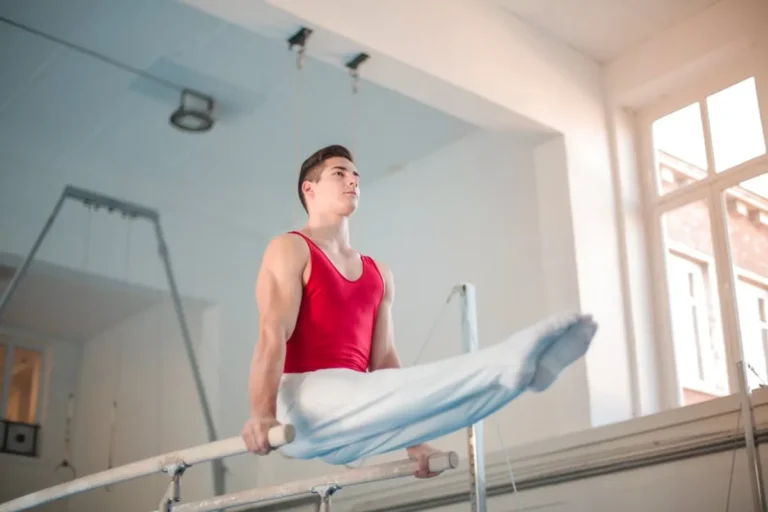
Bars are crucial for developing upper body strength, grip, and specific bar skills like kips, swings, and casts. Home bars must prioritize stability and adjustability.
Types of Bars:
Kip Bars (Junior Training Bars): These freestanding bars are designed for home use, typically featuring a single horizontal bar supported by a stable base. They are adjustable in height, allowing for progression as skills develop. The bar diameter often matches competitive standards for consistent grip training.
Horizontal Bars (High Bars): While full-sized high bars are generally too large and require professional installation for home use, some robust kip bar models can function for more advanced skills if they offer sufficient height and stability. The focus for home practice remains on foundational strength and technique.
Pull-Up Bars: While not specific gymnastics equipment, a sturdy pull-up bar can supplement bar training by building essential upper body and grip strength, which directly translates to gymnastics performance.
Considerations: Stability is critical; look for wide bases and secure locking mechanisms for height adjustments. Bar material (fiberglass, wood, or steel) affects feel and durability. Ensure the weight limit accommodates the practitioner's current and projected weight.
Vaulting Equipment: Power and Approach
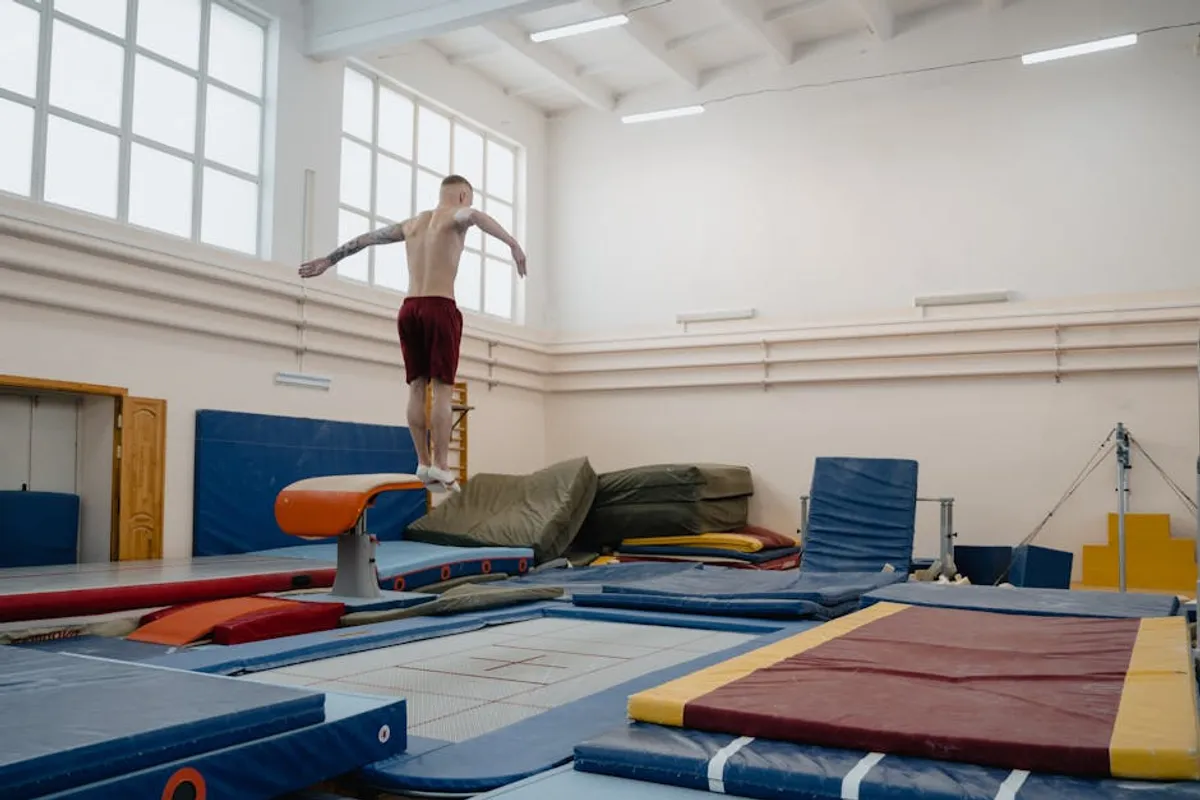
Home vaulting equipment focuses on developing the approach, springboard technique, and pre-vault skills without requiring a full-sized vault table.
Mini-Vaults: These smaller, padded vaulting blocks or tables are designed for practicing vaulting progressions, hand placement, and propulsion. They are lower and often softer than competitive vaults, reducing impact and making skill acquisition safer.
Springboards: Essential for generating height and power, springboards are used in conjunction with vaults or for practicing tumbling take-offs. Home-use springboards are typically smaller and lighter than competitive models but still provide the necessary rebound. Ensure the springboard is appropriate for the practitioner's weight.
Considerations: Always use a crash mat in conjunction with vaulting equipment. Proper technique is paramount to prevent injury, so professional guidance is advisable when introducing vaulting skills.
Training Aids and Accessories
Beyond the core equipment, several accessories can enhance home training, focusing on strength, flexibility, and specific skill development.
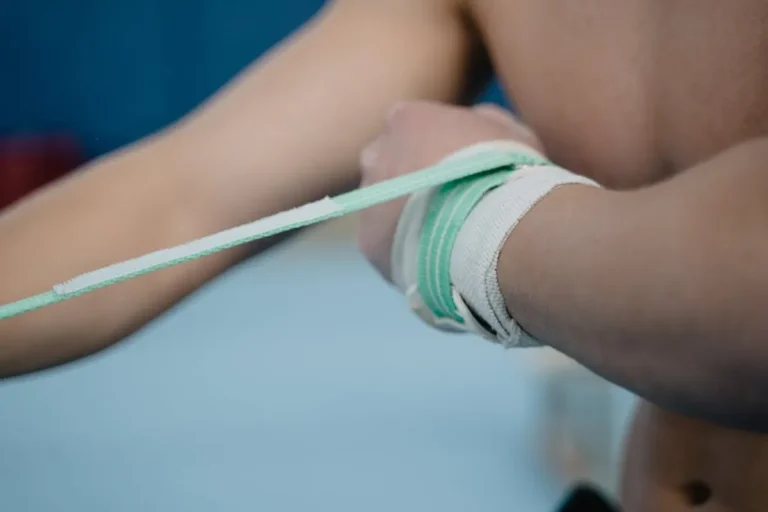
- Resistance Bands: Useful for conditioning, stretching, and adding resistance to bodyweight exercises.
- Handstand Blocks/Canes: Aid in handstand training by providing stable hand placements and reducing wrist strain.
- Stretch Ladders/Strap Systems: Assist in improving flexibility and range of motion.
- Chalk: Improves grip on bars and beams, reducing slippage.
Pro Tip: Before purchasing any home gymnastics equipment, measure your available space precisely. Account for not only the footprint of the equipment but also the necessary clearance around it for safe movement, especially for bars and beams. Consider ceiling height for any standing or elevated skills.
Setting Up Your Home Gymnastics Space
Optimizing your home gymnastics area involves more than just selecting equipment; it requires strategic planning for safety, functionality, and longevity. Begin by designating a clear, unobstructed zone. This area should be free from furniture, sharp objects, or anything that could interfere with movement or cause injury. For equipment like bars and beams, ensure they are placed on a stable, level surface. Uneven flooring can compromise stability and create a hazard.
Prioritize safety by always using appropriate mats under and around any elevated equipment. For instance, a crash mat should be positioned under a kip bar, extending sufficiently to cover potential landing zones. Regularly inspect all equipment for wear and tear, loose bolts, or damaged padding. Adhere to manufacturer guidelines for assembly, use, and maintenance to ensure the equipment remains safe and functional over time. As skills progress, reassess the need for additional padding or more advanced equipment to match evolving training requirements.
Frequently Asked Questions
What is the minimum space required for a home gymnastics setup?
The minimum space depends heavily on the equipment. A small folding mat might only require a 4x6 foot area, while a kip bar with sufficient landing space and an adjustable beam could need an area of 8x10 feet or more, plus adequate ceiling height for overhead movements.
Is it safe to practice gymnastics at home without a coach?
Practicing basic conditioning, stretching, and very foundational skills can be done at home. However, for learning new or complex gymnastics skills, especially those involving height, rotation, or significant impact, supervision from a qualified coach is strongly recommended to ensure proper technique and prevent injury.
What is the most important piece of equipment for a beginner?
For a beginner, a good quality folding panel mat is often the most important initial purchase. It provides a safe surface for stretching, conditioning, and learning basic floor skills. A low or floor balance beam can follow to develop fundamental balance.
How often should home gymnastics equipment be inspected?
Equipment should be inspected before each use for any obvious damage or loose components. A more thorough inspection, checking all bolts, welds, padding, and structural integrity, should be performed monthly or quarterly, depending on usage frequency and intensity.