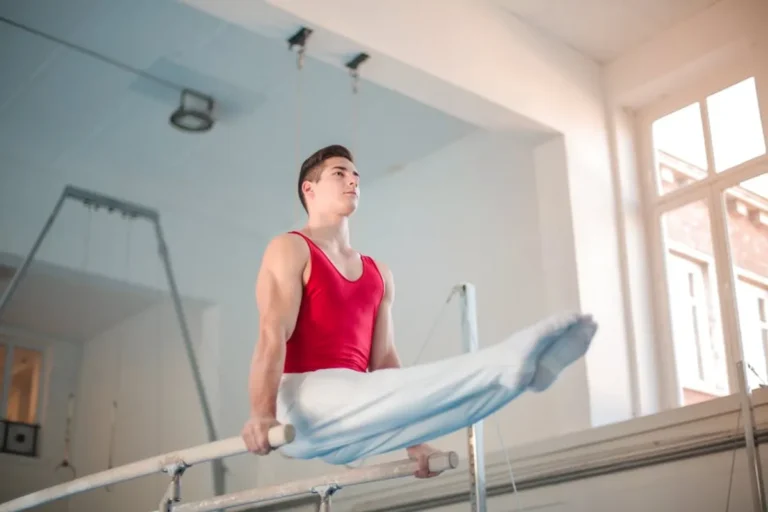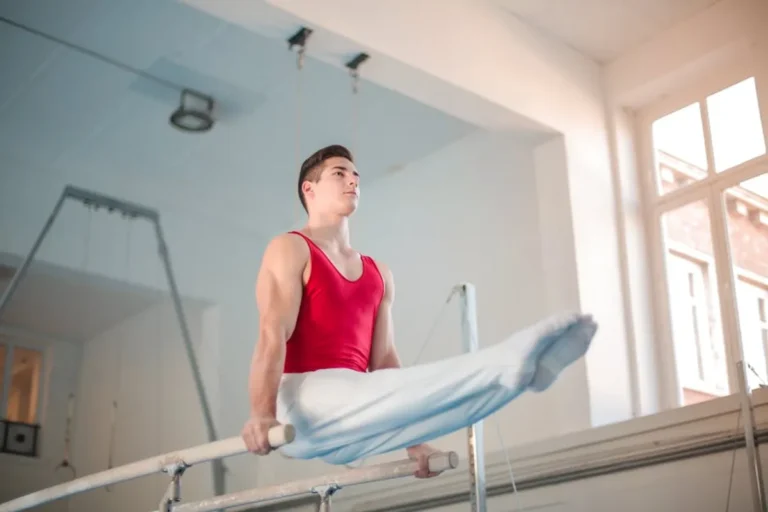

Developing an effective warm-up routine for young gymnasts is not merely a preparatory step; it is a critical investment in their immediate performance, long-term athletic development, and injury prevention. A well-constructed warm-up systematically prepares the body for the specific demands of gymnastics, which include high-impact landings, extreme flexibility, and explosive power. Neglecting this phase increases the risk of muscle strains, joint sprains, and chronic overuse injuries, ultimately hindering progress and potentially shortening a gymnast's career. For coaches, parents, and athletes, understanding the precise components and rationale behind each warm-up element is essential for optimizing training outcomes and ensuring athlete safety. Beyond flexibility and power, strength training can be beneficial for developing the muscles needed for complex gymnastics moves.
Foundational Elements of a Gymnastics Warm-Up
An effective gymnastics warm-up integrates several distinct phases, each serving a specific physiological purpose. These phases progressively prepare the body, moving from general activation to sport-specific readiness.
Pulse Raisers and Light Cardiovascular Activity
The initial phase aims to gradually elevate heart rate, increase blood flow to muscles, and raise core body temperature. This physiological shift improves muscle elasticity and prepares the cardiovascular system for increased exertion. Activities should be low-impact and rhythmic, avoiding sudden bursts of energy that could lead to early fatigue or injury.
- Jogging or Skipping: 3-5 minutes of light, continuous movement around the training area. This primes the major muscle groups and initiates cardiovascular engagement.
- Arm Circles and Swings: Incorporating large, controlled arm movements (forward, backward, cross-body) during light cardio helps lubricate shoulder joints and increase range of motion without undue stress.
- Leg Swings: Gentle, controlled leg swings (forward/backward, side-to-side) improve hip mobility and prepare the hamstrings and hip flexors.
Dynamic Stretching
Dynamic stretching involves moving parts of the body through a full range of motion, progressively increasing reach and speed. Unlike static stretching, which holds a stretch for an extended period, dynamic movements prepare muscles for activity by improving flexibility and mobility simultaneously. This is crucial for gymnastics, where movements are fluid and often require extreme ranges of motion under load.
- Lunges with Torso Twist: Engages hip flexors, quadriceps, and core, while adding a rotational element for spinal mobility.
- Leg Kicks (Front and Side): Controlled kicks that gradually increase height, targeting hamstrings, glutes, and hip abductors/adductors.
- Cat-Cow Stretch: Improves spinal flexibility and core awareness, essential for arching and hollowing positions.
- Inchworm: A full-body dynamic movement that stretches hamstrings, calves, and shoulders while activating the core.
- Wrist and Ankle Rotations: Small, controlled circles to mobilize these critical joints, which bear significant load and impact in gymnastics.
Gymnastics-Specific Activation and Mobility
This phase focuses on movements that mimic or directly contribute to the skills performed in gymnastics. It activates specific muscle groups and neural pathways, enhancing proprioception and preparing the body for the unique demands of the sport.
- Hollow Body and Arch Holds: Fundamental core strength and body control exercises. Holding these positions for short durations (10-15 seconds) activates the deep core muscles.
- Shoulder Shrugs and Rotations: Prepares the shoulder girdle for weight-bearing and overhead movements.
- Handstand Holds (against a wall or assisted): Brief inversions to acclimate the body to weight distribution and build upper body stability required for handstands and tumbling.
- Bridge Ups: Activates glutes and hamstrings, while also improving spinal extension and shoulder flexibility.
- Relevés (Calf Raises): Strengthens ankles and calves, crucial for landings and springing.
Pro Tip: Prioritize individual athlete feedback over a rigid, one-size-fits-all routine. A warm-up is effective only if it addresses the specific needs and current physical state of each gymnast, especially concerning previous injuries, areas of tightness, or specific apparatus training for the day. Regular communication between coaches and athletes ensures the warm-up remains relevant and beneficial.
Structuring the Warm-Up Session
The overall structure of a warm-up routine should be logical and progressive. A typical session for young gymnasts might last between 15 to 25 minutes, depending on the age group, skill level, and the intensity of the main training session. Younger athletes may benefit from slightly longer, more playful warm-ups to maintain engagement, while older, more experienced gymnasts can execute precise movements more efficiently.
The progression should move from general to specific: begin with light cardio, transition to dynamic flexibility, then incorporate sport-specific activation. The intensity should gradually increase, culminating in movements that are challenging but not fatiguing. This systematic approach minimizes injury risk by ensuring all systems are primed before complex or high-impact skills are attempted.
Critical Warm-Up Mistakes to Avoid
Even with good intentions, several common errors can undermine the effectiveness of a gymnastics warm-up, potentially increasing injury risk or limiting performance gains.
Static Stretching Before Activity: Holding static stretches for extended periods (e.g., 30+ seconds) before intense activity can temporarily decrease muscle power and strength. While static stretching is beneficial for improving long-term flexibility, it is best reserved for the cool-down phase, after training.
Rushing the Warm-Up: Inadequate warm-up time prevents the body from reaching optimal physiological readiness. Muscles remain cold, joints stiff, and neural pathways unprimed, making them more susceptible to injury during demanding gymnastics movements.
Ignoring Athlete Feedback: Young gymnasts may experience specific areas of tightness, soreness, or even minor pain. A warm-up should be flexible enough to address these individual needs. Dismissing feedback can lead to exacerbating existing issues.
Lack of Consistency: An effective warm-up is a consistent practice. Sporadic or inconsistent warm-ups diminish their preventative and performance-enhancing benefits. Establishing a routine and adhering to it reinforces its importance.
Over-Fatiguing During Warm-Up: The warm-up's purpose is preparation, not exhaustion. Movements should be controlled and purposeful, not performed at maximum effort. Excessive intensity during the warm-up can deplete energy reserves needed for the main training session.
Implementing and Refining Warm-Up Protocols
For coaches and parents, the practical application of these warm-up principles involves consistent education and observation. Coaches should clearly explain the 'why' behind each exercise, fostering a deeper understanding and commitment from young athletes. Observing gymnasts during the warm-up helps identify compensation patterns, areas of stiffness, or movements performed incorrectly, allowing for immediate correction and personalization.
Periodically reviewing and adapting the warm-up routine based on the training cycle, specific apparatus focus, or individual athlete progression ensures its continued relevance and efficacy. For instance, a warm-up before a beam-intensive session might include more balance and ankle stability work, while a tumbling session would emphasize core and leg power activation. This dynamic approach ensures the warm-up remains a vital tool for performance enhancement and injury mitigation.
Frequently Asked Questions
How long should a gymnastics warm-up last for young athletes?
A typical warm-up for young gymnasts usually ranges from 15 to 25 minutes. The duration depends on factors like the athlete's age, skill level, and the intensity of the upcoming training session. Younger athletes might benefit from slightly longer, more engaging routines.
Is static stretching beneficial before gymnastics training?
No, static stretching (holding a stretch for an extended period) is generally not recommended before gymnastics training. It can temporarily reduce muscle power and strength. Dynamic stretching, which involves movement through a range of motion, is preferred pre-activity to improve flexibility and prepare muscles for action. Static stretching is best reserved for the cool-down phase.
What if a gymnast has a specific tight area or minor ache?
Coaches should encourage gymnasts to communicate any tightness or minor aches. The warm-up can then be tailored to address these specific areas with more targeted dynamic movements or gentle mobility exercises. Ignoring such feedback can exacerbate minor issues into more significant injuries.
Should the warm-up change for different gymnastics apparatus?
Yes, while a general warm-up foundation remains consistent, it is beneficial to include apparatus-specific elements. For example, a warm-up before vault training might include more plyometric jumps, while a beam session could focus more on ankle stability and balance exercises. This targeted approach ensures optimal preparation for the specific demands of each event.