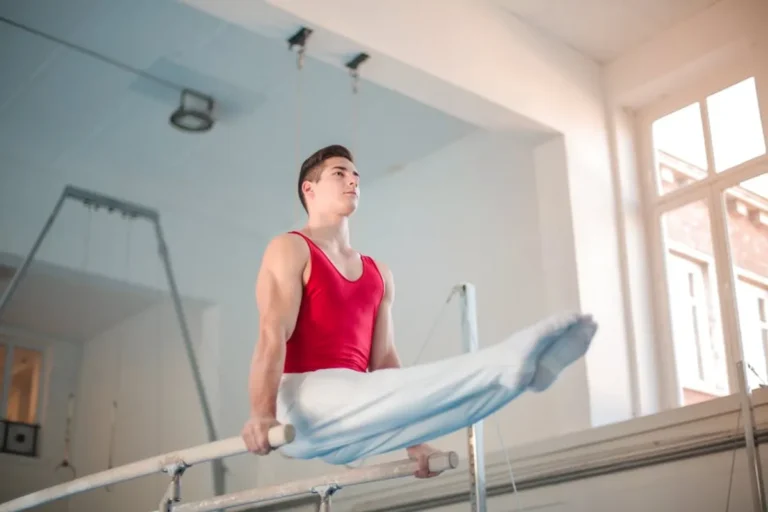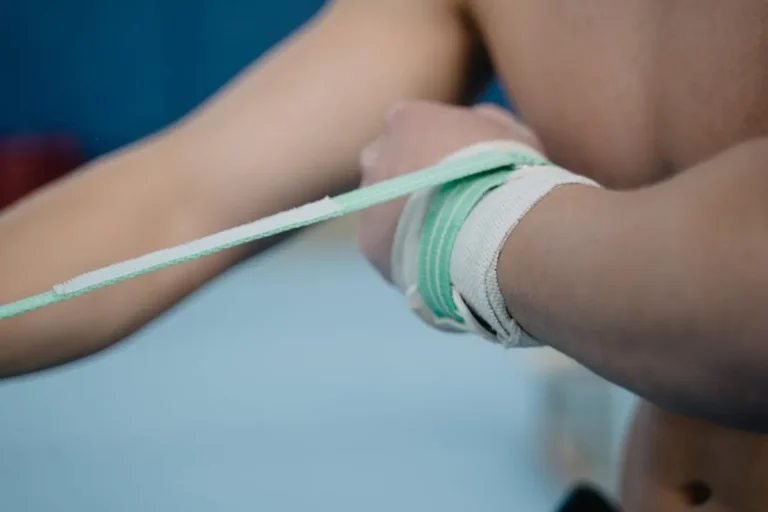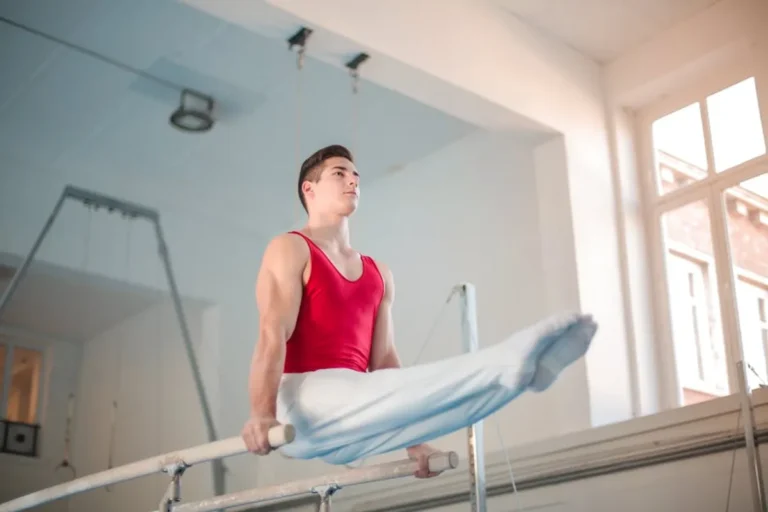
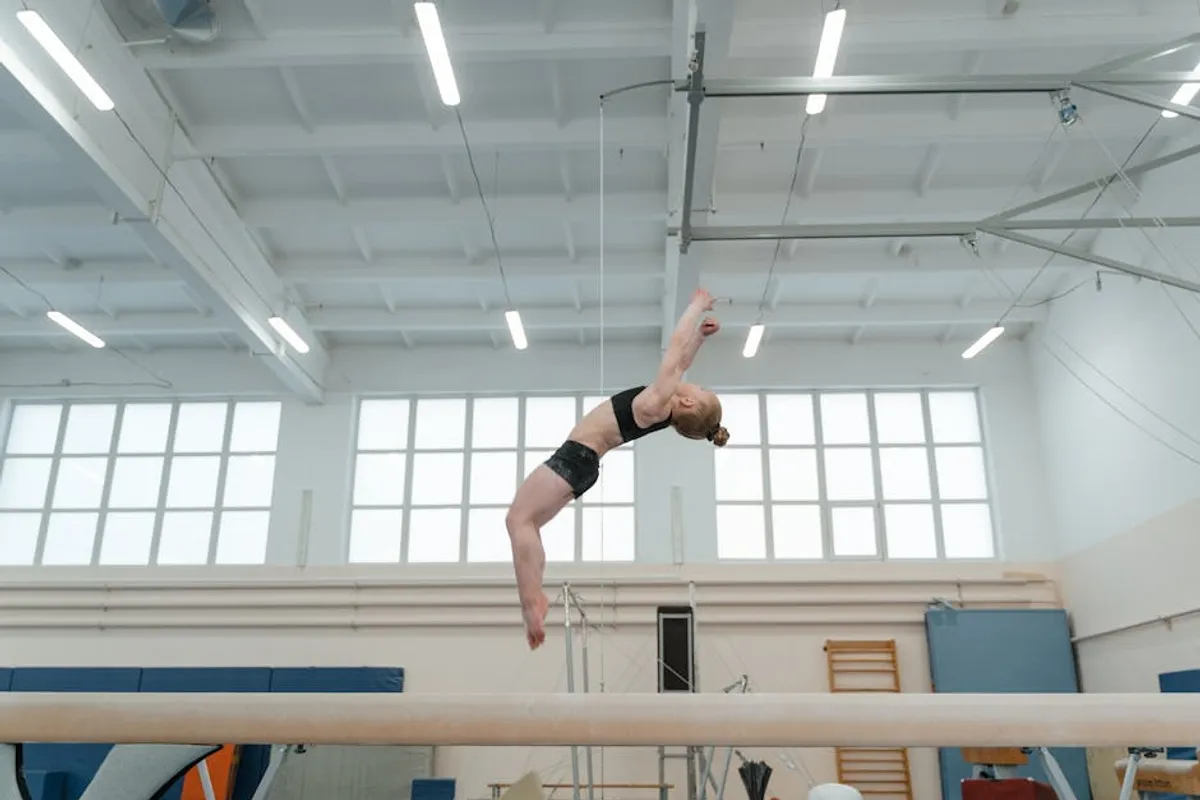
Beginning a gymnastics journey requires a structured approach focused on safety, fundamental strength, and progressive skill acquisition. For those new to the sport, understanding where to direct initial efforts is crucial for building a solid foundation, preventing injury, and ensuring sustained progress. This guide outlines essential training tips for beginners, emphasizing core physical development and the systematic introduction of basic gymnastic movements.
Establishing Foundational Strength
Gymnastics demands a high degree of body control and power. Developing foundational strength is not merely about lifting heavy weights, but about mastering the ability to move and stabilize one's own body weight through various planes of motion. This initial phase builds the necessary physical resilience for more complex skills.
Core Stability and Control
A strong core is the bedrock of all gymnastic movements, providing stability for the spine and transferring power efficiently between the upper and lower body. Without adequate core strength, beginners risk injury and inefficient movement patterns.
- Planks: Front planks, side planks, and reverse planks build isometric strength across the entire core musculature, teaching the body to maintain a rigid, neutral spine under tension. Hold for 30-60 seconds, focusing on maintaining a straight line from head to heels.
- Hollow Body Holds: This exercise is foundational for virtually every gymnastics skill, from handstands to swings on bars. It develops the ability to maintain a rounded lower back, engaging the deep abdominal muscles. Lie on your back, lift your head and shoulders off the floor, and extend arms and legs, keeping your lower back pressed to the ground. Hold for 20-40 seconds.
- Superman Holds: Counterbalancing the hollow body, superman holds strengthen the posterior chain, including the lower back, glutes, and hamstrings. Lie face down, lift arms, chest, and legs simultaneously, engaging the back muscles. Hold for 20-40 seconds.
Upper Body Development
Upper body strength is critical for supporting body weight in various positions, essential for skills like handstands, pull-overs, and tumbling passes. Focus on exercises that build both pushing and pulling strength.
- Push-ups: Start with knee push-ups or incline push-ups if full push-ups are too challenging. Focus on a full range of motion, lowering the chest close to the ground and fully extending the arms. This builds chest, shoulder, and triceps strength.
- Pull-up Negatives: If you can't perform a full pull-up, jump or use a box to get to the top position (chin above the bar) and slowly lower yourself down, controlling the descent for 3-5 seconds. This builds eccentric strength, crucial for eventually performing full pull-ups.
- Scapular Shrugs (Hanging): Hanging from a bar, initiate movement by depressing and retracting your shoulder blades, lifting your body slightly without bending your elbows. This strengthens the muscles responsible for shoulder stability and control, vital for bar work and handstands.
Lower Body Power and Flexibility
The lower body provides the explosive power for jumps, landings, and tumbling, while also requiring significant flexibility for splits and range of motion. Training should encompass both strength and dynamic flexibility.
- Squats and Lunges: Bodyweight squats and lunges build strength in the quadriceps, hamstrings, and glutes. Focus on depth and controlled movement, ensuring knees track over toes. These are fundamental for absorption during landings and propulsion during take-offs.
- Calf Raises: Essential for powerful take-offs and maintaining balance on the balls of the feet. Perform standing calf raises, focusing on a full extension and controlled lowering.
- Bridge Holds: Lying on your back with knees bent, lift your hips off the ground, squeezing your glutes. This strengthens the glutes and lower back while also promoting hip flexor flexibility, crucial for back flexibility and leg lifts.
Prioritizing Flexibility and Mobility
Flexibility is not merely about achieving splits; it's about optimizing joint range of motion and muscle elasticity, which directly impacts skill execution and injury prevention. Incorporate both static and dynamic stretching.
Static Stretching Fundamentals
Static stretches involve holding a stretch for an extended period, typically 20-60 seconds, to increase passive range of motion. Perform these after a warm-up or at the end of a training session when muscles are warm.
- Hamstring Stretches: Seated forward folds, standing toe touches. Important for tumbling, jumps, and leg swings.
- Hip Flexor Stretches: Kneeling lunges, pigeon pose. Crucial for hip mobility, back flexibility, and preventing anterior pelvic tilt.
- Shoulder Flexibility: Shoulder dislocates with a resistance band, overhead arm raises. Essential for handstands, bridges, and bar work.
- Back Flexibility: Cat-cow stretches, gentle backbends. Supports bridging and back tumbling skills.
Dynamic Warm-ups
Dynamic stretches involve movement and mimic the actions of the upcoming workout. They prepare the body for activity by increasing blood flow, raising body temperature, and improving joint lubrication.
- Leg Swings: Forward/backward and side-to-side leg swings to open up the hips and hamstrings.
- Arm Circles: Forward and backward arm circles to warm up the shoulders and upper back.
- Torso Twists: Gentle rotational movements to mobilize the spine.
Mastering Basic Skills and Drills
Once foundational strength and flexibility are in place, beginners can start introducing basic gymnastic skills. The focus here is on proper technique and control, not speed or power.
Body Control and Balance
These skills build proprioception (awareness of body position in space) and confidence.
- Forward and Backward Rolls: Learn to roll smoothly and safely, protecting the neck. These teach body awareness and how to absorb impact.
- Handstand Holds (against a wall): Start by kicking up to a wall, holding for short durations. Focus on a straight body line, engaged core, and active shoulders. This builds strength, balance, and spatial orientation.
- Cartwheels (assisted): Initially, practice the hand placement and leg drive with a spotter or against a soft surface. Focus on a straight body line through the handstand phase and controlled landing.
Entry-Level Conditioning Circuits
Combine strength, flexibility, and light cardio into circuits to improve overall fitness and endurance specific to gymnastics.
Example Circuit (perform 2-3 rounds with 60-90 seconds rest between rounds):
- Plank Hold: 30 seconds
- Bodyweight Squats: 10 repetitions
- Hollow Body Hold: 20 seconds
- Push-ups (modified as needed): 8 repetitions
- Superman Hold: 20 seconds
- Lunges (each leg): 8 repetitions
Safety Protocols and Progressive Overload
Gymnastics, while rewarding, carries inherent risks. Adhering to safety protocols and understanding progressive overload principles are non-negotiable for beginners.
The Importance of Proper Spotting and Coaching
Attempting complex skills without qualified instruction is dangerous. A skilled coach provides critical feedback, ensures correct form, and offers physical spotting to prevent falls and injuries. Their expertise guides progression safely and efficiently.
Pro Tip: Never attempt advanced gymnastic skills without direct supervision from a certified coach. Incorrect technique or insufficient preparation significantly increases the risk of serious injury, especially to the spine, wrists, and ankles. Invest in professional guidance from the outset.
Listening to Your Body and Rest
Overtraining is a common pitfall for enthusiastic beginners. Muscles need time to repair and grow stronger. Ignoring pain signals can lead to chronic injuries and burnout. Prioritize adequate sleep (7-9 hours), balanced nutrition, and active recovery days (light stretching, walking) to support your training. Incorporating proper flexibility training techniques enhances overall performance and reduces injury risk.
Sustaining Your Gymnastics Journey
Beginning gymnastics is a marathon, not a sprint. Consistency, patience, and a positive mindset are as crucial as physical training. Celebrate small victories, remain open to feedback, and understand that progress is rarely linear. The journey involves continuous learning and adaptation. By focusing on fundamental strength, flexibility, and safety under professional guidance, beginners establish a robust platform for long-term participation and enjoyment in gymnastics.
Frequently Asked Questions
How often should a beginner train for gymnastics?
For beginners, 2-3 times per week is a good starting point, allowing for adequate rest and recovery between sessions. As strength and conditioning improve, this can gradually increase.
What equipment do I need to start gymnastics?
Initially, very little. Comfortable athletic clothing is essential. Access to a mat, a pull-up bar, and potentially resistance bands are beneficial. Most crucial is access to a qualified gymnastics facility with appropriate equipment and coaching.
Is it too late to start gymnastics as an adult?
No, it is never too late. Many adults successfully take up gymnastics, focusing on foundational skills, strength, and flexibility. The progression might be slower than for children, but the benefits for strength, balance, and coordination are significant.
How long until I see progress in gymnastics?
Visible progress in strength and flexibility can often be noticed within 4-6 weeks of consistent training. Mastering specific skills, however, can take months or even years, depending on the skill and individual dedication.