Embarking on a gymnastics journey requires more than enthusiasm; it demands a disciplined approach to physical conditioning, safety, and progressive skill acquisition. For beginners, establishing a robust foundation in strength, flexibility, and body awareness is paramount. This foundational work not only prevents injury but also accelerates the learning curve for more complex movements, ensuring sustainable progress and a rewarding experience.
Prioritizing Foundational Strength and Flexibility
The bedrock of all gymnastics skills is a combination of specific strength and extensive flexibility. Neglecting these areas leads to plateaus, increased injury risk, and frustration. Initial training must heavily emphasize these components.
Core Stability and Control
A strong, stable core is critical for transferring power, maintaining balance, and executing precise movements. Beginners should focus on exercises that teach active core engagement:
- Hollow Body Holds: Lie on your back, flatten your lower back to the floor, extend arms overhead and legs straight, then lift shoulders and legs slightly off the ground, holding the position. This is the fundamental shape for many gymnastic skills.
- Planks: Maintain a straight line from head to heels, engaging the glutes and abs, avoiding hip sag or pike. Progress from forearm planks to straight-arm planks.
- Arch Body Holds: The inverse of the hollow body, lying on your stomach and lifting arms and legs simultaneously, engaging the posterior chain. This builds crucial back strength.
Upper Body Strength Development
Upper body strength is essential for hanging, supporting body weight, and pushing movements. Focus on controlled, full-range-of-motion exercises:
- Push-ups: Start on knees if necessary, ensuring the chest touches the ground and elbows stay relatively close to the body. Aim for clean repetitions before increasing volume.
- Assisted Pull-ups/Chin-ups: Use a resistance band or a spotter to gradually build the strength required for unassisted pull-ups. Focus on activating the lats and retracting the shoulder blades.
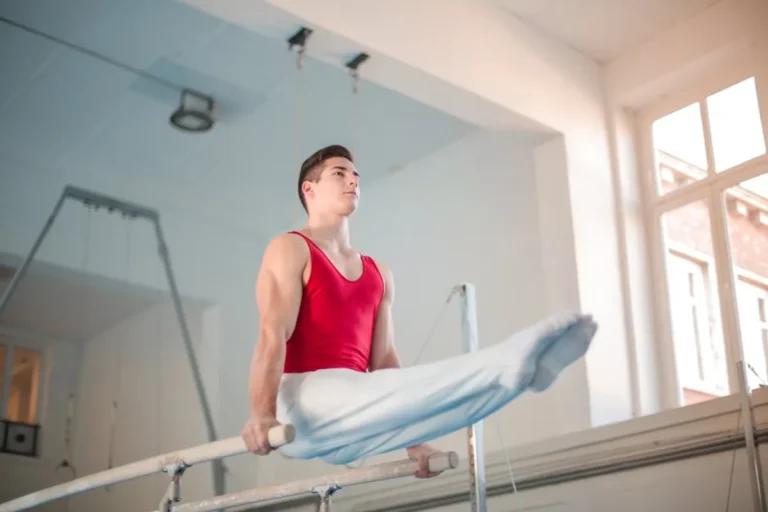
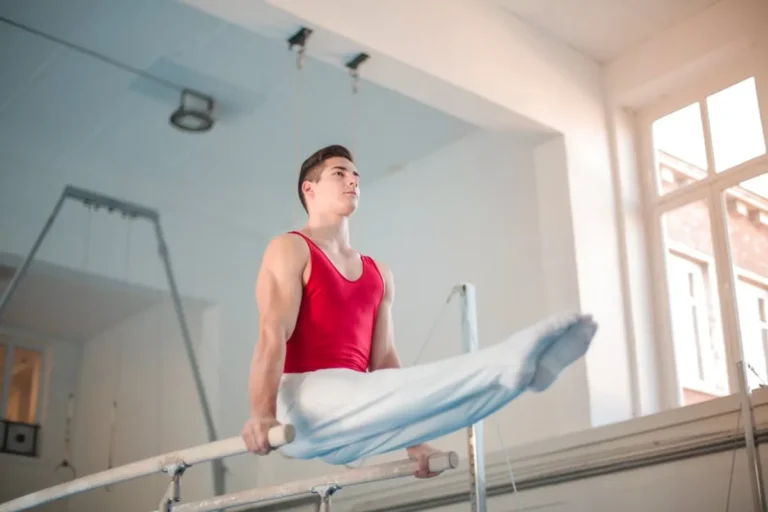
- Dips: Start with parallel bar dips or bench dips, controlling the eccentric (lowering) phase.
Lower Body Power and Stability
While often overlooked, strong legs are vital for explosive tumbling, vaulting, and stable landings. Incorporate exercises that build power and balance:
- Squats: Bodyweight squats, ensuring depth (hips below knees) and maintaining an upright torso.
- Lunges: Forward and reverse lunges to build unilateral leg strength and stability.
- Calf Raises: Essential for ankle stability and explosive push-off.
Dynamic and Static Flexibility
Flexibility training should be integrated into every session. Dynamic stretches prepare the body for movement, while static stretches improve range of motion post-workout.
- Dynamic Warm-up: Leg swings (front-to-back, side-to-side), arm circles, torso twists.
- Static Stretches: Hold stretches for 20-30 seconds, focusing on pike (hamstrings), straddle (inner thighs), and bridge progressions (shoulders, back, hip flexors). Consistency is key to increasing range of motion safely.
Mastering Basic Gymnastics Shapes and Positions
Before attempting complex skills, beginners must internalize fundamental body shapes. These shapes are the building blocks, ensuring proper technique and safety.
The Hollow Body and Arch Body
These two opposing shapes form the core of most gymnastics movements, from swings on bars to handstands and tumbling. Consistent practice of hollow and arch holds on the floor translates directly to better control in motion.
Handstand Preparation
The handstand is a foundational skill requiring a combination of strength, balance, and body awareness. Beginners should start with progressive exercises:
- Shoulder Shrugs in Handstand: Against a wall, push through the shoulders to elevate the body.
- Wall Handstands: Facing the wall or back to the wall, holding for increasing durations. Focus on a straight body line, engaged core, and active shoulders.
- Pike Handstand Holds: Feet on an elevated surface, hands on the floor, forming an inverted V-shape.
Bridge Progression
A full bridge demonstrates significant shoulder, back, and hip flexibility, crucial for back handsprings and other advanced skills. Beginners should work through:
- Lying Bridge: Lifting hips off the floor.
- Wall Bridge: Walking hands down a wall.
- Assisted Bridge: With a spotter, or gradually pushing up from the floor.
Progressive Skill Development and Safety Protocols
Once foundational strength and shapes are established, beginners can begin learning basic gymnastics skills. This must always occur under qualified supervision.
Starting with Fundamentals
Initial skills focus on body control, spatial awareness, and safe falling techniques:
- Forward Rolls: Tucking the head, rounding the back, and rolling smoothly.
- Backward Rolls: Similar to forward rolls but moving backward, requiring more core control.
- Cartwheels: Learning the hand-hand-foot-foot sequence, maintaining a straight body line through the inverted phase.
Spotting and Qualified Supervision
Learning gymnastics without a qualified coach is dangerous. A coach provides essential spotting, corrects form, and ensures a safe training environment. They introduce skills progressively, matching the athlete's readiness.
Pro Tip: Consistent, moderate training sessions yield superior long-term results compared to sporadic, intense efforts. Prioritize daily mobility and foundational strength work over attempting advanced skills prematurely. Rest and recovery are as crucial as the training itself for muscle adaptation and injury prevention.
Equipment Considerations
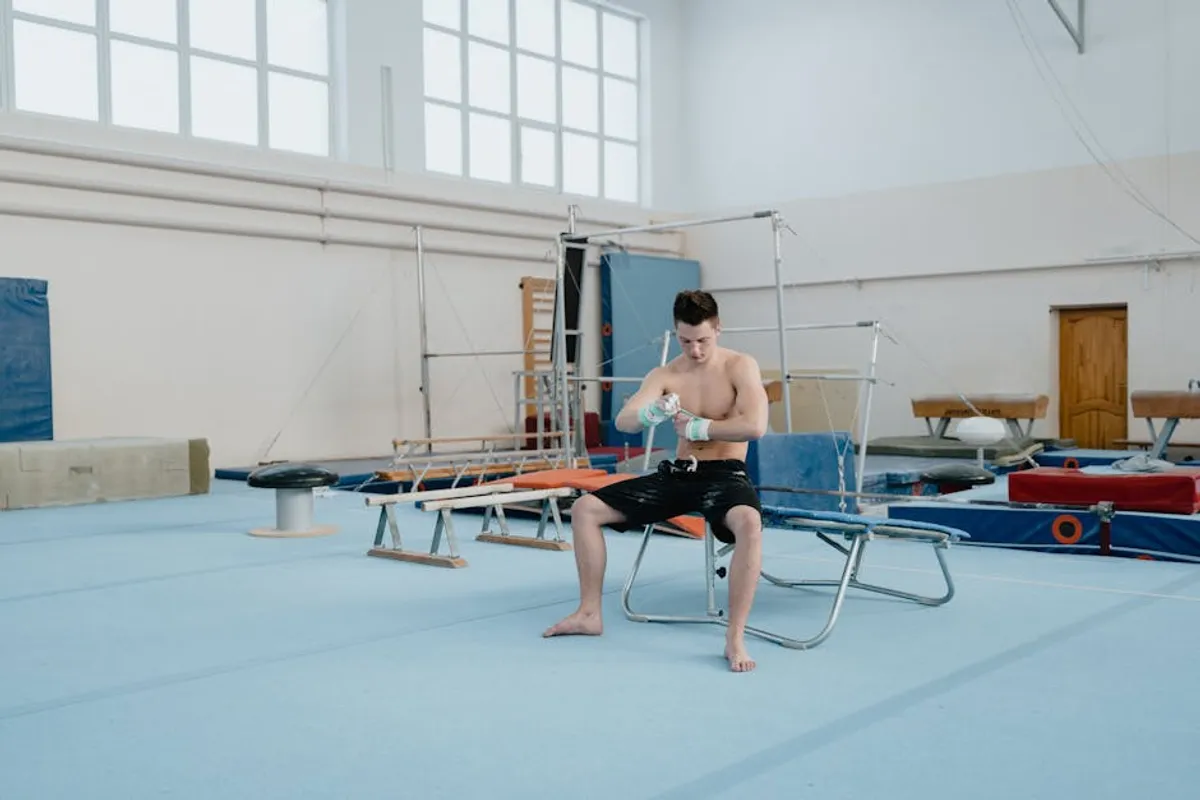
For beginners, minimal equipment is needed, but safety remains paramount. Training should occur on appropriate surfaces:
- Matting: Use crash mats or panel mats for all floor skills to absorb impact and prevent injury.
- Appropriate Attire: Comfortable, form-fitting clothing that allows full range of motion without snagging.
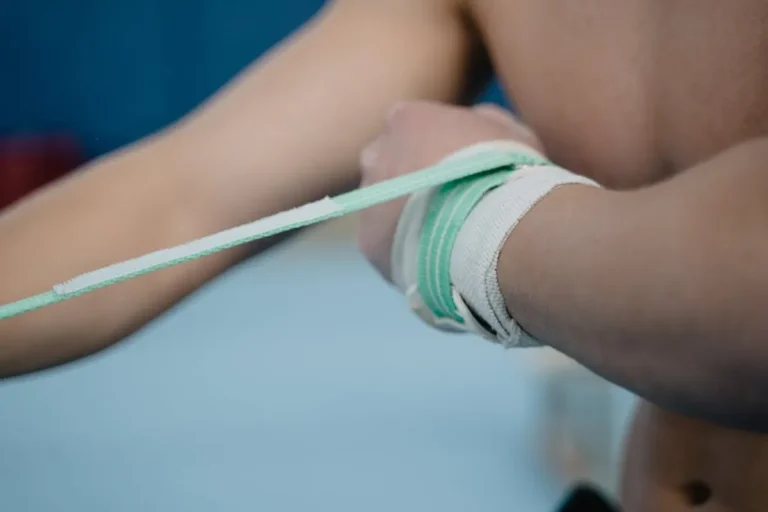
- Chalk: For grip on bars, if applicable, but not essential for initial floor work.
Structuring Your Training Routine
An effective beginner gymnastics routine balances skill work with conditioning, flexibility, and adequate rest. Consistency is more valuable than intensity in the initial stages.
Warm-up and Cool-down
Every session must begin with a dynamic warm-up (10-15 minutes) to elevate heart rate and prepare muscles, and conclude with a static cool-down (10-15 minutes) to improve flexibility and aid recovery.
Frequency and Duration
For beginners, 2-3 sessions per week, each lasting 60-90 minutes, is a realistic starting point. This allows for sufficient practice and recovery. As strength and endurance improve, duration or frequency can gradually increase.
Listening to Your Body
Pain is a signal to stop. Differentiating between muscle soreness (DOMS) and joint pain or sharp discomfort is crucial. Overtraining leads to injury and burnout. Prioritize proper form over pushing through pain.
A balanced beginner routine should incorporate:
- Dynamic Warm-up: 10-15 minutes of light cardio and dynamic stretches.
- Conditioning (Strength): 20-30 minutes focusing on hollow/arch holds, planks, push-ups, squats.
- Skill Work: 20-30 minutes on rolls, cartwheels, handstand drills.
- Flexibility (Static): 10-15 minutes of targeted stretches for pike, straddle, bridge.
- Cool-down: 5 minutes of light movement and breathing.
Practical Next Steps for Aspiring Gymnasts
Starting gymnastics as a beginner is a commitment to a challenging yet rewarding discipline. The most effective path involves methodical progression, unwavering attention to safety, and the guidance of experienced professionals. Focus on building a robust physical foundation, mastering basic body shapes, and approaching new skills with patience and precision. Celebrate incremental improvements and maintain a long-term perspective on your development. The journey in gymnastics is continuous, built on consistent effort and a dedication to fundamental principles.
Frequently Asked Questions
How often should a beginner train for gymnastics?
Beginners should aim for 2-3 structured training sessions per week, each lasting 60-90 minutes, to allow for adequate practice and recovery without overtraining. To further enhance your performance and prevent injuries, consider a dedicated resource for improving flexibility for gymnastics.
What age is too old to start gymnastics?
There is no definitive "too old" age to start gymnastics. While competitive elite gymnastics often begins young, adults can start at any age to improve strength, flexibility, coordination, and body awareness, focusing on personal development rather than competition.
Do I need special equipment to start gymnastics?
For initial training, especially at home, minimal equipment is needed beyond comfortable athletic wear and a safe, padded surface (like a mat). However, formal training at a gym will utilize specialized equipment under supervision.
How long does it take to see progress in gymnastics?
Visible progress in gymnastics can vary significantly based on individual dedication, prior fitness levels, and consistency. Beginners typically see improvements in strength and flexibility within 4-8 weeks, with basic skills like rolls and cartwheels becoming more fluid after several months of consistent practice.