In gymnastics, the debate between prioritizing strength and flexibility is a perennial one for athletes, coaches, and parents. It’s not a binary choice, but rather a spectrum where the optimal balance shifts based on the specific discipline, individual body mechanics, and developmental stage. Understanding the distinct contributions of each, and their synergistic relationship, is crucial for maximizing performance, minimizing injury risk, and achieving the aesthetic and technical demands of the sport. Developing a comprehensive understanding of the exact strength training for gymnasts can significantly enhance their overall capabilities.
The Foundational Role of Strength in Gymnastics
Strength in gymnastics is not merely about raw power; it encompasses muscular endurance, isometric control, and explosive force generation. It forms the bedrock upon which all complex skills are built and sustained.
Power Generation and Skill Execution
The ability to generate significant force rapidly is indispensable for dynamic elements. Think of vaulting, tumbling passes, or intricate releases on the uneven bars. A gymnast needs the requisite strength to propel their body, absorb impact, and control rotations. Without adequate strength, skills become inconsistent, inefficient, and often unsafe. For instance, a powerful leg drive is essential for a clean Yurchenko vault, while upper body and core strength are critical for maintaining a stable handstand or executing a flawless giant on the high bar.
Injury Prevention and Joint Stability
Strength training fortifies the muscles, tendons, and ligaments surrounding joints, providing crucial stability. This is particularly vital in a sport characterized by high-impact landings, extreme ranges of motion, and sustained static holds. Strong core musculature protects the spine, while developed shoulders, hips, and knees reduce the likelihood of sprains, strains, and overuse injuries. For example, robust hamstring and glute strength protects the knees during tumbling, and shoulder girdle strength prevents impingement during overhead movements.
Endurance for Complex Routines
Gymnastics routines are not just about individual skills; they are sequences of demanding movements performed under continuous tension. Muscular endurance, a facet of strength, allows gymnasts to maintain form, power, and control throughout an entire routine without significant fatigue. This directly impacts scoring, as judges penalize visible signs of struggle or breakdowns in technique due to exhaustion. A gymnast performing a floor routine needs to execute multiple tumbling passes, jumps, and turns with consistent energy from start to finish.
The Indispensable Nature of Flexibility
Flexibility, often characterized by extreme ranges of motion, is equally non-negotiable in gymnastics. It allows for the intricate, aesthetically pleasing positions and the full execution of technically demanding elements.
Range of Motion for Aesthetic and Technical Demands
Gymnastics places a premium on fluidity, line, and amplitude. Extreme flexibility, such as full splits, deep backbends, or hyper-extended leg lifts, enables gymnasts to achieve the iconic shapes and positions that define the sport. Beyond aesthetics, this range of motion is technically necessary for many skills. A full split is not just for show; it's fundamental for landing positions, leaps, and turns that require maximum extension and articulation. Without it, skills appear incomplete and deductions accrue.
Enhancing Skill Progression and Difficulty
Many advanced gymnastic skills are simply unattainable without a high degree of flexibility. Consider a needle scale, a triple pirouette, or certain release moves on bars that require significant shoulder and back mobility. Flexibility allows the body to move through complex planes and positions that would otherwise be restricted, opening the door to higher difficulty values and more innovative choreography. It enables a gymnast to achieve the full rotation or extension required to meet specific code of points criteria.
Recovery and Muscle Health
Regular flexibility work contributes to muscle health by improving circulation, reducing muscle stiffness, and aiding in post-training recovery. It can help alleviate muscle soreness and prevent the development of muscular imbalances that might lead to injury over time. Maintaining a good range of motion also supports the body's ability to return to a neutral, balanced state after intense exertion, promoting overall physical longevity in the sport.
The Interplay: When One Supports the Other
The true mastery in gymnastics lies not in excelling at strength or flexibility in isolation, but in their seamless integration. These two physical attributes are interdependent, with deficiencies in one often limiting the potential of the other.
Dynamic vs. Static Applications
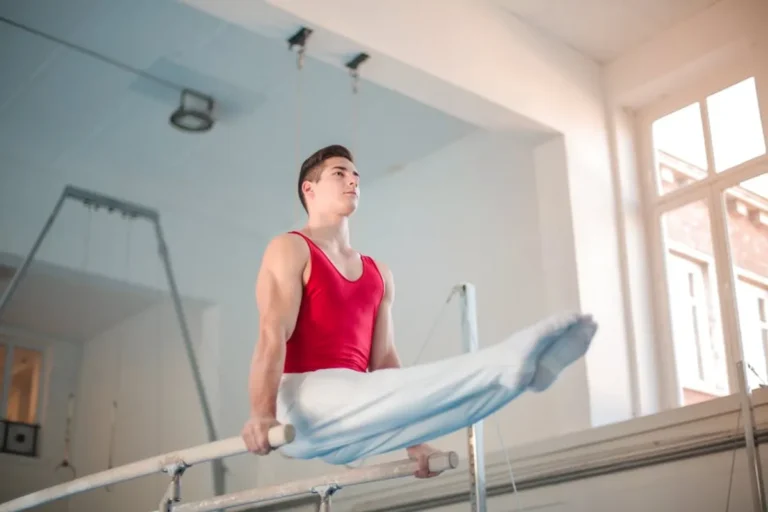
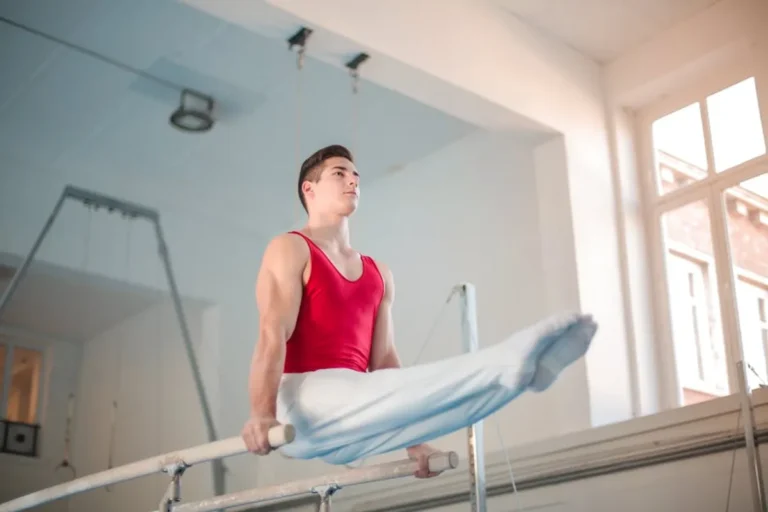
Gymnastics requires both dynamic and static applications of strength and flexibility. Dynamic flexibility, for example, is the ability to move a limb through its full range of motion with control and speed, crucial for leaps and kicks. This requires active strength to control the movement. Static flexibility, holding a position at the end of a range of motion, often demands isometric strength to maintain that position against gravity. A press handstand exemplifies this: it requires significant shoulder and core strength to lift into the handstand, combined with the flexibility to achieve the necessary body shape and shoulder angle.
Prioritization Across Disciplines
While both are critical, the exact balance can shift between different gymnastic disciplines. Rhythmic gymnastics, for instance, places a higher premium on extreme passive flexibility and dynamic range of motion, often requiring hypermobility. Artistic gymnastics demands a more balanced integration, with significant strength for apparatus work and tumbling, alongside the flexibility for clean lines and complex body shapes. Acrobatic gymnastics requires immense strength for holds and balances, combined with partner flexibility for intricate lifts.
Specific skill examples demonstrating this interplay include:
- Splits: Requires flexibility for the range of motion, but also strength in the hip flexors and extensors to pull into and stabilize the position, especially in active splits or oversplits.
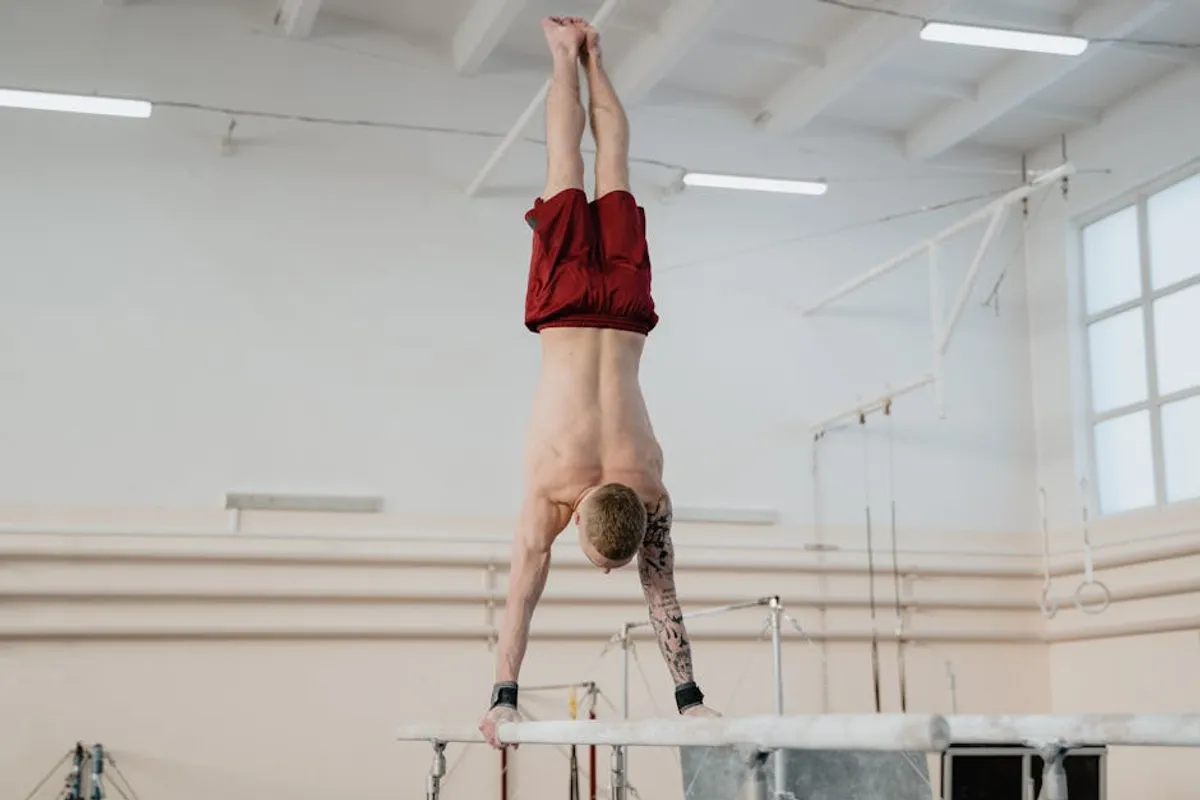
- Handstands: Demands significant shoulder, core, and wrist strength for stability, alongside shoulder flexibility to achieve a straight line and maintain balance.
- Leaps and Jumps: Explosive leg strength for height and distance, coupled with dynamic flexibility for leg separation and aesthetic form in the air.
- Bridge/Backbend: Requires spinal flexibility and shoulder mobility, supported by core and glute strength to protect the lower back and maintain the arch.
Pro Tip: Avoid the pitfall of prioritizing one attribute to the absolute exclusion of the other. An overly strong gymnast without flexibility risks stiffness, reduced range of motion, and potentially muscle imbalances. Conversely, an extremely flexible gymnast lacking strength may struggle with control, stability, and the power required for dynamic elements, increasing susceptibility to passive tissue injuries like hyperextensions or dislocations. Integrated training, where strength and flexibility are developed concurrently and synergistically, yields the most robust and resilient gymnasts.
Optimizing Training for Integrated Development
Effective gymnastics training programs do not treat strength and flexibility as separate entities but as complementary components of overall physical preparation. This involves a thoughtful approach to periodization and exercise selection.
Training should incorporate both active and passive flexibility exercises. Active flexibility, where muscles contract to move a limb through its range of motion, directly enhances control and strength at end-range. Passive flexibility, achieved with external assistance, increases overall range. For strength, focus on compound movements, bodyweight exercises, and isometric holds that mimic gymnastic positions. Progressive overload principles apply to both: gradually increasing the stretch duration or depth for flexibility, and increasing resistance, repetitions, or hold times for strength.
The specific balance in a training cycle will depend on the gymnast's current skill level, their event specialization, and upcoming competition demands. Younger gymnasts might focus more on foundational strength and general flexibility, while elite athletes will fine-tune the balance to address specific routine requirements and individual weaknesses. Regular assessment of both strength and flexibility metrics allows coaches to identify imbalances and tailor interventions, ensuring a holistic development that supports peak performance and long-term athletic health.
Frequently Asked Questions
Is it possible to be "too flexible" in gymnastics?
While extreme flexibility is often celebrated, excessive passive flexibility without corresponding strength can lead to instability in joints, increasing the risk of hyperextension injuries or dislocations. Active flexibility, where the gymnast can control their range of motion through muscular strength, is generally preferred for injury prevention.
Which should I prioritize first if I'm new to gymnastics?
For beginners, establishing a foundational level of both general strength and flexibility concurrently is most effective. Focusing solely on one can create imbalances. A balanced approach ensures the body is prepared for the diverse demands of the sport from the outset, allowing for safer progression.
How often should gymnasts train strength and flexibility?
Both strength and flexibility should be integrated into daily training routines. Flexibility work can be done multiple times a day in shorter sessions, while strength training typically requires more structured sessions 2-4 times per week, allowing for muscle recovery. The exact frequency and intensity depend on the training phase and individual needs.
Can flexibility improve without strength, and vice-versa?
Yes, to a degree. You can improve passive flexibility through stretching without directly doing strength training, and you can build strength without specific flexibility work. However, for optimal gymnastic performance, the improvements in one area will eventually be limited by deficiencies in the other. They are highly interdependent for functional, controlled movement.