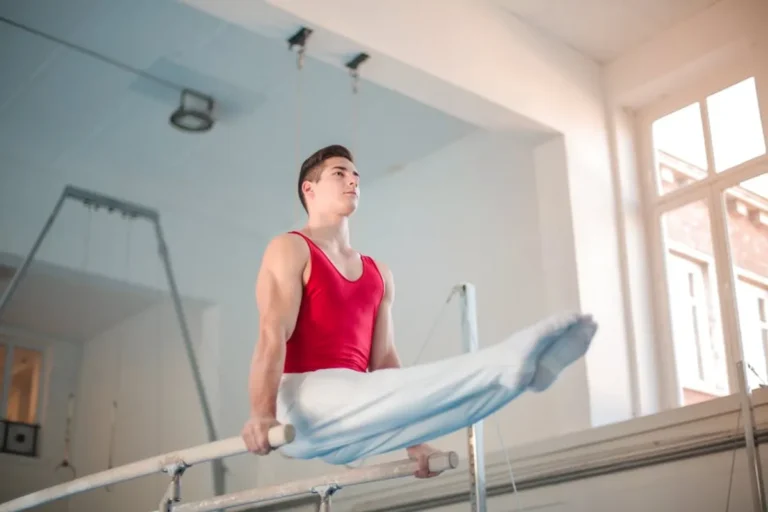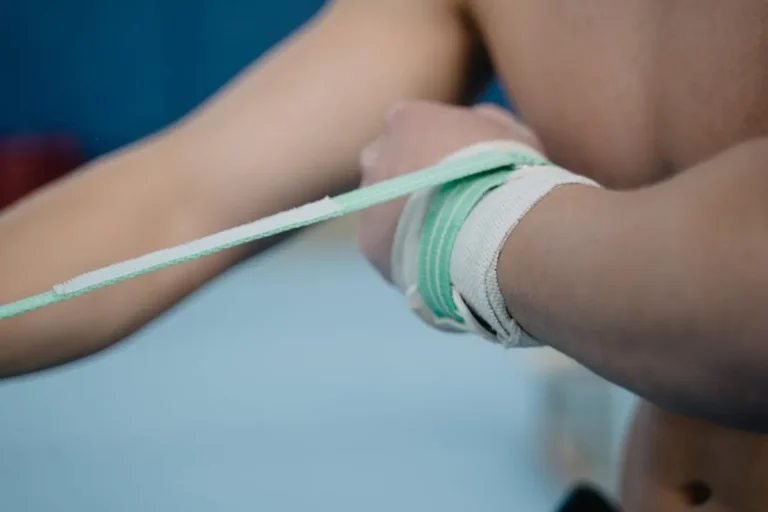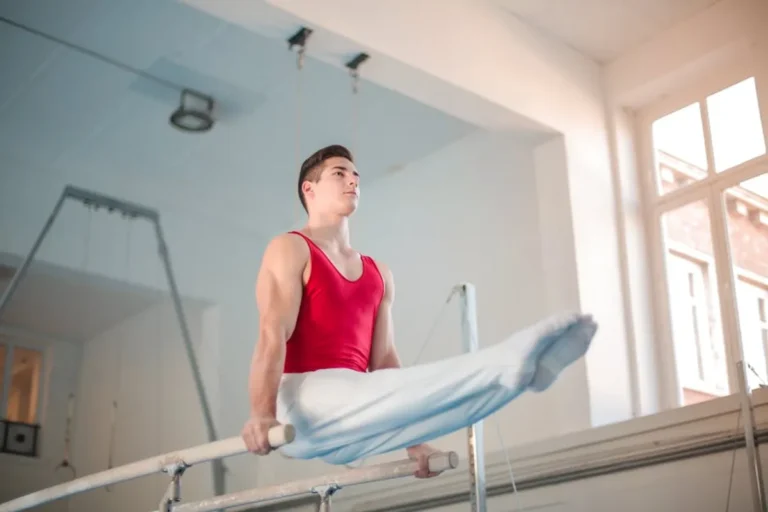
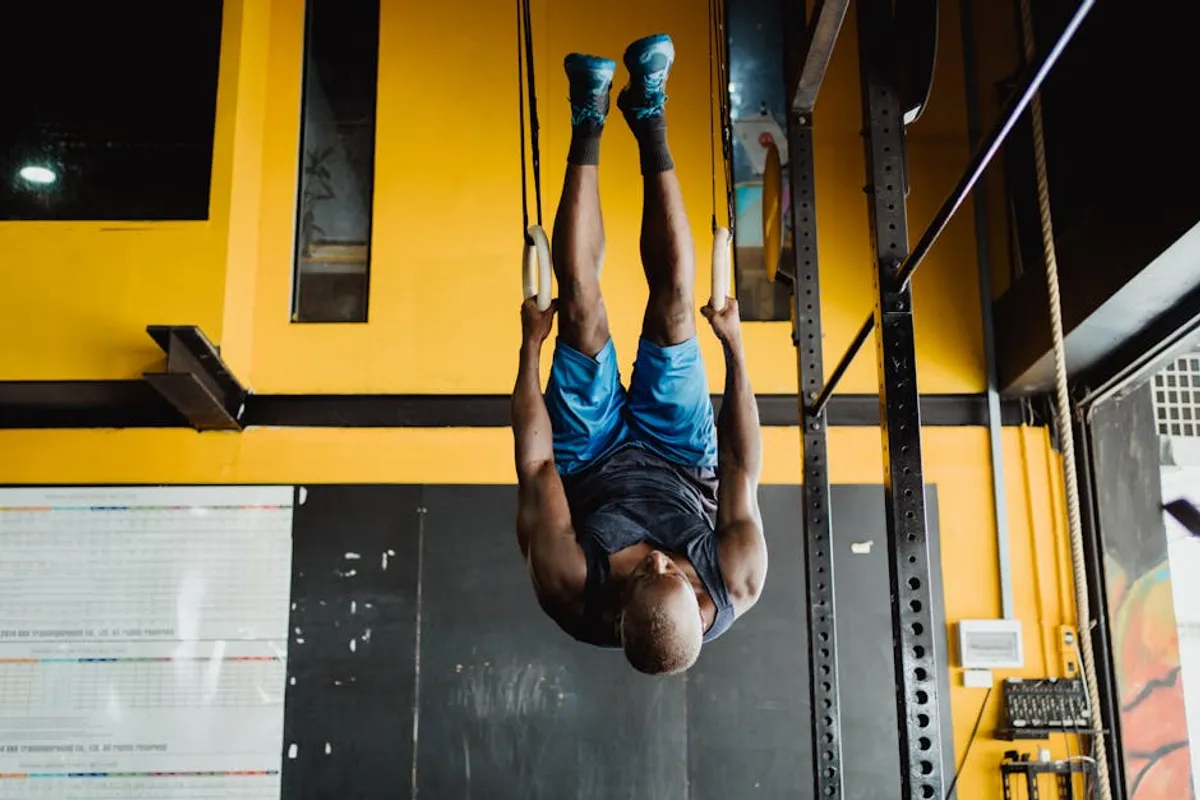
Developing the foundational strength, flexibility, and body control required for gymnastics does not necessitate a fully equipped gym. Many essential conditioning exercises can be performed effectively at home, leveraging bodyweight, minimal equipment, and dedicated space. This guide outlines a structured approach to building a robust home conditioning routine, focusing on movements that translate directly to gymnastic performance. The emphasis is on consistency, proper form, and progressive overload, ensuring that athletes of all levels can advance their physical capabilities from their own living space. This foundational work lays the groundwork for more advanced strength training principles for gymnasts.
The Foundational Pillars of Home Gymnastics Conditioning
Effective gymnastics conditioning at home relies on several core principles that maximize results with limited resources. Understanding these pillars helps structure a routine that builds genuine athletic capacity.
- Bodyweight Mastery: Gymnastics is fundamentally about controlling one's own body in space. Home conditioning prioritizes exercises that use bodyweight as resistance, developing relative strength crucial for skills like handstands, levers, and presses. This builds a robust base without external weights.
- Progressive Overload: Even without adding plates to a bar, progress is achievable. This involves increasing repetitions, sets, hold times, reducing rest periods, or advancing to more challenging variations of an exercise. For instance, moving from knee push-ups to full push-ups, then to decline push-ups, maintains a consistent challenge.
- Specificity of Movement: Exercises should mimic the demands of gymnastics. While general fitness is beneficial, conditioning for gymnastics means focusing on movements that strengthen the exact muscle groups and movement patterns used in the sport, such as hollow body shapes, arch shapes, and straight arm strength.
- Consistency and Discipline: Regular, deliberate practice yields results. A consistent schedule, even if only 3-4 times per week, is more effective than sporadic, intense sessions. Home training demands self-discipline to adhere to the program.
Targeting Key Muscle Groups for Gymnastic Performance
Gymnastics demands comprehensive strength across the entire body. Home conditioning programs should systematically address these critical areas:
Core Strength and Stability
A strong core is the linchpin of all gymnastic skills, providing stability, power transfer, and injury prevention. Exercises should target the rectus abdominis, obliques, and lower back muscles.
- Hollow Body Hold: Lie on your back, arms extended overhead, legs straight. Lift your head, shoulders, and legs slightly off the floor, pressing your lower back into the ground. Hold this tight, rounded position.
Benefit: Develops the foundational core tension required for nearly all gymnastic shapes and movements. - Arch Body Hold: Lie on your stomach, arms extended overhead, legs straight. Lift your chest, arms, and legs off the floor, engaging your back and glutes.
Benefit: Balances hollow body strength, crucial for extension and certain tumbling elements. - V-ups: Lie on your back, arms overhead. Simultaneously lift your torso and legs to meet in a V-shape, touching hands to feet if possible.
Benefit: Dynamic core strength, engaging both upper and lower abs. - Plank Variations: Standard plank, side plank, plank with leg/arm lifts.
Benefit: Builds isometric core endurance and stability.
Upper Body and Shoulder Girdle Development
Exceptional upper body strength, particularly in the shoulders, lats, and triceps, is vital for hanging, pressing, and supporting bodyweight. These exercises require minimal equipment.
- Push-up Variations: Standard push-ups, decline push-ups (feet elevated on a chair), pseudo planche push-ups (hands lower towards hips).
Benefit: Develops pushing strength in chest, shoulders, and triceps. - Inverted Rows: Lie under a sturdy table, grab the edge, and pull your chest towards it. Alternatively, use a low, stable bar or even a strong towel anchored in a door frame.
Benefit: Builds pulling strength in the back and biceps, essential for climbing and hanging. - Handstand Holds (Wall Assisted): Kick up to a handstand against a wall, facing either towards or away from it. Focus on maintaining a straight body line and active shoulders.
Benefit: Strengthens shoulders, triceps, and core for inversions, improving balance and spatial awareness. - Pike Push-ups: Start in a pike position (hips high, legs straight), lower your head towards the floor by bending elbows, then push back up.
Benefit: Targets shoulder pressing strength, a precursor to handstand push-ups.
Lower Body and Flexibility for Power and Range
While often overlooked in favor of upper body, strong, flexible legs and hips are critical for jumps, landings, and dynamic skills.
- Squat Variations: Bodyweight squats, pistol squats (single leg), jump squats.
Benefit: Develops leg power and endurance, crucial for explosive movements and stable landings. - Lunge Variations: Forward lunges, reverse lunges, side lunges.
Benefit: Improves unilateral leg strength, balance, and hip mobility. - Calf Raises: Single or double leg, on flat ground or elevated surface.
Benefit: Strengthens ankles and calves, important for jumps and pointed feet. - Active Flexibility Drills: Leg swings (forward/backward, side-to-side), pike compressions (sitting with straight legs, actively pulling chest towards knees).
Benefit: Increases dynamic range of motion and active control within that range. - Bridge Holds: Lie on your back, bend knees, feet flat. Push hips up, creating an arch. Progress to full bridge (yoga wheel pose).
Benefit: Improves spinal flexibility and shoulder opening.
Pro Tip: Prioritize Form Over Reps. When training at home, especially without immediate coaching feedback, maintaining correct form is paramount. Incorrect technique not only diminishes the exercise's effectiveness but significantly increases injury risk. Use a mirror or record yourself to review body alignment and movement patterns. A few perfect repetitions are always more valuable than many sloppy ones.
Structuring Your Home Gymnastics Conditioning Program
A well-structured program ensures balanced development and prevents overtraining. Consider this general framework:
Warm-up (5-10 minutes)
Prepare the body for activity. Include light cardio (jumping jacks, high knees) and dynamic stretches (arm circles, leg swings, torso twists).
Workout (30-60 minutes)
Combine exercises from the strength, flexibility, and balance categories. A common approach is a circuit format or supersets.
- Strength Focus Days: 3-4 sets of 8-15 repetitions (or 30-60 second holds) for 4-6 different exercises, with 60-90 seconds rest between sets.
- Flexibility/Mobility Focus Days: Hold static stretches for 30-60 seconds, or perform active flexibility drills for 10-15 repetitions per side.
- Mixed Days: Integrate 2-3 strength exercises, 1-2 core exercises, and 2-3 flexibility drills into a single session.
Cool-down (5-10 minutes)
Static stretching to improve flexibility and aid recovery. Hold each stretch for 20-30 seconds.
Recommended Training Frequency
Aim for 3-5 conditioning sessions per week, allowing for adequate rest and recovery. Beginners might start with 3 sessions, while more advanced individuals could manage 4-5, potentially splitting body parts or focusing on different aspects (e.g., upper body strength one day, core/legs another).
Essential Home Equipment for Enhanced Training
While much can be done with bodyweight, a few inexpensive items can significantly expand your exercise repertoire and progression possibilities:
- Yoga Mat: Provides cushioning for floor exercises and grip for hands/feet.
- Resistance Bands (Loop & Tube): Versatile for adding resistance to squats, pull-aparts for shoulder health, or assisting with pulling exercises.
- Sturdy Chair or Box: Useful for elevated push-ups, step-ups, box squats, and supporting feet for decline push-ups.
- Towel: Can be used for inverted rows under a door, or for grip strength exercises.
- Wall Space: Indispensable for handstand practice and various stretches.
Sustaining Progress in Your Home Conditioning
To avoid plateaus and maintain motivation, continuous progression is key:
- Track Your Workouts: Keep a log of exercises, sets, reps, and hold times. This visual record helps identify progress and areas for improvement.
- Increase Difficulty: Once an exercise becomes easy, increase the challenge. This could mean more reps, longer holds, slower eccentric phases, or moving to a harder variation (e.g., from tuck to straddle hollow body).
- Incorporate Unilateral Work: Single-arm or single-leg exercises (like pistol squats, one-arm planks) improve balance and address strength imbalances.
- Set Specific, Measurable Goals: Aim for concrete achievements, such as "hold a hollow body for 60 seconds" or "perform 10 decline push-ups."
Practical Next Steps for Your Home Conditioning Journey
Begin by assessing your current fitness level. Identify 2-3 exercises from each category (core, upper body, lower body, flexibility) that feel challenging but manageable with good form. Establish a consistent schedule, even if it's just 20-30 minutes, three times a week. Focus on mastering the fundamental shapes and movements before attempting advanced variations. Remember that consistency and attention to detail will yield the most significant long-term improvements in your gymnastic conditioning.
Frequently Asked Questions
How often should I train gymnastics conditioning at home?
For most individuals, 3-5 sessions per week, each lasting 30-60 minutes, is an effective frequency. Ensure you include rest days for muscle recovery and growth.
Do I need any special equipment for home gymnastics conditioning?
No, much can be achieved with just your bodyweight. However, a yoga mat, a sturdy chair, resistance bands, and wall space can significantly enhance your training options and progressions.
How can I ensure proper form without a coach?
Utilize mirrors or record yourself with a smartphone to review your technique. Compare your movements to instructional videos from reputable sources. Focus on slow, controlled movements and prioritize quality over quantity.
What is the most important aspect of home gymnastics conditioning?
Consistency and progressive overload are paramount. Regularly challenging your body with slightly increased demands, while maintaining excellent form, is what drives adaptation and strength gains over time.