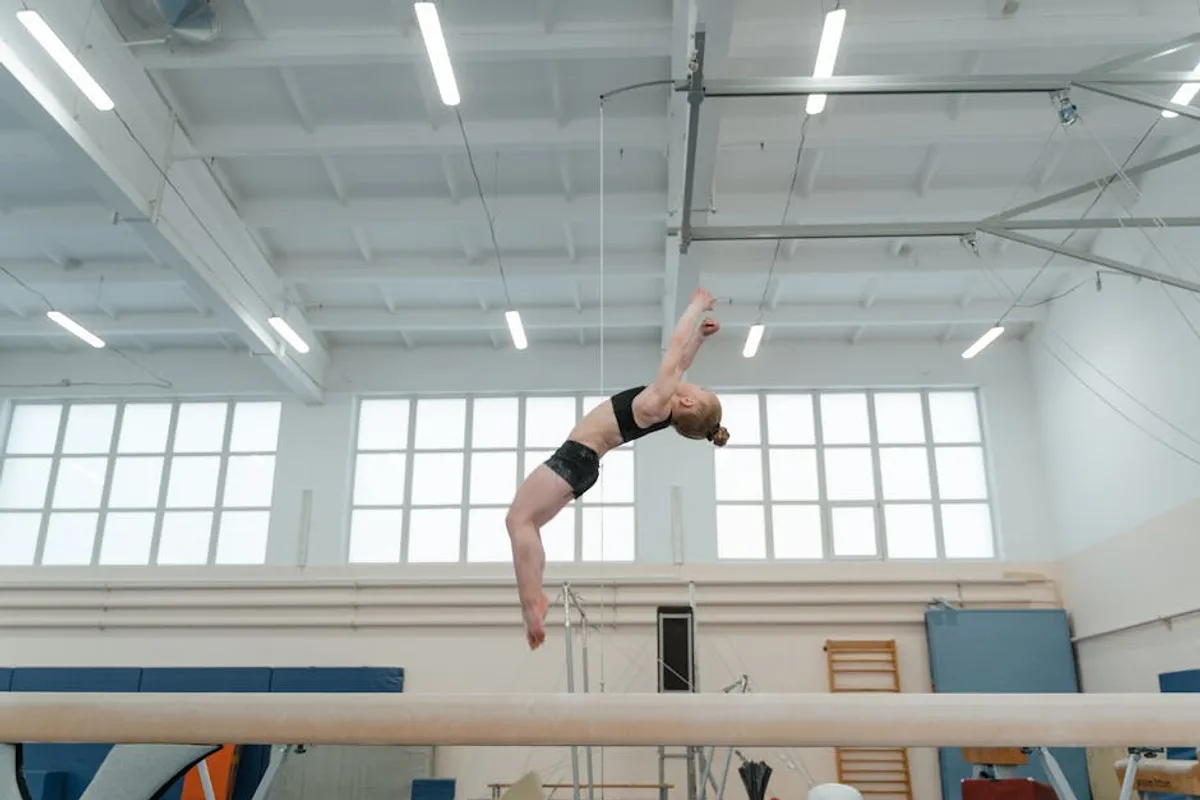
Preparing for a gymnastics competition involves more than just perfecting routines; it demands meticulous logistical planning from families. The success of a gymnast on competition day often hinges on a smooth, stress-free experience leading up to and during the event. A comprehensive checklist streamlines this process, ensuring all critical elements—from registration deadlines to hydration strategies—are addressed methodically. This systematic approach reduces anxiety for both gymnasts and parents, allowing the athlete to focus solely on performance. This is especially true when preparing for a gymnastics event, where every detail matters for success.
Pre-Competition Planning: Establishing the Foundation
Effective preparation begins weeks, or even months, before the competition date. This phase focuses on securing all necessary arrangements and understanding the event's specific requirements.
Event Logistics and Registration
Confirming participation and understanding the event structure are primary steps. This includes:
- Registration Deadlines and Fees: Mark these dates clearly. Late registrations often incur penalties or are not accepted. Verify payment methods and ensure all fees are processed.
- Competition Schedule: Obtain the official schedule as soon as it is released. Note specific warm-up times, rotation orders, and estimated finish times. These details dictate travel plans and daily routines.
- Venue Information: Research the competition venue's location, parking availability, and any specific entry requirements. Consider traffic patterns for travel time estimation.
- Rules and Regulations: Review the competition rulebook, particularly for attire, equipment, and spectator guidelines. Understanding these prevents last-minute issues.
Uniform and Equipment Readiness
The gymnast's attire and personal equipment must be competition-ready well in advance.
- Competition Leotard: Ensure the leotard fits correctly and is in pristine condition. Always have a backup leotard, if possible, for unforeseen circumstances.
- Hair Accessories: Gather all necessary items for competition-appropriate hairstyles (e.g., hair ties, gel, hairspray, bobby pins).
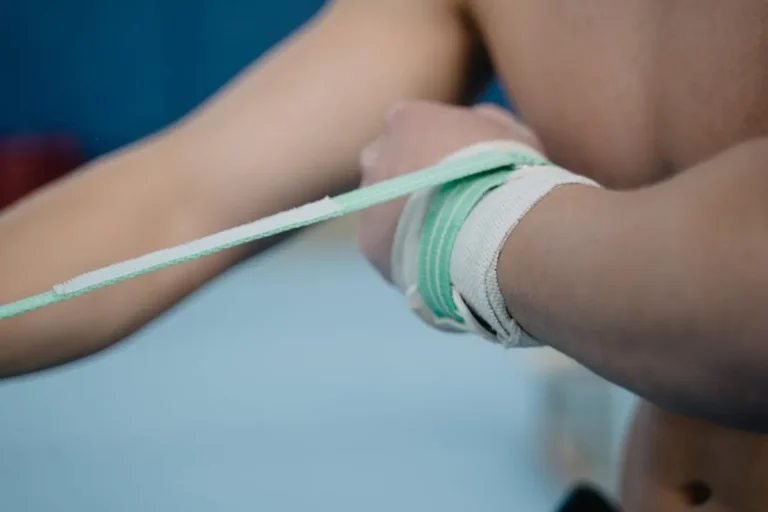
- Grips and Wristbands: Inspect grips for wear and tear. Ensure wristbands are clean and comfortable. Pack chalk if permitted and required by the gymnast.
- Team Apparel: Confirm any specific team warm-up gear or jackets required for opening ceremonies or awards.
Travel and Accommodation Arrangements
For out-of-town competitions, securing travel and lodging early is crucial for cost-effectiveness and availability.
- Transportation: Book flights or plan driving routes. Account for potential delays and build in buffer time.
- Lodging: Reserve hotel rooms or other accommodation. Prioritize locations close to the venue to minimize travel stress on competition day. Look for amenities like complimentary breakfast or kitchenettes for meal preparation.
Nutrition and Hydration Strategy
A consistent nutritional plan supports peak performance. Avoid introducing new foods close to the competition.
- Pre-Competition Meals: Plan balanced meals rich in complex carbohydrates and lean protein for the days leading up to the event.
- Snacks: Pack easily digestible, energy-sustaining snacks for competition day (e.g., fruit, granola bars, crackers).
- Hydration: Ensure consistent water intake in the days prior and pack ample water bottles for the venue. Electrolyte drinks can be beneficial for longer events.
The Day Before: Final Readiness Checks
The day preceding the competition is for consolidation and relaxation, not last-minute panic.
The Competition Bag: Essential Packing
A well-packed bag ensures nothing critical is forgotten. Use a checklist to verify each item.
- Competition leotard (and backup)
- Grips, wristbands, chalk bag
- Hair supplies (ties, brush, gel, spray, bobby pins)
- Water bottles, electrolyte drinks
- Approved snacks (fruit, granola bars, nuts)
- Small first-aid kit (band-aids, antiseptic wipes, pain reliever)
- Warm-up clothes (tracksuit, jacket)
- Slippers or comfortable shoes for between rotations
- Small towel
- Entertainment for downtime (book, quiet game)
- Identification and any necessary paperwork
Schedule Review and Mental Preparation
A final review of the schedule and a focus on mental readiness are key.
- Confirm Schedule: Double-check warm-up times, rotation orders, and award ceremony details. Share this information clearly with the gymnast.
- Visualize Success: Encourage the gymnast to mentally walk through their routines, focusing on successful execution and confidence.
- Rest: Prioritize a full night's sleep. Avoid late-night activities or screen time.
Pro Tip: Always confirm venue-specific regulations regarding outside food, photography, and spectator access well in advance. Unforeseen restrictions can add unnecessary stress and disrupt carefully planned routines on competition day.
Competition Day: Execution and Support
This is when all the preparation culminates. Focus on maintaining a calm, supportive environment.
Morning Routine and Travel
Stick to a familiar, relaxed morning routine.
- Nutritious Breakfast: Provide a light, familiar, and energy-sustaining breakfast.
- Departure: Leave with ample time to account for traffic, parking, and check-in procedures. Aim to arrive at the venue at least 45-60 minutes before the scheduled warm-up.
At the Venue
Navigating the venue efficiently helps reduce pre-competition jitters.
- Check-in: Locate the check-in desk for gymnasts and coaches.
- Locker Room/Changing Area: Help the gymnast get ready, ensuring hair is secure and leotard is comfortable.
- Finding Seating: Locate spectator seating. Be aware of any designated areas for specific teams or families.
During the Competition
Parents play a crucial role in providing positive support.
- Positive Reinforcement: Offer encouragement regardless of performance. Focus on effort and enjoyment.
- Maintain Calm: Your demeanor influences the gymnast. Remain calm and composed, especially if challenges arise.
- Observe Etiquette: Follow venue rules regarding photography, noise levels, and movement during routines.
Sustaining Performance: Post-Event Reflection
After the competition, a structured approach to debriefing and recovery is beneficial.
Attend the awards ceremony to celebrate achievements. Afterward, focus on a positive debrief with your gymnast. Discuss what went well and what could be improved, emphasizing effort and learning over perfection. Ensure a balanced recovery meal and adequate rest. This structured reflection helps build resilience and informs future training adjustments, transforming each competition into a valuable learning experience.
Frequently Asked Questions
What should my gymnast eat before a competition?
Focus on easily digestible complex carbohydrates like oatmeal, whole-wheat toast, or fruit, combined with a small amount of lean protein such as yogurt or eggs. Avoid heavy, greasy, or new foods that could cause stomach upset.
How early should we arrive at the competition venue?
Aim to arrive at least 45-60 minutes before the scheduled warm-up time. This allows for check-in, finding changing areas, and settling in without feeling rushed, which can contribute to pre-competition anxiety.
What can parents do to help manage competition day nerves?
Provide a calm, supportive presence. Encourage visualization and deep breathing exercises. Focus on effort and personal bests rather than scores. Remind your gymnast that you are proud of their hard work regardless of the outcome.
Is it okay to bring snacks and drinks into the venue?
Many venues have specific policies regarding outside food and beverages. Always check the competition's rules or the venue's website in advance. If allowed, pack non-perishable, easy-to-eat snacks and plenty of water.