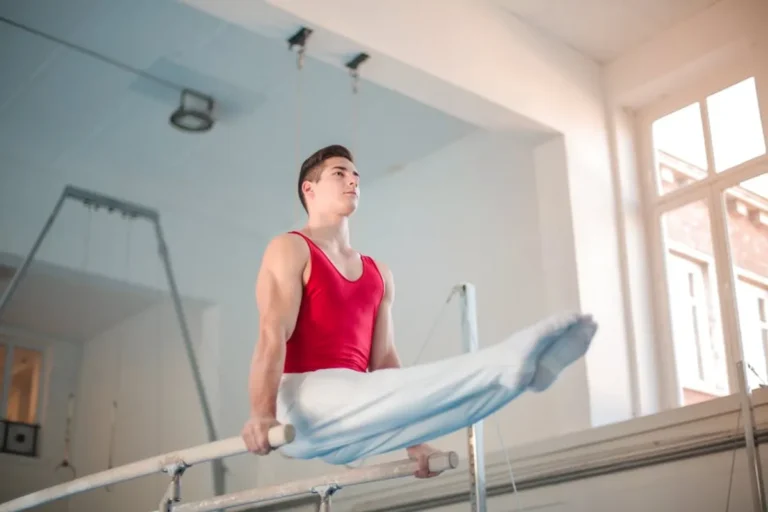
A first gymnastics competition represents a significant milestone in an athlete's development, marking a transition from training to performance under evaluation. This event, while exciting, often introduces a new layer of pressure and unfamiliar variables. Effective preparation extends beyond physical conditioning, encompassing mental readiness, logistical planning, and strategic execution. Approaching this debut with a structured plan can mitigate anxiety, enhance confidence, and lay a strong foundation for future competitive experiences.
Early Preparations: Laying the Foundation
The initial phase of competition preparation focuses on solidifying fundamental skills and understanding the competitive environment. This period is critical for building a robust technical base and familiarizing the gymnast with what to expect.
Understanding the Event Format
Before stepping onto the competition floor, gymnasts and coaches must thoroughly understand the specific rules, scoring criteria, and sequence of events. Different federations and levels have distinct requirements for apparatus, skill difficulty, and presentation. Reviewing the judging rubrics provides clarity on what constitutes a well-executed routine and where deductions are typically applied. This knowledge informs training adjustments, ensuring routines meet all technical specifications and maximize scoring potential.
Routine Mastery and Consistency
The core of competition readiness lies in the consistent, flawless execution of routines. This involves repetitive drilling of each skill, transition, and sequence until they become automatic. Focus on maintaining correct form, amplitude, and control through every element. Practice full routines without interruption, simulating competition conditions to build stamina and mental resilience. Identify and address any weak points or inconsistent elements through targeted drills, ensuring a high degree of reliability under pressure. The goal is not just to perform the skills, but to perform them with precision and confidence every time.
Physical Readiness: Training Intensification and Refinement
As the competition approaches, training intensifies, shifting focus from skill acquisition to performance optimization. This phase prioritizes peak physical condition and injury prevention.
Peak Conditioning and Injury Prevention
Training schedules should incorporate progressive overload to build strength, flexibility, and endurance specific to gymnastics demands. This includes dedicated sessions for conditioning, stretching, and active recovery. Simultaneously, injury prevention becomes paramount. Coaches must monitor gymnasts for signs of fatigue or overuse, adjusting workloads as necessary. Proper warm-ups, cool-downs, and adherence to technique guidelines are non-negotiable. Integrating cross-training elements, such as swimming or cycling, can support overall fitness without overstressing specific joints or muscle groups used in gymnastics.
Nutrition and Hydration Strategy
Optimal performance is directly linked to proper fueling. A balanced diet rich in lean protein, complex carbohydrates, and healthy fats supports muscle repair, energy levels, and overall health. Athletes should maintain consistent hydration throughout the day, increasing fluid intake during training sessions. Avoid introducing new or unfamiliar foods close to the competition date to prevent digestive issues. A pre-competition meal should be easily digestible and consumed 2-3 hours before the event, providing sustained energy without causing sluggishness.
Mental Fortitude: Building Confidence and Managing Nerves
The psychological aspect of a first competition is as critical as physical preparation. Managing pre-competition anxiety and fostering a confident mindset are key to successful performance.
Visualization and Positive Self-Talk
Mental rehearsal techniques can significantly impact performance. Gymnasts should regularly visualize themselves successfully executing routines, landing skills cleanly, and receiving positive feedback. This practice builds neural pathways that reinforce positive outcomes. Alongside visualization, positive self-talk helps reframe negative thoughts and build self-belief. Encouraging phrases or affirmations can be used during training and leading up to the competition to maintain a focused and optimistic outlook.
Simulated Competition Scenarios
Practice performing routines in a simulated competition environment. This might involve performing in front of teammates, coaches, or even a small audience, wearing the competition leotard, and following the exact sequence of events. Creating a controlled pressure scenario helps gymnasts adapt to the feeling of being watched and evaluated, reducing the shock of the actual competition day. This also allows for troubleshooting any unexpected reactions or mental blocks that may arise.
Pro Tip: During simulated competition scenarios, intentionally introduce minor distractions or unexpected pauses. Learning to regain focus and restart a routine smoothly after an interruption is a valuable skill that can prevent a small error from derailing an entire performance on competition day.
Logistical Planning: The Competition Day Blueprint
Meticulous planning for the competition day itself minimizes stress and ensures the gymnast can focus solely on performance.
Packing Essentials Checklist
A well-organized bag prevents last-minute panic. Prepare a comprehensive checklist days in advance and pack the night before. Key items include:
- Competition leotard (and a spare, if available)
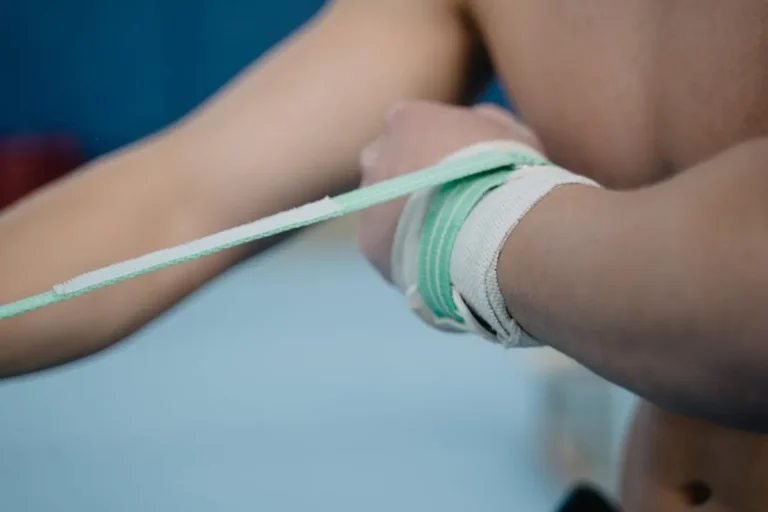
- Grips, wristbands, and any personal equipment
- Hair ties, pins, and hairspray for a secure hairstyle
- Water bottle and healthy, non-perishable snacks
- Small first-aid kit (band-aids, athletic tape)
- Warm-up attire (tracksuit, extra layers)
- Comfortable shoes for travel and between events
- Small towel
- Any necessary medications
Arrival and Warm-up Protocol
Arrive at the venue with ample time to spare, allowing for registration, locating changing rooms, and familiarizing oneself with the competition area. A structured warm-up routine is essential for preparing the body for performance and preventing injury. This typically includes light cardio, dynamic stretching, and specific apparatus warm-ups, guided by the coach. Adhere strictly to the warm-up schedule provided by the event organizers, ensuring sufficient time on each apparatus without over-fatiguing.
Optimizing Performance Day
On competition day, the focus shifts to execution and maintaining composure. Trust in the preparation and adhere to established routines.
Follow the coach's instructions precisely, listening for cues and adjustments. Maintain a positive and focused mindset, concentrating on one skill or routine at a time. If a mistake occurs, acknowledge it briefly, then immediately refocus on the next element. The ability to compartmentalize and move past errors is a hallmark of experienced competitors. Remember that the first competition is primarily a learning experience. The objective is to perform to the best of one's current ability, gain experience, and enjoy the process, regardless of the final score.
Frequently Asked Questions
How can I manage pre-competition nerves?
Effective strategies include deep breathing exercises, positive visualization, listening to calming music, and engaging in light conversation with teammates. Focus on controlling what you can—your preparation and effort—rather than worrying about outcomes.
What should I eat on competition day?
Opt for a light, easily digestible meal 2-3 hours before the event, such as oatmeal, whole-wheat toast with lean protein, or fruit. Avoid sugary drinks, heavy fats, and new foods that might cause stomach upset.
What if I make a mistake during my routine?
It's crucial to immediately refocus. Acknowledge the mistake, take a quick breath, and then concentrate fully on the next element. Dwelling on an error can lead to further mistakes. Coaches often emphasize "next skill focus."
How important is the final score for a first competition?
While scores are part of competition, for a first event, the primary importance lies in gaining experience, executing routines to the best of your ability, and learning from the process. Focus on personal growth and performance rather than solely on rankings.