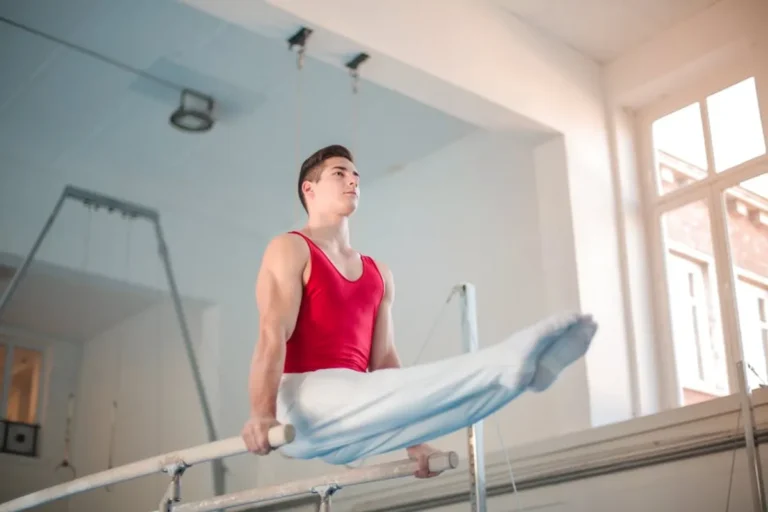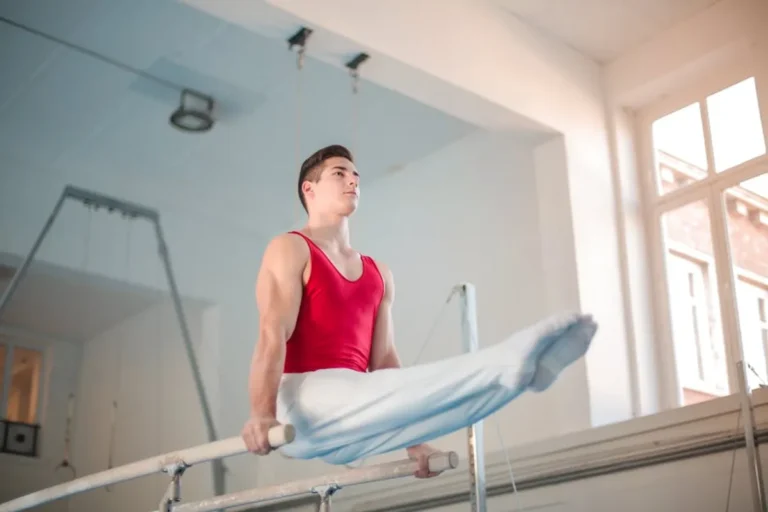
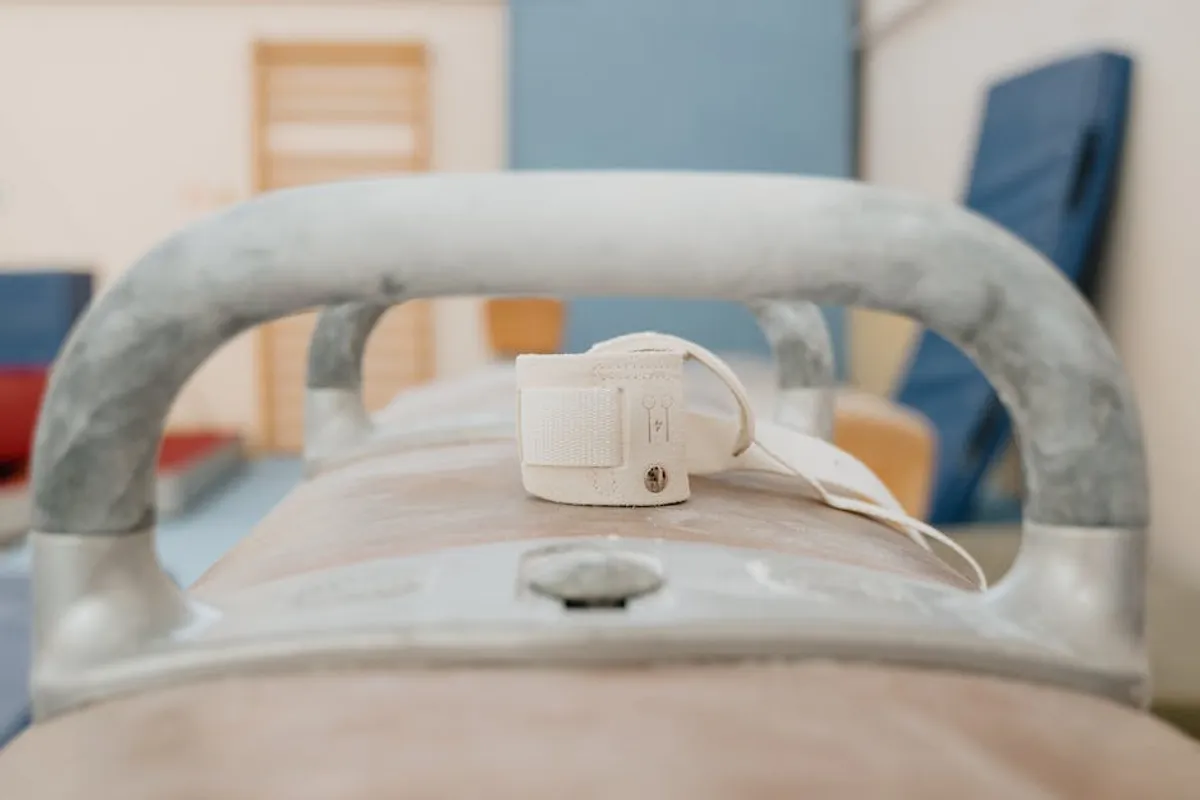
For individuals beginning their journey in gymnastics, the initial enthusiasm often drives a desire for rapid progress. However, this ambition, when unchecked by foundational understanding and disciplined practice, frequently leads to the adoption of common mistakes. Identifying and actively correcting these early errors is critical not just for immediate skill acquisition, but for long-term safety, injury prevention, and sustainable development in the sport. Overlooking fundamental flaws in technique or approach can establish deeply ingrained habits that are far more challenging to unlearn later, ultimately hindering a gymnast’s potential and increasing frustration. This guide outlines the most prevalent missteps beginners encounter, providing actionable insights to foster a more effective and secure training path. Understanding these common gymnastics mistakes and how coaches fix them can significantly accelerate your progress.
Fundamental Posture and Alignment Errors
Proper body alignment forms the bedrock of all gymnastics movements, dictating efficiency, power transfer, and injury resilience. Beginners frequently overlook subtle yet critical postural cues, leading to compensatory movements and reduced performance.
Rounded Back in Basic Holds
A common error involves maintaining a rounded or arched lower back during foundational holds such as hollow body and arch body positions. The hollow body position, crucial for core stability and connecting the upper and lower body, requires a flat lower back pressed into the ground, achieved by posteriorly tilting the pelvis and engaging the abdominals. Conversely, the arch body position, vital for dynamic movements like kips and handsprings, demands a controlled, active arch through the entire spine, not just a collapsed lower back. A rounded back in hollow or an uncontrolled arch in arch body indicates insufficient core engagement and can place undue stress on the lumbar spine. Correction involves conscious pelvic tucking for hollow and active glute/back muscle engagement for a controlled arch, ensuring the core supports the spine rather than allowing it to sag.
Incorrect Hand Placement and Grip
In movements requiring hand support, such as handstands, cartwheels, or basic tumbling, beginners often place hands too close, too far, or with fingers improperly splayed. For handstands, hands should typically be shoulder-width apart, fingers spread wide to create a stable base, and the palms actively pressing into the floor to distribute weight and engage the shoulders. A narrow grip compromises stability, while a wide grip can strain the shoulders. Similarly, in cartwheels, the sequence and orientation of hand placement are crucial for maintaining a straight line and controlled rotation. An improper grip, such as a loose or passive hand, reduces the tactile feedback needed for balance and power, increasing the risk of wrist injury or loss of control.
Lack of Core Engagement
Many beginner errors trace back to a fundamental lack of consistent core engagement. The core, encompassing the abdominal muscles, obliques, lower back, and glutes, acts as the central stabilizer for nearly every gymnastics skill. Without active engagement, movements become disjointed, powered by momentum or peripheral muscles rather than a strong, integrated unit. This manifests as swinging legs in a handstand, a "broken" body line in a pull-up, or inefficient power transfer in jumps. Remediation requires specific core strengthening exercises, but more importantly, a conscious effort to brace the core before and during every movement, treating it as the primary engine for stability and force generation.
Rushing Progression and Ignoring Basics
The allure of advanced skills often tempts beginners to bypass the methodical development of prerequisite strength, flexibility, and fundamental techniques. This impatience is a significant impediment to safe and effective long-term progress.
Attempting Advanced Skills Prematurely
One of the most common and dangerous mistakes is attempting complex skills like back handsprings, round-offs, or complex bar routines before mastering their foundational components. For instance, a back handspring requires a solid standing back extension roll, a strong hollow body snap, and significant shoulder and core strength. Skipping these prerequisites not only increases the risk of serious injury but also leads to inefficient and compensatory techniques that are difficult to correct later. A structured progression, guided by an experienced coach, ensures that each new skill builds upon a fully developed and stable foundation, making the learning process safer and more efficient.
Skipping Conditioning and Strength Training
Gymnastics demands a unique blend of strength, power, and endurance. Beginners often underestimate the sheer physical conditioning required, focusing solely on skill practice. Neglecting general and specific strength training (e.g., push-ups, pull-ups, squats, hollow body rocks) means the body lacks the capacity to execute skills with proper form or to withstand the repetitive impact. This leads to early fatigue, compromised technique, and a higher susceptibility to overuse injuries. Incorporating a balanced conditioning program alongside skill work is non-negotiable for building the physical resilience necessary for progression.
Overlooking Flexibility Work
Flexibility is often viewed as secondary to strength, but it is equally critical in gymnastics. Insufficient range of motion in key joints—hips, shoulders, and spine—limits the ability to achieve proper body shapes and positions. For example, tight hamstrings can prevent a full pike position, essential for many tumbling and bar skills. Limited shoulder mobility restricts overhead arm positions vital for handstands and casts. Neglecting consistent, targeted flexibility work not only restricts skill development but also increases muscle strain and injury risk when attempting to force the body into positions it is not prepared for. Daily stretching routines, focusing on both active and passive flexibility, are crucial.
Pro Tip: Always prioritize proper form over speed or repetitions. Rushing through movements with poor technique reinforces bad habits and significantly increases the likelihood of injury, slowing overall progress. A slower, controlled execution with correct body alignment yields superior results.
Mental and Habitual Pitfalls
Beyond physical errors, certain mental approaches and ingrained habits can significantly impede a beginner's gymnastics journey, affecting both safety and learning efficiency.
Holding Breath During Movements
Under stress or during difficult movements, beginners instinctively hold their breath. This Valsalva maneuver, while sometimes useful for maximal lifts, is detrimental in gymnastics. It restricts oxygen flow to muscles, increases blood pressure, and creates unnecessary tension throughout the body, hindering fluid movement and balance. Proper breathing involves exhaling during the exertion phase of a movement and inhaling during the recovery or preparation phase. Consciously focusing on controlled, rhythmic breathing helps maintain muscle oxygenation, reduces tension, and improves overall control and endurance during routines or skill practice.
Neglecting Spotting and Safety Protocols
A significant mistake for beginners is underestimating the importance of spotting and adhering to safety protocols. Attempting new or challenging skills without a qualified spotter or proper matting is a direct route to injury. Gymnastics is inherently risky, and a spotter provides physical assistance to prevent falls and guide the body through correct movement patterns, building confidence and muscle memory. Furthermore, ignoring basic safety rules, such as checking equipment, clearing the practice area, or warming up adequately, demonstrates a lack of awareness that can have severe consequences. Safety must always be paramount, even for seemingly simple drills.
Inconsistent Practice Schedule
Gymnastics skills are built through consistent, deliberate practice. Beginners often fall into the trap of sporadic training, attending classes irregularly or practicing only when motivated. This inconsistency prevents the necessary repetition for muscle memory development, strength adaptation, and flexibility gains. Skills degrade quickly without reinforcement, making each subsequent session feel like starting over. A structured, regular practice schedule, even if only for shorter durations, is far more effective than infrequent, long sessions. Consistency fosters progressive overload and allows the body and mind to adapt systematically.
Building a Strong Gymnastics Foundation
Successful progression in gymnastics for beginners hinges on a proactive approach to identifying and correcting common errors. By focusing on fundamental posture and alignment, respecting the natural progression of skills, and cultivating disciplined mental and physical habits, new gymnasts can establish a robust foundation. This not only accelerates skill acquisition but also significantly reduces the risk of injury, ensuring a safer, more enjoyable, and ultimately more rewarding experience in the sport. Regular self-assessment, coupled with consistent feedback from experienced coaches, provides the clearest path to transforming potential into proficient performance.
Frequently Asked Questions
How long does it take to correct common gymnastics mistakes?
The time required to correct mistakes varies significantly based on the mistake's complexity, how long it has been ingrained, and the beginner's consistency in corrective practice. Simple postural adjustments might take weeks, while deeply ingrained movement patterns could require months of dedicated effort and repetition with conscious focus.
What is the most common mistake beginners make?
While many mistakes are prevalent, a fundamental lack of consistent core engagement and rushing skill progression are arguably the most common. These two errors often underpin a multitude of other technical flaws and increase injury risk across various apparatus and movements.
Can I learn gymnastics safely at home as a beginner?
While basic conditioning and flexibility exercises can be practiced safely at home, attempting complex gymnastics skills without professional coaching, proper spotting, and specialized equipment is not recommended for beginners. The risk of serious injury is high due to the dynamic and often inverted nature of many movements.
Why is core strength so important in gymnastics?
Core strength is paramount because it acts as the body's central stabilizer, connecting the upper and lower body and enabling efficient force transfer. A strong core provides the stability needed for balance, allows for precise body control during complex movements, and protects the spine from injury during high-impact or strenuous activities.