In gymnastics, the path to mastery is paved with repetition, precision, and the relentless correction of technical flaws. For coaches, identifying these common mistakes early and implementing targeted fixes is not just about improving scores; it is fundamental to athlete safety, skill progression, and long-term development. This deep dive examines prevalent errors across various gymnastics disciplines and outlines the specific, actionable strategies coaches employ to rectify them, providing a framework for understanding meticulous skill refinement.
Foundational Body Positions and Control
Hollow Body and Arch Position Errors
The hollow body and arch positions are the bedrock of almost every gymnastics skill, from swings on bars to tumbling passes. Mistakes here propagate through more complex movements, leading to inefficiency and increased injury risk.
Common Mistakes:
- Lack of Core Engagement (Hollow): A common error is a "soft" hollow, where the lower back arches off the floor, or the stomach protrudes. This indicates weak abdominal activation and hip flexor dominance.
- Improper Hip Tilt (Arch): In an arch, gymnasts often over-arch their lower back, creating a large gap between the floor and their lumbar spine, rather than extending through the thoracic spine and shoulders. This can strain the lower back and limit shoulder mobility.
Coaching Fixes:
Coaches address these with specific drills focusing on tactile and proprioceptive feedback. For the hollow, gymnasts perform floor exercises with pressure applied to the lower back, ensuring it remains glued to the ground. Verbal cues like "belly button to spine" or "squeeze your glutes" reinforce engagement. Arch corrections involve prone exercises where gymnasts lift only their chest and thighs slightly off the floor, focusing on shoulder extension and glute activation, using a yoga block between the knees to maintain hip alignment.
Improper Handstand Line
A handstand is more than just balancing upside down; it requires a perfectly straight body line, stacking joints for maximum stability and power transfer. Deviations compromise balance and make connections to other skills (e.g., pirouettes, presses) significantly harder.
Common Mistakes:
- Arched Back: This is the most frequent error, where the hips are pushed forward and the lower back is hyperextended, often accompanied by an open shoulder angle.
- Bent Arms or Pike/Straddle in Hips: Weak shoulder and arm strength lead to bent elbows, while insufficient core strength or flexibility can cause a pike (hips bent forward) or straddle (legs apart) in the handstand.
Coaching Fixes:
Wall handstands are a primary tool, both facing the wall (chest-to-wall) to correct an arched back by forcing shoulder opening and core engagement, and back-to-wall for controlled balance practice. Coaches emphasize "shoulder packing" – actively pushing the shoulders towards the ears – to create a strong, locked-out upper body. Core tightening drills, like plank variations and leg lifts, build the strength to maintain a straight line, often paired with visual cues such as imagining a straight line from fingertips to toes.
Common Vaulting and Tumbling Execution Flaws
Pre-Flight and Board Contact Issues (Vault)
The vault table approach and board contact are critical for generating the necessary power and height. Errors here diminish the entire vault's potential.
Common Mistakes:
- Running Too Slow/Fast or Improper Hurdle: An inconsistent run-up speed or a poorly timed, inefficient hurdle can reduce power transfer into the springboard.
- Flat-Footed Board Contact: Landing flat-footed instead of on the balls of the feet with a quick, active rebound absorbs energy rather than returning it, leading to a "dead" bounce.
Coaching Fixes:
Coaches use marked run-up distances to standardize speed and consistency. Hurdle technique is refined through repetitive drills, focusing on a strong, forward-driving knee action and a quick, two-foot landing on the board. Rebound practice on various surfaces (springboard, T-board, mini-tramp) emphasizes active foot contact and a powerful block off the board, often with verbal cues like "punch the board" or "quick feet."
Round-off and Back Handspring Mechanics (Tumbling)
These are foundational acrobatic elements, requiring precise body shapes and timing. Flaws here limit progression to more advanced tumbling passes.
Common Mistakes:
- Bent Arms in Round-off/Handspring: Lack of arm strength or proper technique leads to bent elbows during the hand placement phase, reducing the "block" and power generation.
- Piking or Insufficient Block: A piked body shape (hips bent) during the handspring reduces the body's ability to create a powerful rebound off the hands, while an insufficient block means not pushing off the floor actively enough.
Coaching Fixes:
Drills for straight arms include handstand falls to a flat back, focusing on locking the elbows. For the round-off, coaches emphasize a "tight body" through the cartwheel-like entry, ensuring a powerful snap-down. Back handsprings are taught with spotting belts and progressions over soft mats, focusing on a strong, active push-off from the hands (the "block") and maintaining a hollow body shape throughout the rotation. Visualizations of "pushing the floor away" are common coaching cues.
Uneven Bars Grip and Swing Dynamics
Grip and Hand Placement Errors
Correct grip is paramount on bars for safety, swing efficiency, and preventing rips.
Common Mistakes:
- False Grip (Incorrect Hand Wrap): Gripping the bar too far back in the palm, rather than allowing the bar to sit closer to the fingers, can lead to rips and inefficient swings.
- Wrong Hand Width or Loose Grip: Hands too wide or too narrow reduce leverage and control, while a loose grip increases the risk of slipping.
Coaching Fixes:
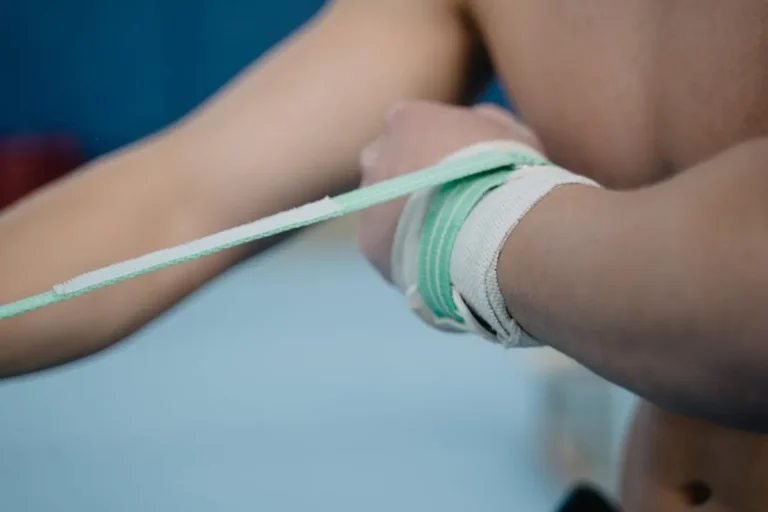
Coaches teach proper grip from the outset, often demonstrating how to wrap the hand around the bar. Grip strength exercises (e.g., dead hangs, pull-ups) are integrated into conditioning. For hand placement, gymnasts practice specific widths, often using tape markers on the bar. Emphasis is placed on a firm, active grip throughout the swing, with chalk application taught as a critical safety measure.
Kip and Cast Handstand Inconsistencies
These are fundamental bar transitions that require precise timing, body tension, and strength.
Common Mistakes:
- Lack of Body Tension or Late Hip Drive (Kip): A "floppy" body or mistimed hip drive prevents the gymnast from getting over the bar efficiently.
- Bent Arms in Cast Handstand: Similar to floor handstands, bent arms in a cast handstand indicate insufficient strength or improper technique, hindering the ability to hold a strong, vertical position.
Coaching Fixes:
Kip drills often involve resistance bands or spotting to help gymnasts feel the correct "hollow to arch" body shape transition and the powerful hip drive. Cast handstand progressions begin with cast to horizontal, gradually increasing height, with coaches spotting and providing tactile feedback to ensure straight arms and a tight body line. Repetition and strength conditioning, particularly for shoulders and core, are key.
Pro Tip: Ignoring seemingly minor technical flaws in foundational skills can lead to significant plateaus or even injury. A slight arch in a handstand, if uncorrected, can become a chronic lower back issue or prevent the execution of advanced skills requiring a perfect line. Consistent, early intervention from a knowledgeable coach is invaluable.
Balance Beam Stability and Precision
Wobbles and Falls from Poor Posture
Maintaining balance on the narrow beam demands exceptional posture and proprioception.
Common Mistakes:
- Looking Down or Rounded Shoulders: Shifting gaze downwards or allowing the shoulders to round forward disrupts the center of gravity and leads to instability.
- Bent Knees or Inactive Core: A lack of active leg extension or a disengaged core compromises the rigid body necessary for balance.
Coaching Fixes:
Coaches reinforce "head up, eyes forward" cues, often having gymnasts focus on a distant point. Posture drills, including walking with arms in various positions (e.g., T-shape, high V) and focusing on shoulder retraction, are common. Core engagement exercises and emphasizing "long, strong legs" help maintain a stable base. Starting with low beam work and gradually progressing to high beam allows for confidence building.
Dismount Landing Imperfections
A clean, controlled dismount landing is crucial for both scoring and injury prevention.
Common Mistakes:
- Over-rotation or Under-rotation: Misjudging the rotation for twists or flips leads to unstable or incomplete landings.
- Bent Knees on Landing or Poor Absorption: Landing with locked knees or failing to absorb the impact through the legs can cause jarring impacts and potential joint stress.
Coaching Fixes:
Dismounts are practiced extensively into soft landing mats and pit foam. Coaches use visual cues and verbal commands to guide rotation timing. For landings, the focus is on a "stuck" landing: feet together, knees slightly bent to absorb impact, arms out for balance, and a tight body. Repetition and feedback on body position in the air and on contact are essential, often using video analysis to pinpoint exact moments of error.
Continuous Refinement Through Informed Coaching
The consistent identification and correction of gymnastics mistakes are central to athlete development. Effective coaching moves beyond merely pointing out errors; it involves understanding the root cause, providing targeted drills, offering precise feedback, and fostering a culture of continuous learning. This iterative process, guided by experienced eyes, ensures gymnasts build a robust foundation, refine complex skills, and minimize the risk of injury, enabling them to reach their full potential in a demanding sport.
Frequently Asked Questions
Why are fundamental body shapes so important in gymnastics?
Fundamental body shapes like hollow and arch are critical because they form the basis of almost every skill. Mastering them ensures efficient power transfer, stability, and control, reducing the energy required for movements and minimizing injury risk.
How can coaches identify subtle technical errors?
Experienced coaches use a combination of slow-motion video analysis, specific spotting techniques, and an understanding of biomechanics. They observe entry and exit positions, body angles, timing, and force application, often looking for deviations from ideal lines and shapes.
What is the role of repetition in correcting gymnastics mistakes?
Repetition, when coupled with correct technique and feedback, helps to build muscle memory. It reinforces the correct motor patterns, allowing the athlete to perform skills consistently and efficiently without conscious thought, which is vital in fast-paced gymnastics sequences.
How do coaches adapt fixes for different age groups or skill levels?
Coaches adapt by using progressions and regressions. For younger or less experienced gymnasts, fixes involve simpler drills, more spotting, and breaking skills into smaller, manageable components. For advanced athletes, corrections might focus on minute details, power optimization, or consistency under pressure, often using more advanced training aids.