Establishing an effective home gymnastics practice setup requires careful consideration of space, safety, and the specific skills a gymnast aims to develop. The right equipment can significantly enhance skill acquisition, strength, and flexibility, bridging the gap between gym sessions. However, selecting appropriate gear involves more than just purchasing miniature versions of gym apparatus; it necessitates understanding how each piece contributes to technique refinement and injury prevention within a home environment. Understanding how each piece contributes to technique refinement and injury prevention within a home environment is key to a safe practice.
This guide focuses on practical, durable, and space-conscious equipment options that support various gymnastic disciplines, from floor work and balance to strength training and tumbling. Each recommendation highlights its primary utility, benefits, and limitations, helping you make informed decisions that align with your gymnast's training goals and your home's spatial constraints.
Key Considerations for Home Gymnastics Equipment
Before investing in any equipment, evaluate these critical factors to ensure your selections are both effective and safe:
- Available Space: Measure your practice area. Consider height for bars and tumbling, and length for beams and mats. Folding or inflatable options are ideal for multi-purpose rooms.
- Gymnast's Skill Level: Beginners benefit from lower, more stable equipment, while advanced gymnasts may require items that support higher-impact or more complex movements. Equipment designed for progressive learning is often a wise choice.
- Safety Features: Prioritize equipment with non-slip surfaces, stable bases, and adequate padding. Always ensure sufficient clear space around apparatus to prevent collisions.
- Durability and Materials: Look for robust construction materials like high-density foam, solid wood, and heavy-duty vinyl or suede. Equipment should withstand repeated use and maintain structural integrity.
- Portability and Storage: If space is at a premium, choose items that can be easily folded, deflated, or disassembled and stored away when not in use.
- Budget: Home equipment ranges widely in price. Determine your budget upfront and prioritize essential pieces that offer the most value for skill development.
1. Folding Balance Beams
Folding balance beams provide a practical solution for gymnasts to practice balance, walks, leaps, and turns without requiring a dedicated gym space. Typically constructed from wood or high-density foam with a suede-like cover, these beams emulate the feel of a competition beam but can be folded in half for storage under a bed or in a closet. Their lower profile, often 6-8 inches off the ground, reduces the risk of injury during initial skill acquisition.
Best for: Beginners and intermediate gymnasts focusing on fundamental beam skills, limited home practice areas, and easy storage.
Pros:
- Space-efficient design allows for easy setup and breakdown.
- Lower height provides a safer learning environment for new skills.
- Durable construction with authentic feel for skill transfer.
- Relatively affordable compared to full-sized beams.
Cons:
- Limited height prevents practice of advanced dismounts or high-level choreography.
- Stability can vary; lighter models may shift on smooth floors without proper grip.
- Not suitable for routines requiring significant height or spring.
Verdict: An essential piece for foundational beam work, offering practical utility for space-constrained homes. Its primary value lies in skill repetition and confidence building at a safe height, preparing gymnasts for full-sized apparatus.
2. Panel Mats
Panel mats are fundamental for any home gymnastics setup, providing cushioned landing surfaces for tumbling, stretching, and conditioning. These mats typically consist of multiple high-density foam panels covered in durable vinyl, connected by hook-and-loop fasteners. They fold into compact sections for storage and can be configured in various layouts to suit different exercises or available space.
Best for: Tumbling passes, conditioning exercises, stretching, and general safety padding under other equipment.
Pros:
- Versatile for a wide range of floor exercises and landings.
- Portable and easy to store due to their folding design.
- Offers significant impact absorption, reducing strain on joints.
- Can be connected to create larger practice areas.
Cons:
- Can be heavy and bulky depending on size and thickness.
- May slide on smooth floors without an anti-slip mat underneath.
- Not sufficient for high-impact vaulting or advanced tumbling without additional layers.
Verdict: A cornerstone of home gymnastics, providing essential safety and a versatile surface for almost any floor-based activity. Its adaptability makes it a primary investment for gymnasts of all levels.
3. Junior Training Bars
Junior training bars, often referred to as kip bars or adjustable horizontal bars, allow gymnasts to practice basic bar skills like pullovers, casts, and kips in a controlled home environment. These freestanding units feature adjustable height settings and a stable base, providing a safe alternative to full-sized gym bars. They are typically constructed from steel with a fiberglass rail, designed for stability during dynamic movements.
Best for: Young gymnasts learning foundational bar skills, developing upper body strength, and improving grip.
Pros:
- Adjustable height accommodates growing gymnasts and various skill levels.
- Provides a stable and secure platform for repetitive skill practice.
- Develops crucial upper body and core strength specific to bars.
- Safer for learning new skills than full-height apparatus.
Cons:
- Requires a significant dedicated space due to its footprint.
- Can be expensive compared to other home equipment.
- Not suitable for advanced, high-amplitude bar routines.
- Some models may require additional weight or anchoring for maximum stability.
Verdict: An invaluable tool for developing fundamental bar proficiency. Its adjustable nature and robust construction make it a long-term investment for serious young gymnasts, provided adequate space is available.
4. Incline Mats (Cheese Mats)
Incline mats, commonly known as cheese mats due to their wedge shape, are versatile training aids used for teaching a variety of tumbling and vaulting skills. Their sloped surface assists gymnasts in understanding body positions and momentum for movements like forward rolls, backward rolls, walkovers, and handsprings. They are typically made from firm foam with a durable vinyl cover and are often foldable for storage.
Best for: Learning and refining tumbling progressions, vaulting drills, and developing body awareness for rotational skills.
Pros:
- Facilitates skill acquisition by leveraging gravity to assist movement.
- Provides a soft, forgiving surface for repetitive practice.
- Versatile for a wide range of skills across different levels.
- Many models fold for easier storage and transport.
Cons:
- Can be bulky even when folded, requiring substantial storage space.
- Specific size and incline angle may limit its utility for all skills.
- Higher cost compared to basic panel mats.
Verdict: A highly effective piece for accelerating skill development in tumbling and vaulting. Its ability to simplify complex movements makes it a worthwhile investment for gymnasts working on progression.
5. Octagon Tumblers
Octagon tumblers are cylindrical foam shapes with eight flat sides, designed to assist gymnasts in learning and perfecting rotational skills like back handsprings, front handsprings, and walkovers. By providing support and guiding the body through the correct shape, these tumblers help build confidence and muscle memory. They are constructed from high-density foam covered in heavy-duty vinyl and come in various sizes to match the gymnast's height.
Best for: Developing back handsprings, front handsprings, and other rotational tumbling skills, particularly for intermediate gymnasts.
Pros:
- Specifically designed to aid in learning complex rotational skills.
- Provides a safe and supportive way to practice body shapes.
- Reduces fear and builds confidence during skill acquisition.
- Durable construction withstands repeated use.
Cons:
- Limited to specific rotational skills, not as versatile as mats.
- Can be bulky to store, especially larger sizes.
- Requires open floor space for effective use.
Verdict: A targeted training tool that significantly aids in mastering specific tumbling elements. Its specialized design makes it highly effective for gymnasts ready to tackle more advanced rotational movements.
6. Air Tracks (Inflatable Tumble Tracks)
Air tracks are inflatable mats that provide a bouncy, resilient surface for tumbling, jumps, and conditioning. These tracks mimic the spring of a competition floor, allowing gymnasts to practice passes with less impact on their joints and more airtime. They are made from durable PVC material, inflate quickly with an electric pump, and deflate for compact storage, making them suitable for both indoor and outdoor use.
Best for: Tumbling passes, rebound training, jumps, and reducing impact during repetitive skill practice for all skill levels.
Pros:
- Significantly reduces impact, promoting safer and longer practice sessions.
- Provides excellent rebound for higher jumps and more powerful tumbling.
- Portable and easy to store when deflated, despite their large size when inflated.
- Adjustable air pressure allows customization of bounciness.
Cons:
- Requires an electric pump for inflation and deflation.
- Can be expensive, representing a significant investment.
- Risk of puncture if not used on a clear, smooth surface.
- Requires a large, clear area when in use.
Verdict: A premium piece of equipment for serious tumblers, offering unparalleled spring and impact absorption. While a significant investment, its benefits for skill progression and injury prevention are substantial.
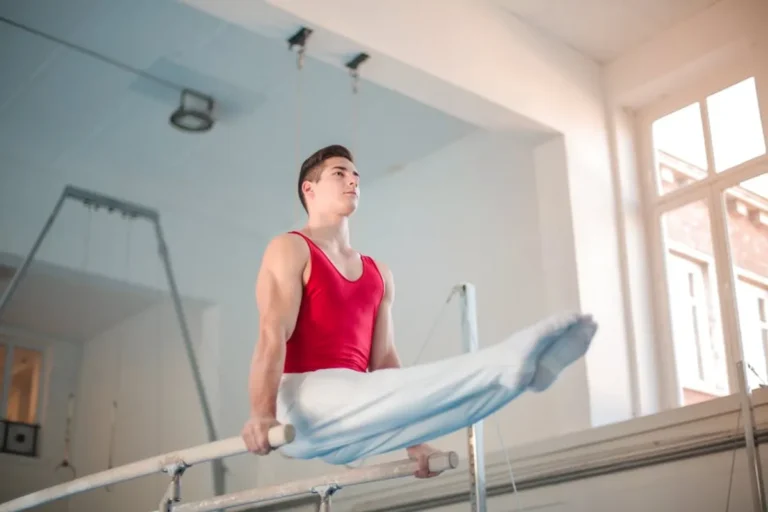
7. Handstand Trainers / Parallettes
Handstand trainers and parallettes are low-profile bars or platforms designed to improve handstand stability, strength, and wrist conditioning. Parallettes, resembling mini parallel bars, elevate the hands, reducing wrist strain and allowing for a deeper range of motion in push-ups and L-sits. Handstand trainers often provide a smaller, more stable base for focused handstand practice. They are typically constructed from wood, PVC, or steel.
Best for: Developing handstand balance, upper body strength, core stability, and wrist flexibility for all gymnastic disciplines.
Pros:
- Improves wrist strength and flexibility, crucial for handstands and tumbling.
- Enhances stability and control during handstand practice.
- Compact and portable for use in small spaces.
- Versatile for various bodyweight strength exercises beyond handstands.
Cons:
- Requires a solid foundation in basic handstand form before advanced use.
- Can be uncomfortable for wrists initially if not accustomed to the grip.
- Limited utility for skills not involving hand support.
Verdict: An excellent, cost-effective tool for fundamental strength and balance development. Essential for any gymnast aiming to master handstands and build foundational upper body control.
8. Gymnastic Rings with Stand
Gymnastic rings, when paired with a freestanding pull-up or ring stand, offer a comprehensive training solution for upper body strength, core stability, and advanced bodyweight skills. Rings provide an unstable grip, forcing greater muscle activation and improving proprioception. The stand allows for adjustable height and secure attachment, making them suitable for exercises like dips, rows, muscle-ups, and L-sits.
Best for: Advanced strength training, developing ring-specific skills, and enhancing overall body control for experienced gymnasts.
Pros:
- Develops exceptional upper body and core strength due to instability.
- Versatile for a wide range of bodyweight exercises.
- Improves grip strength and shoulder stability.
- Stand provides a secure and adjustable platform for safe practice.
Cons:
- Requires significant investment for a quality stand and rings.
- Demands a dedicated space for the stand.
- High skill requirement; not suitable for beginners without proper progression.
- Assembly of the stand can be time-consuming.
Verdict: A powerful training system for advanced gymnasts seeking to build elite strength and master complex bodyweight movements. The investment is justified by its comprehensive strength-building capabilities.
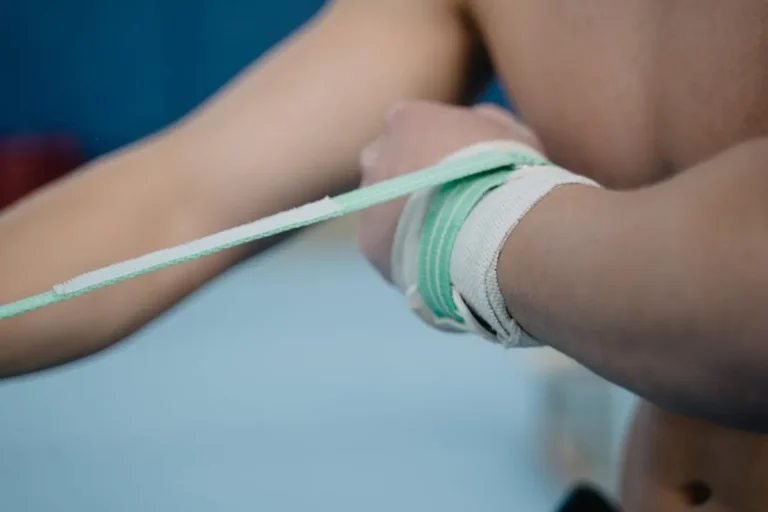
9. Stretching Bands and Flexibility Trainers
Stretching bands and dedicated flexibility trainers are simple yet highly effective tools for improving range of motion, increasing flexibility, and aiding in active stretching. Bands provide progressive resistance for assisted stretching, while trainers (like oversplit stretchers or leg stretch machines) offer controlled, deeper stretches for specific muscle groups. These tools are portable and require minimal space, making them ideal for daily flexibility routines.
Best for: Enhancing flexibility, increasing range of motion, injury prevention, and active recovery for all gymnasts.
Pros:
- Affordable and highly portable for use anywhere.
- Allows for targeted stretching of specific muscle groups.
- Can assist in achieving deeper stretches safely.
- Improves overall body awareness and control.
Cons:
- Requires consistent, correct use to see significant results.
- Improper technique can lead to overstretching or injury.
- Does not directly contribute to skill acquisition on apparatus.
Verdict: An indispensable accessory for any gymnast, regardless of skill level. Consistent use of these tools directly supports injury prevention and performance by maintaining and improving flexibility.
10. Crash Pads / Spotting Blocks
Crash pads, also known as landing mats or spotting blocks, are thick, soft foam mats designed to provide maximum impact absorption for landings, falls, and spotting. They are significantly thicker and softer than panel mats, offering a high degree of protection. Spotting blocks are smaller, firmer versions used by coaches to assist gymnasts or to elevate a landing surface. These are essential for safely practicing higher-risk skills.
Best for: Providing a safe landing zone for dismounts, high-impact tumbling, and practicing skills with a higher risk of falling.
Pros:
- Offers superior impact absorption compared to standard mats.
- Crucial for safety when practicing advanced or new skills.
- Reduces the fear of falling, encouraging bolder attempts.
- Durable outer shell withstands heavy use.
Cons:
- Very bulky and difficult to store due to thickness.
- Can be expensive, especially larger sizes.
- Requires a large dedicated space for deployment.
- Not suitable for active tumbling; primarily for static landings.
Verdict: A non-negotiable safety investment for gymnasts practicing advanced or high-risk skills at home. While large and costly, the protection it offers is paramount for preventing serious injury.
11. Wall-Mounted Pull-Up Bar
A wall-mounted pull-up bar is a simple, space-efficient tool for developing upper body and core strength, crucial for all gymnastics disciplines. Unlike door-frame bars, wall-mounted versions are permanently fixed, offering superior stability and weight capacity. They allow for a wider range of grip positions and can support gymnastic rings or resistance bands for varied exercises.
Best for: Building foundational upper body strength, grip strength, and core stability in a space-efficient manner.
Pros:
- Extremely stable and secure when properly installed.
- Space-saving design, as it protrudes minimally from the wall.
- Versatile for pull-ups, chin-ups, leg raises, and hanging stretches.
- Supports additional equipment like resistance bands or rings.
Cons:
- Requires permanent installation into wall studs, which may be a deterrent for renters.
- Limited to exercises performed directly below the bar.
- Height is fixed once installed, potentially limiting utility for very short or tall individuals.
Verdict: An excellent, durable, and space-conscious investment for consistent strength training. Its stability and versatility make it a fundamental piece for gymnasts focusing on upper body conditioning.
12. Resistance Bands
Resistance bands are highly versatile and portable tools for strength training, conditioning, and flexibility work. Available in various resistance levels, they can be used to add challenge to bodyweight exercises, assist with pull-ups, or deepen stretches. Their compact size makes them ideal for any home practice space, and they provide a different type of resistance compared to free weights or bodyweight alone.
Best for: Strength and conditioning, muscle activation, assisted stretching, and adding progressive resistance to bodyweight exercises for all skill levels.
Pros:
- Extremely portable, lightweight, and requires minimal storage space.
- Affordable and available in a wide range of resistance levels.
- Versatile for targeting various muscle groups and exercise types.
- Provides accommodating resistance, which is effective for muscle building and rehabilitation.
Cons:
- Can snap or wear out over time, requiring replacement.
- May roll or pinch skin during certain exercises if not positioned correctly.
- Does not offer the same type of resistance as free weights for maximum strength gains.
Verdict: An indispensable, low-cost accessory that significantly enhances any home gymnastics routine. Their versatility and portability make them a must-have for targeted conditioning and flexibility work.
Maximizing Your Home Practice Setup
Acquiring the right equipment is only one part of an effective home practice strategy. To truly maximize your setup, consider these additional points:
- Structured Training: Follow a structured plan from a qualified coach or reputable online resource. Random practice yields limited results.
- Dedicated Zone: Designate a specific area for gymnastics. This helps maintain focus and ensures safety by keeping the space clear of obstacles.
- Consistent Safety Checks: Regularly inspect all equipment for wear and tear. Ensure mats are properly aligned and bars are stable before each session.
- Cross-Training: Integrate strength, flexibility, and conditioning exercises that complement your gymnastics skills. Resistance bands and parallettes are excellent for this.
- Goal Setting: Set clear, achievable goals for your home practice. This provides motivation and a framework for measuring progress.
Frequently Asked Questions About Home Gymnastics Equipment
Is home gymnastics practice safe?
Home practice can be safe and highly beneficial when appropriate equipment is used, proper technique is followed, and a safe environment is maintained. Always prioritize safety mats, ensure equipment stability, and avoid attempting skills beyond your current ability without supervision.
What is the most versatile piece of home gymnastics equipment?
Panel mats are arguably the most versatile. They provide a safe surface for tumbling, stretching, conditioning, and can be used as padding under other equipment. Their folding design adds to their utility in various home settings.
How much space do I need for a home gymnastics setup?
The required space varies significantly depending on the equipment. A balance beam or small panel mat might fit in a bedroom, while a junior training bar or air track demands a garage, basement, or large living area. Always measure your space and check equipment dimensions before purchasing.
Can I really improve significantly with home equipment alone?
Home equipment can significantly aid in skill retention, strength development, and flexibility