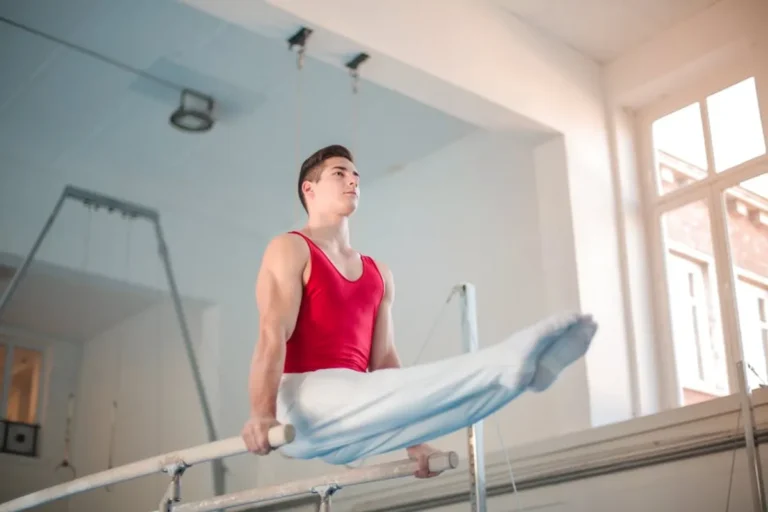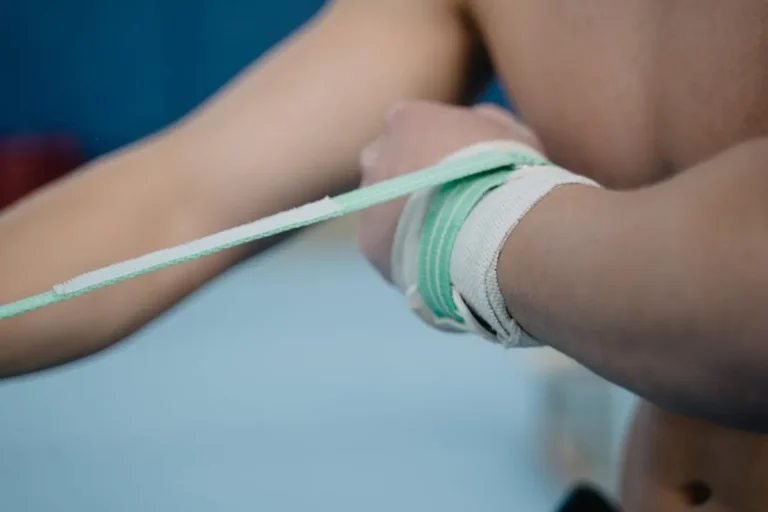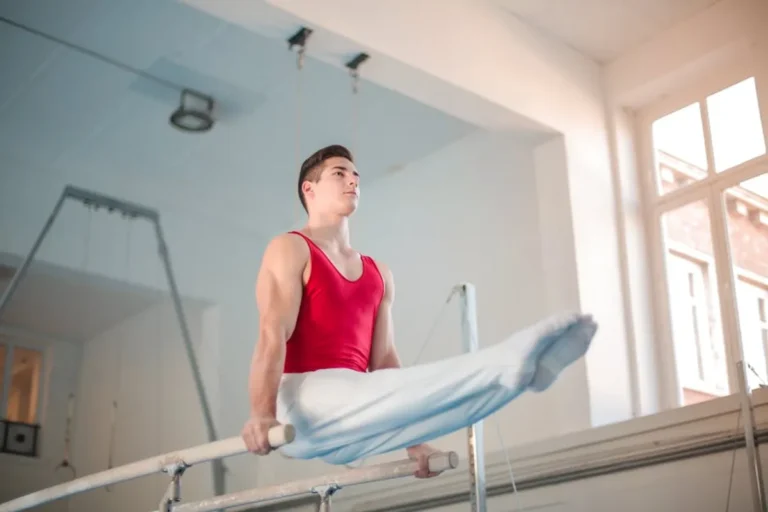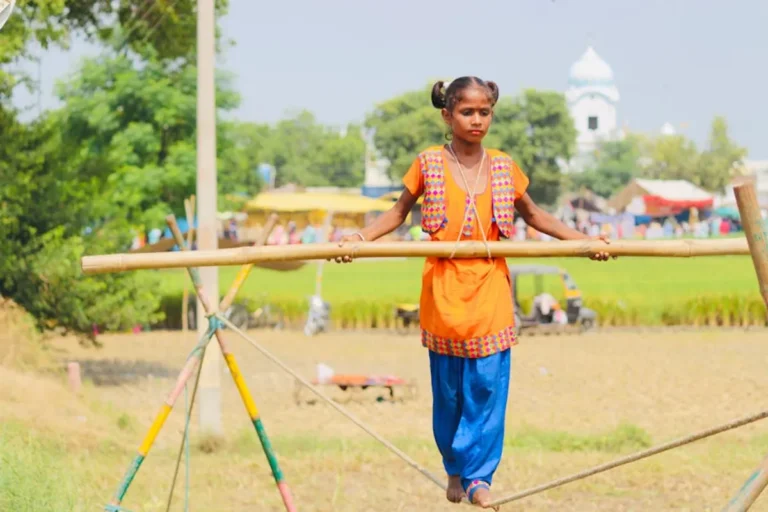

Gymnastics demands a unique blend of strength, flexibility, power, and precision. While the sport offers significant physical and mental benefits, its high-impact nature and complex movements inherently carry a risk of injury. For athletes, coaches, and parents, understanding how to mitigate these risks is not merely a safety concern but a fundamental aspect of sustained performance and long-term participation. This guide outlines actionable strategies to prevent common gymnastics injuries, focusing on proactive measures that safeguard athlete well-being.
Understanding the Mechanics of Gymnastics Injuries
Injuries in gymnastics typically fall into two broad categories: acute and overuse. Acute injuries result from a sudden, specific event, such as a fall or an awkward landing, leading to sprains, strains, fractures, or dislocations. Overuse injuries, conversely, develop gradually over time due to repetitive stress on muscles, tendons, ligaments, and bones without adequate recovery. Examples include stress fractures, tendonitis, and growth plate issues in younger athletes. Effective prevention requires addressing both categories through a multi-faceted approach that considers training load, physical preparation, and environmental factors.
The Critical Role of Physical Preparation
A well-rounded physical conditioning program forms the bedrock of injury prevention. This extends beyond merely practicing routines and involves targeted strength, flexibility, and endurance training.
- Strength Training: Focus on developing core strength, upper body power for apparatus work, and lower body stability for landings and vaults. Incorporate exercises that mimic gymnastics movements but with controlled resistance.
- Examples: Hollow body holds, arch holds, pull-ups, push-ups, squats, lunges, plyometrics.
- Flexibility and Mobility: Dynamic warm-ups are crucial before training to prepare muscles and joints for movement, while static stretching post-workout helps improve range of motion. Prioritize flexibility in shoulders, hips, and spine.
- Cardiovascular Endurance: Essential for maintaining performance throughout long training sessions and competitions, reducing fatigue-related errors.
Precision in Technique and Skill Progression
Improper technique is a primary contributor to both acute and overuse injuries. Learning and reinforcing correct form from the outset minimizes undue stress on joints and muscles. Coaches play a vital role in this by:
Structured Skill Progression: Introducing new skills incrementally, ensuring mastery of foundational movements before advancing to more complex ones. Rushing skill acquisition often leads to compensatory movements that increase injury risk.
Repetitive Drills with Feedback: Consistent practice with immediate, constructive feedback helps athletes refine their technique. Video analysis can be a powerful tool for visual learners to identify and correct errors.
Spotting Protocols: Qualified coaches must employ proper spotting techniques to assist athletes during challenging skills, preventing falls and providing physical support until the athlete can execute the movement independently and safely.
Pro Tip: Never ignore persistent pain. Differentiating between muscle soreness and actual injury pain is crucial. Athletes should be encouraged to communicate any discomfort immediately to their coach or medical professional. Pushing through pain can escalate a minor issue into a chronic or severe injury, often requiring extended recovery periods.
Optimizing Training Environment and Equipment
The physical environment and equipment used in gymnastics significantly impact safety. Ensuring these elements are optimally maintained and utilized is a non-negotiable aspect of injury prevention.
Matting and Landing Surfaces: Adequate matting, including crash mats, landing mats, and safety zones around apparatus, is essential to absorb impact and reduce the severity of falls. Mats should be regularly inspected for wear and tear, and replaced as needed.
Apparatus Inspection and Maintenance: All gymnastics apparatus (bars, beam, vault, floor) must be routinely inspected for structural integrity, loose parts, and proper padding. Regular maintenance schedules prevent equipment failure, which can lead to serious accidents.
Appropriate Attire: Athletes should wear comfortable, close-fitting athletic wear that allows for a full range of motion without snagging on equipment. Footwear, if worn, should provide proper grip and support.
Nutrition, Hydration, and Recovery Protocols
Beyond the gym, an athlete's lifestyle directly influences their resilience to injury. Proper nutrition, hydration, and adequate rest are fundamental for tissue repair, energy levels, and overall physical integrity.
Balanced Nutrition: A diet rich in lean proteins, complex carbohydrates, healthy fats, vitamins, and minerals supports muscle repair, bone health, and energy production. Sufficient caloric intake is critical, especially for growing athletes, to prevent energy deficits that can compromise bone density and immune function.
Consistent Hydration: Dehydration impairs performance, reduces mental focus, and can contribute to muscle cramps and fatigue, increasing injury risk. Athletes should drink water consistently throughout the day, not just during training.
Adequate Rest and Sleep: The body repairs and rebuilds during sleep. Chronic sleep deprivation impedes recovery, weakens the immune system, and can lead to overtraining syndrome, making athletes more susceptible to injury and illness. Scheduled rest days and active recovery (e.g., light stretching, walking) are equally important for physical and mental rejuvenation.
Proactive Steps for Athlete Longevity
Preventing gymnastics injuries is an ongoing process that requires vigilance from athletes, coaches, and support staff. Implementing these strategies systematically fosters an environment where athletes can develop their skills safely and sustainably, promoting long-term participation and success in the sport.
Frequently Asked Questions About Injury Prevention
How often should gymnasts rest?
Gymnasts should incorporate at least one to two full rest days per week to allow their bodies to recover and repair. Active recovery days with light activities like walking or swimming can also be beneficial, but complete rest is crucial for preventing overtraining.
What are the most common gymnastics injuries?
Common gymnastics injuries include wrist sprains, ankle sprains, Achilles tendonitis, lower back pain (e.g., spondylolysis), shoulder impingement, and various knee injuries. Growth plate injuries are also prevalent in younger gymnasts due to repetitive stress on developing bones.
Can nutrition really impact injury risk?
Yes, nutrition significantly impacts injury risk. Adequate caloric intake, especially from quality protein for muscle repair, carbohydrates for energy, and essential vitamins and minerals (like calcium and Vitamin D for bone health), supports tissue integrity and recovery, making the body more resilient to the stresses of training.
When should an athlete see a doctor for gymnastics pain?
An athlete should see a doctor if pain is persistent, sharp, accompanied by swelling or bruising, limits range of motion, or affects their ability to perform daily activities. Early medical evaluation can prevent minor issues from becoming chronic problems.