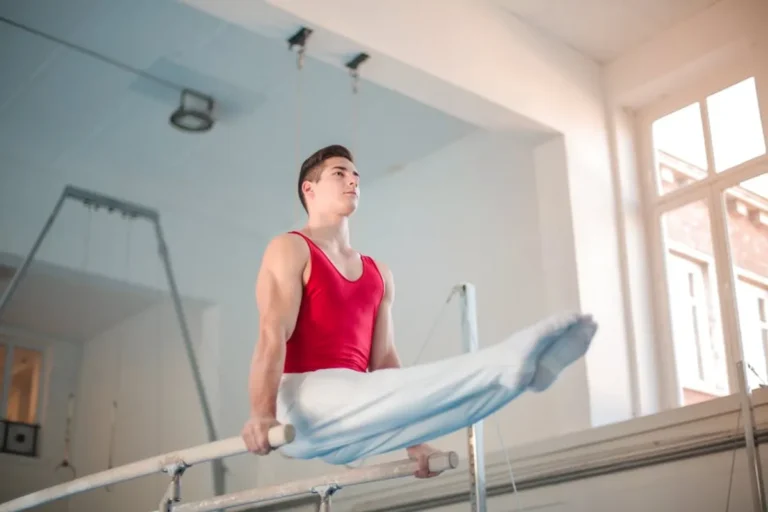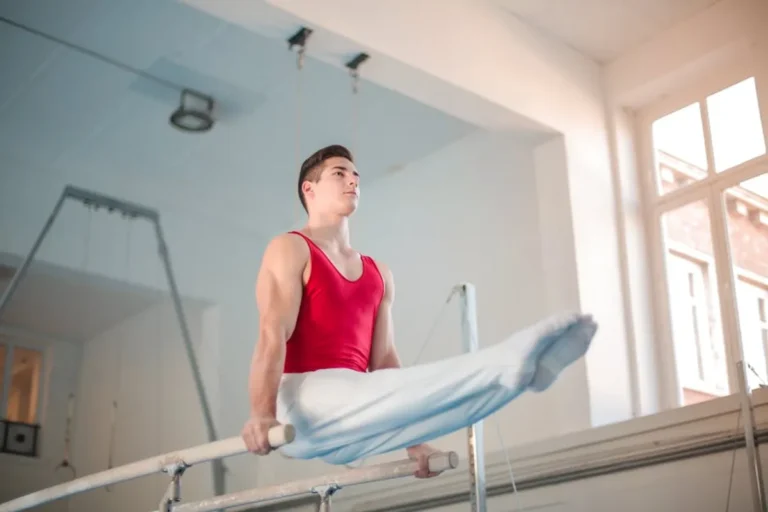
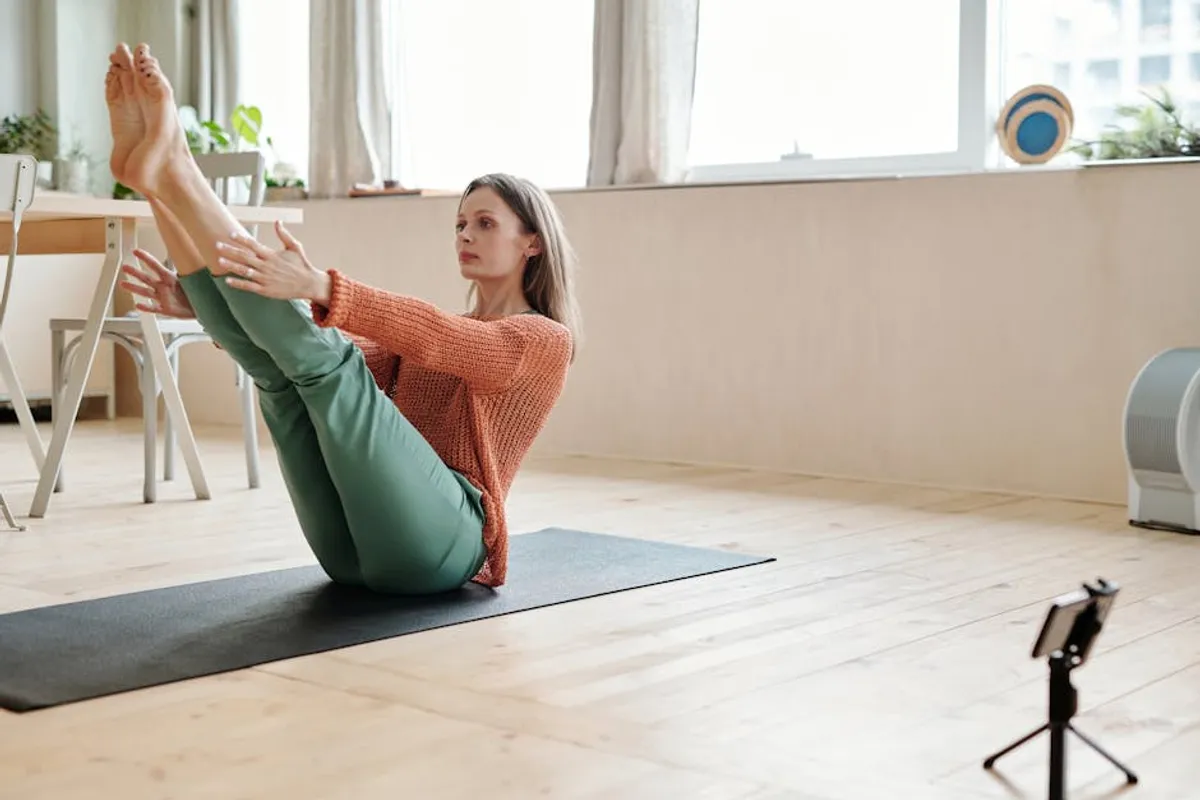
Improving flexibility and balance represents a foundational investment in long-term physical health, impacting everything from daily functional movement to athletic performance and injury prevention. For individuals aiming to maintain independence as they age, enhance sports-specific skills, or simply alleviate common aches and stiffness, targeted exercises are not optional but essential. This guide details specific exercises and practices that effectively address both flexibility and balance, providing a clear framework for integrating them into any fitness regimen. Understanding the distinct benefits and considerations for each option allows for a tailored approach, ensuring that effort translates into tangible gains in mobility, stability, and overall physical resilience. This guide details specific exercises and practices that effectively address both flexibility and balance, providing a clear framework for integrating them into any fitness regimen, and you can start by focusing on improving flexibility and balance.
Factors to Consider When Choosing Flexibility and Balance Exercises
Selecting the most effective flexibility and balance exercises requires an assessment of individual needs, current physical condition, and specific objectives. For those new to exercise or recovering from injury, low-impact, controlled movements are paramount to build a safe foundation. Individuals with specific athletic goals, such as improving a golf swing or enhancing running efficiency, might prioritize dynamic stretches and sport-specific balance drills. Consider your available time; some practices like Tai Chi require dedicated sessions, while simple static stretches can be integrated throughout the day. Equipment needs are also a factor, though many effective exercises require only bodyweight. Prioritize consistency over intensity, ensuring the chosen exercises are sustainable within your lifestyle. Always consult with a healthcare professional before starting any new exercise program, especially if you have pre-existing conditions or concerns about joint health.
1. Yoga
Yoga is a holistic practice integrating physical postures (asanas), breathing techniques (pranayama), and meditation. Its efficacy in simultaneously enhancing flexibility and balance stems from sustained holds in various poses that lengthen muscles and connective tissues, alongside movements that challenge proprioception and core stability. Practices like Hatha, Vinyasa, and restorative yoga each offer different approaches, from flowing sequences that build heat and dynamic balance to gentle stretches that cultivate deep flexibility and relaxation. The emphasis on controlled breathing further supports mental focus, which is crucial for maintaining challenging balance poses and deepening stretches.
Best for: Individuals seeking a comprehensive approach to physical and mental well-being, improving overall body awareness, reducing stress, and developing sustained flexibility and balance.
Pros: Improves range of motion, strengthens stabilizing muscles, enhances body awareness, reduces stress, and offers scalable difficulty for all levels. Many styles cater to different needs.
Cons: Requires consistent practice to see significant results. Some advanced poses can be challenging for beginners without proper instruction, risking injury if form is incorrect.
Verdict: Yoga stands as a highly effective, integrated solution for flexibility and balance, offering significant benefits beyond physical attributes, provided consistent and mindful practice is maintained.
2. Pilates
Pilates is a system of exercises developed by Joseph Pilates, focusing on strengthening the core muscles, improving postural alignment, and enhancing flexibility. It emphasizes precise, controlled movements, often performed on a mat or specialized equipment. The method targets deep abdominal muscles, the pelvic floor, and the back, which are critical for supporting the spine and maintaining overall stability. By stabilizing the core, Pilates indirectly improves balance, while its focus on lengthening muscles through controlled resistance enhances flexibility, particularly in the spine and hips. The deliberate pace and emphasis on breath control make it accessible yet challenging.
Best for: Core strengthening, improving posture, rehabilitation from injuries, and developing controlled, functional flexibility and balance. Ideal for those who prefer structured, precise movements.
Pros: Builds core strength effectively, improves body alignment, increases body awareness, enhances muscular endurance, and is low-impact, making it suitable for many populations.
Cons: Can be expensive if using specialized equipment or private instruction. Proper form is crucial, requiring attentive instruction to avoid reinforcing poor movement patterns.
Verdict: Pilates is a potent method for cultivating core stability and controlled flexibility, directly contributing to improved balance and reduced risk of back pain, making it a valuable addition to any routine.
3. Tai Chi
Tai Chi is an ancient Chinese martial art practiced for health benefits, characterized by slow, continuous, flowing movements. These movements, often described as "meditation in motion," are performed with deep breathing and mental focus. The practice systematically shifts body weight from one leg to the other, requiring constant engagement of stabilizing muscles and proprioceptive awareness. This continuous, mindful weight transfer and coordination significantly enhance dynamic balance, reducing fall risk, especially in older adults. The gentle, expansive movements also promote joint mobility and muscle flexibility without high impact.
Best for: Improving dynamic balance, reducing fall risk, enhancing joint mobility, and fostering mental calm. Particularly beneficial for older adults or those seeking a gentle, meditative exercise.
Pros: Low-impact and accessible to most fitness levels, significantly improves balance and coordination, reduces stress and anxiety, and enhances body awareness and concentration.
Cons: The slow, deliberate nature may not appeal to those seeking high-intensity workouts. Requires consistent practice to master the intricate sequences and achieve full benefits.
Verdict: Tai Chi offers a unique blend of physical and mental benefits, making it an exceptional choice for improving dynamic balance, flexibility, and overall well-being, especially for populations at risk of falls.
4. Single-Leg Balance
The Single-Leg Balance exercise, often performed as a simple standing hold on one leg, directly challenges the body's ability to maintain equilibrium. It requires active engagement of the ankle, knee, and hip stabilizers, along with core muscles. By reducing the base of support, the exercise forces the nervous system to recalibrate and refine proprioceptive feedback, leading to improved balance control. Variations can include closing the eyes, standing on an unstable surface (like a cushion), or incorporating arm movements to increase difficulty. Consistent practice strengthens the small muscles responsible for ankle stability and enhances neural pathways for balance.
Best for: Directly improving static balance, strengthening ankle and knee stabilizers, and enhancing proprioception. A fundamental exercise for all ages and fitness levels.
Pros: Requires no equipment, can be done anywhere, effectively targets balance mechanisms, and helps prevent falls and ankle sprains. Easily modifiable for various skill levels.
Cons: May initially be challenging for individuals with significant balance deficits or inner ear issues. Progress can feel slow without consistent tracking of hold times or added difficulty.
Verdict: A cornerstone exercise for balance improvement, the Single-Leg Stand is indispensable due to its simplicity, effectiveness, and direct impact on reducing fall risk and enhancing lower body stability.
5. Heel-to-Toe Walk
The Heel-to-Toe Walk, also known as the tandem walk, involves placing the heel of one foot directly in front of the toes of the other foot with each step. This exercise significantly narrows the base of support, forcing the body to engage its balance systems more intensely than regular walking. It trains dynamic balance, coordination, and proprioception, as the brain must constantly adjust to maintain a straight line while moving. It's a common test for neurological function and an excellent functional exercise that mimics walking on uneven or narrow surfaces, improving confidence and stability in daily activities.
Best for: Improving dynamic balance, coordination, and gait stability. Ideal for enhancing functional balance for walking and navigating varied terrains.
Pros: Requires no equipment, can be performed in small spaces, directly translates to improved walking stability, and is a simple yet effective way to challenge balance.
Cons: Can be frustrating for individuals with severe balance impairments. May not provide sufficient challenge for highly advanced individuals without adding external distractions or surfaces.
Verdict: The Heel-to-Toe Walk is a practical and highly effective exercise for refining dynamic balance and coordination, offering direct benefits for everyday mobility and fall prevention.
6. Bird-Dog
The Bird-Dog exercise is performed on all fours, involving the simultaneous extension of one arm and the opposite leg. This movement challenges core stability, balance, and coordination by requiring the maintenance of a neutral spine while shifting the center of gravity. It strengthens the deep core muscles (transversus abdominis and multifidus) and the glutes, which are crucial for spinal support and pelvic stability. By improving core control, the Bird-Dog indirectly enhances overall balance and body awareness, making it a foundational exercise for both injury prevention and functional movement.
Best for: Developing core stability, improving coordination, and enhancing balance, particularly useful for individuals with lower back pain or those needing to build a strong foundational core.
Pros: Low-impact, strengthens core and glutes without spinal compression, improves posture, and enhances body control and coordination. Easily scalable by adjusting the range of motion.
Cons: Proper form is critical to avoid arching the lower back, requiring mindful execution. May not be challenging enough for individuals with advanced core strength without modifications.
Verdict: The Bird-Dog is an excellent, low-risk exercise for building core strength and stability, which are fundamental components for robust balance and a healthy spine.
7. Cat-Cow Stretch
The Cat-Cow stretch is a gentle, flowing movement performed on all fours that mobilizes the spine through flexion and extension. As the spine rounds (Cat position) and arches (Cow position), the muscles along the back and abdomen are alternately lengthened and contracted. This exercise improves spinal flexibility, increases blood flow to the intervertebral discs, and enhances body awareness of spinal movement. While primarily a flexibility exercise for the spine and hips, the controlled movement and engagement of core muscles also contribute to better overall body control and coordination, indirectly supporting balance by improving trunk mobility.
Best for: Improving spinal mobility and flexibility, relieving back stiffness, and enhancing body awareness. Suitable for warm-ups, cool-downs, or daily mobility maintenance.
Pros: Gentle, low-impact, accessible to most fitness levels, and effective for improving spinal health and flexibility. Can be performed without equipment.
Cons: May not provide sufficient challenge for advanced flexibility goals. Individuals with acute back injuries should consult a professional before performing.
Verdict: The Cat-Cow stretch is a fundamental and highly beneficial exercise for promoting spinal flexibility and overall body mobility, laying a crucial foundation for both balance and injury prevention.
8. Hamstring Stretch (Static)
A static hamstring stretch involves holding the muscle in a lengthened position for an extended period, typically 20-30 seconds. Common variations include seated forward folds, standing toe touches, or lying on your back with one leg extended upwards, holding behind the thigh or calf. Tight hamstrings can limit hip flexion, contribute to lower back pain, and hinder proper gait mechanics, which can indirectly affect balance. By improving hamstring flexibility, this stretch allows for a greater range of motion in the hips and pelvis, promoting better posture and more efficient movement patterns.
Best for: Increasing flexibility in the hamstrings, alleviating lower back tension, and improving hip mobility. Essential for those with sedentary lifestyles or active individuals with tight posterior chains.
Pros: Simple to perform, requires minimal to no equipment, and directly addresses a common area of tightness. Effective for increasing passive range of motion.
Cons: Holding static stretches for too long or forcing them can lead to injury. Less effective for dynamic flexibility needed in sports compared to dynamic stretching.
Verdict: A critical exercise for improving lower body flexibility, the static hamstring stretch is fundamental for maintaining healthy hip mechanics and reducing the risk of musculoskeletal issues that can impact balance.
9. Dynamic Leg Swings
Dynamic leg swings involve controlled, rhythmic movements of the leg through its full range of motion. These can be performed forward and backward (sagittal plane) or side to side (frontal plane). Unlike static stretches, dynamic swings prepare muscles for activity by increasing blood flow, warming up joints, and improving active range of motion. They also challenge balance and coordination as the body stabilizes itself through the swinging motion. This type of flexibility training is highly functional, mimicking movements found in sports and daily activities, making muscles more pliable and responsive.
Best for: Warm-ups before physical activity, improving active range of motion, and enhancing dynamic flexibility and coordination for sports and functional movements.
Pros: Improves blood flow and joint lubrication, increases active flexibility, enhances coordination, and is highly functional for athletic performance. Requires no equipment.
Cons: Can be challenging to control for beginners, potentially leading to compensatory movements if not performed with proper technique. Less effective for increasing passive, end-range flexibility.
Verdict: Dynamic leg swings are an invaluable tool for preparing the body for movement, enhancing active flexibility, and improving coordination, making them essential for athletes and active individuals.
10. Foam Rolling
Foam rolling is a self-myofascial release (SMR) technique that applies pressure to specific points on the body to release muscle tightness and trigger points. By rolling over a foam roller, individuals can break up adhesions in the fascia (connective tissue) and improve muscle elasticity. This process increases tissue pliability, leading to an improved range of motion and reduced muscle soreness. While not a direct balance exercise, enhanced flexibility and reduced muscle tension allow for better posture, more efficient movement patterns, and ultimately, a more stable and balanced body. It's often used as part of a warm-up or cool-down routine.
Best for: Improving muscle flexibility and range of motion, reducing muscle soreness, and aiding in recovery. Beneficial for athletes and anyone experiencing muscle tightness.
Pros: Improves tissue quality and elasticity, increases range of motion, can help alleviate muscle knots, and is a cost-effective self-treatment method.
Cons: Can be uncomfortable or painful initially. Requires correct technique to be effective and avoid bruising or injury. May not be suitable for all muscle groups or conditions.
Verdict: Foam rolling is a highly effective method for improving tissue flexibility and reducing muscle restrictions, which indirectly supports better posture and movement, contributing to overall physical balance.
11. Wall Angels
Wall Angels are a corrective exercise performed with the back pressed against a wall, focusing on improving shoulder mobility, posture, and thoracic spine extension. By attempting to keep the head, upper back, and glutes against the wall while sliding the arms up and down in a "snow angel" motion, individuals can address tightness in the chest and shoulders, and strengthen the muscles that retract the scapulae. This exercise directly combats the rounded shoulder posture common with prolonged sitting, thereby improving spinal alignment. Better posture and upper body mobility contribute to a more stable core and overall better balance, especially during dynamic movements.
Best for: Correcting poor posture, improving shoulder mobility and stability, and alleviating upper back and neck tension. Ideal for desk workers or those with rounded shoulders.
Pros: Requires no equipment, effectively improves posture and upper body alignment, increases shoulder and thoracic spine mobility, and can reduce discomfort from prolonged sitting.
Cons: Can be challenging to maintain proper contact with the wall for individuals with significant postural issues. May not provide sufficient challenge for advanced shoulder mobility goals.
Verdict: Wall Angels are an excellent, accessible exercise for improving upper body posture and mobility, which are fundamental for supporting a stable trunk and enhancing overall balance.
12. Calf Raises
Calf raises involve rising up onto the balls of your feet, engaging the calf muscles (gastrocnemius and soleus), and then slowly lowering back down. While primarily a strength exercise for the lower legs, performing calf raises, especially single-leg variations, significantly enhances ankle stability and proprioception. Strong and responsive calf muscles are crucial for absorbing impact, pushing off the ground, and making micro-adjustments necessary to maintain balance. Improved ankle strength and range of motion directly translate to better stability during walking, running, and standing, reducing the risk of ankle sprains and falls.
Best for: Strengthening calf muscles, improving ankle stability, and enhancing proprioception in the lower legs. Beneficial for athletes, older adults, and anyone seeking better lower body control.
Pros: Simple to perform anywhere, strengthens key muscles for walking and running, improves ankle stability, and can be done without equipment or with added weights for progression.
Cons: May not directly address flexibility issues in other areas of the body. Over-reliance on momentum rather than controlled movement can reduce effectiveness.
Verdict: Calf raises are a foundational exercise for building lower leg strength and ankle stability, both of which are critical components for robust balance and efficient movement.
Integrating Exercises and Measuring Progress
To maximize the benefits of flexibility and balance exercises, consistency is paramount. Aim for at least 10-15 minutes of dedicated practice most days of the week, or integrate shorter bouts throughout your day. For flexibility, hold static stretches for 20-30 seconds, never bouncing. For balance, challenge yourself to increase hold times or add subtle movements once a static position feels stable. Listen to your body; stretches should feel like a gentle pull, not pain. Tracking progress can involve noting increased range of motion (e.g., how far you can reach in a stretch), longer balance hold times, or improved ease in performing daily tasks. For instance, if you struggled to stand on one leg for 10 seconds, celebrate when you can hold it for 20. If you track your ability to touch your toes, note the incremental improvements. These tangible metrics reinforce commitment and demonstrate the practical impact of your efforts. Consider incorporating a variety of exercises to prevent adaptation and continually challenge different muscle groups and balance systems.
Frequently Asked Questions
How often should I perform flexibility and balance exercises?
For optimal results, aim for at least 3-5 times per week. Short, consistent sessions are more effective than infrequent, long ones. Daily practice of a few minutes can yield significant improvements over time.
Can these exercises be done every day?
Yes, most flexibility and balance exercises are low-impact and can be safely performed daily. However, ensure you are not overstretching or causing pain. Listen to your body and allow for rest if muscles feel unusually fatigued or sore.
What if I'm a complete beginner with very poor flexibility or balance?
Start with simpler variations and use support if needed. For balance exercises, stand near a wall or sturdy chair to hold onto. For stretches, only go as far as comfortable. Consistency at a low intensity will build a foundation for progression.
When will I start to see results from these exercises?
Improvements in flexibility can often be noticed within 2-4 weeks of consistent practice, with greater range of motion. Balance improvements may take slightly longer, typically 4-8 weeks, as they involve neurological adaptations and muscle strengthening. Individual results vary based on starting point and dedication.
Do I need any special equipment for these exercises?
Many effective flexibility and balance