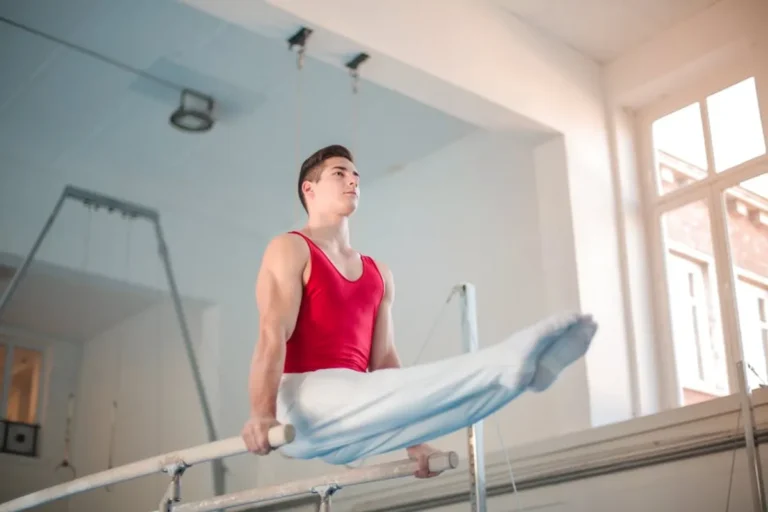

Improving balance, coordination, and core strength forms a fundamental pillar of physical capability, influencing not just athletic performance but also daily functional movement and injury resilience. For professionals navigating demanding schedules, these attributes translate directly into sustained physical comfort, reduced fatigue, and enhanced mental clarity, enabling more consistent output and fewer interruptions due to physical strain. This guide outlines specific, actionable strategies to systematically develop these interconnected physical competencies, focusing on exercises and principles that deliver measurable improvements.
Understanding the Interplay: Balance, Coordination, and Core Stability
Balance, coordination, and core strength are not isolated physical traits; they operate as an integrated system. Core strength provides the stable foundation from which all movement originates and upon which balance is maintained. A strong core stabilizes the spine and pelvis, allowing the limbs to move efficiently and powerfully. Coordination then dictates the smooth, accurate, and efficient interaction of different body parts to achieve a desired movement. Without a stable core, coordinated movements become inefficient, and balance is compromised. Developing these elements concurrently ensures that improvements in one area reinforce the others, leading to a more robust and adaptable physical system.
Targeted Strategies for Enhancing Core Strength
Effective core training extends beyond traditional abdominal crunches, focusing instead on the deep stabilizing muscles that control spinal and pelvic position. These exercises emphasize isometric holds and controlled movements, building endurance and functional strength.
- Hollow Body Holds: This exercise demands full-body tension, specifically targeting the anterior core. Lie on your back, press your lower back into the floor, lift your head and shoulders slightly, and extend your arms and legs. The goal is to maintain a slight curve in the spine while keeping the lower back anchored. Progress by increasing hold duration or lowering the limbs closer to the floor. This develops the ability to resist extension under load, crucial for maintaining spinal integrity.
- Plank Variations: Beyond the standard plank, incorporate side planks and planks with leg or arm lifts. Side planks challenge the obliques and lateral stabilizers, improving rotational stability. Lifting a limb during a standard plank introduces an anti-rotation demand, forcing deeper core engagement to prevent hip or shoulder rotation. Focus on maintaining a rigid body line from head to heels.
- Bird-Dog Exercise: Performed on all fours, this movement requires simultaneously extending an opposite arm and leg while maintaining a neutral spine. It trains anti-rotation and cross-body coordination, crucial for gait and loaded movements. Execute slowly, emphasizing control and minimizing hip or torso sway.
Developing Dynamic Balance and Proprioception
Balance is the ability to maintain your center of mass over your base of support. Proprioception is the body's sense of its position in space. Training both improves reaction time to perturbations and enhances movement precision.
- Single-Leg Stands (Progressive Difficulty): Begin by standing on one leg with eyes open, holding for 30-60 seconds. Progress by closing your eyes, then by performing small, controlled movements with the free leg (e.g., leg swings, toe taps). This directly challenges the ankle and hip stabilizers and enhances proprioceptive feedback.
- Unstable Surface Drills: Utilizing tools like a Bosu ball (flat side down for more challenge) or a stability disc introduces an unpredictable element. Perform squats, lunges, or single-leg stands on these surfaces. The body must constantly make micro-adjustments, significantly improving reactive balance and ankle stability.
- Walking Lunges with Rotation: As you lunge forward, rotate your torso towards the lead leg. This multi-planar movement challenges balance under dynamic load and integrates core stability with lower body movement. Ensure the rotation originates from the core, not just the shoulders.
Refining Coordination Through Movement Patterns
Coordination involves the precise sequencing and timing of muscle contractions. Exercises that demand complex movement patterns or quick changes in direction are highly effective.
- Agility Ladder Drills: Performing various footwork patterns through an agility ladder (e.g., Icky Shuffle, Two In, Two Out) dramatically improves foot speed, spatial awareness, and the ability to rapidly switch between different movement sequences. Start slow, emphasizing accuracy, then increase speed.
- Medicine Ball Throws and Slams: Rotational throws (against a wall) and overhead slams engage the entire kinetic chain, from feet to hands. These exercises develop power, timing, and the coordinated effort of the core, hips, and shoulders. Focus on a fluid, explosive motion rather than brute force.
- Complex Bodyweight Sequences: Movements like burpees, animal flow patterns (e.g., bear crawls, crab walks), or flow yoga sequences combine strength, flexibility, and coordination. They require the body to transition smoothly between different positions, fostering greater control and body awareness.
Pro Tip: Prioritize form over speed or weight. Incorrect execution not only reduces the effectiveness of an exercise but significantly increases injury risk. If an exercise feels awkward or causes pain, scale it back or consult a professional to ensure proper technique before progressing.
Integrating Principles for Sustained Progress
Consistent, intelligent application of training principles ensures ongoing improvement and adaptation.
- Progressive Overload: To continue improving, the body must be consistently challenged. This can mean increasing the duration of holds, the number of repetitions, the range of motion, or the level of instability. For balance, simply closing your eyes or adding a head turn can be sufficient progression.
- Consistency and Frequency: Short, regular sessions (e.g., 10-15 minutes, 3-4 times per week) are often more effective than infrequent, long, intense sessions. The nervous system adapts best to consistent stimuli.
- Mind-Body Connection: Actively focus on the muscles working during each exercise. This conscious engagement enhances proprioception and improves motor control, making each repetition more effective. Avoid mindless repetitions; instead, treat each movement as an opportunity to refine control.
Optimizing Your Training for Lasting Results
Developing superior balance, coordination, and core strength is an ongoing process that yields significant returns in both physical capability and overall well-being. Integrate these exercises strategically into your existing fitness routine, perhaps as a dedicated warm-up, a focused segment, or a cool-down. Listen to your body, recognizing the difference between challenge and pain, and adjust progressions accordingly. The goal is not merely to perform exercises but to cultivate a more resilient, efficient, and responsive physical self, capable of meeting both professional demands and personal pursuits with greater ease and confidence.
Frequently Asked Questions
How often should I train balance, coordination, and core?
Aim for 3-4 sessions per week, with each session lasting 10-20 minutes. Consistency is more critical than intensity for these attributes.
Can these exercises help prevent injuries?
Yes, a strong core provides spinal stability, while improved balance and coordination enhance reaction time and control, significantly reducing the risk of falls and musculoskeletal injuries.
What is the minimum equipment required?
Many effective exercises require no equipment (e.g., hollow body holds, single-leg stands, bird-dog). A yoga mat, a stability disc, or a medicine ball are useful but not strictly essential for starting.
How long until I see improvements?
Noticeable improvements in stability and control can often be felt within 2-4 weeks of consistent practice, with more significant gains in 8-12 weeks.