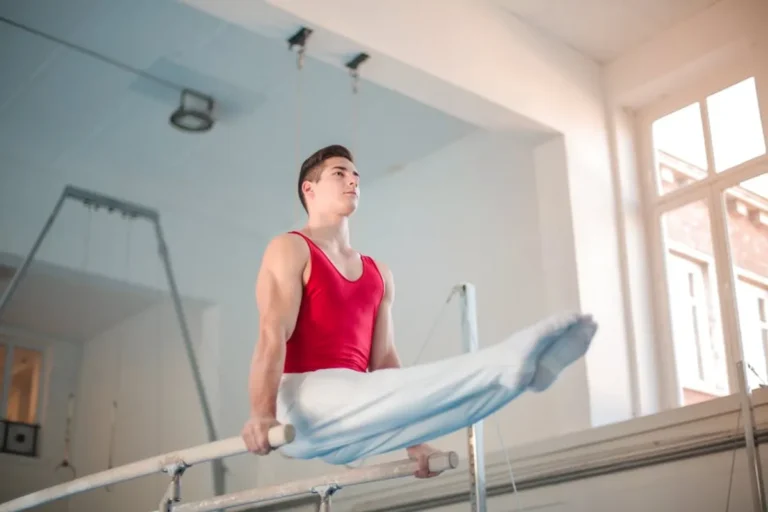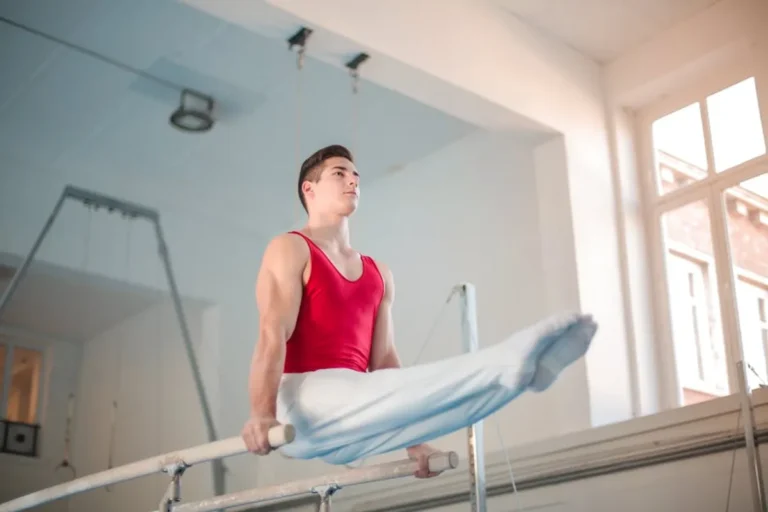
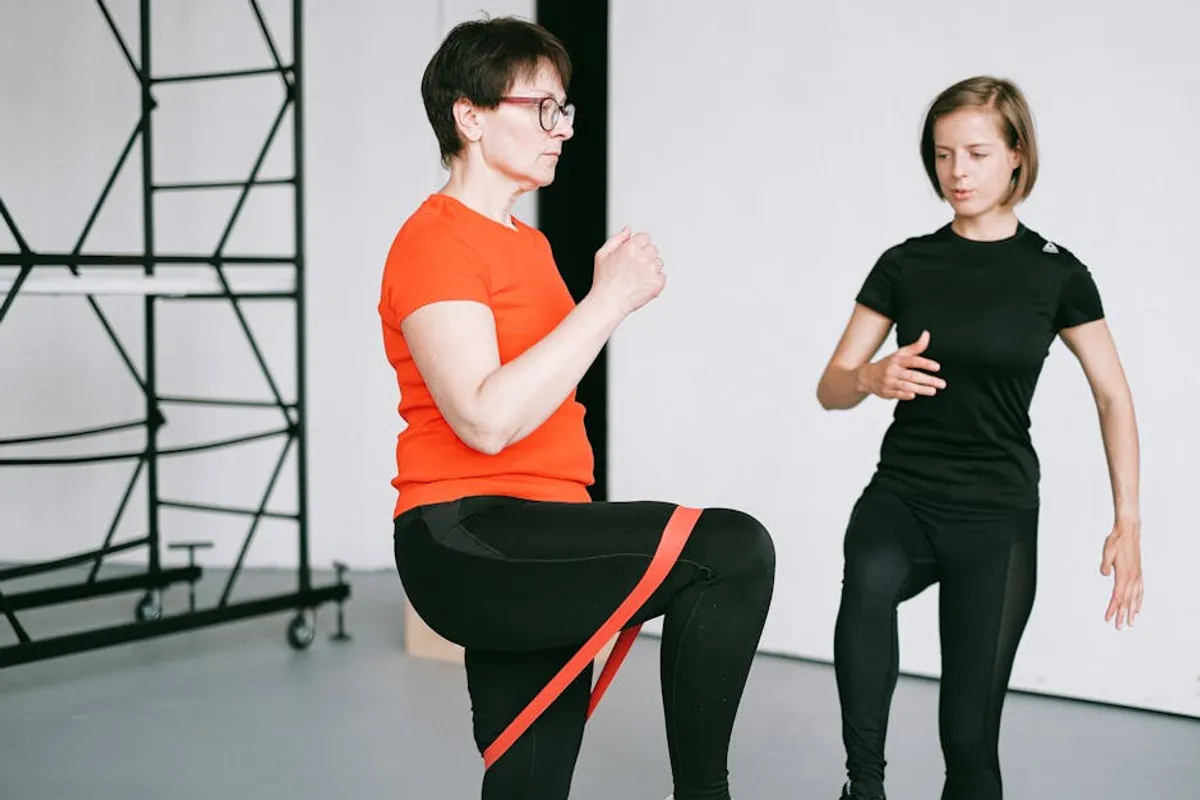
Tumbling demands a unique blend of strength, power, flexibility, and precise body control. While repetitive skill practice builds muscle memory, it is dedicated conditioning that underpins safe progression, injury resilience, and the explosive force required for complex sequences. A targeted conditioning regimen ensures the body can withstand the dynamic stresses of tumbling, translating directly into higher, more controlled, and technically sound execution. Without a foundational level of physical preparedness, tumblers risk plateaus in skill acquisition and increased susceptibility to common injuries affecting shoulders, wrists, core, and lower extremities. This guide details essential conditioning exercises, providing the framework for a robust physical program designed to support and elevate tumbling performance. This foundation is built through strength exercises for gymnasts that target key muscle groups.
Foundational Principles for Tumbling Conditioning
Effective tumbling conditioning extends beyond simply performing exercises; it requires adherence to core principles that maximize results and minimize risk. Firstly, consistency is paramount; sporadic training yields minimal benefits. Regular, structured sessions build cumulative strength and endurance. Secondly, progressive overload ensures continuous adaptation; as the body adjusts to a workload, the intensity, volume, or complexity must increase to stimulate further growth. This could mean adding reps, sets, weight, or decreasing rest times. Thirdly, specificity dictates that exercises should mimic the movements and demands of tumbling; while general fitness is beneficial, targeted movements for core stability, leg power, and upper body strength directly translate to tumbling skills. Finally, recovery is non-negotiable. Adequate rest, nutrition, and hydration allow muscles to repair and grow stronger, preventing overtraining and burnout. Integrating these principles into a conditioning routine creates a sustainable and effective pathway to improved tumbling performance.
1. Hollow Body Holds
Hollow body holds are a fundamental exercise for developing the deep core strength and full-body tension critical for tumbling. This isometric hold teaches the body to maintain a rigid, streamlined shape, which is essential for controlling rotations, landings, and aerial maneuvers. By engaging the entire anterior chain, from abdominals to hip flexors, it builds the foundational stability required to transfer power efficiently and prevent uncontrolled movements during complex skills. Mastery of the hollow body position directly improves tucks, pikes, and layouts, ensuring the body stays tight and connected.
Best for: Building foundational core strength, body tension, and control for all tumbling skills, especially aerials and rotations.
Pros: Requires no equipment, highly scalable for all skill levels, directly translates to improved body shape in tumbling, enhances spinal stability.
Cons: Can be challenging for beginners to maintain proper form, requires keen body awareness to avoid arching the lower back, progress can feel slow.
Verdict: An indispensable exercise that should be a cornerstone of any tumbling conditioning program. Its direct carryover to skill execution makes it a high-priority inclusion.2. Plank Variations
Plank variations offer comprehensive core and shoulder stability, crucial for maintaining a strong, rigid body line during handstands, cartwheels, and round-offs. Beyond the standard plank, side planks target oblique strength for rotational control, while dynamic planks (e.g., plank walks, plank taps) introduce controlled movement under tension, mimicking the active stabilization required during tumbling passes. These exercises strengthen the entire trunk musculature, preventing energy leaks and improving the ability to hold shapes against gravity and momentum.
Best for: Developing static and dynamic core stability, shoulder girdle strength, and full-body tension for hand-supported skills and transitions.
Pros: Versatile with numerous variations, improves posture and spinal health, strengthens deep core muscles, accessible without equipment.
Cons: Repetitive nature can lead to boredom without variation, improper form can strain the lower back, advanced variations require significant control.
Verdict: Essential for tumblers seeking robust core and shoulder stability. Incorporating diverse plank variations ensures comprehensive trunk engagement and functional strength.
3. V-Ups
V-ups are a dynamic core exercise that combines upper and lower abdominal strength with hip flexor engagement, mimicking the powerful crunch and lift required for tuck and pike shapes in the air. This exercise develops explosive core power, teaching the body to quickly contract and bring the extremities towards the center. The coordinated movement of the V-up directly enhances the ability to snap into tight positions during flips and twists, contributing to faster rotation and cleaner landings.
Best for: Developing explosive core power, improving tuck and pike shape execution, and enhancing the ability to quickly close the body angle.
Pros: Builds significant abdominal and hip flexor strength, improves body control through a large range of motion, no equipment needed, scalable with bent-knee variations.
Cons: Can be difficult for individuals with limited core strength or hip flexibility, improper execution can strain the lower back, requires good coordination.
Verdict: A highly effective exercise for tumblers needing to generate rapid, powerful core contractions for aerial maneuvers. It directly addresses the dynamic demands of tumbling.
4. Box Jumps
Box jumps are a plyometric exercise that cultivates explosive leg power, a critical component for generating height and distance in tumbling passes. This exercise trains the fast-twitch muscle fibers in the glutes, hamstrings, and quadriceps to produce maximum force quickly. The act of landing softly on the box also reinforces eccentric strength and absorption, crucial for injury prevention and preparing the body for the impact of tumbling landings. Consistent box jump training directly translates to higher standing tucks, more powerful round-offs, and stronger take-offs for aerial skills.
Best for: Developing explosive lower body power, improving vertical jump height, and enhancing eccentric strength for controlled landings.
Pros: Highly effective for power development, improves coordination and proprioception, can be done with minimal equipment, scalable with box height.
Cons: High impact can be taxing on joints if not performed correctly, requires careful attention to landing mechanics, risk of injury from missed jumps.
Verdict: A cornerstone exercise for tumblers focused on maximizing power and height. Proper technique and progressive loading are essential to harness its benefits safely.
5. Squat Variations
Squat variations, including air squats, goblet squats, and weighted back squats, build foundational lower body strength in the quadriceps, glutes, and hamstrings. This strength is vital for generating the initial push-off in tumbling, absorbing impact, and maintaining stability during landings. Deep squats improve hip and ankle mobility, allowing for a more powerful and efficient take-off. The ability to control the body through a full range of motion in a squat translates directly to the power and stability needed for complex leg-driven tumbling skills.
Best for: Developing comprehensive lower body strength, improving hip and ankle mobility, and enhancing power generation for take-offs and landings.
Pros: Builds functional strength, improves joint mobility, highly versatile with many variations and loading options, accessible for all levels.
Cons: Improper form can lead to knee or back pain, weighted squats require careful progression and spotters, can be limited by existing mobility issues.
Verdict: A fundamental strength exercise that directly supports all aspects of tumbling requiring lower body engagement. Consistent squat training is non-negotiable for power and stability.
6. Lunges
Lunges, in their various forms (forward, reverse, lateral, walking), are critical for developing unilateral leg strength, balance, and hip flexibility—all essential for tumbling. They address muscular imbalances between legs, which is common in sports with asymmetrical movements. The lunge motion mimics the split-leg positions often found in tumbling entries and exits, such as the hurdle step into a round-off or the landing of a punch front. By strengthening each leg independently, lunges improve stability, power transfer, and injury prevention.
Best for: Enhancing unilateral leg strength, balance, hip flexibility, and addressing muscular imbalances relevant to tumbling transitions.
Pros: Improves coordination and proprioception, strengthens stabilizing muscles, can be done anywhere, easily loaded with dumbbells or bodyweight.
Cons: Requires good balance, improper form can stress the knees, can be challenging to maintain stability with added weight.
Verdict: An excellent exercise for building functional leg strength and stability, crucial for the dynamic, often asymmetrical demands of tumbling. Incorporate multiple lunge variations for comprehensive development.
7. Push-Ups
Push-ups are a foundational upper body and core strength exercise that directly supports hand-supported tumbling skills like handsprings, round-offs, and handstands. They build strength in the chest, shoulders, and triceps, while simultaneously engaging the core to maintain a rigid body line. The ability to push the floor away powerfully and stabilize the shoulders under load is paramount for safe and effective execution of these skills. Variations like incline, decline, and plyometric push-ups can further tailor the challenge.
Best for: Developing upper body pushing strength, shoulder stability, and core engagement for hand-supported tumbling skills.
Pros: Requires no equipment, highly scalable for all strength levels, builds functional strength for pressing movements, improves shoulder health.
Cons: Can be difficult for beginners to achieve full range of motion, improper form can strain wrists or shoulders, advanced progression requires significant strength.
Verdict: A cornerstone upper body exercise for tumblers. Consistent push-up training ensures the necessary strength and stability for hand-supported maneuvers and impact absorption.
8. Handstand Holds
Handstand holds are paramount for developing shoulder stability, wrist strength, and precise body control in an inverted position, directly translating to handsprings, aerials, and full body awareness. This isometric exercise strengthens the entire shoulder girdle, triceps, and upper back, while demanding intense core engagement to maintain a straight line from wrists to ankles. Proficiency in handstand holds improves spatial awareness and confidence when upside down, reducing fear and enhancing technical execution of inverted skills.
Best for: Enhancing shoulder stability, wrist strength, inverted body control, and spatial awareness crucial for handsprings and aerials.
Pros: Builds significant upper body and core strength, improves balance and proprioception, no equipment needed, scalable with wall support.
Cons: Requires significant wrist and shoulder mobility, can be intimidating for beginners, risk of falling if not practiced safely, requires consistent practice for mastery.
Verdict: An essential exercise for any tumbler aiming for advanced hand-supported or inverted skills. It directly addresses the unique strength and balance demands of upside-down movements.
9. Pull-Ups / Inverted Rows
Pull-ups and inverted rows build crucial upper body pulling strength in the lats, biceps, and upper back, which is often overlooked in tumbling but vital for shoulder health and stability. While tumbling is primarily a pushing sport, strong pulling muscles help balance the musculature around the shoulder joint, preventing imbalances that can lead to injury. For skills like handsprings, strong lats contribute to maintaining a tight arch and controlling the body’s trajectory. Inverted rows offer an accessible alternative for those not yet able to perform full pull-ups.
Best for: Developing upper body pulling strength, improving shoulder joint health, and balancing pushing muscles for injury prevention.
Pros: Builds significant back and arm strength, improves grip strength, pull-ups are a benchmark of upper body strength, inverted rows are highly scalable.
Cons: Pull-ups can be very challenging for beginners, requires a pull-up bar or sturdy low bar for inverted rows, can strain shoulders if form is poor.
Verdict: Important for comprehensive upper body development and shoulder injury prevention in tumblers. Incorporate these to ensure balanced strength and robust joint support.
10. Calf Raises
Calf raises target the gastrocnemius and soleus muscles, which are critical for ankle stability, explosive plantarflexion, and shock absorption during landings. Strong calves contribute directly to the "punch" off the floor for rebound tumbling, allowing for higher jumps and faster connections. They also play a significant role in stabilizing the ankle joint, reducing the risk of sprains and improving overall foot control during complex sequences. Both standing and seated variations should be included to target different calf muscles.
Best for: Enhancing ankle stability, explosive power for take-offs and rebounds, and improving shock absorption during landings.
Pros: Improves vertical jump power, strengthens ankle joint, reduces risk of ankle injuries, can be done anywhere with or without weight.
Cons: Can be overlooked, progress can feel slow, requires high volume for significant hypertrophy or strength gains.
Verdict: A seemingly simple yet highly effective exercise for tumblers. Strong calves are fundamental for dynamic floor work and injury-resilient landings.
11. Bridge Holds
Bridge holds, particularly gymnastic bridges, are vital for developing spinal flexibility, shoulder mobility, and posterior chain strength, all crucial for arching skills like back handsprings and back tucks. This exercise stretches the hip flexors and abdominals while strengthening the glutes, hamstrings, and lower back. The ability to create a strong, controlled arch without collapsing is a hallmark of efficient back tumbling. Progressive bridge training improves both the aesthetic and safety of these skills.
Best for: Improving spinal flexibility, shoulder mobility, and posterior chain strength for arching skills and back tumbling.
Pros: Enhances flexibility and range of motion, strengthens glutes and hamstrings, improves body control in an arched position, can alleviate lower back stiffness.
Cons: Requires good wrist and shoulder flexibility, can be challenging for beginners, improper form can strain the lower back or neck.
Verdict: Essential for tumblers working on back handsprings, tucks, and other skills requiring significant spinal extension and shoulder mobility. It directly contributes to both performance and injury prevention.
12. Pike Stretch & Compression
The pike stretch, combined with pike compression exercises, focuses on hamstring flexibility and hip flexion strength, crucial for tight tucks, pikes, and clean landings. Deep hamstring flexibility allows tumblers to achieve tight pike shapes in the air, speeding up rotation. Pike compression, involving lifting the legs while seated in a pike, develops the active flexibility and hip flexor strength needed to maintain these shapes against gravity. This combination is fundamental for executing complex aerial maneuvers with precision and control.
Best for: Improving hamstring flexibility, active hip flexion strength, and achieving tight pike shapes for aerial skills and landings.
Pros: Enhances rotational speed in pikes, improves landing control, reduces risk of hamstring strains, can be done anywhere.
Cons: Requires consistent effort to improve flexibility, can be uncomfortable for individuals with tight hamstrings, active compression is challenging.
Verdict: A critical flexibility and active strength exercise for tumblers. Mastering the pike position, both passively and actively, directly impacts the efficiency and aesthetics of many tumbling skills.
Measuring Progress and Adapting Your Conditioning Program
To ensure continuous improvement and prevent plateaus, consistently track your progress and adapt your conditioning program. For strength exercises like squats and push-ups, monitor the number of repetitions, sets, and the weight used. For isometric holds like planks and hollow body holds, record hold times. For plyometric exercises like box jumps, note the height of the box and the number of repetitions. Form quality is equally important; consistently assess technique to ensure exercises are performed effectively and safely, avoiding compensation patterns. As you get stronger, apply the principle of progressive overload: increase the reps, sets, weight, or decrease rest periods. Alternatively, introduce more challenging variations of exercises. If a particular skill feels weak, evaluate which conditioning elements directly support it and intensify that focus. Conversely, if you experience persistent fatigue or discomfort, scale back intensity or increase recovery time. Regularly re-evaluate your tumbling goals and adjust your conditioning to align with your current needs, ensuring a dynamic and responsive training regimen.
Frequently Asked Questions About Tumbling Conditioning
How often should I condition for tumbling?
For optimal results, aim for 2-4 dedicated conditioning sessions per week, in addition to your regular tumbling skill practice. This allows for adequate muscle recovery and adaptation. Beginners might start with 2-3 sessions, while advanced tumblers could benefit from 3-4.
Do I need equipment for tumbling conditioning?
Many effective conditioning exercises, such as hollow body holds, planks, push-ups, and squats, require no equipment. However, incorporating items like resistance bands, dumbbells, a pull-up bar, or a plyometric box can add variety and allow for progressive overload as you get stronger.
How long should a conditioning session last?
A focused conditioning session can range from 30 to 60 minutes, depending on your fitness level and the number of exercises you include. Prioritize quality over quantity, ensuring proper form for every repetition and hold.
Should I condition before or after tumbling practice?
It depends on your primary goal for the day. If skill acquisition is the priority, condition after tumbling practice to avoid fatigue impacting technique. If strength development is the focus, a separate conditioning session or conditioning before a lighter skill practice can be beneficial. Avoid heavy conditioning immediately before attempting new or difficult tumbling skills.
How important is flexibility in tumbling conditioning?
Flexibility is critically important. It allows for greater range of motion, which improves the aesthetic and efficiency of skills, and significantly reduces the risk of muscle strains and other injuries. Incorporate dynamic stretches as a warm-up and static stretches as a cool-down, focusing on areas like hamstrings, hips, shoulders, and spine.