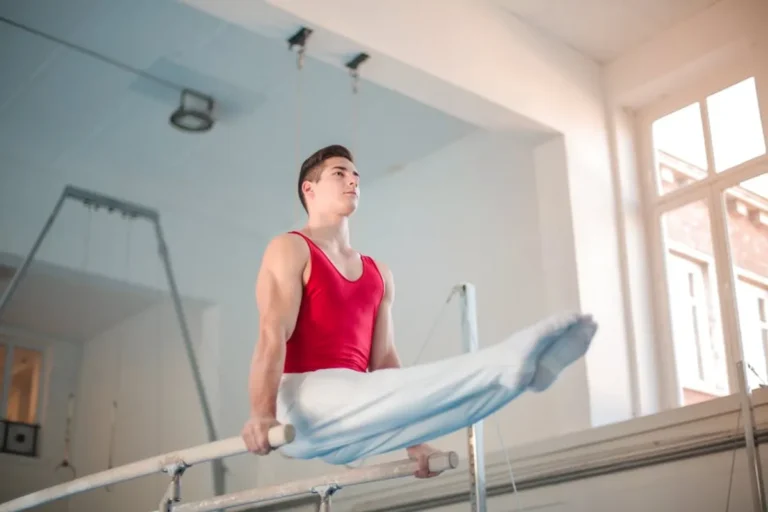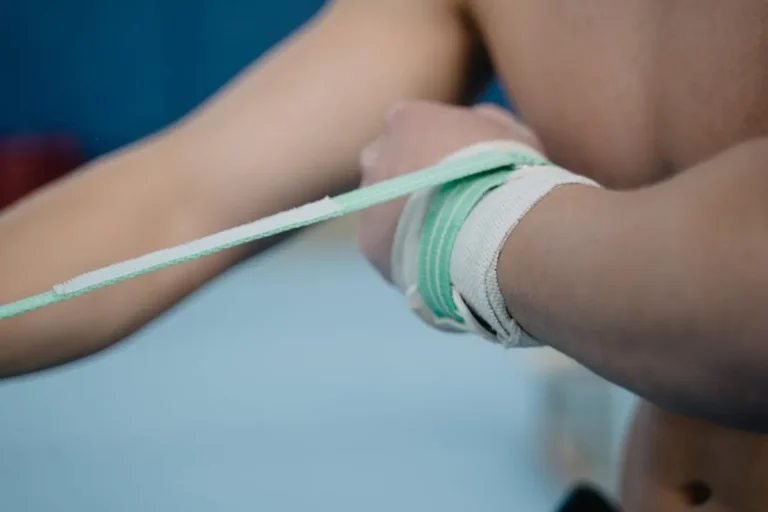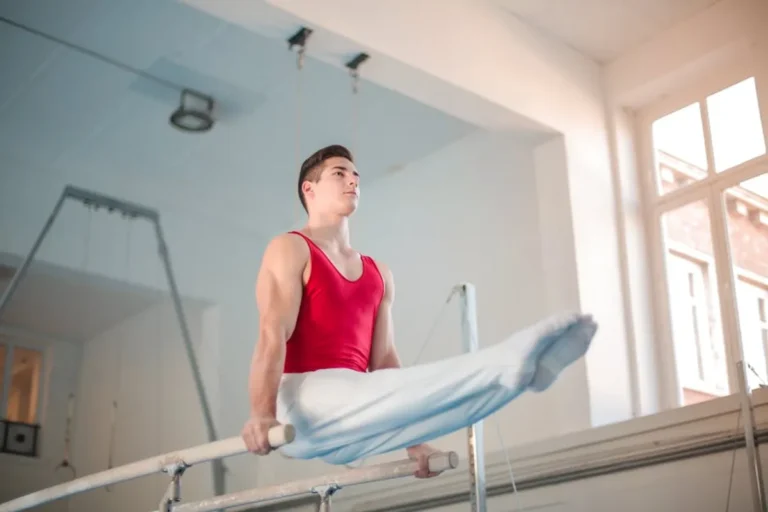

Beginning work on the balance beam introduces a unique set of physical and mental challenges. Unlike floor exercises or vaulting, the beam demands precise control, unwavering focus, and a developed sense of proprioception—your body's awareness in space. For newcomers, the initial apprehension is natural, often stemming from the narrow surface and the perceived height. Successfully navigating these early stages requires more than just physical strength; it necessitates a systematic approach to building confidence, mastering foundational movements, and understanding proper safety protocols. This guide outlines practical, actionable tips specifically designed to equip beginners with the core techniques and mindset needed to progress safely and effectively on the balance beam. This foundational work often includes proper warm-up exercises to prepare the body and mind for the unique demands of the beam.
Establishing Core Stability and Confidence
Before stepping onto the beam, cultivating a strong sense of balance and body awareness on a stable surface is crucial. This pre-beam preparation significantly reduces initial fear and builds a physical memory for controlled movement.
Ground-Level Drills for Body Awareness
Start with exercises that mimic beam movements but eliminate the height factor. These drills build the necessary muscle memory and mental fortitude without the added pressure:
- Walking a Line: Use tape on the floor to create a "beam." Practice walking heel-to-toe, keeping your head up and eyes focused forward. This simulates the narrow path and encourages proper posture.
- Single-Leg Stands: Stand on one foot for increasing durations, aiming for 30 seconds per leg. Integrate arm movements, such as extending them to the sides, to understand how they influence your center of gravity.
- Small Jumps and Landings: Practice controlled jumps in place, landing softly with bent knees. This teaches shock absorption and stability, essential for future dismounts and dynamic beam work.
Mastering the Mount
The first interaction with the beam is the mount. A confident, controlled mount sets the tone for the entire routine. Beginners should focus on a simple, stable entry:
Best for: Building initial comfort and control.
Approach the beam from the side, placing hands firmly on the beam's surface. Push off the floor with your feet, bringing one leg over the beam to sit straddled. Alternatively, bring both feet up to a standing position from the side, ensuring a stable two-foot landing before adjusting to a one-foot stance. The key is a deliberate, unhurried motion, avoiding any rushed or uncontrolled movements.
Fundamental Walking Techniques
Walking on the balance beam is a distinct skill, differing significantly from walking on a flat surface. It requires constant micro-adjustments and a disciplined focus on alignment.
The Standard Walk
This is the cornerstone of all beam work. Precision in foot placement and body alignment is paramount:
Technique Focus: Heel-to-toe progression and upright posture.
Begin by placing your heel directly in front of the toes of your trailing foot, maintaining a straight line. Keep your head lifted, eyes focused on a point at the end of the beam, rather than looking down at your feet. Shoulders should be relaxed and back, with arms extended naturally to the sides, slightly below shoulder height. These arm positions act as natural counterbalances, allowing for subtle weight shifts that maintain equilibrium.
Side Steps and Pivots
Once comfortable with forward walking, introduce lateral movements. These skills are critical for changing direction and preparing for more complex maneuvers.
Application: Navigating the beam and preparing for turns.
For side steps, keep your feet parallel to the beam, stepping one foot out to the side and bringing the other to meet it. Maintain a low center of gravity by slightly bending your knees. Pivots involve turning your body while keeping one foot planted, rotating on the ball of that foot. This requires careful weight transfer and core engagement to prevent tipping.
Developing Essential Beam Skills
Beyond basic walking, beginners should gradually introduce controlled movements that build strength, flexibility, and dynamic balance.
Controlled Displacements
These movements challenge balance in new ways, preparing for more advanced skills:
- Small Steps: Practice taking very short, controlled steps, focusing on precise foot placement. This refines balance control in minute increments.
- Knee Raises: While standing on one foot, slowly raise the other knee to a 90-degree angle, holding briefly before lowering. This strengthens core muscles and improves static balance.
- Relevé: Stand on the balls of your feet (toes), raising your heels off the beam. This increases the challenge to your ankle stability and calf strength, crucial for pointed feet and elevated movements.
The Importance of Focus
Mental focus is as vital as physical technique on the balance beam. Distraction is a primary cause of falls.
Strategy: Maintaining concentration and composure.
Learn to fix your gaze on a distant, stationary point. This 'spotting' technique helps stabilize your visual field and, consequently, your balance. Combine this with controlled breathing—inhaling deeply and exhaling slowly—to calm the nervous system and maintain concentration. A clear mind allows for quicker, more precise physical adjustments.
Safety Protocols and Progression
Safety is non-negotiable for beginners. Adhering to proper protocols ensures a positive learning experience and prevents injury.
Spotting and Mats
Always prioritize safety, especially when attempting new or challenging skills.
Pro Tip: Always practice with safety mats surrounding the balance beam, extending beyond its length. For new or difficult skills, ensure a qualified spotter is present. A spotter can physically assist in maintaining balance or catching a fall, providing a crucial layer of security that builds confidence and allows for bolder attempts.
Gradual Skill Introduction
Resist the urge to rush through skills. Mastery of basics forms the foundation for all subsequent learning.
Approach: Building competence incrementally.
Work on one skill until it feels comfortable and consistent before moving to the next. For instance, ensure your standard walk is solid before attempting side steps, and master side steps before trying pivots. This systematic progression prevents the development of bad habits and ensures each new skill is built upon a strong, stable base.
Building a Solid Foundation on the Beam
Approaching the balance beam as a beginner requires patience, consistent practice, and a methodical approach. Focus on mastering ground-level balance exercises, perfecting the mount, and refining fundamental walking techniques. Integrate controlled movements and prioritize mental focus through spotting and breathing. Always practice with appropriate safety measures, including mats and spotters, and commit to a gradual progression of skills. By adhering to these principles, beginners can build a robust foundation, transforming initial apprehension into confident, controlled movement on the beam.
Frequently Asked Questions
How often should a beginner practice on the balance beam?
For optimal progress, beginners should aim for two to three practice sessions per week, with each session lasting 30-60 minutes. Consistency is more beneficial than infrequent, long sessions, as it allows for muscle memory development and sustained confidence building.
What should I wear when practicing on the balance beam?
Wear comfortable, form-fitting athletic wear that allows for a full range of motion. Avoid baggy clothing that can snag or obscure your body lines. Bare feet or specialized gymnastics slippers are ideal for grip and tactile feedback on the beam surface.
Is it normal to be scared of the balance beam as a beginner?
Yes, it is entirely normal to feel apprehension or fear when first learning on the balance beam. The narrow, elevated surface presents a natural challenge to equilibrium. Acknowledge this feeling, and focus on gradual progression, safety protocols, and building confidence through small, consistent successes.
Can I practice balance beam at home?
Basic balance exercises can be practiced at home using a taped line on the floor or a low, stable surface. However, for actual beam work, it is highly recommended to use a proper balance beam with safety mats and, ideally, supervision from an experienced instructor to ensure correct technique and safety.