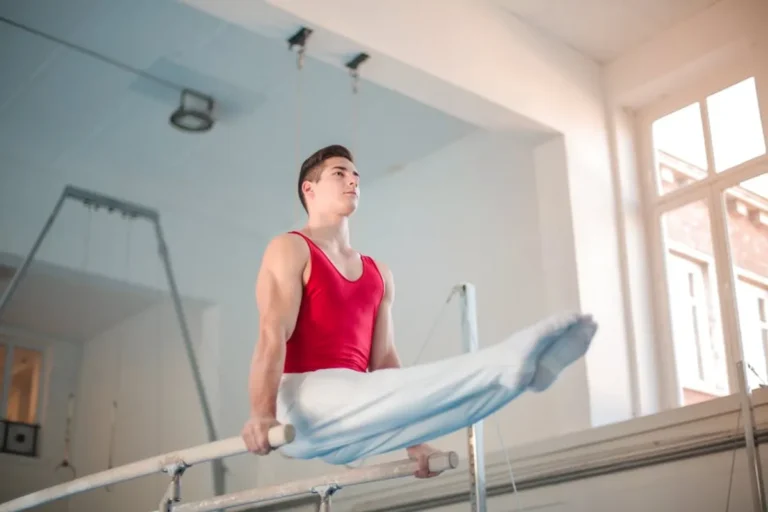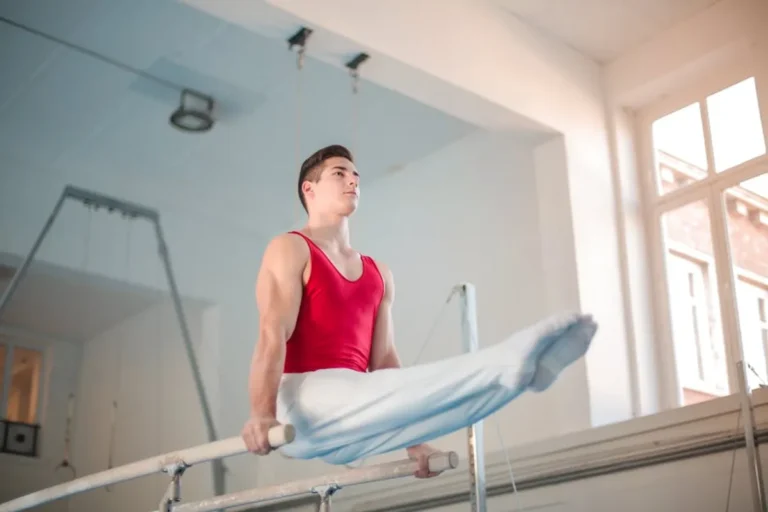
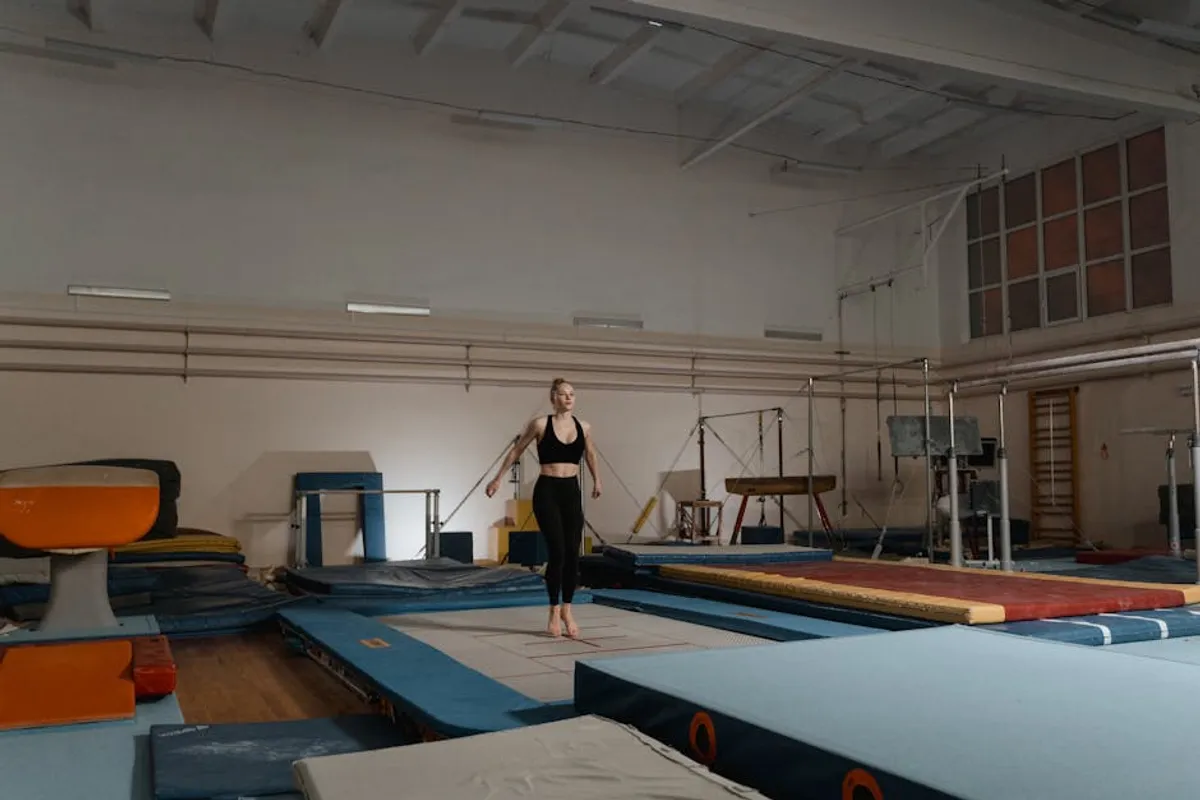
Women’s gymnastics demands a highly specialized approach to strength development, distinct from general fitness or even other athletic disciplines. The objective is not simply to build muscle mass, but to cultivate a specific blend of relative strength, power, endurance, and proprioception that enables complex skills while minimizing injury risk. This guide outlines the critical components of a strength training program designed for female gymnasts, focusing on the physiological demands of the sport and practical application for coaches and athletes.
Foundational Principles of Gymnastics Strength
Effective strength training for women’s gymnastics prioritizes several key physiological adaptations. Absolute strength, or the maximum force a muscle can produce, is essential for static holds and powerful dynamic movements. However, this must be balanced with relative strength—the ability to control one's body weight effectively—which is paramount for aerial skills and intricate apparatus work. Power, the rate at which force is applied, dictates explosiveness for tumbling, vaults, and dismounts. Finally, muscular endurance allows gymnasts to maintain form and execute sequences without fatigue compromising technique or safety.
Training protocols must consider the female athlete's physiology, including hormonal fluctuations, bone density concerns, and specific injury patterns. Programs should be structured to support long-term development, emphasizing proper technique over heavy loads, particularly during developmental stages. The goal is to build a resilient, powerful, and agile body capable of withstanding the repetitive, high-impact nature of gymnastics.
Key Muscle Groups and Their Role
Gymnastics requires comprehensive strength across the entire body, but certain muscle groups bear a disproportionate load and demand targeted development:
- Core (Abdominals, Obliques, Lower Back): The core acts as the central stabilizer for all movements, transferring force between the upper and lower body. A strong core is crucial for maintaining body alignment in handstands, swings, and landings, preventing spinal injuries.
- Shoulders and Upper Back (Deltoids, Rotator Cuff, Lats, Rhomboids): Essential for hanging, pressing, and pulling on bars, rings, and vault. These muscles provide stability and power for handstands, intricate bar transitions, and powerful vaults.
- Hip Flexors and Glutes: Drive leg lifts, powerful kicks, and hip extension for tumbling, jumps, and vaulting. Strong glutes also contribute to hip stability and injury prevention.
- Legs (Quadriceps, Hamstrings, Calves): Critical for explosive power in tumbling, vaulting, and landings. Leg strength contributes to height in jumps and the ability to absorb impact safely.
- Forearms and Grip Strength: Indispensable for maintaining control and security on the uneven bars, balance beam, and vault table. Weak grip compromises safety and skill execution.
Progressive Strength Training Methods
A well-rounded strength program integrates various methods, periodized throughout the training year to align with competition cycles. Progression is key, gradually increasing intensity and complexity.
Bodyweight and Calisthenics
Bodyweight exercises form the foundation of gymnastics strength. They directly translate to sport-specific movements and develop relative strength. Examples include various push-up progressions (pike, handstand), pull-up variations (chin-ups, L-sits), leg raises, planks, and hollow body holds. These exercises build the fundamental control and muscular endurance necessary before introducing external resistance.
Resistance Training with External Loads
While bodyweight is primary, targeted resistance training can supplement development, particularly for building absolute strength and addressing muscular imbalances. This includes:
- Free Weights: Dumbbells and barbells for squats, deadlifts (Romanian deadlifts are often preferred for hamstring focus), overhead presses, and rows. These compound movements engage multiple joints and mimic functional strength patterns.
- Resistance Bands: Useful for targeted activation, pre-habilitation, and adding accommodating resistance to bodyweight movements. They are particularly effective for hip and shoulder stability work.
- Medicine Balls: Employed for explosive power development through throws, slams, and rotational movements, enhancing core power and coordination.
Pro Tip: Prioritize eccentric strength training, especially for lower body and core. Eccentric contractions (the lowering phase of a movement) build resilience in tendons and muscles, which is crucial for absorbing impact during landings and preventing common gymnastics injuries like ACL tears and Achilles tendinopathy. Focus on slow, controlled lowering phases in exercises like squats, pull-ups, and even handstand push-ups.
Plyometrics and Power Development
Plyometric exercises develop explosive power, critical for tumbling passes, vaulting, and dynamic beam skills. This includes box jumps, broad jumps, depth drops, bounding, and various hopping drills. These exercises train the stretch-shortening cycle, improving the speed and force of muscle contractions. Proper landing mechanics must be reinforced during all plyometric training to prevent injury.
Structuring a Training Program
A typical annual strength program might involve:
- General Preparation Phase (Off-Season): Focus on building a broad strength base, addressing weaknesses, and improving general physical preparedness. Higher volume, moderate intensity.
- Specific Preparation Phase (Pre-Season): Transition to more sport-specific strength, integrating bodyweight and plyometrics with resistance training. Moderate volume, increasing intensity.
- Competition Phase: Maintain strength and power with lower volume, high-intensity workouts. Focus on skill maintenance and injury prevention, avoiding excessive fatigue.
- Transition Phase (Post-Season): Active recovery, light activity, and rest to allow for physical and mental recuperation.
Within each phase, individual training sessions should integrate a warm-up, skill-specific drills, strength work, and a cool-down. The frequency of strength sessions typically ranges from 2-4 times per week, depending on the athlete's age, skill level, and overall training load.
Injury Prevention Through Strength
Strength training is a primary tool for injury prevention in gymnastics. Robust muscles and connective tissues are better equipped to handle the stresses of high-impact landings, repetitive movements, and extreme ranges of motion. Specific attention to core stability, shoulder girdle strength, and hip mobility, coupled with balanced development between agonist and antagonist muscle groups, reduces the risk of common injuries such as:
- Lower back pain
- Shoulder impingement and instability
- Knee ligament tears (ACL, MCL)
- Ankle sprains
- Wrist and elbow overuse injuries
Proper technique instruction and gradual progression are non-negotiable elements for safe and effective strength development.
Integrating Strength for Performance
Strength training for women’s gymnastics is not an isolated component but an integral part of the overall athletic development process. It directly underpins the ability to execute complex skills with precision, power, and safety. Coaches and athletes must view strength development as a continuous, adaptable process, responsive to the demands of specific skills, competition schedules, and individual physiological needs. Consistent, intelligent application of these principles will foster a resilient athlete capable of sustained high-level performance and reduced injury risk.
Frequently Asked Questions
How often should gymnasts strength train?
For competitive gymnasts, 2-4 dedicated strength sessions per week are common, integrated into the overall training schedule. The frequency and intensity vary based on the training phase (off-season, pre-season, competition) and the athlete's age and experience level.
Is weightlifting safe for young female gymnasts?
Yes, when supervised by qualified coaches and performed with proper technique, age-appropriate resistance training is safe and beneficial for young athletes. The focus should be on bodyweight exercises initially, progressing to light external loads with an emphasis on form over weight, supporting healthy development and injury prevention.
What is the most important type of strength for gymnastics?
Relative strength (strength-to-bodyweight ratio) is arguably the most critical, as gymnasts must control and manipulate their own bodies in complex ways. However, this must be balanced with power (explosiveness) for dynamic skills and muscular endurance for sustained routines.
How long does it take to see strength gains in gymnastics?
Noticeable strength gains can typically be observed within 4-6 weeks of consistent, progressive training. Significant improvements in skill execution and injury resilience develop over months and years of dedicated, structured strength conditioning.