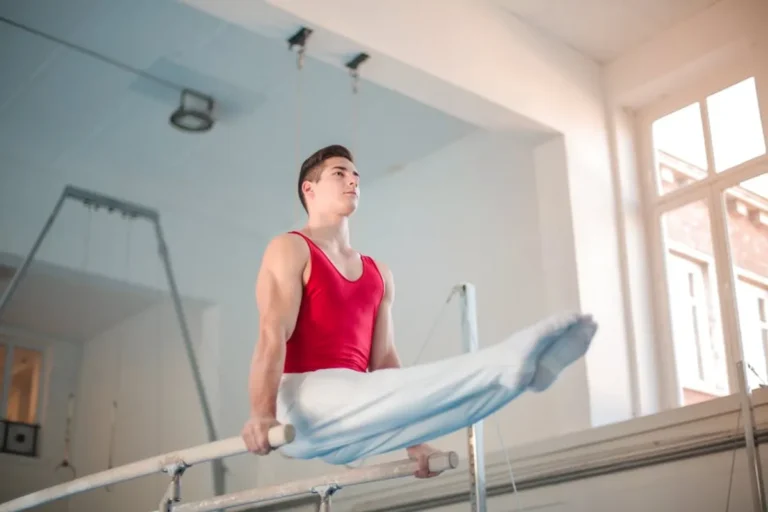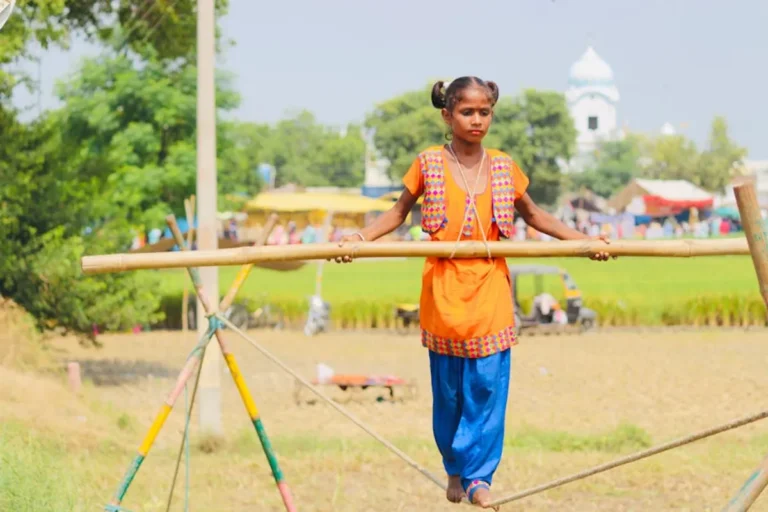

Preventing overtraining in young athletes is critical for their long-term health, sustained performance, and continued enjoyment of sports. While dedicated training is essential for skill development and physical conditioning, pushing young bodies and minds too far can lead to detrimental physical and psychological consequences. These can range from chronic injuries and weakened immune systems to burnout, anxiety, and a complete withdrawal from sports. Understanding the signs and implementing proactive prevention strategies ensures that young athletes can pursue their passions safely and effectively, fostering a positive relationship with physical activity that extends well beyond their competitive years.
Recognizing the Early Warning Signs of Overtraining
Effective prevention begins with vigilance. Overtraining rarely manifests suddenly; it typically presents a series of escalating indicators. Both physical and psychological markers provide crucial clues:
Physical Indicators
- Persistent Fatigue: Beyond typical post-exercise tiredness, a lingering sense of exhaustion that doesn't resolve with usual rest.
- Performance Decline: Noticeable drop in speed, strength, endurance, or skill execution despite continued training.
- Increased Injury Frequency: Recurring muscle strains, joint pain, or overuse injuries (e.g., shin splints, tendinitis) that are slow to heal.
- Frequent Illness: A compromised immune system leading to more colds, flu, or prolonged recovery from minor infections.
- Sleep Disturbances: Difficulty falling asleep, staying asleep, or waking unrefreshed, even after sufficient hours in bed.
- Appetite Changes: Significant decrease or increase in appetite, often accompanied by unintentional weight loss or gain.
Psychological Indicators
- Mood Swings and Irritability: Uncharacteristic emotional volatility, frustration, or anger.
- Lack of Enthusiasm: Decreased motivation, disinterest in training or competition, or expressing dread about practice.
- Increased Anxiety or Depression: Heightened stress levels, feelings of sadness, hopelessness, or withdrawal from social activities.
- Difficulty Concentrating: Reduced focus during training, school, or daily tasks.
- Social Withdrawal: Less engagement with teammates, friends, or family.
Pro Tip: Do not dismiss a young athlete's complaints as mere laziness or lack of commitment. A consistent pattern of even subtle changes in mood, energy, or performance warrants immediate investigation and open dialogue. Early intervention is key to reversing the trajectory toward overtraining syndrome.
Core Strategies for Preventing Overtraining
Prevention requires a multi-faceted approach involving coaches, parents, and the athletes themselves. Structured planning and consistent communication are paramount.
Implement Structured Training Programs
Age-appropriate training is fundamental. Young athletes are not miniature adults; their developing bodies respond differently to stress. Programs should incorporate:
- Periodization: Varying training intensity and volume over cycles (e.g., weekly, monthly, seasonally) to allow for recovery and adaptation. This prevents continuous high-stress loads.
- Gradual Progression: Incremental increases in workload, never sudden jumps. The "10% rule" (not increasing weekly volume by more than 10%) serves as a general guideline.
- Skill Development Focus: Prioritizing technique and fundamental movement patterns over excessive conditioning, especially in younger age groups.
Prioritize Adequate Rest and Recovery
Training adaptations occur during recovery, not during the workout itself. Without sufficient rest, the body cannot repair and rebuild.
- Sufficient Sleep: Young athletes typically require 9-11 hours of sleep per night. Establishing consistent sleep schedules is crucial.
- Scheduled Rest Days: Incorporating at least 1-2 complete rest days per week, free from structured physical activity.
- Active Recovery: Light activities like walking, swimming, or gentle stretching on non-training days can aid circulation and muscle repair without adding significant stress.
- Off-Season Breaks: Providing extended periods (e.g., 1-2 months) away from structured sport-specific training each year allows for physical and mental rejuvenation.
Ensure Balanced Nutrition and Hydration
Proper fueling supports energy demands, recovery, and overall health.
- Macronutrient Balance: Adequate intake of carbohydrates for energy, protein for muscle repair, and healthy fats for hormone production and overall health.
- Hydration: Consistent water intake before, during, and after training is vital for physiological function and performance.
- Nutrient Density: Emphasizing whole foods, fruits, vegetables, and lean proteins to provide essential vitamins and minerals.
For Parents: Focus on providing nutrient-dense meals and snacks, and ensure water bottles are readily available. Avoid relying on processed foods or sugary drinks as primary fuel sources.
Encourage Cross-Training and Variety
Specializing in a single sport too early or training the same muscle groups repeatedly increases the risk of overuse injuries and burnout.
- Diverse Activities: Encourage participation in multiple sports or recreational activities that utilize different muscle groups and movement patterns.
- General Physical Preparedness: Incorporate strength, flexibility, and cardiovascular training that is not sport-specific to build a well-rounded athletic base.
Foster Open Communication
A transparent environment allows athletes to voice concerns without fear of judgment.
- Athlete-Coach Dialogue: Coaches should regularly check in with athletes about how they are feeling, both physically and mentally.
- Parent-Coach Collaboration: Parents and coaches must communicate about training loads, competition schedules, and any observed changes in the athlete.
- Athlete Self-Awareness: Educate young athletes on the signs of overtraining and empower them to report discomfort or fatigue.
Monitor Workload Objectively and Subjectively
Tracking training data helps identify patterns that may lead to overtraining.
- Training Logs: Documenting duration, intensity, and type of activity.
- Rate of Perceived Exertion (RPE): Athletes subjectively rate the intensity of their workouts on a scale (e.g., 1-10), providing insight into their perceived effort and fatigue.
- Objective Metrics: For older athletes, heart rate variability (HRV) or GPS data can offer additional insights, but these should complement, not replace, subjective feedback.
Sustaining Athlete Well-being
Preventing overtraining is not about limiting potential; it is about optimizing it. By adopting a holistic approach that prioritizes rest, nutrition, varied activity, and open communication, coaches and parents create an environment where young athletes can thrive. This proactive stance cultivates physical resilience, mental fortitude, and a lasting love for sport, ensuring that athletic development is a journey of sustainable growth rather than a sprint to burnout. The goal is to build robust, well-adjusted individuals who can enjoy and excel in their chosen activities for many years.
Frequently Asked Questions
What is the difference between overtraining and overreaching?
Overreaching refers to short-term, intensified training that leads to a temporary decrease in performance, typically resolving within a few days to two weeks with adequate rest. Overtraining, conversely, is a more severe and prolonged state of physiological and psychological stress that can take weeks or months to recover from, characterized by persistent fatigue and performance decline.
How much rest do young athletes truly need?
Young athletes generally need 9-11 hours of sleep per night. Beyond sleep, they require at least 1-2 full rest days per week from structured training, and an annual off-season break of 1-2 months from their primary sport to allow for complete physical and mental recovery.
Can overtraining cause permanent damage to a young athlete?
While most effects of overtraining are reversible with proper rest and recovery, prolonged or severe overtraining can lead to chronic injuries, hormonal imbalances, and significant psychological distress that may have long-lasting impacts on an athlete's physical health and mental well-being, potentially leading to early retirement from sports.
What is the most crucial role parents play in preventing overtraining?
Parents play a vital role by advocating for their child's well-being, ensuring adequate rest and nutrition, fostering open communication, and collaborating with coaches to monitor training loads. Their primary responsibility is to prioritize their child's health and enjoyment over competitive outcomes.