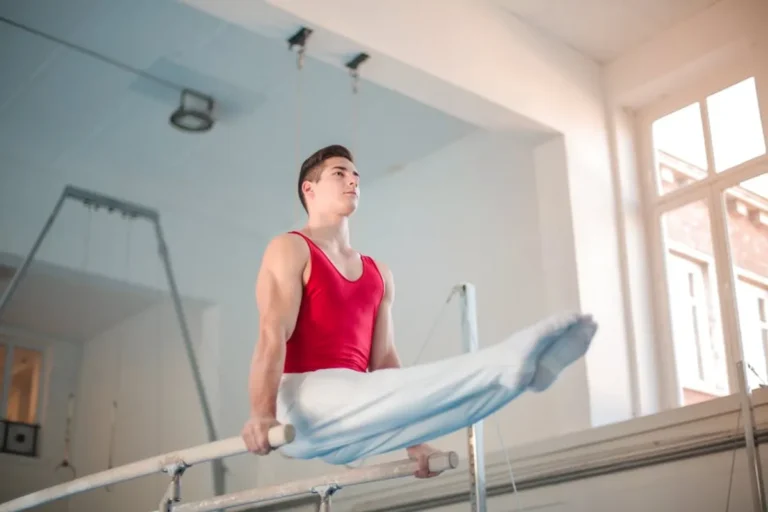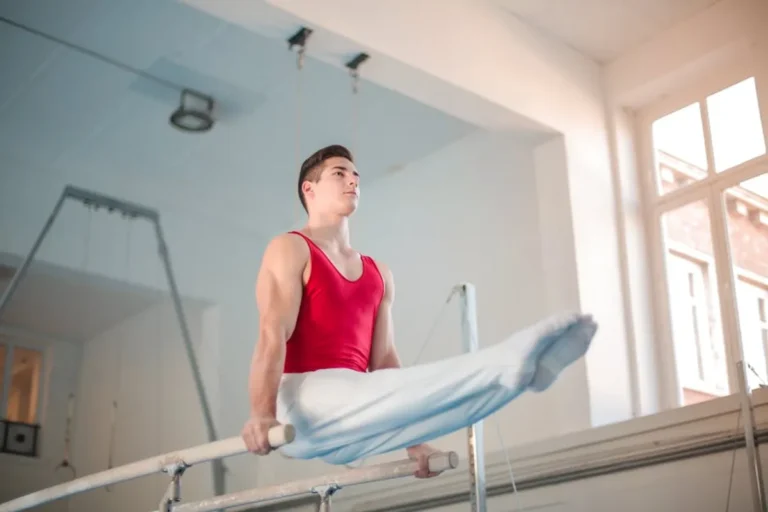
Preparing for your first gymnastics competition involves more than just mastering routines; it demands a strategic, disciplined approach to physical conditioning, mental preparation, and logistical planning. Success isn't solely about talent, but about methodical execution, performance optimization, and a clear understanding of the competitive landscape. This guide outlines the key phases and actionable steps to ensure you approach your debut with confidence and a clear plan, treating each element as a critical component of your overall performance strategy.
Understanding the Competitive Framework
Before any physical training intensifies, a thorough understanding of the competition's specific rules, scoring criteria, and event structure is paramount. This foundational knowledge informs every subsequent training decision and routine composition.
Scoring System and Deductions
Each gymnastics federation (e.g., FIG, USAG) operates under distinct Code of Points guidelines. For your competition level, identify the specific requirements for each apparatus (vault, uneven bars, balance beam, floor exercise). Understand the start value calculations and common deductions for form, execution, and falls. This is analogous to an SEO professional analyzing algorithm updates: knowing the rules dictates how you build your strategy.
Actionable step: Obtain the official rulebook or summary for your competition level. Create a checklist of required elements and potential deductions for each apparatus. Review examples of routines that score well and identify why.
Event Format and Schedule
Familiarize yourself with the competition format. Will it be a single-day event, or spread across multiple days? What is the rotation order for events? How much warm-up time is allocated per apparatus? Understanding the schedule helps you mentally prepare for transitions and manage energy levels throughout the day.
Best for: Reducing pre-competition anxiety and optimizing energy management.
Strategic Routine Development and Optimization
Your routines are your product; their construction and refinement directly impact your competitive score. This phase focuses on designing routines that maximize potential points while minimizing risk, much like a content marketer crafts high-performing content.
Element Selection and Progression
Work with your coach to select elements that meet the difficulty requirements for your level, are consistently executed, and showcase your strengths. Avoid attempting elements that are inconsistent or high-risk for your first competition. The goal is a clean, well-executed routine, not necessarily the most difficult one.
- Prioritize consistent execution over maximum difficulty.
- Ensure all required elements for your level are included.
- Practice linking elements smoothly to minimize pauses and deductions.
- Record and review routines to identify areas for refinement.
Routine Structuring for Flow and Pacing
A well-structured routine flows logically, building momentum and allowing for strategic pauses. Consider the sequence of elements: place your strongest skills where they can make an impact, and manage energy distribution across the routine. For floor exercise, synchronize music choices with choreography to enhance presentation and impact.
Pro Tip: Simulate competition conditions during practice. Run full routines without interruption, including warm-up drills, exactly as you would on competition day. This builds muscle memory for the entire sequence and helps identify fatigue points or transition issues before they impact your score.
Physical and Mental Conditioning
Physical readiness is foundational, but mental fortitude is equally critical for competition day. Both require consistent, targeted training.
Targeted Physical Preparation
Beyond routine practice, focus on specific conditioning that supports your gymnastics. This includes strength training (core, upper body, legs), flexibility work, and cardiovascular endurance. Tailor your conditioning to address weaknesses identified during routine practice, ensuring your body can sustain performance through all events.
Key areas: Core stability for beam, grip strength for bars, leg power for vault and floor, shoulder stability for all events.
Developing Mental Resilience
Competition pressure can impact performance. Develop mental strategies to manage nerves and maintain focus. Visualization, positive self-talk, and mindfulness exercises can be highly effective. Practice performing under pressure, perhaps by having teammates or coaches observe and "judge" your routines during practice.
Techniques:
- Visualization: Mentally rehearse perfect routines, including walking onto the mat/apparatus.
- Breathing exercises: Use controlled breathing to calm the nervous system before and during routines.
- Positive affirmations: Replace negative thoughts with constructive, confidence-building statements.
Pre-Competition Logistics and Day-Of Execution
The week leading up to the competition and the competition day itself require meticulous planning to minimize stress and ensure peak performance.
The Taper Week
In the final week, reduce the intensity and volume of training. This "taper" allows your body to recover, replenish energy stores, and peak for competition. Focus on clean, confident execution of routines rather than pushing new skills. Ensure adequate sleep and nutrition.
Goal: Arrive refreshed and physically primed, not fatigued.
Competition Day Protocol
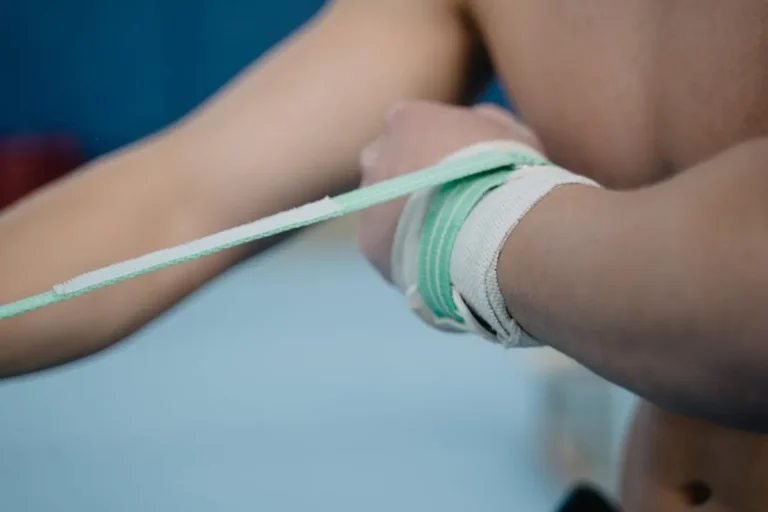
Plan your competition day meticulously. This includes packing your bag the night before (leotard, grips, tape, water bottle, snacks, extra hair ties), arriving early for warm-ups, and having a clear pre-performance routine. Stay hydrated and fuel your body with familiar, easily digestible foods. Maintain communication with your coach for final instructions and support.
Warning: Avoid trying new foods or drinks on competition day, as they could cause unexpected digestive issues. Stick to what your body knows and tolerates well.
Post-Competition Review and Future Planning
Your first competition is a learning experience. A structured review process helps you identify areas for improvement and refine your training strategy for future events.
Performance Analysis
Immediately after the competition, discuss your performance with your coach. Review scores, judge feedback, and any video recordings. Objectively assess what went well and what could be improved, focusing on execution, consistency, and mental approach. This data-driven review is crucial for iterative improvement, much like an SEO audit.
Focus areas: Specific deductions, consistency across apparatuses, mental management under pressure.
Setting Goals for Next Steps
Based on your performance analysis, set clear, measurable goals for your next training cycle. These might include improving specific elements, increasing routine consistency, or enhancing mental toughness. Your first competition provides a baseline; use it to strategically plan your progression.
Frequently Asked Questions
How much sleep should I get before a competition? Aim for 8-10 hours of quality sleep in the days leading up to the competition, especially the night before. Adequate rest is crucial for physical recovery and mental clarity.
What should I eat on competition day? Focus on easily digestible carbohydrates for energy (e.g., bananas, oatmeal, whole-grain toast) and lean protein. Avoid heavy, fatty, or sugary foods that can cause sluggishness or digestive upset. Stay well-hydrated with water.
How do I handle nerves before competing? Practice deep breathing exercises, positive visualization, and focus on your pre-performance routine. Remind yourself of all the training you've put in. Trust your preparation and embrace the excitement of the experience.
What should I pack in my competition bag? Essentials include your leotard, grips (if used), wristbands, tape, water bottle, healthy snacks, extra hair ties/pins, a small towel, and any personal comfort items. A warm-up jacket and pants are also recommended.