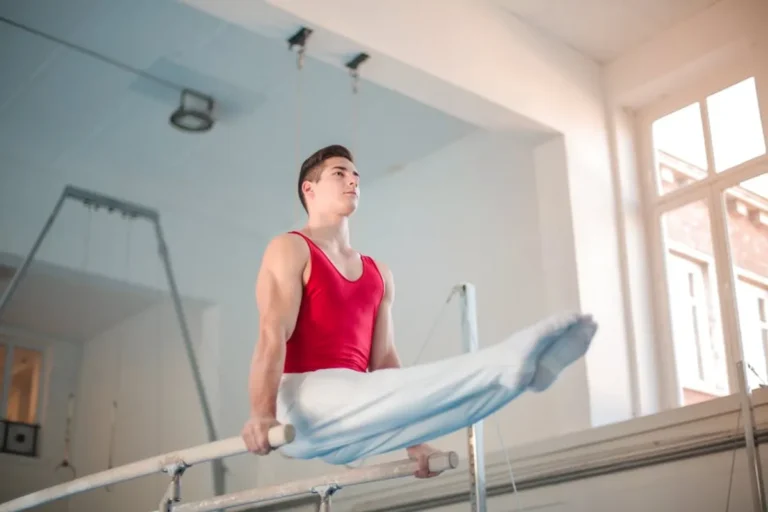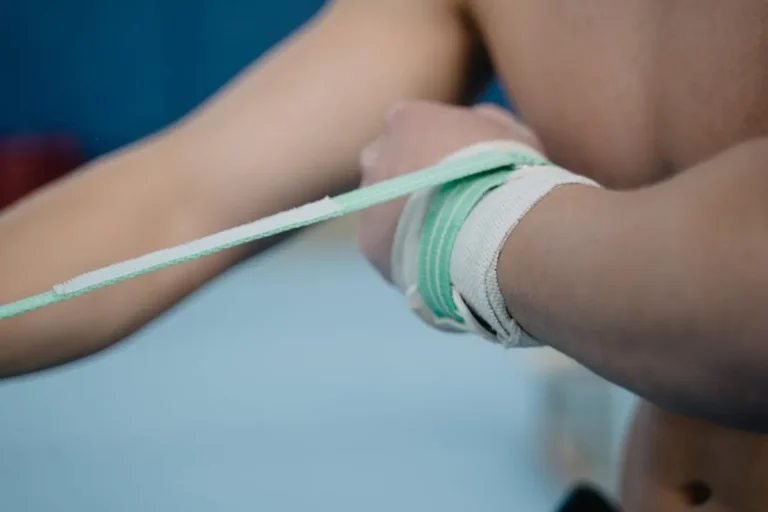
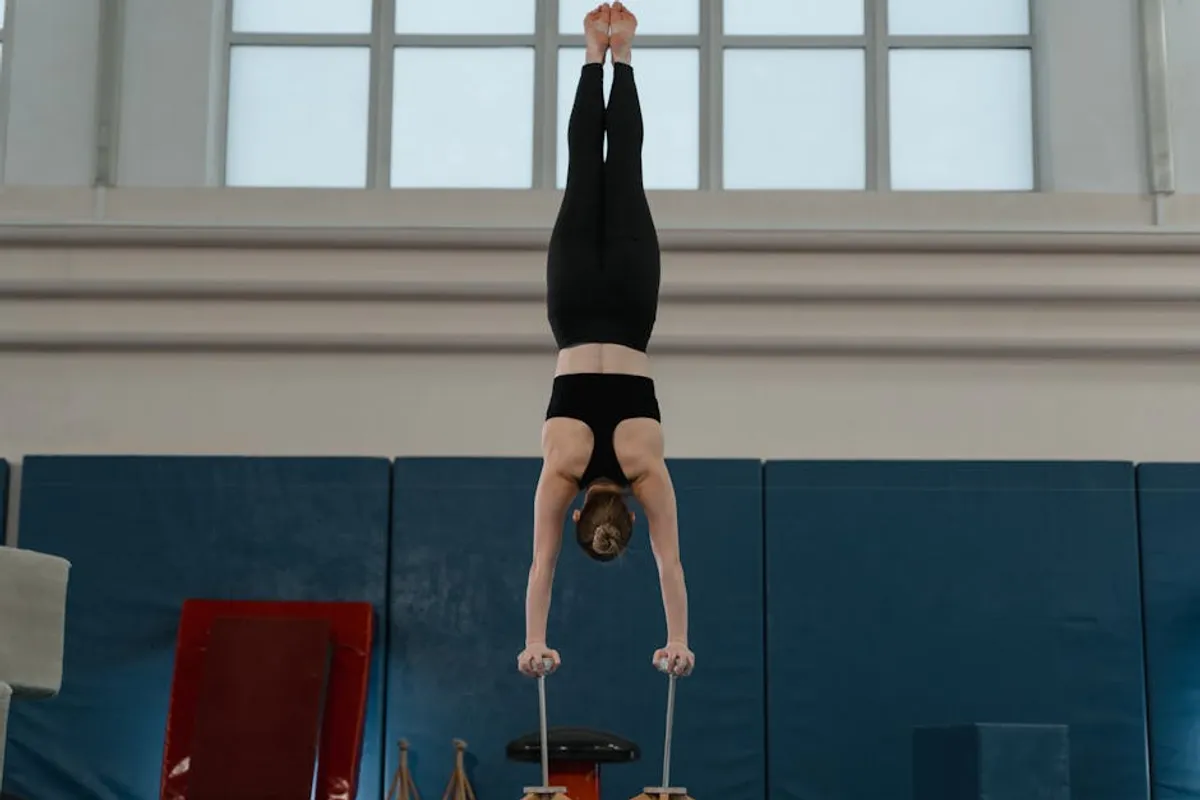
Selecting a gymnastics club requires careful consideration, moving beyond basic logistics like location or schedule. The choice impacts a gymnast's development, safety, and long-term engagement with the sport. A well-matched club fosters skill progression, builds confidence, and ensures a positive, enriching experience. This guide outlines the critical factors to evaluate, enabling a structured and informed decision.
Defining Your Gymnastics Goals and Priorities
Before researching specific clubs, clarify what you seek from a gymnastics program. This initial assessment streamlines the selection process by filtering options that do not align with your core needs.
- Recreational vs. Competitive Track: Determine if the primary goal is physical activity, fun, and basic skill acquisition (recreational), or if there's an interest in advanced training, skill mastery, and potential competition (competitive). Recreational programs often emphasize broader participation, while competitive tracks demand more rigorous schedules and commitment.
- Age and Skill Level: Consider the gymnast's current age and experience. Clubs often have age-specific classes (e.g., preschool, youth, teen) and skill-based levels (beginner, intermediate, advanced). Ensure the club offers appropriate starting points and a clear progression path.
- Budget Constraints: Gymnastics can involve significant costs beyond tuition, including registration fees, uniforms, competition fees, and travel. Establish a realistic budget upfront to narrow down viable options.
- Logistical Feasibility: Evaluate the club's proximity to home or school, class schedules, and your family's transportation capacity. Consistent attendance is crucial for skill development, making convenience a practical factor.
Assessing Club Facilities and Equipment Standards
The physical environment of a gymnastics club directly impacts safety, training effectiveness, and overall experience. A thorough inspection is essential.
Safety and Condition: Inspect the condition of all equipment, including mats, bars, beams, vaulting tables, and spring floors. Look for signs of wear, tear, or damage that could compromise safety. Mats should be adequately thick and positioned correctly under all apparatus. Ensure proper padding is used around support structures and landing zones.
Cleanliness and Maintenance: Observe the general cleanliness of the facility, including restrooms, waiting areas, and the gym floor. A well-maintained environment indicates a club's commitment to athlete well-being and operational standards.
Space and Layout: Evaluate if the gym space is sufficient for the number of athletes training simultaneously. Overcrowding can lead to safety hazards and reduced individual attention. Consider the layout for efficient movement between stations and adequate warm-up/cool-down areas.
Evaluating Coaching Expertise and Philosophy
Coaches are central to a gymnast's experience and development. Their qualifications, teaching methods, and safety awareness are paramount.
Qualifications and Certifications: Inquire about coaches' certifications (e.g., USA Gymnastics certifications, first aid, CPR). Certified coaches possess foundational knowledge in spotting techniques, skill progression, and injury prevention. Experience level is also a factor, particularly for advanced or competitive programs.
Coach-to-Student Ratio: A lower coach-to-student ratio allows for more individualized instruction, personalized feedback, and safer spotting, especially for younger or less experienced gymnasts. Optimal ratios vary by age and skill level, but generally, smaller groups are preferable.
Teaching Style and Communication: Observe how coaches interact with gymnasts. Look for positive reinforcement, clear instructions, and an encouraging demeanor. Coaches should be approachable and capable of communicating effectively with both gymnasts and parents regarding progress and challenges.
Safety Protocols: Discuss the club's approach to safety, including injury reporting, emergency procedures, and how they manage risks inherent in gymnastics training. A club with a proactive safety culture prioritizes athlete welfare above all else.
Understanding Program Structure and Progression Pathways
A club's program structure dictates how gymnasts develop skills and advance through levels.
Curriculum and Skill Development: Ask for details on the curriculum. Does it follow a recognized progression system? Are skills taught systematically, building foundational abilities before introducing more complex movements? A structured curriculum ensures comprehensive development.
Class Sizes and Duration: Consider the typical class size and length. Smaller classes often provide more direct coaching. Class duration should be appropriate for the age group, preventing burnout while allowing sufficient time for warm-ups, skill practice, and conditioning.
Advancement Criteria: Understand how gymnasts progress to higher levels or competitive teams. Are there specific skill requirements, evaluations, or age cut-offs? Clear criteria help manage expectations and provide a roadmap for development.
Trial Classes: Many clubs offer trial classes. This provides an opportunity for the gymnast to experience the coaching style, facility, and peer group firsthand before committing to enrollment.
Pro Tip: Do not rely solely on online information or initial impressions. Schedule a visit to the facility during active class times to observe the coaching, class dynamics, and general atmosphere. Engage with current parents if possible to gather direct feedback on their experiences with the club's communication and community.
Financial Transparency and Enrollment Policies
Full understanding of all costs and contractual obligations prevents unexpected expenses or complications.
Fee Structure: Obtain a detailed breakdown of all fees. This typically includes monthly tuition, annual registration fees, uniform costs, competition fees (if applicable), and any additional charges for special events or clinics. Inquire about payment schedules and available discounts (e.g., multi-child, annual payment).
Cancellation and Refund Policies: Understand the club's policies regarding class withdrawals, refunds, and make-up classes. Clear policies protect both the club and the family in unforeseen circumstances.
Insurance Requirements: Confirm if the club requires personal athlete insurance or if their fees include any form of accident coverage. Clarifying this upfront ensures adequate protection.
Making an Informed Decision
The process of choosing a gymnastics club is an investment in a child's physical and personal development. By systematically evaluating facility safety, coaching quality, program structure, and financial transparency, you can select a club that aligns with your specific goals and provides a supportive, enriching environment. Prioritize safety, effective coaching, and a positive atmosphere to ensure a rewarding gymnastics journey.
Frequently Asked Questions
How important are coach certifications?
Coach certifications are very important as they indicate a baseline level of training in spotting techniques, skill progression, and safety protocols, contributing significantly to a gymnast's well-being and effective learning.
Should I prioritize a club's reputation or its facilities?
While both are crucial, a club's reputation often reflects its coaching quality and safety record over time. Excellent facilities are beneficial, but a strong coaching staff and positive environment are more impactful for a gymnast's long-term development and enjoyment.
What is a good coach-to-student ratio for younger children?
For younger children (e.g., under 6) or beginner classes, a ratio of 1 coach to 6-8 students is generally considered good, allowing for sufficient individual attention and hands-on spotting to ensure safety and effective instruction.
Is it beneficial to choose a club with competitive teams even if my child is recreational?
A club with competitive teams often indicates a higher standard of coaching and a more structured skill progression system, which can benefit recreational gymnasts by providing access to experienced coaches and well-defined training methodologies, even if they never compete.