
Building a gymnastics training routine requires a deliberate, structured approach, particularly when prioritizing safety. The inherent demands of gymnastics—requiring strength, flexibility, balance, and power—also present risks if training is not managed correctly. An effective, safe routine is not merely about avoiding immediate injury; it’s about fostering long-term athletic development, preventing chronic issues, and ensuring consistent progress without burnout. This involves a calculated integration of physical conditioning, skill progression, and recovery tailored to individual capabilities and goals.
Foundational Principles for Safe Training
Prioritizing Physical Preparation
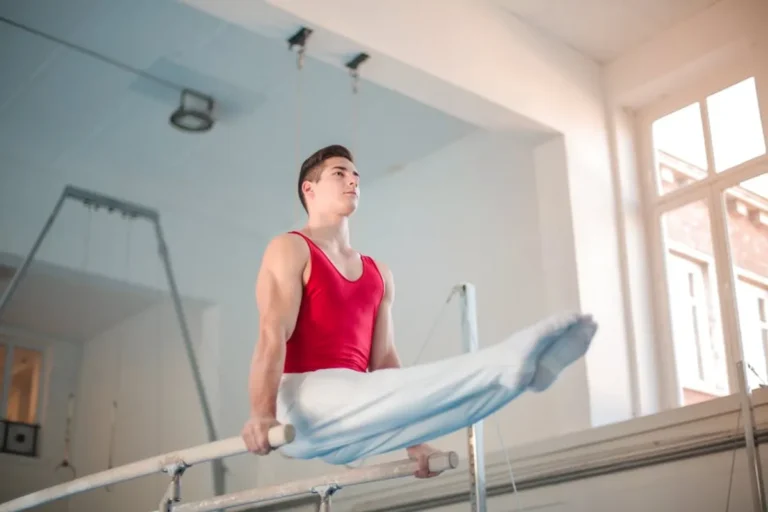
A robust physical foundation is non-negotiable for safe gymnastics training. This extends beyond simply practicing skills. It encompasses targeted strength and conditioning, focusing on core stability, upper body pulling and pushing strength, and lower body power. Flexibility and mobility work are equally critical, not just for achieving specific gymnastic positions but for maintaining healthy joint range of motion, which reduces strain during dynamic movements. A balanced preparation protocol ensures that the body is adequately prepared to absorb impact, generate force, and maintain control throughout complex sequences.
Key components:
- General Physical Preparedness (GPP): Incorporate exercises like bodyweight squats, lunges, push-ups, and planks to build foundational strength.
- Specific Physical Preparedness (SPP): Introduce exercises that mimic gymnastic movements, such as hollow body holds, arch holds, L-sits, and handstand conditioning drills.
- Flexibility and Mobility: Dedicate time to active and passive stretching, targeting shoulders, hips, spine, and hamstrings to improve range of motion and prevent impingement.
Understanding Progressive Overload
Progressive overload is the principle of gradually increasing the demands placed on the body during training. In gymnastics, this translates to mastering fundamental skills before advancing to more complex variations, increasing repetitions or hold times, or adding resistance. Attempting advanced maneuvers without the prerequisite strength, stability, or technique significantly elevates injury risk. A safe routine meticulously maps out a logical skill progression, ensuring that each new challenge builds upon established capacities. This methodical approach allows the body to adapt and strengthen over time, reducing the likelihood of acute trauma or overuse injuries.
The Role of Qualified Coaching
The guidance of a certified and experienced gymnastics coach is indispensable for building a safe routine. A qualified coach possesses the expertise to assess an individual's current skill level, identify biomechanical inefficiencies, and prescribe appropriate progressions. They provide critical feedback on technique, ensuring movements are executed correctly to minimize strain and maximize efficiency. Crucially, coaches are trained in proper spotting techniques, offering physical assistance during challenging skills to prevent falls and mitigate impact. Relying on self-instruction for complex gymnastic skills bypasses this essential safety net, leading to preventable errors and injuries.
Structuring Your Training Sessions
Warm-Up and Cool-Down Protocols
Every training session must begin with a comprehensive warm-up and conclude with a deliberate cool-down. A warm-up elevates heart rate, increases blood flow to muscles, and improves joint mobility, preparing the body for the demands of training. This typically includes light cardio, dynamic stretches, and specific drills that activate the muscles to be used. A cool-down, conversely, aids in recovery by gradually lowering heart rate, reducing muscle soreness, and improving flexibility through static stretching. Skipping these phases compromises muscle elasticity and can impede recovery, increasing susceptibility to injury.
Skill Progression and Spotting
Integrating skill work into a routine demands a clear progression path. Begin with basic shapes and positions (e.g., hollow, arch, tuck) before combining them into more complex movements. For instance, master a solid handstand hold against a wall before attempting freestanding handstands, and then progress to handstand presses or pirouettes. When learning new or challenging skills, spotting is non-negotiable. A spotter provides physical support and guidance, reducing the risk of falls and allowing the gymnast to practice the movement pattern with reduced fear. This builds confidence and reinforces correct technique without the full physical burden.
Pro Tip: Always prioritize perfect form over speed or difficulty. Executing a simpler skill with precise technique not only builds a stronger foundation but also significantly reduces the risk of injury compared to attempting an advanced skill with flawed execution.
Rest, Recovery, and Nutrition
Training adaptations occur not during the workout, but during the recovery period that follows. Adequate rest, including sufficient sleep (typically 7-9 hours for adults, more for younger athletes), is fundamental for muscle repair and central nervous system recovery. Active recovery methods, such as light stretching or foam rolling, can also aid in reducing muscle soreness and improving blood flow. Nutrition plays a vital role, providing the necessary energy for performance and the building blocks for tissue repair. A balanced diet rich in protein, complex carbohydrates, and healthy fats supports recovery and prevents energy deficits that can lead to fatigue and impaired judgment during training.
Identifying and Mitigating Risks
Equipment Safety Checks
Regular inspection of all gymnastics equipment is a critical safety measure. This includes checking mats for proper thickness and placement, ensuring bars are securely fastened and free of rust or cracks, and verifying that springboards and vaults are stable and in good condition. Any damaged or worn equipment must be immediately removed from use and repaired or replaced. Training on faulty equipment poses a direct and severe risk of injury, negating all other safety precautions.
Recognizing Overtraining and Burnout
Overtraining occurs when the body does not receive adequate rest and recovery relative to the training load, leading to a decline in performance, persistent fatigue, and increased susceptibility to illness and injury. Symptoms include chronic muscle soreness, sleep disturbances, irritability, and a lack of motivation. Burnout, often linked to overtraining, adds a psychological component, characterized by emotional exhaustion and reduced accomplishment. A safe routine incorporates planned rest days and periodization, varying training intensity and volume over time to allow for recovery and prevent these states. Listening to your body and taking unscheduled rest when needed is crucial.
Injury Prevention and Management
Despite all precautions, minor injuries can occur. Having a basic understanding of first aid for common gymnastics injuries (e.g., sprains, strains, contusions) is important. Immediate application of the RICE protocol (Rest, Ice, Compression, Elevation) can help manage acute injuries. More importantly, understanding when to seek professional medical advice from a doctor or physical therapist is essential. Ignoring persistent pain or attempting to "work through" an injury often exacerbates the problem and prolongs recovery. A safe routine emphasizes proactive injury prevention through proper technique and conditioning, alongside a responsible approach to injury management.
Practical Application: Building Your Weekly Schedule
Designing a safe gymnastics training routine involves integrating all these principles into a coherent weekly schedule. Begin by allocating specific days for strength and conditioning, skill work, and flexibility. For instance, a typical week might include three to four days of gymnastics-specific training, two days of dedicated strength and flexibility, and one to two full rest days. Ensure each training session incorporates a thorough warm-up and cool-down. Plan for progressive overload by setting clear, achievable skill goals for each training block, always under the supervision of a qualified coach. Monitor your body for signs of fatigue or pain, and adjust your schedule as needed. This iterative process of planning, executing, and adapting is key to sustainable and safe progress in gymnastics.
Frequently Asked Questions
How often should a beginner train gymnastics?
For beginners, two to three times per week is often sufficient to allow for skill development and adequate recovery. Consistency is more important than high volume initially.
What is the most common gymnastics injury?
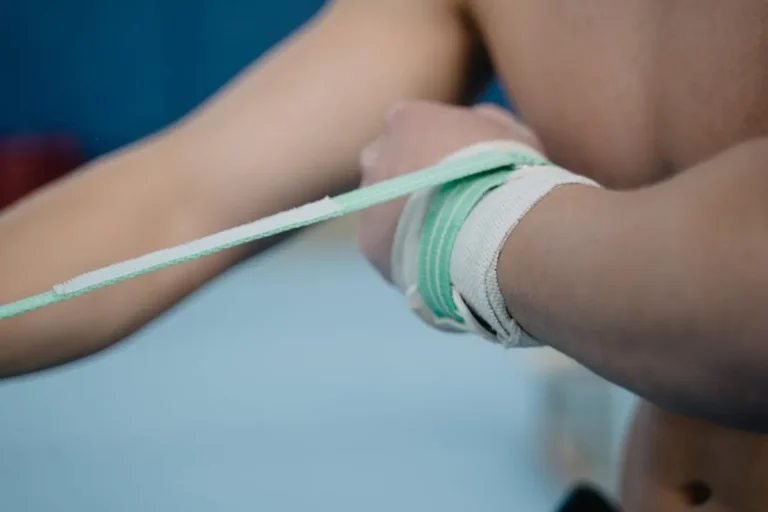
Wrist and ankle sprains, shoulder impingement, and lower back pain are common. These often stem from improper landing technique, overuse, or inadequate conditioning.
Can I build a safe gymnastics routine without a coach?
While basic conditioning and flexibility can be done independently, learning complex gymnastics skills safely without a qualified coach for technique correction and spotting is highly discouraged due to significant injury risks.
How long does it take to see progress in gymnastics?
Progress varies greatly depending on individual factors like starting fitness level, consistency, and coaching quality. Consistent, safe training typically yields noticeable improvements in strength and basic skills within a few months.