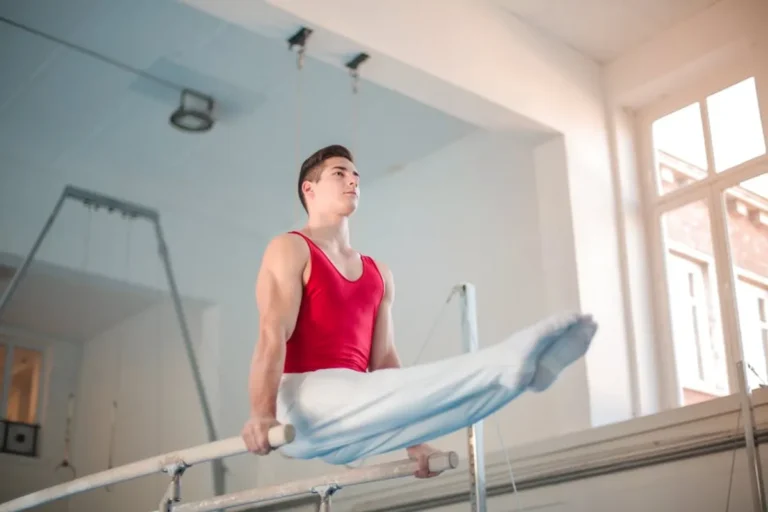

Supporting a child through gymnastics training requires more than just enrolling them in a class; it demands a strategic, informed approach from parents to foster both athletic development and personal well-being. This commitment extends beyond the gym, encompassing nutritional support, emotional resilience, and effective communication with coaches and the athlete. Understanding the multifaceted demands of the sport, from recreational participation to competitive tracks, allows parents to provide a foundation that encourages sustained engagement and prevents burnout. The objective is to cultivate an environment where the gymnast feels supported, challenged, and motivated, ensuring their experience remains positive and growth-oriented.
Navigating the Foundational Commitments
Gymnastics, regardless of the level, involves significant commitments that parents must understand and prepare for. These are not merely logistical hurdles but integral components of a successful and sustainable training journey.
Time and Schedule Integration
The time investment in gymnastics escalates quickly. Beginning with weekly recreational classes, progression often leads to multiple training sessions per week, each lasting several hours. For competitive gymnasts, daily training is common, frequently extending into evenings and weekends. This necessitates careful family schedule management, including:
- Transportation Logistics: Coordinating rides to and from the gym, especially if multiple children or activities are involved.
- Academic Balance: Ensuring homework, projects, and study time are integrated effectively, often requiring dedicated focus immediately after school or during travel.
- Family Time Adjustments: Recognizing that gymnastics schedules may impact traditional family dinners, weekend outings, or holiday plans, requiring proactive planning for quality time.
Financial Planning for Progression
The financial outlay for gymnastics training is a substantial consideration. Beyond monthly tuition, which can range from dozens to hundreds of dollars, parents should anticipate a variety of additional costs:
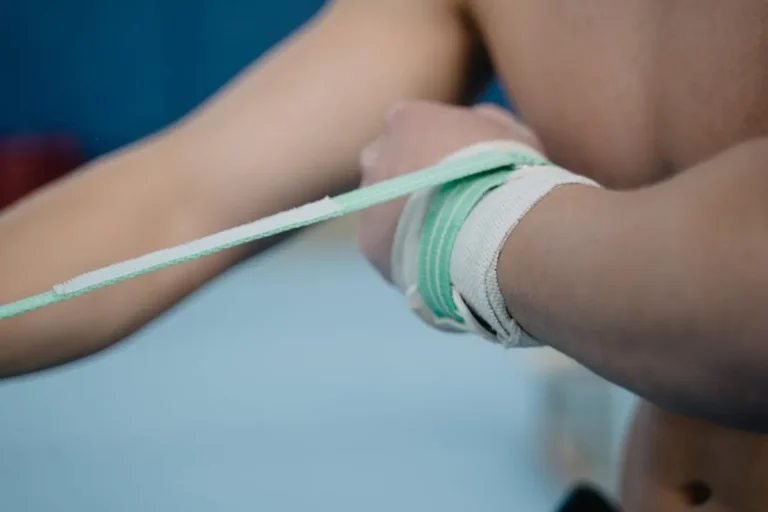
- Apparel and Equipment: Leotards, grips, wrist guards, and specialty shoes require regular replacement as children grow and advance.
- Competition Fees: Entry fees for meets, which can be several hundred dollars per event, plus associated travel, lodging, and food expenses for out-of-town competitions.
- Camps and Clinics: Supplemental training opportunities during school breaks or summer often carry additional costs, though they can offer valuable skill development and exposure.
- Medical and Wellness: Costs for physical therapy, sports massages, or specialized nutrition if needed for injury prevention or recovery.
Emotional Resilience and Support
Gymnastics is a physically and mentally demanding sport, characterized by both exhilarating successes and frustrating setbacks. Parents serve as a crucial emotional anchor, providing perspective and encouragement during these fluctuations. This involves:
- Managing Expectations: Helping the child understand that progress is not linear and that mastering skills takes time, repetition, and perseverance.
- Celebrating Effort: Emphasizing hard work, dedication, and personal improvement over competitive outcomes.
- Coping with Setbacks: Providing comfort and strategies for dealing with falls, missed skills, or competition disappointments without minimizing their feelings.
Cultivating a Performance-Optimized Home Environment
The support provided at home directly impacts a gymnast's physical readiness and mental fortitude in the gym. A structured and nurturing home environment is as critical as the training facility itself.
Nutritional Strategies for Young Athletes
Gymnasts require a diet rich in complex carbohydrates, lean proteins, and healthy fats to fuel their intense training and aid recovery. Specific considerations include:
- Consistent Hydration: Emphasizing water intake throughout the day, not just during training.
- Balanced Meals: Providing three main meals and strategic snacks that include a mix of macronutrients to sustain energy levels and support muscle repair.
- Avoiding Restrictive Diets: Ensuring adequate caloric intake to prevent energy deficiency, which can lead to fatigue, poor performance, and increased injury risk.
Prioritizing Rest and Recovery
Adequate sleep is non-negotiable for young athletes. Growth hormones are released during deep sleep, and muscles repair themselves, making 9-11 hours of sleep essential for children and adolescents in gymnastics. Establishing a consistent sleep schedule, minimizing screen time before bed, and creating a conducive sleep environment directly supports recovery and performance.
Pro Tip: Resist the urge to replicate gym training at home with unsupervised or improper equipment. Focus instead on providing a safe space for stretching, light conditioning, or mental visualization. Unsupervised attempts at complex skills on inappropriate surfaces significantly increase the risk of serious injury, undermining all other support efforts.
Effective Communication Channels
Open and constructive communication forms the backbone of a successful gymnastics journey, connecting the gymnast, parents, and coaches.
Dialog with the Gymnast
Engage in conversations that encourage the gymnast to express their feelings about training, challenges, and successes. Ask open-ended questions about their day, focusing on their effort and learning, rather than solely on results. This fosters a sense of agency and trust.
Collaboration with Coaches
Coaches are professionals with expertise in gymnastics development. Establish a respectful, collaborative relationship by:
- Understanding Coaching Philosophy: Familiarize yourself with the gym's training methodology and expectations.
- Scheduled Check-ins: Utilize parent-coach meetings or designated communication times to discuss progress, concerns, or goals. Avoid interrupting training sessions for discussions.
- Trusting Expertise: Allow coaches to lead the technical and strategic aspects of training. Your role is primarily supportive, not instructional within the gym setting.
Sustaining Engagement and Preventing Burnout
Long-term participation in gymnastics hinges on maintaining a positive relationship with the sport. Parents play a critical role in preventing burnout and fostering intrinsic motivation.
Encourage a balanced lifestyle that includes interests outside of gymnastics. This provides mental breaks, develops other skills, and prevents the sport from becoming the child's sole identity. Monitor for signs of physical fatigue, emotional distress, or a sudden loss of enthusiasm. These can indicate overtraining or a need for a mental break. Openly discuss these observations with your child and their coach to find solutions that prioritize the child's well-being over immediate athletic gains.
Actionable Support Strategies
Supporting a child in gymnastics is an ongoing process that requires adaptability and a deep understanding of their individual needs. By focusing on practical, consistent support, parents empower their children to thrive in a demanding sport.
Prioritize open communication, both with your child and their coaches, to ensure alignment on goals and well-being. Invest in a home environment that promotes recovery through proper nutrition and adequate sleep. Be prepared for the financial and time commitments, viewing them as investments in your child's development. Most importantly, foster a love for the sport by celebrating effort, resilience, and personal growth above all else. This holistic approach ensures that gymnastics remains a positive, enriching experience for your child.
Frequently Asked Questions
How much sleep does a young gymnast need?
Young gymnasts, like other growing children and adolescents, require significant sleep for physical recovery and cognitive function. Generally, children aged 6-12 need 9-12 hours of sleep per night, while teenagers aged 13-18 need 8-10 hours. Consistent sleep schedules are crucial for optimizing performance and preventing fatigue.
What are common signs of burnout in young gymnasts?
Signs of burnout can include a loss of enthusiasm for training, increased irritability, persistent fatigue, frequent minor injuries, a decline in academic performance, social withdrawal, or expressing a desire to quit. Observing these patterns warrants an open conversation with the child and their coach.
Should parents get involved in coaching their child at home?
Generally, parents should avoid direct coaching of gymnastics skills at home, especially complex ones. This can create confusion with gym coaching, increase injury risk without proper equipment and spotting, and strain the parent-child relationship. Instead, focus on supportive roles like nutrition, rest, emotional encouragement, and providing a safe space for stretching or light conditioning.
How can parents help manage competition nerves?
To help manage competition nerves, parents can emphasize preparation over outcome, focusing on the child's effort and personal goals. Encourage visualization techniques, deep breathing exercises, and maintaining a consistent pre-competition routine. Reassure them that it's okay to feel nervous and that the experience itself is valuable, regardless of the results.