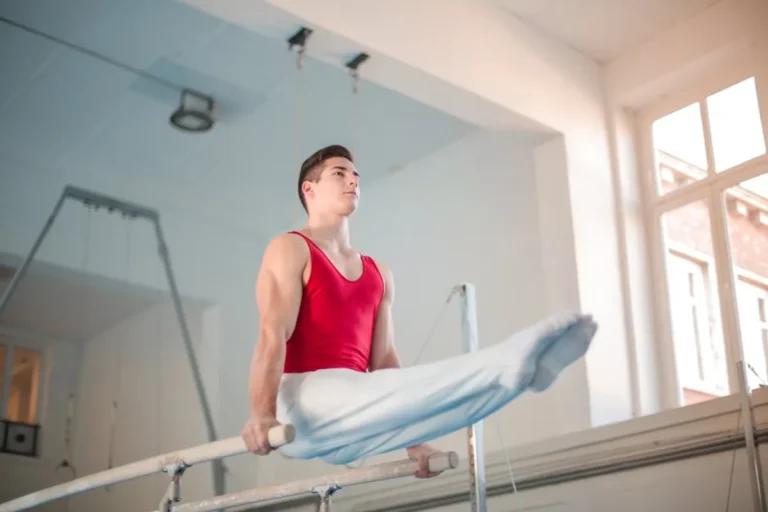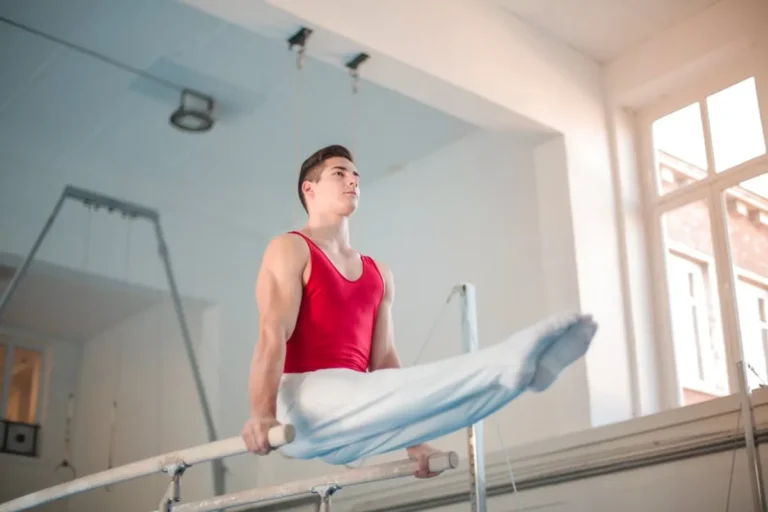

Developing gymnastics strength requires a precise balance: pushing the body to adapt and grow stronger, yet providing sufficient recovery to prevent burnout and injury. The challenge lies in navigating the high-intensity, full-body demands of gymnastic movements without succumbing to overtraining, a state where training volume and intensity exceed the body's capacity for recovery. This article outlines a strategic approach to building robust gymnastics strength while embedding intelligent recovery protocols, ensuring sustained progress and long-term athletic health.
Understanding Overtraining in Gymnastics Strength Development
Overtraining, in the context of gymnastics strength, is not simply feeling tired after a tough session. It represents a systemic physiological and psychological imbalance where the body's adaptive mechanisms are overwhelmed by chronic stress. This condition manifests as a plateau or decline in performance, increased susceptibility to illness and injury, and a pervasive sense of fatigue that impacts daily life beyond training.
Gymnastic strength training is particularly susceptible to overtraining due to its unique characteristics. It often involves high-frequency training, maximal effort contractions, complex motor patterns, and significant eccentric loading, all of which place considerable stress on the neuromuscular system, connective tissues, and endocrine balance. Ignoring the cumulative impact of these stressors can quickly lead to a detrimental cycle of diminishing returns.
Key Indicators of Overtraining
Recognizing the early signs of overtraining is crucial for intervention. These indicators are often subtle initially but become more pronounced:
- Persistent Fatigue: Feeling tired even after adequate sleep; lack of energy for training or daily tasks.
- Performance Decline: Inability to maintain previous strength levels, decreased power, or struggling with movements that were once manageable.
- Increased Injury/Illness: Frequent muscle soreness that doesn't resolve, new aches or pains, or a weakened immune system leading to more colds.
- Sleep Disturbances: Difficulty falling asleep, frequent waking, or non-restorative sleep despite being tired.
- Mood Changes: Increased irritability, anxiety, lack of motivation, or feelings of depression.
- Appetite Loss: Reduced hunger or changes in eating patterns.
- Elevated Resting Heart Rate: A consistent increase in morning resting heart rate can signal systemic stress.
Foundational Principles for Sustainable Gymnastics Strength
Preventing overtraining is not about training less, but training smarter. Integrating these principles ensures that strength gains are built on a solid foundation of recovery and adaptation.
Progressive Overload with Intelligent Periodization
Progressive overload is fundamental for strength gains, meaning the body must be continually challenged with increasing demands. However, this must be managed through periodization – systematically varying training volume, intensity, and exercise selection over time. Instead of a linear increase, a well-designed program incorporates phases of higher intensity/lower volume, lower intensity/higher volume, and dedicated recovery periods. This cyclical approach allows for adaptation without constant maximal stress.
Prioritizing Active Recovery and Deload Weeks
Recovery is not passive; it is an active component of training. Active recovery involves low-intensity activities like light cardio, stretching, or mobility work that promote blood flow and nutrient delivery without adding significant stress. Deload weeks are periods (typically 5-7 days) where training volume and/or intensity are significantly reduced (e.g., 50-70% of normal). These weeks are critical for allowing the neuromuscular system to fully recover, repair microtrauma, and resensitize to training stimuli, preventing chronic fatigue and facilitating future strength gains.
Nutrition and Hydration as Recovery Pillars
Adequate caloric intake, especially sufficient protein for muscle repair and carbohydrates for energy replenishment, is non-negotiable for recovery. Micronutrients from a varied diet also play a crucial role in cellular function and immune health. Hydration is equally vital, impacting everything from joint lubrication to nutrient transport and metabolic waste removal. Neglecting these aspects directly impedes the body's ability to recover and adapt to training stress.
The Role of Sleep in Adaptation
Sleep is arguably the most potent recovery tool. During deep sleep stages, growth hormone is released, facilitating tissue repair and muscle growth. Insufficient or poor-quality sleep disrupts hormone regulation, impairs cognitive function, and slows recovery, making the body more susceptible to overtraining. Aim for 7-9 hours of quality sleep per night, prioritizing consistency.
Pro Tip: Implement objective tracking for recovery. Beyond subjective feelings, monitor metrics like morning resting heart rate, heart rate variability (HRV), and sleep duration/quality. Consistent deviations from your baseline can be an early warning sign of accumulating fatigue, prompting a proactive adjustment to your training or recovery protocols before overtraining sets in.
Structuring Your Gymnastics Strength Program to Prevent Overtraining
Effective program design integrates recovery into the training schedule itself, rather than treating it as an afterthought.
Balancing Volume and Intensity
The total amount of work (volume) and how hard that work is (intensity) must be carefully managed. For gymnastics strength, this often means focusing on higher intensity (e.g., fewer reps at higher difficulty) for specific skills, balanced with lower intensity, higher volume work for foundational strength and conditioning. Tools like Rate of Perceived Exertion (RPE) or Reps In Reserve (RIR) can help self-regulate intensity, ensuring you're pushing hard enough to stimulate adaptation without consistently redlining.
Example RPE Scale:
- RPE 10: Max effort, no reps left.
- RPE 9: Very hard, 1 rep left.
- RPE 8: Hard, 2-3 reps left.
- RPE 7: Moderate, 3-4 reps left.
Varying RPE targets throughout the week or training cycle helps manage cumulative fatigue.
Strategic Exercise Selection and Rotation
While foundational movements (e.g., pull-ups, push-ups, handstands) are critical, relying solely on a few exercises can lead to overuse injuries. Incorporate variations of core movements to distribute stress across different muscle groups and connective tissues. For example, alternate between pronated, supinated, and neutral grip pull-ups; or vary handstand holds with handstand push-ups and pike push-ups. This broadens strength development while reducing repetitive strain.
Integrating Mobility and Prehabilitation
Dedicated mobility work, focusing on gymnastic-specific ranges of motion, improves movement quality and reduces the risk of impingement or strain. Prehabilitation exercises, which strengthen supporting muscles and stabilize joints, act as a preventative measure against common gymnastics injuries. Integrating these elements into warm-ups, cool-downs, or separate sessions enhances recovery by improving tissue health and reducing compensatory movement patterns.
Implementing a Sustainable Gymnastics Strength Routine
A typical week might involve 3-4 strength-focused sessions, strategically interspersed with active recovery or skill work. For example:
- Monday: Upper Body Push/Core Strength (e.g., handstand progressions, planche leans, L-sits)
- Tuesday: Active Recovery/Mobility (e.g., light cardio, stretching, joint rotations)
- Wednesday: Lower Body/Pull Strength (e.g., pistol squats, front levers, pull-ups)
- Thursday: Rest or Light Skill Practice
- Friday: Full Body/Gymnastics Specific (e.g., rings work, tumbling drills, conditioning)
- Saturday/Sunday: Rest or Active Recovery
This structure allows for adequate recovery between intense sessions targeting similar muscle groups, while still providing consistent stimulus. The key is flexibility; adapt your schedule based on how your body feels, integrating deload weeks every 4-6 weeks as needed.
Practical Application for Sustainable Progress
Building gymnastics strength without overtraining is an ongoing process of listening to your body, consistent effort, and intelligent planning. Prioritize consistency over sporadic bursts of extreme intensity. Maintain a detailed training log, noting not only sets and reps but also how you felt, sleep quality, and any signs of fatigue. This data provides objective insights into your body's response to training, enabling informed adjustments that safeguard your progress and long-term health.
Frequently Asked Questions
How often should I take a deload week?
Most athletes benefit from a deload week every 4 to 8 weeks, depending on training intensity, individual recovery capacity, and stress levels. Listen to your body for signs like persistent fatigue or performance plateaus.
Can I still make progress during a deload week?
Yes, deload weeks are crucial for progress. They allow your body to fully recover, repair, and adapt to previous training stimuli. You might not be lifting heavy, but your body is consolidating strength gains and preparing for the next training cycle.
What's the difference between active recovery and rest?
Rest typically means complete inactivity. Active recovery involves light, low-impact movement (e.g., walking, gentle stretching, foam rolling) that promotes blood flow and aids in waste product removal without adding significant physiological stress. Both are essential for preventing overtraining.
Is it possible to overtrain mentally, not just physically?
Absolutely. Mental overtraining, often linked to chronic stress and lack of psychological recovery, can manifest as decreased motivation, irritability, anxiety, and difficulty concentrating. It often accompanies physical overtraining and requires similar recovery strategies, including stress management and adequate sleep.