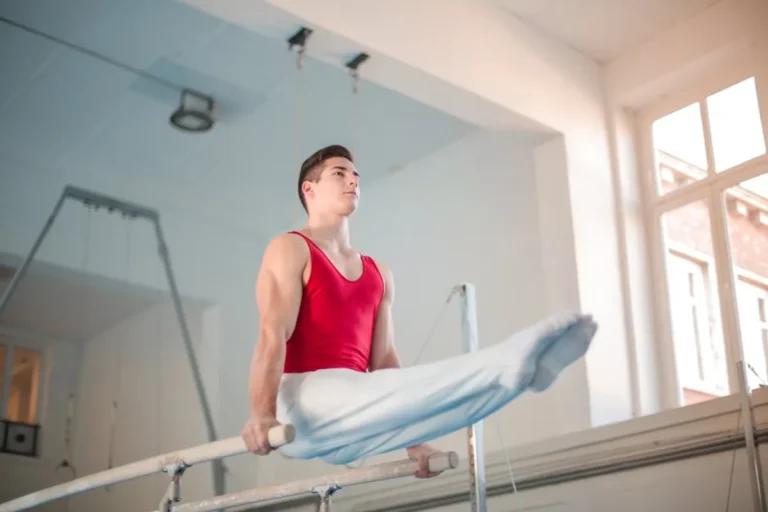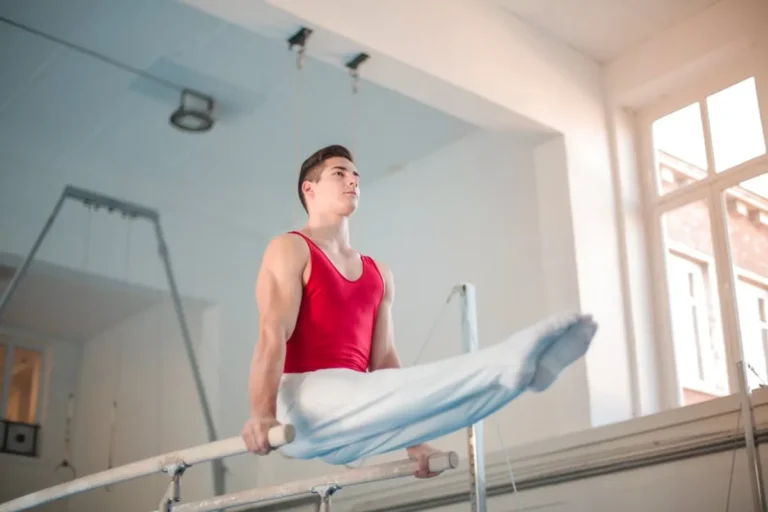
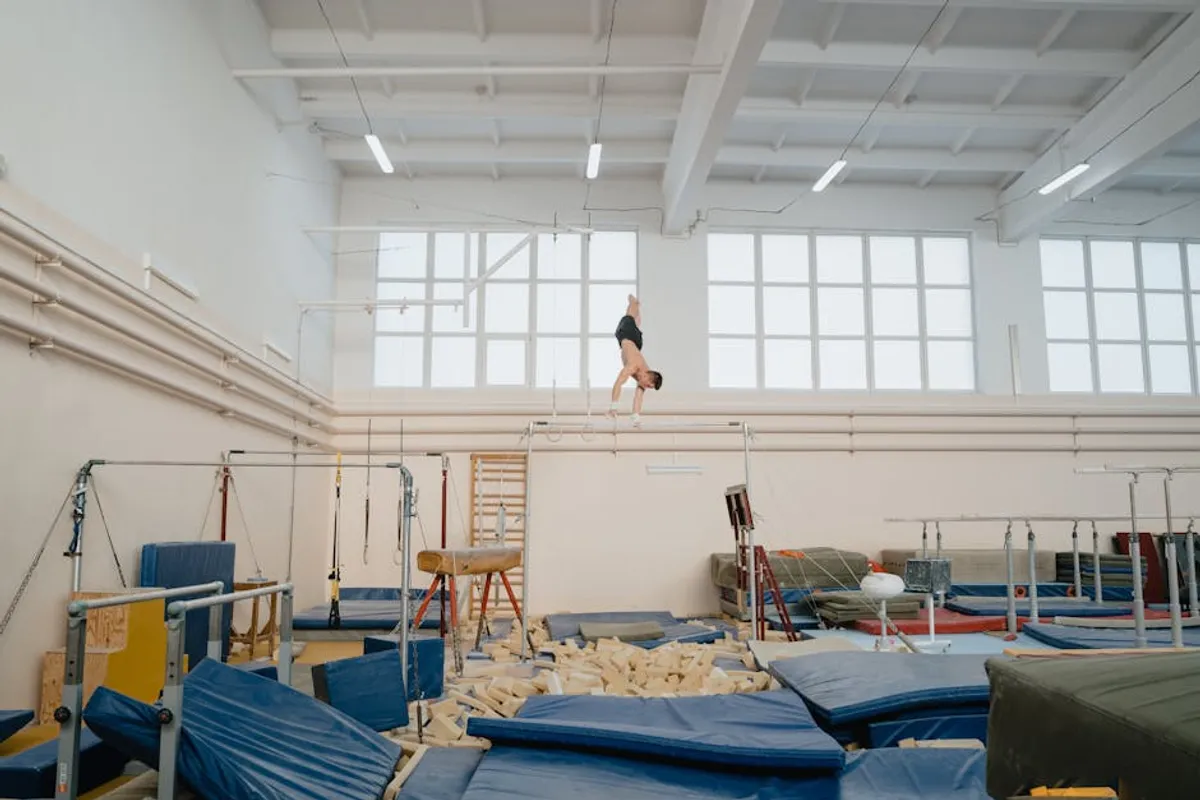
Entering the world of gymnastics competitions marks a significant step for both athletes and their families. This transition involves more than just mastering routines; it demands a structured approach to preparation, a clear understanding of the competition environment, and strategic support systems. For athletes, it signifies a commitment to performance under pressure, refining skills, and developing mental resilience. For parents, it involves navigating event logistics, providing consistent emotional reinforcement, and understanding the nuances of scoring and feedback. This guide outlines the essential considerations and actionable strategies to ensure a positive and productive competition experience, focusing on preparedness, informed participation, and sustained growth.
Navigating Competition Structures
Understanding the framework of gymnastics competitions is fundamental for setting realistic expectations and tailoring preparation. Competitions are typically organized into distinct levels and formats, each with specific requirements and objectives.
Developmental vs. Competitive Tracks
Most gymnastics programs offer a progression from foundational, developmental stages to more advanced, competitive tracks. Developmental programs, often termed recreational or pre-team, focus on skill acquisition, fundamental strength, and flexibility without the pressure of formal scoring. These serve as a crucial pipeline, building a broad base of physical literacy. Competitive tracks, conversely, involve structured routines, specific judging criteria, and rankings. These are often categorized by age, skill level (e.g., Level 1-10 in USA Gymnastics, or similar systems in other federations), and event type (e.g., women's artistic, men's artistic, rhythmic, trampoline). The choice between tracks is driven by the athlete's interest, skill progression, and commitment level, directly impacting training intensity and financial investment.
Judging Criteria and Scoring Basics
Gymnastics scoring is based on a detailed rubric that evaluates both difficulty and execution. Judges assess routines against a set of predetermined requirements and assign deductions for errors. A typical score comprises a Difficulty Score (D-score), reflecting the complexity of skills performed, and an Execution Score (E-score), which measures the technical and artistic quality of the performance against a perfect 10.0 start value. Deductions range from minor (e.g., bent knees, small steps) to significant (e.g., falls, missed elements). Understanding these criteria allows athletes to prioritize precision in training and parents to interpret scores beyond the final number. Coaches typically provide specific insights into the current code of points, which is updated periodically.
Athlete Readiness: Beyond the Skills
Success in competition extends beyond the ability to perform a routine; it encompasses comprehensive physical and mental preparation designed to optimize performance and minimize risks.
Physical Conditioning and Injury Prevention
Consistent, targeted physical conditioning is non-negotiable. This involves strength training specific to gymnastics movements, flexibility work to enhance range of motion, and cardiovascular endurance to sustain performance throughout a multi-event competition. Athletes should follow a structured training plan that includes progressive overload and adequate rest. Injury prevention is paramount, requiring proper warm-ups, cool-downs, and attention to technique to avoid overstressing joints and muscles. Coaches often integrate prehabilitation exercises to strengthen vulnerable areas. Hydration and a balanced diet are also critical components, fueling the body for intense training and recovery.
Mental Toughness and Visualization
The competitive environment introduces pressure that can impact performance. Developing mental toughness involves strategies to manage nerves, maintain focus, and rebound from mistakes. Visualization, where athletes mentally rehearse their routines with perfect execution, can significantly enhance confidence and muscle memory. Positive self-talk, deep breathing exercises, and establishing pre-performance routines help athletes enter a focused state. Coaches play a vital role in teaching these mental skills, often incorporating them into regular training sessions.
- Visualization: Practice mentally performing routines flawlessly.
- Positive Self-Talk: Replace negative thoughts with affirming statements.
- Deep Breathing: Use controlled breathing to calm nerves.
- Pre-Performance Routines: Establish consistent actions before each event.
Equipment and Attire Essentials
Proper equipment and attire are functional necessities, not just aesthetic choices.
Required:
- Leotard: Competition-approved leotards are mandatory, adhering to specific design and modesty guidelines set by the governing body. Ensure it fits well, allowing full range of motion without distraction.
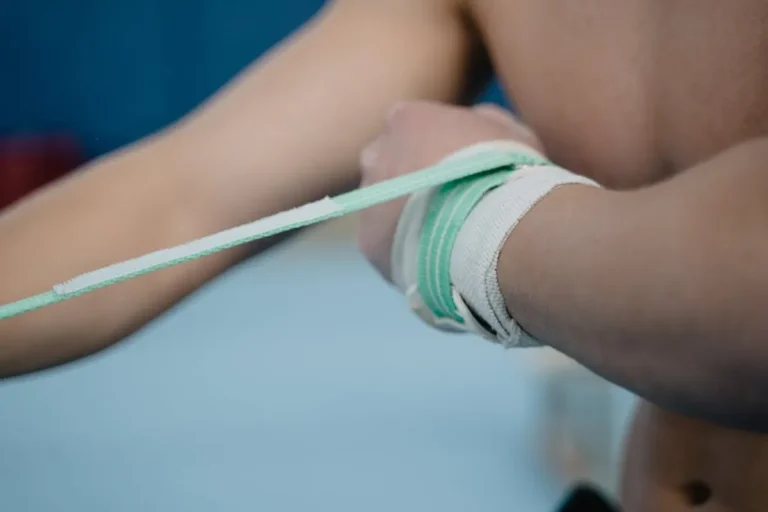
- Grips: For bars, grips protect hands and enhance grip security. Selection depends on athlete level and preference, requiring break-in time.
- Footwear: Gymnastics slippers or bare feet are standard, depending on the event.
Recommended:
- Tape: Athletic tape for wrists, fingers, or ankles provides support and prevents blisters.
- Water Bottle: Essential for hydration throughout the day.
- Small Towel: For wiping hands or equipment.
Ensure all items are clean, in good repair, and meet competition standards. New equipment, particularly grips, should be introduced and broken in well in advance of competition day to prevent discomfort or performance issues.
The Parent's Role: Logistics and Emotional Support
Parents serve as the primary support system, managing the practicalities and emotional landscape of competition.
Managing Logistics: Travel, Nutrition, and Schedule
Competition weekends demand meticulous planning. This includes booking travel and accommodation well in advance, especially for out-of-town events. Create a detailed schedule for the day, accounting for travel time, arrival at the venue, warm-up periods, and event rotations. Pack a cooler with nutritious snacks and meals that the athlete is accustomed to, avoiding new foods on competition day. Hydration is key; ensure access to water throughout the event. Confirm competition times and locations with coaches, as schedules can shift.
Pro Tip: Create a competition checklist for packing and a detailed itinerary for competition day. Print copies for all family members involved. This reduces pre-competition stress and ensures no essential items or timings are overlooked. Consider packing a small first-aid kit with basics like pain relievers, bandages, and blister treatment.
Emotional Support: Encouragement and Perspective
The most impactful parental contribution is unwavering positive emotional support. Before the competition, focus on encouragement and reassurance, emphasizing effort and enjoyment over results. During the event, maintain a calm demeanor, offering applause and smiles. After the competition, regardless of outcome, prioritize listening and validating the athlete's feelings. Avoid immediate critiques or comparisons. Instead, ask open-ended questions about their experience and focus on their personal achievements and growth. Remind them that every competition is a learning opportunity, reinforcing the long-term journey of skill development and resilience.
Understanding the Score Sheet and Feedback
Score sheets provide a detailed breakdown of an athlete's performance, indicating specific deductions and contributing scores. While the final score is visible, understanding the individual components offers valuable insight for future training. Parents should review score sheets with the coach to gain clarity on areas for improvement. Avoid discussing specific deductions with the athlete immediately after a routine, as this can be counterproductive. Instead, let the coach deliver technical feedback in a constructive manner during subsequent training sessions. The parent's role is to support the coach's feedback, not to duplicate or contradict it.
Maximizing Performance on Competition Day
The day of competition requires a focused approach to leverage preparation and manage the unique pressures of the event.
Warm-up Routines and Focus Strategies
A consistent warm-up routine is crucial for both physical readiness and mental preparation. Athletes should arrive early enough to complete their usual dynamic stretches and light conditioning exercises. This routine signals to the body and mind that it's time to perform. During the official warm-up period on each apparatus, focus on feeling the equipment, refining key elements, and building confidence. Avoid attempting new skills or over-exerting. Mental strategies like deep breathing and positive affirmations should be integrated into the warm-up to maintain a calm and focused state.
Managing Nerves and Maintaining Composure
Nervousness is a natural response to competition. Effective management involves acknowledging these feelings without letting them overwhelm. Techniques such as controlled breathing (e.g., inhaling for four counts, holding for four, exhaling for six), progressive muscle relaxation, and focusing on the present moment can help. Athletes should concentrate on one skill or one part of the routine at a time, rather than the entire performance. If a mistake occurs, the ability to reset and maintain composure for the remainder of the routine is a critical skill, honed through practice and mental training.
Post-Performance Review and Growth Mindset
After each event, and at the conclusion of the competition, a constructive review process is essential. The focus should be on the athlete's effort, execution of practiced skills, and overall experience, not solely on scores or placements. Encourage a growth mindset, where challenges are seen as opportunities for learning and improvement. Discuss what went well and what could be adjusted in future training. This approach fosters resilience and a sustained passion for the sport, reinforcing that progress is a continuous journey rather than a single event outcome.
Building a Foundation for Success
Successful navigation of gymnastics competitions is a collaborative effort between athletes, parents, and coaches. It is built on a foundation of diligent preparation, informed participation, and unwavering support. By understanding the competition structure, prioritizing athlete readiness, and providing consistent emotional and logistical backing, families can transform competitive experiences into valuable opportunities for personal growth and skill development. The true measure of success lies not just in scores or medals, but in the athlete's journey, their resilience, and their continued love for the sport.
Frequently Asked Questions
What should an athlete eat on competition day?
Focus on easily digestible carbohydrates for energy, such as oatmeal, bananas, or whole-wheat toast, and lean proteins. Avoid heavy, greasy, or sugary foods that can cause digestive upset. Maintain consistent hydration with water.
How early should we arrive at a competition?
Plan to arrive at least 60-90 minutes before the scheduled warm-up time. This allows for parking, finding the venue, checking in, and for the athlete to settle in and begin their personal warm-up without rushing.
Is it okay for parents to talk to judges?
No, direct communication between parents and judges is strictly prohibited. Any questions or concerns regarding scoring or rules should be directed to the athlete's coach, who can then approach the appropriate meet officials if necessary.
What if my child makes a mistake during their routine?
Mistakes are part of the learning process. Encourage your child to finish their routine strongly and maintain composure. Afterwards, focus on their effort and resilience, and allow the coach to provide technical feedback during practice.