Navigating the world of gymnastics competitions presents a unique blend of excitement and challenge for both athletes and their parents. From the initial training phases to the adrenaline of competition day and the subsequent review, each stage demands specific preparation and understanding. This guide provides a structured approach to ensure a positive and productive experience, focusing on actionable strategies for readiness, performance, and growth within the competitive gymnastics environment.
Pre-Competition Preparation: Foundation for Success
Effective preparation extends beyond physical conditioning, encompassing mental readiness, equipment logistics, and a clear understanding of the competitive framework. Athletes who approach competitions with a holistic preparation strategy often exhibit greater confidence and adaptability.
Training Regimen and Mental Readiness
Consistent, targeted training is the cornerstone of competition readiness. Athletes should focus on mastering their routines, ensuring each skill is performed with precision and consistency. This includes not only the physical execution but also the mental sequencing of the routine. Coaches typically structure training cycles to peak at competition time, emphasizing full routine run-throughs under simulated pressure.
Mental preparation is equally critical. Techniques such as visualization—where an athlete mentally rehearses their routine, picturing successful execution and managing potential errors—can significantly reduce competition day anxiety. Breathing exercises and positive self-talk also contribute to a calm and focused mindset. Parents can support this by encouraging a balanced perspective, emphasizing effort and learning over solely results.
Essential Gear and Attire Compliance
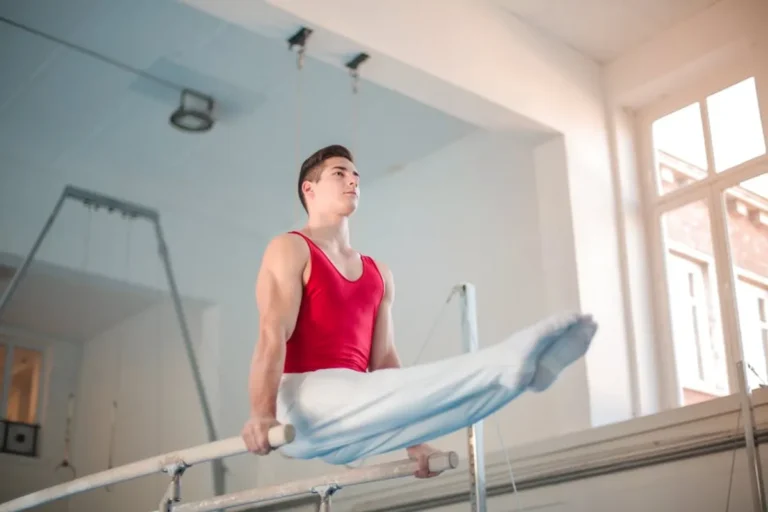
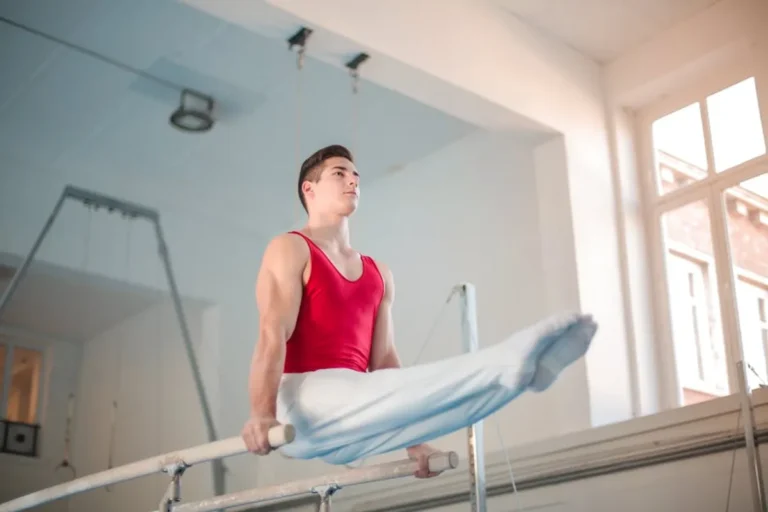
Proper equipment and attire are non-negotiable for competition. Each federation or league (e.g., USA Gymnastics Junior Olympic Program, Xcel) has specific requirements for leotards, grips, and other accessories. For female gymnasts, a competition-approved leotard is standard, often with specific design or modesty guidelines. Male gymnasts typically wear a sleeveless leotard or singlet paired with shorts or long pants.
- Leotard: Must adhere to federation guidelines regarding cut, fabric, and embellishments.
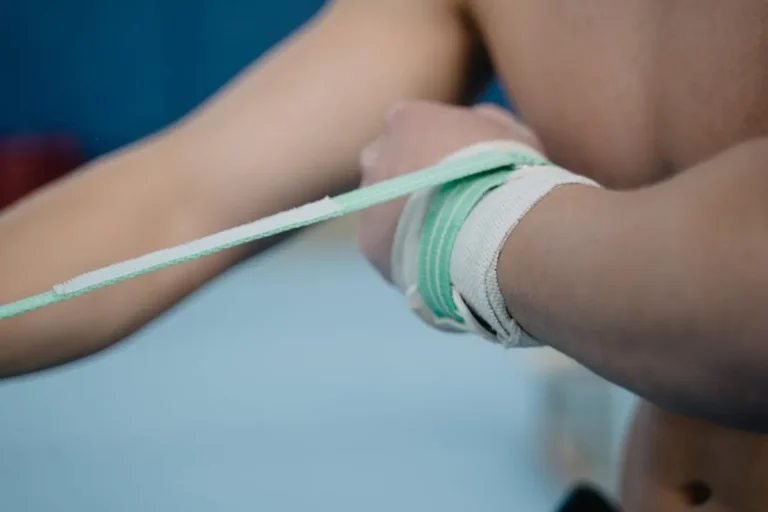
- Grips: For bars, ensure they are broken in and fit correctly to prevent rips and blisters.
- Wrist Guards/Braces: If used, confirm they meet competition specifications.
- Hair Accessories: Hair must be securely pulled back, often in a bun or ponytail, using conservative accessories.
- Water Bottle: Essential for hydration throughout the day.
- Small Snack: Non-perishable, easily digestible options for between events.
Best for: Ensuring compliance and comfort, minimizing last-minute issues.
Understanding Scoring and Regulations
Familiarity with the scoring system and specific event regulations is crucial for both athletes and parents. In most competitive gymnastics, routines are judged on a combination of difficulty (start value) and execution (deductions for errors). Judges assess form, amplitude, technique, and artistry. Common deductions range from minor form breaks (e.g., bent knees, flexed feet) to major errors (e.g., falls from apparatus, missed connections).
Parents should review the specific rules for their child's level and age group. This knowledge helps in understanding score sheets, interpreting judge feedback, and identifying areas where an athlete can improve to maximize their score. It also provides context for discussions with coaches post-competition.
Competition Day Execution: Focus and Logistics
Competition day is a culmination of months of training. Strategic planning for arrival, warm-ups, and in-competition support can significantly impact an athlete's performance and overall experience.
Arrival and Warm-up Protocols
Arriving at the venue well in advance of the scheduled warm-up time is critical. This allows for check-in, finding seating, and acclimatizing to the environment without rushing. Athletes typically have a designated "open stretch" period followed by structured warm-ups on each apparatus. During open stretch, gymnasts perform light cardio and dynamic stretches. Apparatus warm-ups are supervised by coaches and are designed for athletes to practice specific skills and routine components on the actual competition equipment.
Pro Tip: To manage competition day anxiety, athletes should practice their full routines in a simulated competition environment at the gym. This includes wearing their competition leotard and performing for coaches or teammates, replicating the pressure and timing of a real event.
Nutritional and Hydration Strategy
Maintaining energy and focus throughout a multi-hour competition requires a deliberate nutrition and hydration plan. Athletes should consume a light, easily digestible meal 2-3 hours before warm-ups, avoiding heavy, fatty, or sugary foods that can cause sluggishness or stomach upset. Throughout the competition, consistent hydration with water is paramount. Small, energy-boosting snacks like fruit, granola bars, or pretzels can be consumed between events, but new or unfamiliar foods should be avoided.
Parent Support Role
Parents play a vital support role on competition day, primarily by providing emotional encouragement and managing logistics. This includes ensuring timely arrival, having all necessary gear, and offering positive reinforcement. During the competition, parents should observe from designated spectator areas, refraining from direct coaching or interference. Maintaining a calm demeanor can help alleviate an athlete's nerves. After routines, positive comments focusing on effort and specific well-executed elements are more beneficial than immediate critiques or score discussions.
Post-Competition Analysis and Growth: Learning from Experience
The period immediately following a competition is crucial for learning and development, regardless of the outcome.
Reviewing Score Sheets and Feedback
Coaches will typically review score sheets with athletes to identify specific deductions and areas for improvement. Parents can participate in these discussions to gain a better understanding of the technical aspects of the sport. Focus on the actionable feedback—what specific skills or routine components need more attention in future training—rather than dwelling on the final rank or score.
Emotional Management and Perspective
Gymnastics competitions offer opportunities for both triumph and disappointment. It is essential for athletes to learn to manage these emotions constructively. Celebrate successes, acknowledge personal bests, and recognize the hard work invested. When scores are lower than expected, emphasize the learning opportunity. Reinforce that progress is a journey, and every competition provides valuable experience. Maintaining a long-term perspective on skill development and personal growth fosters resilience.
Navigating the Competition Journey
Successful participation in gymnastics competitions is built on meticulous preparation, strategic execution, and a commitment to continuous learning. By understanding the demands of each phase—from training to competition day logistics and post-event analysis—parents and athletes can approach each event with confidence, maximizing both performance and personal development. This structured approach helps transform competitive pressure into a catalyst for growth, fostering a deeper appreciation for the sport.
Frequently Asked Questions
What should be in a gymnast's competition bag?
A competition bag should include the competition leotard, grips (if used), wrist guards, hair ties/pins, a water bottle, a light snack, small first-aid items (band-aids, athletic tape), and any personal comfort items like a small towel or book.
How can parents best support their child during a competition?
Parents should offer positive encouragement, handle all logistics (transportation, food), ensure the child is well-rested and hydrated, and avoid direct coaching or interfering with judges/coaches. Focus on effort and enjoyment over results.
What are common deductions in gymnastics scoring?
Common deductions include bent knees or arms, flexed feet, falls from apparatus, steps on landings, pauses in routines, lack of amplitude, and form breaks during skills. Each deduction has a specific point value, ranging from 0.05 to 0.50 or more for falls.
How important is nutrition on competition day?
Nutrition is critical for maintaining energy, focus, and stamina. A balanced, easily digestible meal 2-3 hours before warm-ups, followed by consistent hydration and small, healthy snacks between events, prevents fatigue and supports optimal performance.