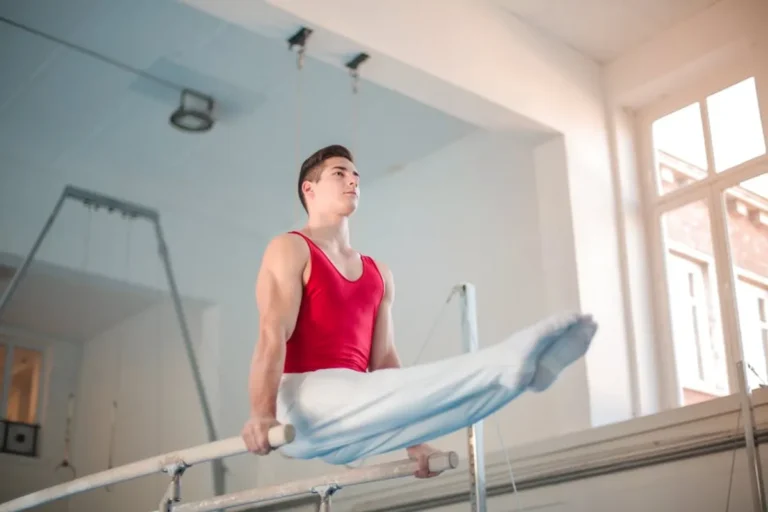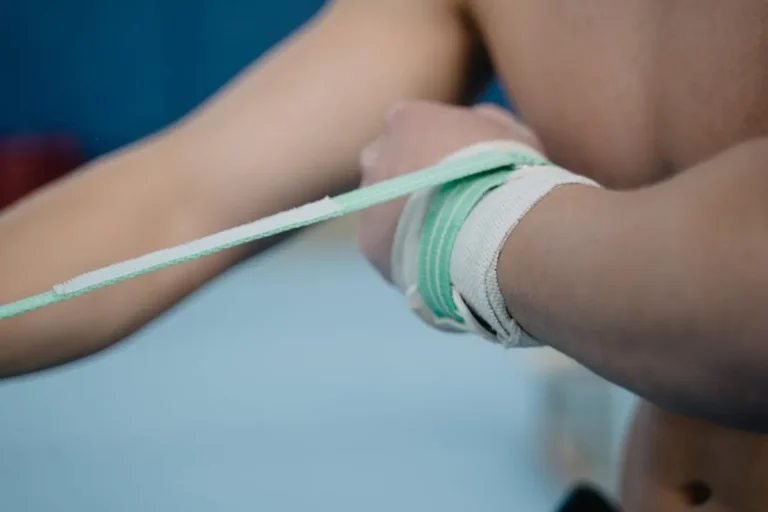
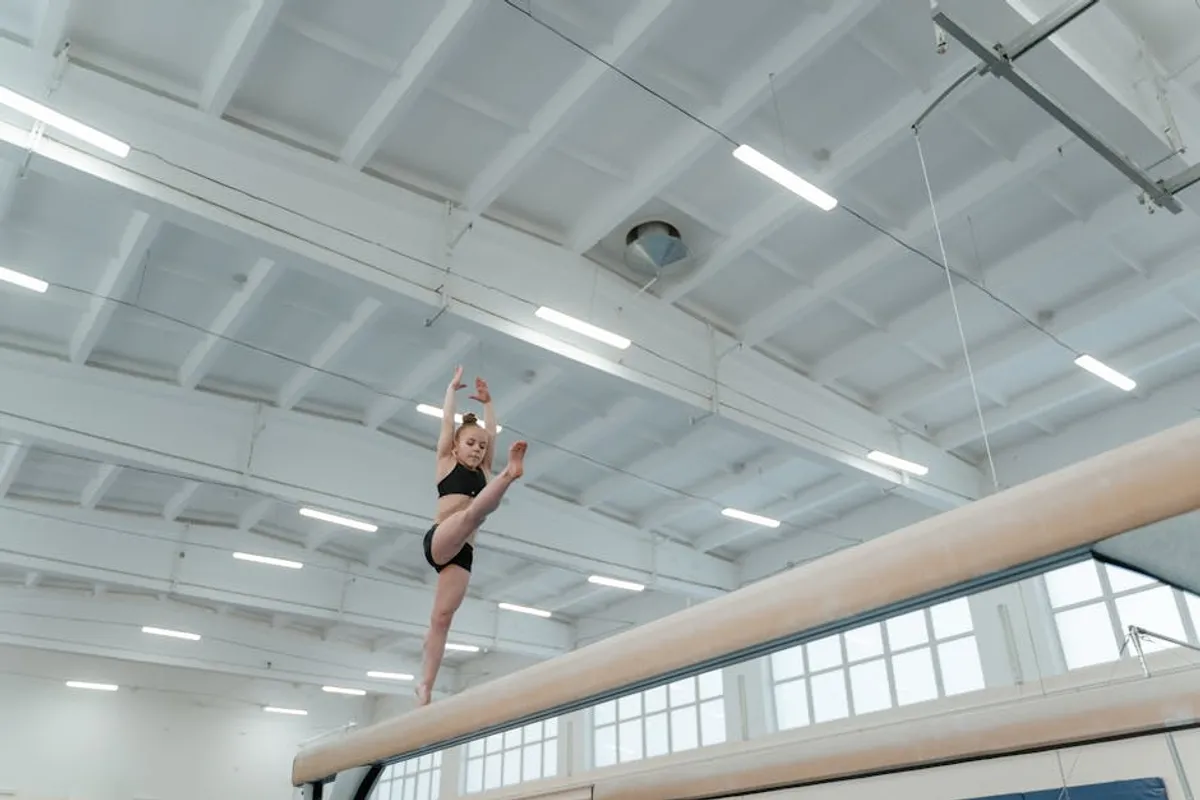
For SEO professionals, marketers, site owners, and publishers in the gymnastics niche, the 2026 calendar of awareness days and major events presents a significant opportunity for content planning and audience engagement. Proactively identifying these dates allows for the development of targeted content, strategic campaign launches, and timely community interaction, moving beyond reactive content creation. This calendar functions as a foundational resource for aligning editorial schedules, social media initiatives, and outreach efforts with moments of peak audience interest, ensuring content relevance and maximizing visibility.
Strategic Application of Gymnastics Observances
Integrating gymnastics awareness days and events into a content strategy extends beyond simple recognition; it’s about leveraging established search interest and community focus. These dates provide natural anchors for evergreen and topical content, offering distinct advantages:
- Content Ideation: Each awareness day or event can inspire a range of content formats, from in-depth articles on historical significance to athlete profiles, training technique breakdowns, or discussions on the sport's evolution. For example, a "World Gymnastics Day" can prompt a series on the global impact of gymnastics, while a major championship can fuel predictive analyses and post-event recaps.
- Audience Engagement: Timely content resonates more deeply. Awareness days are ideal for interactive social media campaigns, polls, user-generated content challenges, and Q&A sessions with coaches or athletes. This fosters community and directly increases time-on-site and social sharing metrics.
- Backlink Opportunities: Creating authoritative content around specific events or awareness days can position a site as a valuable resource. This naturally attracts inbound links from other gymnastics-focused sites, news outlets, and educational platforms seeking to reference well-researched, timely information.
- Seasonal SEO Optimization: Search queries often spike around significant dates. By planning content in advance, sites can optimize for relevant long-tail keywords associated with these events, capturing increased organic traffic during peak interest periods. This includes creating dedicated landing pages for major championships or specific awareness campaigns.
Key Gymnastics Awareness Days and Typical Observances in 2026
While exact dates for some awareness days can shift slightly year-to-year or vary by region, several key observances provide consistent content opportunities. Marketers should verify specific 2026 dates with official federations or organizing bodies closer to the year.
- World Gymnastics Day: Typically observed in October, this global initiative promotes the sport's benefits and accessibility. Content themes can include health and wellness aspects, community gymnastics programs, or interviews with local coaches.
- National Gymnastics Day (USA): Often held in September, this day focuses on promoting gymnastics within the United States. Content can highlight American gymnasts, national programs, or local gym open houses.
- Discipline-Specific Awareness: Certain periods might be informally recognized for specific gymnastics disciplines, such as Rhythmic Gymnastics, Artistic Gymnastics, or Trampoline Gymnastics. These can be opportunities for deep dives into rules, iconic routines, or athlete stories unique to each discipline.
- International Women's Day (March 8): While not exclusive to gymnastics, this day provides an excellent context to celebrate achievements of female gymnasts, their impact on sports, and discussions on gender equality in athletics.
Integrating Major Competition Schedules into Your 2026 Calendar
Beyond awareness days, the competitive calendar generates significant, sustained search interest. For 2026, while the Olympic Games are not scheduled, major international and national championships will drive considerable traffic. Monitoring the International Gymnastics Federation (FIG) calendar and national federation schedules is crucial.
- FIG World Cups and Challenge Cups: These events occur throughout the year across various disciplines. Each event offers opportunities for previews, live updates, athlete spotlights, and post-competition analyses.
- Continental Championships: Events like the European Championships, Pan American Championships, or Asian Championships are typically held annually or biennially. These provide a regional focus for content, allowing for deeper dives into specific national teams and athletes.
- National Championships: Each country hosts its own national championships, which are prime opportunities for local SEO and community engagement. Content can feature local athletes, club successes, and pathways to elite competition.
- Youth and Junior Competitions: These events highlight emerging talent and can be used to create content around athlete development, training methodologies, and the future of the sport.
Pro Tip: When planning content around specific events, prioritize official sources for dates and schedules. The FIG website and national gymnastics federation sites are the most reliable. Unverified dates can lead to misinformation and diminish content authority. Always cross-reference.
Developing a Content Strategy for the 2026 Gymnastics Calendar
A well-structured content strategy maximizes the impact of each calendar entry:
Pre-Event Content:
- Athlete Spotlights: Profiles of gymnasts expected to compete, focusing on their training, background, and aspirations.
- Event Previews: Articles detailing the competition format, key contenders, and what to watch for.
- Historical Context: Pieces exploring past winners, memorable moments, or the evolution of the event.
During-Event Content:
- Live Updates/Recaps: Short-form content for social media or blog posts summarizing daily results and highlights.
- Expert Commentary: Analysis of routines, scores, and competitive strategies.
- Behind-the-Scenes: If access allows, content showcasing the environment, training halls, or athlete interactions.
Post-Event Content:
- Results Analysis: In-depth breakdown of outcomes, unexpected performances, and medal tallies.
- Impact Assessments: Discussions on how results might affect future competitions or athlete rankings.
- Skill Tutorials: Content inspired by winning routines, breaking down specific skills for aspiring gymnasts.
Awareness Day Content:
- Educational Pieces: Explaining the benefits of gymnastics, different disciplines, or safety protocols.
- Community Features: Showcasing local gyms, coaches, or inspiring stories from the gymnastics community.
- Interactive Campaigns: Social media challenges, quizzes, or photo contests tied to the day's theme.
Implementing Your 2026 Gymnastics Content Plan
Effective implementation requires a structured approach:
- Comprehensive Research: Begin by compiling all known or anticipated 2026 dates from official sources. Note potential conflicts or overlapping events.
- Keyword Strategy: Conduct keyword research for each event and awareness day. Identify informational, commercial, and navigational queries users will make. Map these keywords to specific content pieces.
- Content Production Timeline: Work backward from each key date. Allocate sufficient time for research, writing, editing, graphic design, video production, and SEO optimization. Aim to publish pre-event content weeks in advance to capture early search interest.
- Multi-Channel Distribution: Plan how each piece of content will be promoted across different platforms – website, blog, social media (Instagram, TikTok, Facebook, X), email newsletters, and potential outreach to relevant communities or influencers.
- Performance Monitoring: Track traffic, engagement metrics, keyword rankings, and backlink acquisition for content related to these events. Use this data to refine future content strategies.
Maintaining and Evolving Your Calendar
A gymnastics awareness and events calendar is a dynamic tool. Regularly review and update the 2026 schedule as new event dates are announced or adjusted. Pay attention to emerging trends in the sport, new athlete narratives, and evolving audience interests. This continuous refinement ensures the calendar remains a relevant and powerful asset for driving content strategy and audience engagement throughout the year.
Frequently Asked Questions
How far in advance should I plan content for these dates?
For major events, begin planning 3-6 months in advance to allow for thorough research, content creation, and pre-publication SEO optimization. For awareness days, 1-2 months is generally sufficient to develop impactful campaigns.
Where can I verify official awareness day and event dates?
Always consult the official websites of the International Gymnastics Federation (FIG) for international events, and your respective national gymnastics federation (e.g., USA Gymnastics, British Gymnastics) for national observances and competitions.
Are there specific SEO benefits to observing these days?
Yes, observing these days allows you to create highly relevant, timely content that aligns with periods of increased search volume. This improves organic visibility, attracts targeted traffic, and can lead to higher engagement rates and backlink opportunities.
How can small businesses or local gyms leverage this calendar?
Local businesses can adapt global themes to local contexts. For example, during World Gymnastics Day, promote local classes, host open days, or feature local athlete success stories. For major competitions, organize watch parties or offer themed promotions, linking global interest to local services.