
Developing robust core strength is not merely an adjunct to gymnastics training; it is the central pillar supporting every skill, from fundamental balances to complex aerial maneuvers. A well-conditioned core provides the stability required for precision, generates the power for dynamic movements, and acts as a crucial protective mechanism against injury. Without a strong, integrated core, gymnasts face limitations in execution, increased risk of strain, and a plateau in progression. This guide outlines a structured approach to building the foundational and functional core strength essential for competitive gymnastics.
Understanding the Gymnastics Core
The "core" in gymnastics extends beyond the superficial abdominal muscles. It encompasses a 360-degree muscular corset, including the rectus abdominis, obliques, transverse abdominis, erector spinae, multifidus, glutes, and hip flexors. These muscles work synergistically to stabilize the spine and pelvis, transfer force between the upper and lower body, and control movement in all planes. For a gymnast, this means maintaining a rigid body line during handstands, generating rotational power for twists, and absorbing impact during landings.
Key functions of a gymnastics core:
- Spinal Stability: Prevents unwanted movement and protects the spine during high-impact or high-load activities.
- Force Transfer: Efficiently transmits power from the legs to the arms (e.g., vaulting) or vice versa (e.g., pressing to handstand).
- Body Control: Enables precise adjustments for balance, alignment, and intricate skill execution.
- Injury Prevention: Reduces the risk of back pain, hip issues, and other common gymnastic injuries by maintaining proper biomechanics.
Foundational Core Training Principles
Effective core training for gymnastics adheres to specific principles that maximize transfer to sport-specific skills.
Specificity of Movement
Gymnastics demands a high degree of isometric strength (holding static positions) and controlled dynamic strength (moving through a range of motion). Training should reflect this by incorporating both types of exercises. Anti-rotation and anti-extension exercises are also critical for resisting unwanted movement, directly translating to stability in complex positions.
Progressive Overload
Muscles adapt to stress. To continue developing strength, exercises must progressively become more challenging. This can involve increasing hold times, adding repetitions, decreasing rest periods, or advancing to more difficult variations of an exercise.
Form and Control Over Quantity
Executing core exercises with impeccable form is paramount. Poor form not only reduces effectiveness but can also reinforce inefficient movement patterns or lead to injury. Focus on engaging the correct muscles and maintaining a braced, stable trunk throughout the movement. Quality repetitions always supersede high-volume, sloppy execution.
Essential Core Exercises for Gymnasts
A comprehensive core program integrates various exercise types to address the multifaceted demands of gymnastics.
Isometric Holds for Static Strength
These exercises build the sustained tension required for holding positions like handstands, L-sits, and hollow body shapes.
- Hollow Body Hold: Lie on your back, pressing your lower back into the floor. Lift shoulders and legs slightly off the ground, keeping arms extended overhead. Maintain a tight, rounded shape.
Benefit: Fundamental for stability, body tension, and connection between upper and lower body.
- Arch Hold (Superman): Lie on your stomach, lift chest, arms, and legs off the ground. Squeeze glutes and back muscles, keeping head neutral.
Benefit: Strengthens the posterior chain, crucial for back handsprings and arching skills.
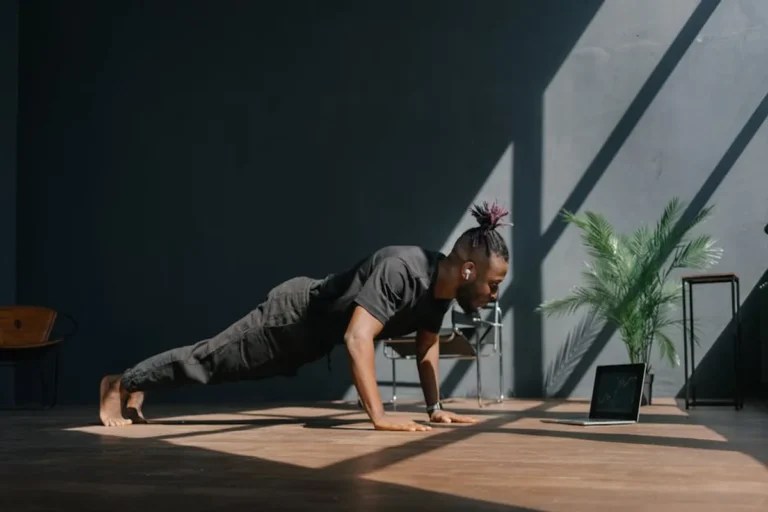
- Plank Variations (Front, Side): Maintain a rigid body line, engaging glutes and core. Side planks challenge obliques and anti-lateral flexion.
Benefit: Develops full-body tension and spinal stability.
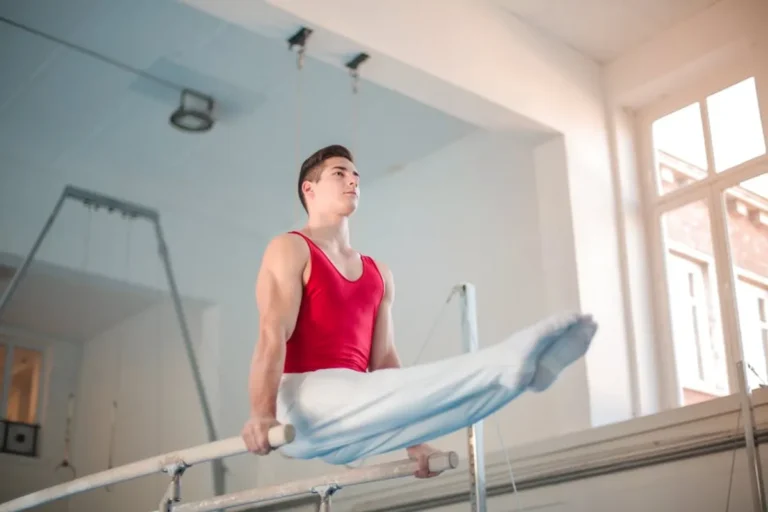
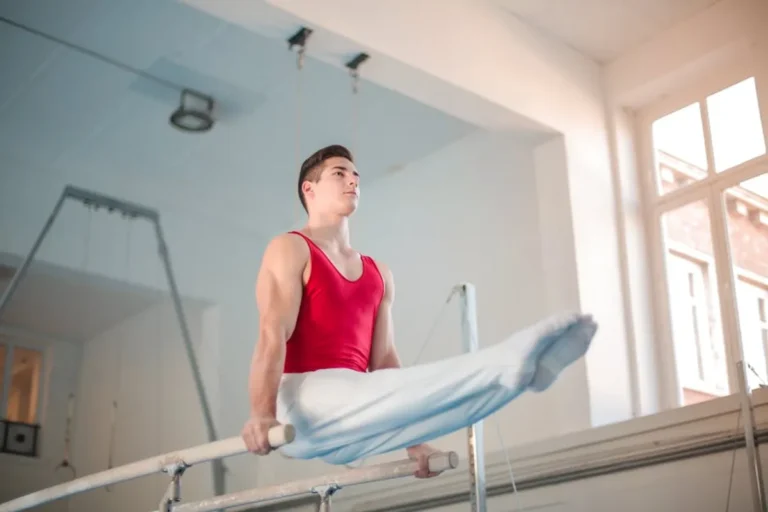
- L-Sit: From parallel bars or floor, press down to lift hips and legs, forming an 'L' shape with straight legs.
Benefit: Advanced isometric strength for pressing skills and holds.
Dynamic Exercises for Power and Control
These movements build strength through a range of motion, vital for explosive skills and transitions.
- V-Ups: Lie flat, then simultaneously lift torso and legs to meet in a 'V' shape, touching toes. Control the descent.
Benefit: Combines abdominal and hip flexor strength for powerful contractions.
- Leg Raises (Controlled): Lie on your back, keeping legs straight. Slowly raise legs to vertical, then slowly lower without arching the back.
Benefit: Targets lower abdominals and hip flexors for controlled leg movements.
- Russian Twists (Controlled): Sit with knees bent, feet off the floor. Lean back slightly, maintaining a straight spine. Rotate torso side to side, touching hands to the floor. Focus on control, not speed.
Benefit: Strengthens obliques for rotational power and anti-rotation.
Anti-Rotation and Anti-Extension
These exercises teach the core to resist unwanted movement, enhancing stability during complex actions.
- Pallof Press: Stand perpendicular to a cable machine or resistance band anchored at chest height. Press the handle straight out, resisting the rotational pull.
Benefit: Builds anti-rotational stability, crucial for twisting and landing.
- Dead Bug: Lie on your back, arms extended upwards, knees bent at 90 degrees. Slowly extend opposite arm and leg, keeping lower back pressed to the floor.
Benefit: Develops core control and coordination while resisting extension.
Pro Tip: Integrate breathing and bracing techniques. Before initiating any core exercise, take a deep breath into your diaphragm, then brace your abdominal muscles as if preparing for a punch. This creates intra-abdominal pressure, providing a natural corset that stabilizes the spine and maximizes muscle activation. Exhale slowly and controlled throughout the movement, maintaining tension.
Structuring a Core Training Program
A well-designed core program should be integrated into a gymnast's overall training schedule, typically 3-4 times per week.
Frequency and Integration
Core work can be performed as a dedicated session, incorporated into warm-ups, or as part of a cool-down. For gymnasts, short, intense core circuits are often effective. Aim for consistency rather than sporadic, lengthy sessions.
Sample Core Routine (Intermediate)
Perform each exercise for 3 sets, with 30-60 seconds rest between sets. Focus on perfect form.
- Hollow Body Hold: 30-60 seconds
- Arch Hold: 30-60 seconds
- V-Ups: 10-15 repetitions
- Side Plank (each side): 30-45 seconds
- Controlled Leg Raises: 12-15 repetitions
As strength improves, increase hold times, reps, or transition to more challenging variations. For example, progress from a standard plank to a plank with leg lifts, or from V-ups to tuck planche progressions.
Maximizing Core Development
Building a powerful core for gymnastics requires diligence and attention to detail. Prioritize proper technique, listen to your body, and consistently challenge yourself within a structured framework. The strength gained in the core will translate directly to enhanced performance, greater control, and a reduced risk of injury across all gymnastic disciplines.
Frequently Asked Questions
How often should gymnasts train their core?
Gymnasts should aim for 3-4 dedicated core training sessions per week. This allows sufficient recovery while providing consistent stimulus for strength development. Short, focused sessions (15-20 minutes) are often more effective than infrequent, exhaustive workouts.
What is the key difference between a hollow body hold and an arch hold?
The hollow body hold focuses on strengthening the anterior core (front of the body) and creating a rounded, tight shape fundamental for many gymnastic skills. The arch hold, conversely, targets the posterior chain (back of the body), developing the strength needed for extension and arching movements.
Can I just do crunches for core strength in gymnastics?
While crunches can target the rectus abdominis, they are insufficient for the comprehensive core strength required in gymnastics. Gymnastics demands 360-degree core stability, isometric strength, anti-rotational capabilities, and posterior chain development, which crunches alone do not address.
How long does it take to see results from core training?
With consistent and proper training, gymnasts can typically begin to feel improvements in core stability and control within 4-6 weeks. Visible changes in muscle definition may take longer, but functional strength gains often precede aesthetic ones.