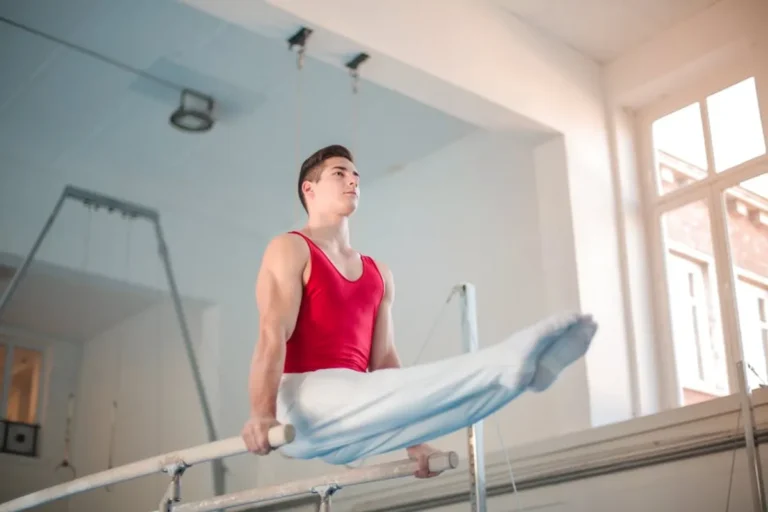
Effective warm-up drills are foundational for young gymnasts, serving as a critical bridge between rest and rigorous training. Their primary purpose extends beyond merely raising the heart rate; they are meticulously designed to prepare the body and mind for the unique demands of gymnastics. A well-structured warm-up mitigates injury risk by increasing muscle elasticity and joint mobility, enhances performance by activating relevant muscle groups and improving neuromuscular coordination, and fosters mental readiness by establishing focus and routine. For young athletes, whose bodies are still developing, the selection and execution of these drills must be age-appropriate, engaging, and progressive, ensuring long-term athletic development without undue strain.
Key Considerations for Designing Warm-Up Routines for Young Gymnasts
Developing an effective warm-up routine for young gymnasts requires a strategic approach, balancing physiological preparation with developmental appropriateness. Coaches and parents should consider several factors to ensure drills are safe, beneficial, and engaging for children.
- Age and Developmental Stage: Younger gymnasts (under 8) benefit from more game-oriented, less structured drills that focus on fundamental movement patterns and body awareness. Older gymnasts can handle more specific, technique-focused exercises.
- Gradual Intensity: Warm-ups should always begin with light aerobic activity to gently elevate heart rate and body temperature, progressing to dynamic stretches and specific activation exercises. Avoid sudden, intense movements at the outset.
- Dynamic Over Static Stretching: Prioritize dynamic movements that take joints through their full range of motion over static stretches before training. Static stretching is more appropriate for cool-downs, as it can temporarily reduce power output if done excessively pre-activity.
- Duration and Flow: A warm-up should typically last 10-20 minutes, depending on the training session's length and intensity. The sequence of drills should flow logically, building complexity and intensity progressively.
- Engagement and Fun: For young athletes, maintaining engagement is crucial. Incorporating elements of play, variety, and positive reinforcement can prevent boredom and encourage consistent participation.
- Focus on Core and Stability: Gymnastics demands significant core strength and joint stability. Warm-ups should include exercises that activate these areas early to prepare the body for complex movements.
- Proprioception and Body Awareness: Drills that challenge balance and coordination help gymnasts develop a better sense of their body in space, which is vital for complex skills and injury prevention.
1. Light Aerobic Activity (Jogging, Skipping, High Knees)
This category of drills initiates the warm-up process by gently increasing heart rate and blood flow throughout the body. Activities like light jogging, skipping, or performing high knees and butt kicks elevate core body temperature, making muscles more pliable and less prone to injury. The focus here is on low-impact, continuous movement to prepare the cardiovascular system and large muscle groups for more specific work.
Best for: Initiating any gymnastics training session, suitable for all age groups and skill levels as the foundational element of a warm-up.
Pros:
- Increases core body temperature and blood circulation effectively.
- Low impact and accessible for all young gymnasts, regardless of current fitness level.
- Prepares the cardiovascular system for increased activity.
- Can be performed in a group setting, fostering a sense of team and routine.
Cons:
- Can become monotonous if not varied with different movements or patterns.
- Does not directly target specific gymnastics-related muscle groups or joint ranges of motion.
Verdict: Essential for any warm-up routine, providing the necessary physiological groundwork before moving into more targeted exercises. Its simplicity makes it universally applicable.
2. Arm Circles and Swings
Arm circles and swings are dynamic movements designed to mobilize the shoulder joint and activate the muscles of the shoulder girdle and upper back. Performing both forward and backward circles, along with cross-body swings, helps to increase the range of motion in the shoulders, which is critical for overhead movements, handstands, and swinging actions common in gymnastics. These drills gradually increase in size and speed to ensure controlled mobility.
Best for: Preparing shoulders for weight-bearing, overhead, and swinging movements, particularly relevant for bars, vault, and tumbling.
Pros:
- Directly targets shoulder mobility, reducing stiffness and improving flexibility.
- Activates rotator cuff muscles, crucial for shoulder stability and injury prevention.
- Can be performed with varying amplitudes and speeds to suit individual needs.
- Requires no equipment, making it highly versatile.
Cons:
- Improper form (e.g., shrugging shoulders) can limit effectiveness and potentially strain the neck.
- May not be sufficient for gymnasts with pre-existing shoulder mobility limitations, requiring additional specific stretches.
Verdict: A fundamental drill for upper body preparation, critical for developing the robust and mobile shoulders necessary for advanced gymnastics skills.
3. Leg Swings (Forward/Backward and Side-to-Side)
Leg swings are dynamic flexibility exercises that focus on improving hip mobility and stretching the major muscle groups of the legs, including hamstrings, quadriceps, and hip flexors. By swinging the leg controlledly forward and backward, and then side-to-side, gymnasts increase their active range of motion in the hip joint. This prepares the hips for splits, leaps, and powerful leg drives on various apparatus.
Best for: Enhancing hip flexibility and preparing leg muscles for dynamic movements, essential for floor, beam, and vault.
Pros:
- Significantly improves active hip range of motion and flexibility.
- Dynamically stretches hamstrings, quadriceps, and hip flexors without static holds.
- Enhances coordination and balance as the supporting leg stabilizes the body.
- Can be performed with increasing height and speed as flexibility improves.
Cons:
- Requires good balance; some younger gymnasts may need support initially.
- Over-swinging without control can lead to muscle strain if not performed correctly.
Verdict: Indispensable for developing the hip flexibility and dynamic leg control required for high-level gymnastics, particularly in leaps, jumps, and split positions.
4. Torso Twists and Cat-Cow
These drills focus on spinal mobility and core activation. Torso twists involve gentle, controlled rotations of the upper body, improving flexibility in the thoracic spine and engaging the oblique muscles. The cat-cow exercise, performed on hands and knees, dynamically flexes and extends the entire spine, promoting fluidity and awareness of spinal movement. Together, they prepare the core and spine for complex twists, arches, and hollow shapes.
Best for: Improving spinal flexibility and preparing the core for rotational and arching movements, beneficial across all gymnastics events.
Pros:
- Enhances spinal mobility, crucial for intricate gymnastics movements and injury prevention.
- Activates core muscles, laying the groundwork for body tension and control.
- Promotes body awareness and the ability to articulate individual spinal segments.
- Low impact and can be adjusted for different levels of flexibility.
Cons:
- Twisting movements need to be controlled; jerky motions can be counterproductive.
- Younger gymnasts may struggle with the concept of isolating spinal movement initially.
Verdict: A key component for ensuring a flexible and responsive spine, directly supporting core strength and the execution of complex, multi-planar skills.
5. Ankle and Wrist Rotations
These drills specifically target the smaller, yet critical, joints of the ankles and wrists. Performing slow, controlled circles in both directions helps to lubricate these joints, increase their range of motion, and activate surrounding stabilizing muscles. Given the high impact and weight-bearing nature of gymnastics on these joints (e.g., landings, handstands, vault block), proper preparation is vital for injury prevention and performance.
Best for: Protecting and preparing the ankle and wrist joints for impact, weight-bearing, and fine motor control, relevant for all events but especially floor, vault, and bars.
Pros:
- Directly improves joint mobility in ankles and wrists, reducing stiffness.
- Activates small stabilizing muscles, enhancing joint protection.
- Essential for injury prevention in high-impact landings and weight-bearing positions.
- Simple to perform and requires no special equipment.
Cons:
- Can be overlooked due to their perceived simplicity, but consistency is key.
- May not address specific pre-existing joint issues, which might require targeted rehabilitation.
Verdict: Though seemingly minor, these rotations are non-negotiable for safeguarding vulnerable joints and ensuring optimal performance in gymnastics where wrists and ankles are constantly under stress.
6. Bear Crawls and Crab Walks
These animal walks are full-body coordination and strength-building drills that engage multiple muscle groups simultaneously. Bear crawls involve moving on hands and feet, mimicking a bear, which strengthens the shoulders, core, and legs while improving cross-body coordination. Crab walks, moving on hands and feet with the stomach facing up, activate the glutes, hamstrings, and triceps, enhancing posterior chain strength and body awareness.
Best for: Developing full-body coordination, functional strength, and proprioception, especially beneficial for younger gymnasts and for general athletic development.
Pros:
- Engages multiple muscle groups for a comprehensive strength and conditioning effect.
- Improves cross-body coordination and spatial awareness.
- Adds an element of fun and play, increasing engagement for young gymnasts.
- Develops foundational strength necessary for more complex gymnastics skills.
Cons:
- Can be challenging for gymnasts with limited upper body strength or coordination initially.
- May require sufficient clear floor space to perform effectively.
Verdict: Excellent for holistic physical development, these drills build functional strength and coordination in an engaging format, directly supporting the demands of gymnastics.
7. Inchworms
The inchworm is a dynamic exercise that combines elements of a hamstring stretch, core activation, and shoulder stability. Starting from a standing position, gymnasts bend forward to place hands on the floor, then "walk" their hands forward into a plank position, keeping legs relatively straight. They then "walk" their feet towards their hands. This movement dynamically stretches the hamstrings and calves, strengthens the core and shoulders, and improves body control.
Best for: Comprehensive dynamic stretching of the posterior chain, strengthening the core and shoulders, and improving body control for various gymnastics elements.
Pros:
- Provides a dynamic stretch for hamstrings and calves, crucial for flexibility.
- Strengthens the core and shoulders, preparing them for weight-bearing and stability.
- Improves body awareness and control through a full-body movement pattern.
- Can be modified for different flexibility levels by bending knees slightly.
Cons:
- Requires a degree of hamstring flexibility to perform effectively without excessive knee bending.
- Focus on controlled movement is necessary to avoid lower back strain.
Verdict: A highly effective full-body warm-up drill that addresses flexibility, strength, and control simultaneously, making it invaluable for overall gymnastics preparation.
8. Hollow Body Holds and Arches
These isometric holds are fundamental for developing the core strength and body tension essential in gymnastics. A hollow body hold involves lying on the back, lifting the head, shoulders, and legs slightly off the floor, forming a "hollow" shape with the lower back pressed into the ground. Arches (or superman holds) involve lying on the stomach and lifting arms, chest, and legs, creating an "arch" shape. Both train the ability to maintain tight, controlled body shapes.
Best for: Building foundational core strength, developing body tension, and teaching gymnasts the essential hollow and arch shapes critical for all skills.
Pros:
- Directly strengthens the core musculature (anterior and posterior chains).
- Teaches vital body tension and shape control, which is transferable to all gymnastics skills.
- Improves body awareness and the ability to hold specific positions.
- Can be scaled in difficulty by adjusting the height of limbs.
Cons:
- Can be challenging for beginners to maintain proper form without lower back strain.
- Requires consistent coaching cues to ensure correct engagement and avoid compensation.
Verdict: Non-negotiable for young gymnasts, as these holds are the bedrock of body control and shape maintenance, directly impacting safety and skill progression.
9. Bridge Lifts (Glute Bridges)
Bridge lifts, or glute bridges, are excellent for activating the gluteal muscles and improving lower back mobility. Lying on the back with knees bent and feet flat, gymnasts lift their hips off the floor until a straight line forms from shoulders to knees. This movement strengthens the glutes and hamstrings, which are crucial for powerful jumps, landings, and maintaining strong body lines, while also gently mobilizing the lumbar spine.
Best for: Activating the glutes and hamstrings, improving posterior chain strength, and promoting lower back mobility, beneficial for powerful take-offs and stable landings.
Pros:
- Effectively activates the glutes, a primary power source in gymnastics.
- Strengthens the posterior chain, contributing to better body control and injury prevention.
- Gentle on the spine, promoting healthy lower back mobility.
- Simple to perform and can be done anywhere.
Cons:
- Some gymnasts may compensate by over-arching the lower back if glutes are not properly engaged.
- May require cues to ensure full hip extension and glute squeeze.
Verdict: A highly effective drill for strengthening the often-underutilized glutes and ensuring a stable, mobile lower back, directly supporting powerful and safe gymnastics movements.
10. Lunges with Torso Twist
This dynamic lunge variation combines lower body flexibility and strength with core rotation. Performing a lunge and then twisting the torso towards the front leg enhances hip flexibility, strengthens the quadriceps and glutes, and improves spinal mobility and core stability in a multi-planar fashion. It prepares the body for complex movements that involve both leg drive and upper body rotation, common in tumbling and beam work.
Best for: Improving hip flexibility, developing lower body strength, and enhancing core rotation and stability, particularly useful for tumbling, leaps, and turns.
Pros:
- Dynamically stretches hip flexors and strengthens leg muscles.
- Incorporates core rotation, improving spinal mobility and oblique strength.
- Enhances balance and coordination through a compound movement.
- Mimics multi-planar movements found in advanced gymnastics skills.
Cons:
- Requires a degree of balance and coordination; beginners may need to focus on the lunge first.
- Proper knee alignment (not extending past toes) is crucial to prevent injury.
Verdict: An excellent compound drill that targets multiple areas critical for gymnastics, promoting integrated strength, flexibility, and rotational control.
11. Small Hops and Jumps (Ankle Bounces)
These low-impact plyometric drills focus on preparing the ankles, feet, and calves for the impact and spring required in gymnastics. Small hops on two feet, then alternating feet, and ankle bounces (keeping legs straight and using only ankle flexion/extension) activate the lower leg muscles, improve elasticity, and enhance proprioception. They are a gentle introduction to impact absorption and rebound, crucial for vault, tumbling, and beam landings.
Best for: Strengthening ankles and feet, improving elasticity, and preparing for impact absorption and powerful take-offs, essential for all jumping and landing activities.
Pros:
- Strengthens the muscles and connective tissues of the ankles and feet.
- Improves elasticity and rebound capabilities, enhancing power for jumps.
- Develops proprioception and body awareness in the lower extremities.
- Low impact and scalable, making it safe for young gymnasts.
Cons:
- Can be repetitive; varying patterns (e.g., side-to-side, forward/backward) can increase engagement.
- Gymnasts with pre-existing ankle issues may need modifications or alternative drills.
Verdict: Crucial for building resilient ankles and feet, these drills lay the groundwork for powerful take-offs and safe, controlled landings, directly contributing to injury prevention and skill execution.
12. Dynamic Balance Drills (Single-Leg Stands, Simplified Arabesques)
These drills challenge a gymnast's ability to maintain equilibrium and control their body in space, which is paramount in gymnastics. Single-leg stands, held for increasing durations, build ankle and core stability. Simplified arabesques, where a gymnast lifts one leg behind them while maintaining a stable torso, further challenge balance while also improving hip extension and body line. These prepare gymnasts for beam work, turns, and intricate floor choreography.
Best for: Enhancing balance, proprioception, and core stability, particularly vital for beam, floor, and any skill requiring sustained single-leg support.
Pros:
- Directly improves balance and stability, reducing the risk of falls and improving control.
- Strengthens core and stabilizing muscles throughout the body.
- Enhances proprioception, allowing gymnasts better awareness of their body in space.
- Can be progressed by adding arm movements or closing eyes for increased challenge.
Cons:
- Can be frustrating for