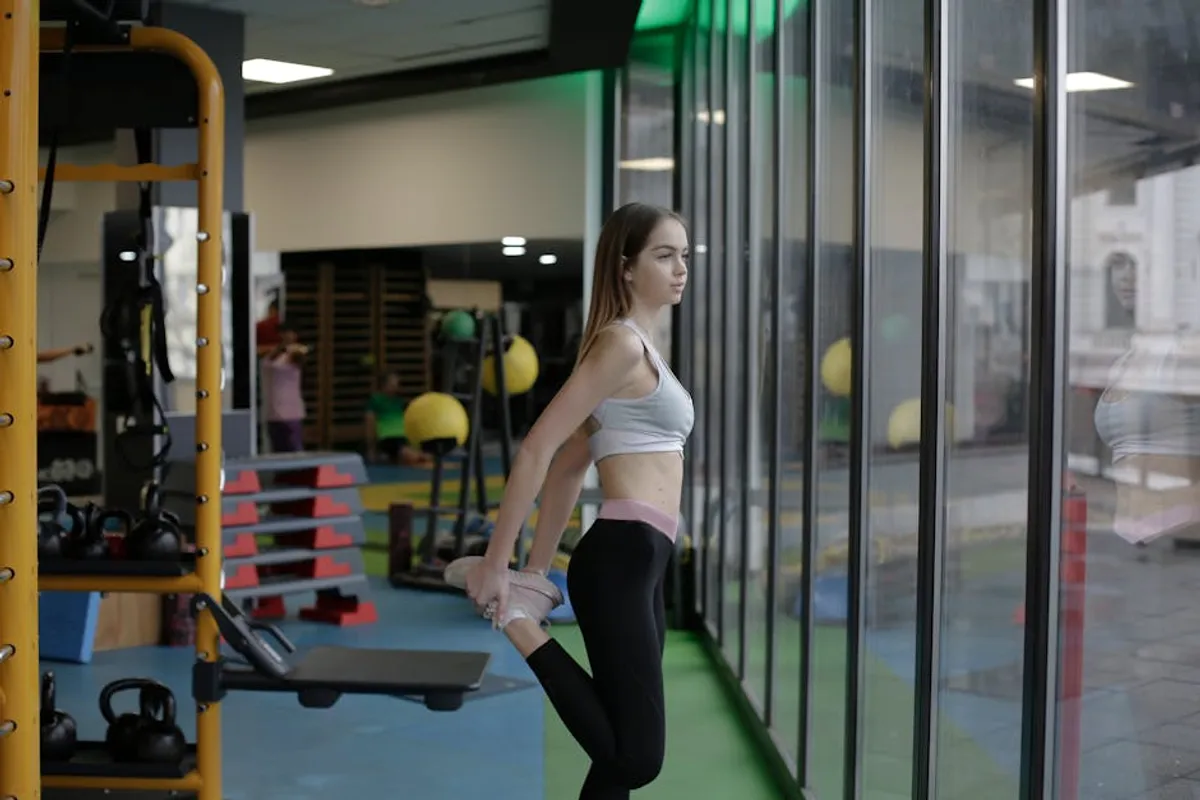
Developing an effective stretching regimen for young gymnasts requires a nuanced understanding of their developing physiology, specific skill demands, and injury prevention protocols. Generic flexibility exercises often fall short, failing to address the precise range of motion, strength, and neurological control necessary for advanced gymnastic movements. The goal is not merely to increase passive flexibility, but to cultivate active, usable range of motion that integrates seamlessly into complex sequences, while simultaneously safeguarding against common overuse injuries.
This review examines various stretching methodologies and their application within a young gymnast's training cycle. Each approach offers distinct benefits and drawbacks, making selection dependent on the gymnast's age, skill level, current flexibility, training phase, and specific event focus. The commercial value lies in optimizing training time, enhancing performance outcomes, and minimizing recovery periods, directly impacting a gymnast's competitive longevity and success.
Key Considerations for Young Gymnasts' Stretching
When selecting or designing stretching routines for young gymnasts, several critical factors must guide the decision-making process. Firstly, age appropriateness is paramount; pre-pubescent gymnasts respond differently to stretching than adolescents, with growth plates and developing musculature requiring careful consideration. Secondly, the distinction between passive and active flexibility is crucial. Passive flexibility, the range of motion achieved with external assistance, is a foundation, but active flexibility—the ability to move a limb through its full range of motion using only one's own muscle strength—is what directly translates to gymnastic performance. Thirdly, injury prevention must be integrated. Stretching should not compromise joint stability or exacerbate existing imbalances. Finally, the timing and duration of stretching within a training session or competitive cycle significantly impact its effectiveness and safety. Routines must align with warm-up, skill acquisition, and cool-down phases to yield optimal results without detriment.
1. Dynamic Warm-up Routine
This routine emphasizes controlled, fluid movements that gradually increase heart rate, blood flow to muscles, and joint mobility. It involves active movements through a full range of motion, mimicking elements of the upcoming practice without holding static positions. Examples include leg swings, arm circles, torso twists, and walking lunges. The primary function is to prepare the body for intense activity by raising core temperature and activating relevant muscle groups, enhancing neuromuscular coordination, and reducing muscle stiffness.
Best for: Pre-practice preparation for all young gymnasts, regardless of age or skill level. It is foundational for every training session and competition warm-up.
Pros: Directly improves active range of motion; enhances coordination and balance; reduces risk of acute muscle strains; increases blood flow and muscle elasticity; psychologically prepares the athlete for activity.
Cons: Does not significantly increase long-term passive flexibility; if performed incorrectly or too aggressively, can lead to muscle fatigue or minor strains before main activity.
Verdict: Indispensable as the initial phase of any training session. Its focus on movement preparation makes it a non-negotiable component for performance enhancement and immediate injury prevention.
2. Post-Workout Static Flexibility Sequence
This involves holding specific stretches for an extended period (typically 20-30 seconds per stretch) at the end of a training session when muscles are warm and pliable. The aim is to increase the resting length of muscles and connective tissues, thereby improving passive range of motion over time. Stretches target major muscle groups used in gymnastics, such as hamstrings, hip flexors, shoulders, and back. It is performed without bouncing and focuses on a gentle, sustained pull.
Best for: Long-term flexibility development and recovery, particularly for gymnasts needing to improve their passive splits, back flexibility, and shoulder range of motion. Suitable for all ages post-training.
Pros: Highly effective for increasing passive range of motion; aids in muscle recovery by promoting blood flow and reducing post-exercise stiffness; promotes body awareness and relaxation.
Cons: Should not be performed before intense activity as it can temporarily reduce power output and increase injury risk; can be time-consuming; requires consistent application for noticeable results.
Verdict: A critical component for sustained flexibility gains, best integrated into the cool-down phase. Its efficacy for passive range of motion is well-established, making it essential for gymnasts aiming for extreme flexibility.
3. Proprioceptive Neuromuscular Facilitation (PNF) Stretching
PNF stretching techniques involve a combination of passive stretching and isometric contractions. A common method is "contract-relax," where the muscle is passively stretched, then actively contracted against resistance (or held statically) for a few seconds, followed by a deeper passive stretch. This technique leverages neurological principles to "trick" the nervous system into allowing a greater range of motion. It typically requires a partner.
Best for: Experienced young gymnasts (typically 10+ years old) who have a solid foundation of flexibility and are working to achieve advanced positions, such as oversplits or deep backbends. Requires coach supervision.
Pros: Extremely effective for rapidly increasing both passive and active range of motion; can yield significant flexibility gains in a shorter timeframe compared to static stretching alone; improves muscle activation and control at end range.
Cons: Requires a knowledgeable partner or coach; carries a higher risk of injury if performed incorrectly or too aggressively; can be fatiguing for the targeted muscles; not suitable for very young or beginner gymnasts.
Verdict: A powerful tool for advanced flexibility development, but its intensity and technical demands necessitate careful implementation and expert guidance to maximize benefits and mitigate risks.
4. Active Isolated Stretching (AIS)
AIS involves actively contracting the antagonist muscle to facilitate the lengthening of the target muscle. Each stretch is held for only 1-2 seconds, followed by a release, and repeated multiple times. This technique promotes blood flow, maintains muscle temperature, and avoids activating the stretch reflex, allowing for deeper stretches with each repetition. It's a dynamic approach to increasing flexibility.
Best for: Gymnasts of all ages seeking to improve active flexibility and functional range of motion for specific skills. Can be used as part of a warm-up or a dedicated flexibility session.
Pros: Improves active range of motion and muscular control; less likely to cause muscle soreness compared to static stretching; can be performed independently; promotes circulation and nutrient delivery to muscles.
Cons: Requires precise technique and understanding of muscle anatomy; holding stretches for too short a duration may not yield maximal passive flexibility gains; can feel less "deep" than static or PNF for some.
Verdict: An excellent method for developing usable flexibility and preparing the body for movement. Its rhythmic nature makes it a valuable addition for gymnasts who need to combine flexibility with controlled movement.
5. Myofascial Release (Foam Rolling)
This technique involves using tools like foam rollers, massage balls, or stick rollers to apply pressure to specific points on the body, targeting fascia and muscle tissue. The goal is to release muscle tightness, reduce trigger points, improve blood flow, and enhance tissue elasticity. It acts as a self-massage, breaking down adhesions and improving overall tissue quality.
Best for: Recovery, reducing muscle soreness, improving tissue quality, and addressing specific areas of tightness or trigger points in gymnasts of all ages. Can be used pre- or post-workout.
Pros: Helps alleviate muscle soreness and stiffness; improves range of motion by releasing fascial restrictions; can be performed independently; promotes recovery and reduces the likelihood of developing chronic tightness.
Cons: Can be uncomfortable or painful initially; requires proper technique to avoid bruising or ineffective application; does not directly increase muscle length but rather improves tissue pliability.
Verdict: A highly beneficial supplementary tool for tissue health and recovery, essential for managing the physical demands of gymnastics. It enhances the effectiveness of other stretching methods by preparing the tissues.
6. Partner-Assisted Stretching
This category encompasses various stretching techniques performed with the aid of a coach or fellow gymnast. It can involve passive static stretches, PNF techniques, or even gentle resistance-based movements. The partner provides external force to deepen a stretch, offering tactile feedback and ensuring proper alignment. The key is controlled, communicative application of force.
Best for: Gymnasts requiring deeper stretches than they can achieve alone, especially for areas like hip flexors, shoulders, and back. Suitable for intermediate to advanced gymnasts under expert supervision.
Pros: Allows for greater depth of stretch and improved range of motion; provides external feedback for proper form; can be highly effective for breaking through flexibility plateaus; builds trust and communication.
Cons: High risk of injury if the partner is not properly trained or communicates poorly; can be uncomfortable if force is applied too quickly or intensely; requires consistent supervision to ensure safety and effectiveness.
Verdict: Offers significant potential for advanced flexibility gains but hinges entirely on the partner's expertise and the gymnast's comfort. It's a high-reward, high-risk approach that demands careful management.
7. Controlled Ballistic Stretching
Ballistic stretching involves using bouncing or jerking movements to push a limb beyond its static range of motion. While often cautioned against, a controlled form, characterized by rhythmic, progressive movements within a safe range, can be beneficial for specific gymnastic skills that require dynamic flexibility and power, such as explosive kicks or leaps. This is not about uncontrolled bouncing but about controlled, increasing momentum.
Best for: Advanced gymnasts (typically 12+ years old) who need to improve dynamic flexibility for specific, high-velocity skills. Only to be performed by experienced athletes under strict coaching supervision as part of a very specific warm-up.
Pros: Directly improves dynamic flexibility and elasticity; enhances power output in movements requiring a rapid stretch-shortening cycle; can improve coordination for dynamic skills.
Cons: High risk of muscle strain or injury if performed without proper warm-up, control, or excessive force; not suitable for general flexibility improvement or beginners; can activate the stretch reflex, causing muscle contraction rather than relaxation.
Verdict: A specialized and potentially hazardous technique that should be reserved for elite gymnasts and specific skill preparation. Its application is narrow, and its risks are substantial without expert guidance.
8. Resistance Band Stretching
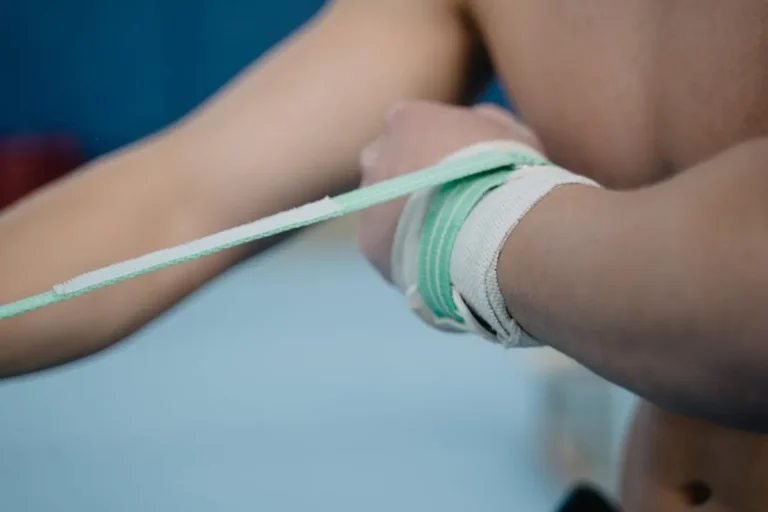
Utilizing resistance bands adds an active component to traditional stretching. The gymnast can use the band to assist in deepening a stretch (e.g., pulling a leg higher) or to provide resistance against which a muscle is contracted, similar to PNF but often self-administered. This enhances active flexibility, strength at end range, and proprioception.
Best for: Gymnasts of all ages and levels looking to enhance active flexibility, strengthen muscles at their end range, and improve body awareness. Excellent for targeted flexibility work and pre-hab.
Pros: Improves active flexibility and strength; provides adjustable resistance for progressive overload; versatile for targeting various muscle groups and movement patterns; portable and can be performed independently.
Cons: Requires understanding of proper band placement and tension; bands can snap if old or used incorrectly; may not provide the same deep, passive stretch as partner-assisted PNF.
Verdict: A highly adaptable and effective tool for building functional flexibility and strength. Its versatility makes it a valuable addition to both warm-up and dedicated flexibility sessions.
9. Yoga/Pilates-Inspired Flows
These routines integrate stretching with strength, balance, and core stability exercises, often performed in a continuous sequence. Yoga poses (e.g., downward dog, warrior poses) and Pilates exercises (e.g., spine stretch forward, saw) emphasize controlled movement, breath synchronization, and body awareness, which are all highly transferable to gymnastics.
Best for: Enhancing overall body awareness, core strength, balance, and integrated flexibility for gymnasts of all ages. Can serve as a dedicated cross-training session or a supplementary warm-up/cool-down.
Pros: Improves holistic flexibility, strength, and balance simultaneously; enhances proprioception and body control; promotes mental focus and breath control; reduces muscular imbalances.
Cons: May not target extreme flexibility in specific gymnastic-specific ranges as intensely as dedicated static or PNF stretching; requires consistent practice to master complex sequences.
Verdict: An excellent cross-training modality that provides comprehensive benefits beyond simple flexibility. It fosters a well-rounded athlete with improved control, stability, and integrated movement patterns.
10. Pre-Competition Activation Routine
This routine is a highly specific, short-duration sequence designed to activate key muscles and ranges of motion immediately prior to a competitive performance. It's a refined version of a dynamic warm-up, focusing on movements directly related to the upcoming skills. The goal is to prime the nervous system and ensure muscles are firing optimally, without inducing fatigue or overstretching.
Best for: All competitive gymnasts immediately before performing routines. This is a final readiness check and activation sequence.
Pros: Optimizes neuromuscular readiness for specific skills; enhances power and responsiveness; reduces pre-competition anxiety by focusing the athlete; minimizes risk of acute injury during performance.
Cons: Not for flexibility development; must be concise and avoid fatigue; requires precise knowledge of the gymnast's specific needs for their events.
Verdict: Crucial for maximizing performance on competition day. Its targeted nature ensures gymnasts are physically and mentally prepared for peak execution without compromising energy levels.
11. Cool-down & Recovery Stretching
This routine is performed immediately after a training session or competition and focuses on gentle, sustained static stretches. The primary aims are to gradually lower heart rate, return muscles to their resting length, reduce post-exercise muscle soreness (DOMS), and promote overall relaxation and recovery. It is distinct from flexibility development in its primary goal of facilitating recovery.
Best for: All gymnasts post-training or competition to aid in recovery and reduce muscle stiffness. It is a universal and essential practice for physical well-being.
Pros: Promotes muscle recovery and reduces delayed onset muscle soreness; helps restore normal muscle length; facilitates mental and physical relaxation; contributes to long-term flexibility maintenance.
Cons: If performed too aggressively, can hinder recovery; not designed for significant flexibility gains in a single session; requires consistent application to be effective.
Verdict: A fundamental aspect of a gymnast's training cycle, crucial for sustainable performance and injury prevention. It supports the body's natural healing processes and prepares it for the next training load.
12. Targeted Proprioception & Balance Drills
While not strictly a "stretching" routine, these drills often involve movements that challenge a gymnast's balance and body awareness through various ranges of motion. Examples include single-leg balances in different positions, controlled movements on unstable surfaces, or slow, deliberate transitions between gymnastic shapes. This enhances the nervous system's ability to control a body part in space, especially at end ranges of flexibility.
Best for: All gymnasts, particularly those working on complex balance beams routines, turns, or landings. It integrates flexibility with control and stability.
Pros: Significantly improves balance, coordination, and body awareness; strengthens stabilizing muscles around joints; enhances control at the limits of flexibility; reduces risk of falls and sprains.
Cons: Requires focus and patience; immediate flexibility gains are not the primary outcome; can be challenging and frustrating initially.
Verdict: An indispensable complement to any stretching regimen, ensuring that increased flexibility is paired with the strength and control needed to execute skills safely and effectively. It transforms passive range into usable, dynamic movement.
Implementing and Adapting Your Stretching Program
The optimal stretching program for a young gymnast is rarely static. It evolves with their growth, skill progression, and competitive calendar. Coaches and parents should regularly assess the gymnast's current flexibility, identify areas of tightness or imbalance, and adjust routines accordingly. A structured approach involves periodization, where stretching intensity and focus shift during different training phases (e.g., off-season for maximal gains, in-season for maintenance and activation). Incorporate feedback from the gymnast regarding comfort levels and perceived effectiveness. Consistency is more critical than intensity; daily, moderate stretching yields superior long-term results compared to infrequent, aggressive sessions. Prioritize safety above all, ensuring that no stretch causes sharp pain, and always err on the side of caution with developing bodies.
Frequently Asked Questions
Q: How often should young gymnasts stretch?
A: Daily stretching is ideal for maintaining and improving flexibility. Dynamic warm-ups should precede every practice, and static or recovery stretching should follow. Dedicated flexibility sessions can be incorporated 2-3 times per week.
Q: Is it safe for young gymnasts to do oversplits?
A: Oversplits should only be attempted by advanced gymnasts with a strong foundation of flexibility, under strict supervision from an experienced coach, and with a gradual, controlled progression. Improper technique can lead to serious injury.
Q: Should young gymnasts stretch when they are sore?
A: Gentle, active stretching and myofascial release (foam rolling) can help alleviate soreness by increasing blood flow. However, aggressive static or PNF stretching on very sore muscles should be avoided, as it can exacerbate muscle damage.
Q: What is the difference between flexibility and mobility?
A: Flexibility refers to the passive range of motion in a joint or muscle. Mobility refers to the active, controlled movement through that range of motion, integrating flexibility with strength and coordination. Gymnasts need both.
Q: At what age should gymnasts start serious flexibility training?
A: Young children naturally possess high flexibility. Structured flexibility training, beyond general movement and play, can begin around 6-8 years old, focusing on gentle, age-appropriate stretches. More intensive techniques like PNF are typically reserved for older, more experienced gymnasts (10+).