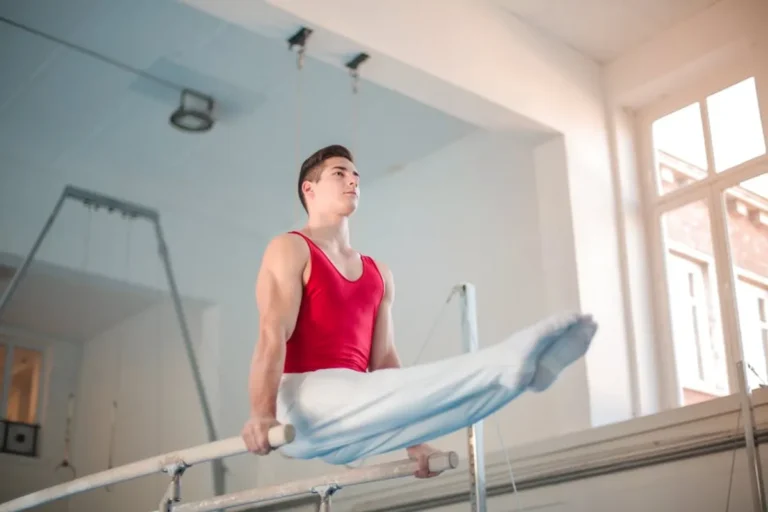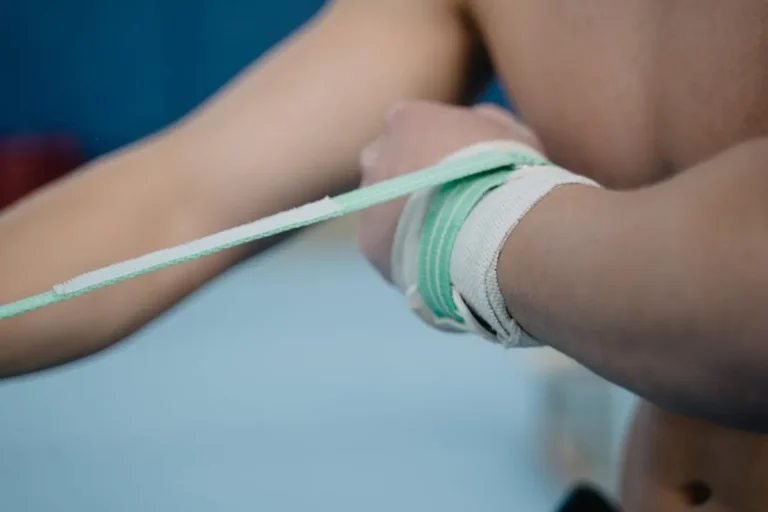

Gymnastics demands peak physical and mental output, pushing athletes to the limits of strength, flexibility, and endurance. While training hours and skill acquisition often dominate discussions, the efficacy of a gymnast's recovery protocols directly dictates their ability to sustain performance, prevent injury, and achieve long-term career goals. Inadequate recovery compromises muscle repair, depletes energy reserves, impairs cognitive function, and heightens susceptibility to overuse injuries and burnout. Effective recovery, conversely, optimizes physiological adaptation, accelerates tissue repair, maintains hormonal balance, and ensures consistent high-level execution. This is not merely about resting; it is a strategic, multi-faceted approach to physiological restoration that is as critical to success as the training itself. Understanding and implementing targeted recovery strategies is therefore a non-negotiable component of any serious gymnast's regimen, directly influencing their competitive longevity and potential.
Foundational Principles of Gymnastic Recovery
Effective recovery for gymnasts hinges on several core principles that address the unique stressors of the sport. First, recovery must be proactive, integrated into the training schedule rather than an afterthought. Second, it must be individualized, recognizing that each gymnast responds differently based on age, training volume, intensity, and personal physiology. Third, recovery protocols should be multi-modal, combining various techniques to address different physiological systems. Fourth, consistency is paramount; sporadic recovery efforts yield minimal benefits. Finally, recovery should be data-informed, using feedback from the gymnast and measurable metrics to adjust and optimize strategies. Prioritizing these principles ensures that recovery is not just a passive break but an active, integral component of performance enhancement and injury prevention.
1. Strategic Sleep Optimization
Sleep is the cornerstone of all recovery, particularly for gymnasts facing high physical and neurological loads. During deep sleep stages, the body releases growth hormone, critical for muscle repair and tissue regeneration. Adequate sleep also regulates cortisol levels, reduces inflammation, and consolidates motor learning and memory, directly impacting skill retention and next-day performance. Chronic sleep deprivation impairs immune function, increases perceived exertion, and reduces reaction time, making it a significant performance inhibitor and injury risk factor.
Best for: All gymnasts, especially those with high training volumes, competitive schedules, or during periods of rapid skill acquisition.
Pros: Directly enhances muscle repair, hormonal balance, immune function, cognitive processing, and emotional regulation. It is a fundamental, cost-effective recovery method with broad benefits.
Cons: Can be challenging to prioritize consistently due to academic demands, social schedules, or early morning training. Environmental factors (light, noise, temperature) can disrupt sleep quality.
Verdict: Non-negotiable. Gymnasts should aim for 8-10 hours of quality sleep nightly, with consistent bedtimes and wake times. Implementing pre-sleep routines and optimizing the sleep environment are critical for maximizing its restorative power.
2. Targeted Nutritional Replenishment
Post-training nutrition is critical for restoring glycogen stores, repairing muscle tissue, and reducing exercise-induced inflammation. Gymnasts require a precise balance of macronutrients and micronutrients to fuel demanding workouts and facilitate recovery. Consuming carbohydrates rapidly after training replenishes muscle glycogen, while protein intake provides amino acids essential for muscle protein synthesis. Micronutrients, particularly antioxidants and electrolytes, play vital roles in combating oxidative stress and maintaining hydration.
Best for: All gymnasts, with specific attention to post-training windows and competitive phases.
Pros: Accelerates glycogen re-synthesis, promotes muscle repair, reduces muscle soreness, and supports overall physiological function. Directly impacts energy levels and readiness for subsequent training sessions.
Cons: Requires careful planning and access to appropriate food options, which can be challenging during travel or busy schedules. Poor dietary choices can negate training efforts and impede recovery.
Verdict: Essential. A post-workout meal or snack containing a 3:1 or 4:1 carbohydrate-to-protein ratio within 30-60 minutes post-training is ideal. Consistent, nutrient-dense eating throughout the day supports sustained recovery.
3. Active Recovery Protocols
Active recovery involves low-intensity exercise performed after strenuous activity or on rest days. Unlike passive rest, active recovery helps flush metabolic waste products (like lactate) from muscles, maintains blood flow, and can reduce muscle stiffness and soreness. Examples include light cycling, swimming, walking, or gentle dynamic stretching. The intensity must remain low enough to not induce further physiological stress but sufficient to promote circulation.
Best for: Reducing delayed onset muscle soreness (DOMS), improving circulation, and maintaining mobility without adding significant training load.
Pros: Can alleviate muscle soreness, improve flexibility, and enhance blood flow, aiding nutrient delivery and waste removal. Provides a mental break while still engaging the body beneficially.
Cons: If intensity is too high, it can become another training session, hindering recovery. Requires careful monitoring to ensure it remains genuinely low-impact.
Verdict: Highly beneficial. Incorporate 20-30 minutes of light active recovery on rest days or immediately following intense sessions. Focus on gentle movement that promotes blood flow without stressing fatigued muscles.
4. Cold Water Immersion (CWI)
Cold water immersion, such as ice baths, involves submerging the body in cold water (typically 50-59°F or 10-15°C) for short durations (5-15 minutes) after intense exercise. The primary mechanism is thought to be vasoconstriction, which reduces blood flow to the muscles, followed by vasodilation upon exiting, which helps flush metabolic byproducts and reduce inflammation and swelling. It can also numb nerve endings, providing temporary pain relief.
Best for: Reducing acute muscle soreness and inflammation after high-impact or very intense training sessions and competitions.
Pros: Effectively reduces muscle soreness and perceived fatigue. Can accelerate recovery from intense, muscle-damaging exercise. Provides a psychological boost for some athletes.
Cons: Uncomfortable for many. Potential for overcooling if duration is too long. Some research suggests it might blunt long-term training adaptations if used too frequently, particularly for strength gains, by reducing the inflammatory response necessary for muscle growth.
Verdict: Use strategically. Most effective after competitions or particularly grueling sessions where rapid recovery from inflammation and soreness is prioritized. Avoid daily use if strength and hypertrophy are primary goals, as it may interfere with adaptive processes.
5. Compression Garment Use
Compression garments apply graduated pressure to limbs, which is believed to enhance blood flow, reduce muscle oscillation during activity, and aid in the removal of metabolic waste products during recovery. They can also reduce muscle swelling and soreness by limiting fluid accumulation in tissues. While the physiological benefits are debated, many athletes report subjective improvements in comfort and reduced fatigue.
Best for: Reducing post-exercise muscle soreness and swelling, potentially improving circulation during and after training.
Pros: May reduce muscle oscillation, decrease muscle soreness, and improve venous return. Convenient and non-invasive. Can be worn during travel or extended periods of rest.
Cons: Physiological benefits are not as robustly supported as other methods, with some studies showing minimal impact on objective recovery markers. Comfort can vary significantly between individuals and garment types.
Verdict: Supplementary. While not a primary recovery tool, compression garments can be a useful adjunct for comfort and perceived recovery, especially during travel or for managing mild soreness. Ensure proper fit for optimal effect.
6. Myofascial Release Techniques
Myofascial release, often performed with tools like foam rollers, massage balls, or stick rollers, targets trigger points and tight fascia (connective tissue) within muscles. By applying sustained pressure, these techniques aim to release tension, improve tissue elasticity, increase range of motion, and reduce muscle soreness. This method can be self-administered, empowering gymnasts to address specific areas of tightness.
Best for: Improving flexibility, reducing localized muscle tightness and soreness, and increasing range of motion, particularly in areas prone to restriction in gymnasts (hips, shoulders, back).
Pros: Cost-effective, self-directed, and accessible. Can improve tissue extensibility and reduce trigger point sensitivity. Enhances body awareness.
Cons: Can be uncomfortable or painful initially. Incorrect technique can lead to bruising or ineffective treatment. Does not address systemic recovery needs.
Verdict: Highly recommended. Incorporate 10-15 minutes of foam rolling or targeted myofascial release before and after training to address specific tight areas. Focus on slow, sustained pressure rather than rapid rolling.
7. Regular Massage Therapy
Professional massage therapy, including sports massage, deep tissue massage, or effleurage, offers a more comprehensive approach to soft tissue recovery than self-myofascial release. It can improve blood circulation, reduce muscle tension, break up adhesions, and promote relaxation. Massage can also have significant psychological benefits, reducing stress and improving mood, which indirectly aids physical recovery.
Best for: Addressing chronic muscle tightness, reducing systemic soreness, improving overall tissue quality, and promoting mental relaxation.
Pros: Enhances blood flow, reduces muscle stiffness and soreness, improves flexibility, and can alleviate psychological stress. Provides a deeper level of tissue work than self-application.
Cons: Can be expensive and requires scheduling with a qualified therapist. Not always accessible. Some deep tissue work can be intense and temporarily uncomfortable.
Verdict: Valuable adjunct. Schedule regular sports massages (e.g., bi-weekly or monthly) to address cumulative muscle stress and maintain tissue health. More frequent sessions can be beneficial during peak training or competition phases.
8. Contrast Water Therapy
Contrast water therapy involves alternating between hot and cold water immersion, typically in cycles of 1-3 minutes cold and 3-5 minutes hot, repeated several times. The rapid changes in temperature are believed to create a "pumping" action in the blood vessels, promoting vasodilation and vasoconstriction. This effect is hypothesized to enhance blood flow, reduce swelling, and flush metabolic waste products more effectively than either hot or cold therapy alone.
Best for: Reducing muscle soreness and swelling, particularly after intense workouts, and improving perceived recovery without the extreme discomfort of prolonged cold immersion.
Pros: May reduce muscle soreness and fatigue, improve circulation, and decrease swelling. Often better tolerated than continuous cold water immersion. Provides a refreshing sensation.
Cons: Requires access to both hot and cold water facilities. Physiological mechanisms are still being fully explored, and efficacy varies among individuals. Can be time-consuming.
Verdict: Worth exploring. A practical approach for gymnasts seeking to reduce soreness and improve circulation without committing to prolonged ice baths. Perform 3-5 cycles, ending on cold, for 15-20 minutes total.
9. Progressive Dynamic Stretching
While static stretching is often performed post-workout, dynamic stretching, particularly as part of a cool-down or active recovery, can be highly effective for gymnasts. Progressive dynamic stretching focuses on moving joints through their full range of motion in a controlled manner, gradually increasing the amplitude. This maintains flexibility, improves blood flow, and reduces stiffness without the potential for micro-trauma associated with aggressive static stretching on cold muscles.
Best for: Maintaining and improving flexibility, reducing post-exercise stiffness, and enhancing joint mobility as part of a cool-down or active recovery session.
Pros: Improves range of motion, increases circulation, and helps muscles relax. Less likely to cause injury than static stretching on cold muscles. Can be incorporated into a warm-up or cool-down.
Cons: If performed too vigorously, it can become a training load rather than recovery. Requires proper technique to avoid injury.
Verdict: Integrate regularly. Incorporate 10-15 minutes of gentle, controlled dynamic stretches into the cool-down phase of training. Focus on movements that mimic gymnastics skills but at a reduced intensity and range.
10. Stress Management and Mental Recovery
The mental demands of gymnastics—performance pressure, fear of injury, and the pursuit of perfection—can be as taxing as the physical. Chronic psychological stress elevates cortisol, impairs sleep, and can hinder physical recovery. Implementing stress management techniques, such as mindfulness, meditation, deep breathing exercises, or engaging in relaxing hobbies, is crucial for mental and, consequently, physical restoration.
Best for: All gymnasts, particularly those experiencing high levels of performance anxiety, burnout, or difficulty with sleep due to mental overstimulation.
Pros: Reduces cortisol levels, improves sleep quality, enhances focus, and promotes overall well-being. Directly supports physical recovery by optimizing the body's physiological response to stress.
Cons: Requires consistent practice and may feel abstract or difficult to implement initially. Benefits are not always immediately tangible.
Verdict: Essential. Dedicate specific time daily for mental decompression. This could be 10-15 minutes of meditation, journaling, or simply quiet time away from screens. Mental recovery is inseparable from physical recovery.
11. Hydrotherapy and Epsom Salt Baths
Warm hydrotherapy, such as a warm bath or hot tub, promotes muscle relaxation and increased blood flow, which can aid in waste removal and nutrient delivery. Adding Epsom salts (magnesium sulfate) to a warm bath is believed by some to further enhance muscle relaxation and reduce soreness, though scientific evidence for transdermal magnesium absorption is limited. The warmth itself, combined with buoyancy, provides a soothing effect, reducing perceived muscle tension.
Best for: General muscle relaxation, reducing stiffness, and promoting a sense of well-being after training. Especially beneficial for gymnasts with localized muscle soreness.
Pros: Promotes muscle relaxation and reduces stiffness. Can be very soothing and help with mental unwinding. Readily accessible at home.
Cons: Excessive heat can sometimes exacerbate inflammation in acute injuries. The direct physiological benefits of Epsom salts are not fully established.
Verdict: Useful for relaxation. A warm bath (with or without Epsom salts) is an excellent way to unwind and reduce muscle tension. Use post-training or before bed for improved relaxation and sleep preparation.
12. Strategic Deload Weeks and Off-Season Planning
Recovery is not just a daily process; it also involves macro-level planning. Strategic deload weeks, where training volume and intensity are significantly reduced, allow the body to fully recover from cumulative stress and adapt to previous training cycles. A well-structured off-season provides an extended period for physical and mental regeneration, addressing chronic issues, and preventing burnout. This period is crucial for long-term athlete development and injury prevention.
Best for: Preventing chronic fatigue, overtraining, and burnout. Essential for long-term athlete development and career longevity.
Pros: Allows for complete physical and mental regeneration. Facilitates adaptation and supercompensation. Reduces injury risk and prevents overtraining syndrome. Provides a necessary psychological break.
Cons: Requires disciplined planning and adherence to reduced training, which can be challenging for highly motivated athletes. May feel counter-intuitive to some gymnasts who fear losing conditioning.
Verdict: Critical for sustainability. Integrate deload weeks every 4-6 weeks of intense training. Plan a structured off-season to allow for complete physical and mental restoration, ensuring the gymnast returns refreshed and ready for the next training block.
Implementing and Tracking Recovery Progress
Effective recovery is an ongoing process that requires active management and adjustment. Start by identifying the most impactful recovery strategies for your specific training demands and individual response. Consistency is key; integrate chosen methods into your daily and weekly routine. Track subjective metrics such as perceived muscle soreness, energy levels, and sleep quality using a simple journal or app. Objective data, like heart rate variability (HRV) if accessible, can provide deeper insights into your body's recovery status. Regularly review this information to identify patterns and adjust your recovery protocols. For instance, if sleep quality consistently dips after high-intensity days, prioritize an earlier bedtime or a more rigorous pre-sleep routine. If chronic soreness persists in a specific area, increase targeted myofascial release or consider professional massage. The goal is to create a personalized, dynamic recovery plan that evolves with your training and competitive schedule, ensuring optimal physiological and psychological readiness.
Frequently Asked Questions About Gymnastics Recovery
Q: How soon after training should I start my recovery protocols?
A: Ideally, recovery should begin immediately post-training. The first 30-60 minutes are crucial for nutritional replenishment (carbohydrates and protein) to kickstart muscle repair and glycogen re-synthesis. Active recovery or gentle stretching can also follow shortly after.
Q: Can too much recovery be detrimental?
A: While active rest is beneficial, excessive passive rest without any movement can lead to stiffness. The key is balance. Strategic recovery enhances adaptation; prolonged inactivity can detrain. The focus should be on active, purposeful recovery, not simply doing nothing.
Q: Are recovery supplements necessary for gymnasts?
A: For most gymnasts, a well-balanced diet provides the necessary nutrients for recovery. Supplements like protein powder can be convenient for meeting protein targets, and creatine might aid strength. However, they are supplementary to, not a replacement for, whole foods and robust recovery practices. Always consult with a sports nutritionist or medical professional before taking supplements.
Q: How do I know if I'm recovering effectively?
A: Signs of effective recovery include consistent energy levels, reduced muscle soreness, good sleep quality, stable mood, and sustained or improved performance in training. Conversely, persistent fatigue, chronic soreness, poor sleep, irritability, and performance plateaus can indicate insufficient recovery.
Q: Is it okay to train through soreness?
A: Mild muscle soreness (DOMS) is common after intense exercise and can often be trained through with a proper warm-up. However, sharp pain, joint pain, or soreness that significantly impacts movement quality or technique should not be ignored. Differentiate between muscle fatigue and potential injury, and prioritize rest or modified training when necessary.