Beginning a gymnastics journey requires a structured approach, focusing on fundamental movements and body control before attempting complex skills. The initial phase of training is critical for building a robust foundation, ensuring safety, and establishing proper technique that prevents injury and facilitates long-term progression. This isn't about immediate flips or intricate routines; it’s about mastering the core elements that underpin every advanced maneuver. Selecting the right drills from the outset determines the efficiency of skill acquisition and the development of necessary strength, flexibility, and spatial awareness. The goal for beginners is to systematically develop a strong, mobile, and coordinated body, preparing it for the demands of gymnastics through targeted, repeatable exercises.
Key Considerations for Beginner Gymnastics Drills
When selecting and implementing gymnastics drills for beginners, several factors dictate effectiveness and safety. Prioritize drills that emphasize fundamental body shapes, such as the hollow and arch, as these are the building blocks for almost all gymnastics skills, from handstands to swings. Focus on isometric strength, which develops the ability to hold positions under tension, crucial for stability. Flexibility work should target major muscle groups like hamstrings, hips, and shoulders to improve range of motion and reduce injury risk. Coordination drills are essential for integrating different body parts into fluid movements. Always ensure drills are progressive, meaning they can be scaled up or down based on individual capability, and that proper form is maintained throughout. Avoid rushing into advanced movements; consistency in foundational drills yields greater long-term success and prevents plateaus.
1. Hollow Body Hold
The hollow body hold is a foundational isometric exercise, central to nearly every gymnastics discipline. It teaches the body to maintain a tight, slightly rounded shape, engaging the deep core muscles, glutes, and inner thighs. This position is critical for stability in handstands, swings on bars, and controlled landings. It trains the ability to connect the rib cage to the hips, creating a solid, unified torso, which prevents "breaking" at the waist during dynamic movements. Mastery of the hollow body ensures efficient force transfer and protection of the spine.
Best for: Developing foundational core stability, preparing for inversions, swings, and complex body control.
Pros: Builds significant isometric core strength; teaches full-body tension and body awareness; low-impact and accessible without equipment.
Cons: Can be difficult to maintain proper form initially, often leading to lower back arching; requires consistent self-correction or external feedback.
Verdict: An indispensable drill for establishing the core strength and integrated body tension essential for all subsequent gymnastics movements. Consistent practice directly impacts performance and injury prevention.
2. Arch Body Hold
As the counterpart to the hollow body, the arch body hold strengthens the posterior chain—the muscles along the back of the body. This drill involves lifting the chest and legs off the ground while keeping the glutes engaged, creating an arched shape. It is vital for developing spinal extension, shoulder flexibility, and back strength, all necessary for skills like bridges, handstand alignment, and back handsprings. The arch body teaches controlled back engagement, preventing excessive hyperextension and balancing the anterior core strength gained from the hollow body.
Best for: Strengthening the posterior chain, improving spinal mobility, and balancing core development with the hollow body position.
Pros: Reinforces proper back extension for handstands; strengthens glutes and hamstrings; improves body line and posture.
Cons: Prone to hyperextension if glutes are not engaged, potentially straining the lower back; requires careful attention to form to avoid discomfort.
Verdict: Crucial for comprehensive core development, the arch body hold provides the necessary strength and flexibility in the back to support more advanced inverted and extended positions.
3. Forward Roll Progression
The forward roll is a fundamental tumbling skill that teaches safe body control, spatial awareness, and rotational movement. For beginners, it’s broken down into steps, starting with a tucked position and emphasizing a rounded back to absorb impact, rolling over the upper back (not the neck or head). This progression builds confidence in moving through an inverted position and prepares gymnasts for more dynamic tumbling and safe falling techniques. It develops proprioception—the sense of one's body in space—which is vital for all gymnastics disciplines.
Best for: Learning safe body control, introducing rotational movement, building spatial awareness, and developing confidence in tumbling.
Pros: Teaches proper body tucking and neck protection; develops smooth transitions and body awareness; foundational for more complex rolls and falls.
Cons: Can be intimidating initially, especially regarding neck safety; risk of improper neck placement if rushed or performed without adequate instruction.
Verdict: A cornerstone tumbling skill that is essential for developing basic body control, rotational mechanics, and the confidence to perform inverted movements safely.
4. Candlestick Hold
The candlestick hold serves as an accessible entry point into inverted body positions, preparing beginners for handstands and other upside-down skills. It involves lying on the back and lifting the legs and hips straight up, aiming for a vertical line from the shoulders to the toes, supported by the hands on the lower back. This drill strengthens the lower core and hip flexors while introducing the sensation of being inverted without the balance demands of a full handstand. It emphasizes stacking joints and maintaining a tight body line, critical for all inversions.
Best for: Developing inverted body awareness, strengthening the lower core, and preparing for handstands and other inverted skills.
Pros: Offers a safer introduction to inversions than full handstands; improves hip flexor strength and lower abdominal control; builds confidence in inverted positions.
Cons: Requires some hamstring flexibility to maintain straight legs; can be challenging to balance without external support initially.
Verdict: An effective and safer method for beginners to experience inverted body positions, strengthening the core and improving control before progressing to unsupported handstands.
5. L-Sit Progression (Tuck L-Sit)
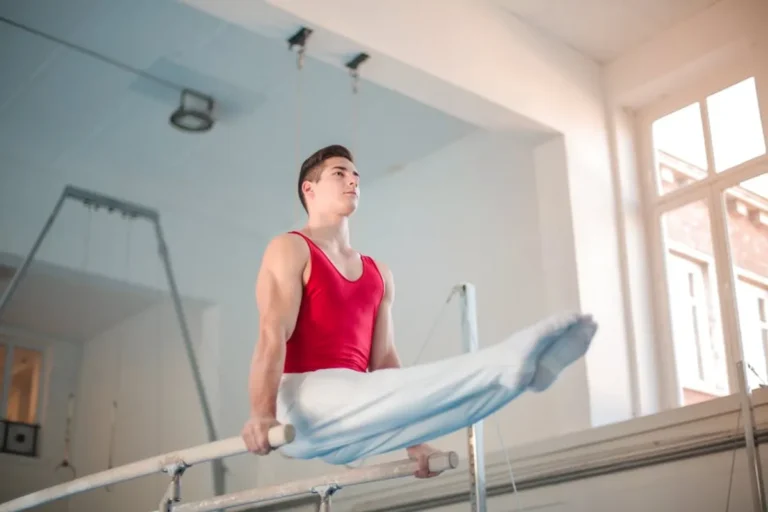
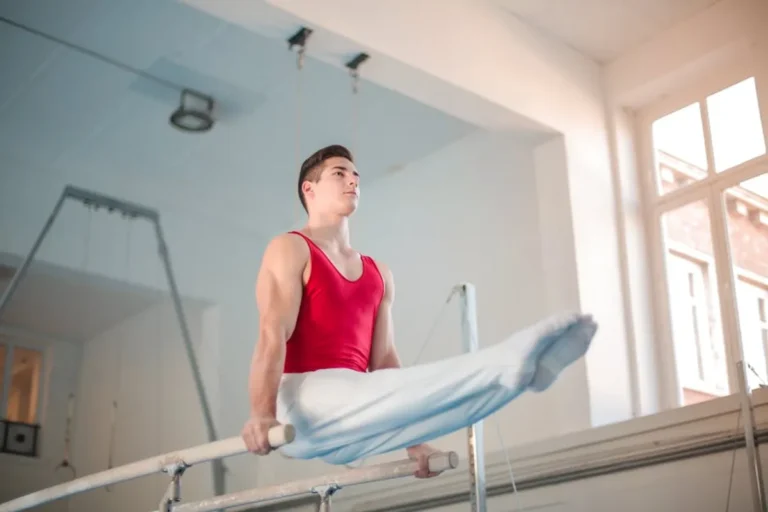
The L-sit progression, particularly starting with the tuck L-sit, is a benchmark for significant upper body pushing strength and advanced core compression. This drill involves holding the body off the ground with straight arms, lifting the legs parallel to the floor (or tucked for beginners). It heavily engages the triceps, shoulders, and deep abdominal muscles. Mastering the tuck L-sit demonstrates considerable relative strength and body control, indicating readiness for more advanced static holds and pressing movements. It's a key indicator of integrated upper body and core strength.
Best for: Building substantial upper body pushing strength, advanced core compression, and demonstrating integrated body control.
Pros: Develops powerful triceps, shoulder, and deep abdominal strength; highly transferable to other static holds and pressing skills; improves body awareness in a compressed position.
Cons: Requires considerable strength, making it frustrating for true beginners; wrist flexibility and strength are also critical.
Verdict: A challenging but highly rewarding drill that signifies a significant milestone in developing the integrated upper body and core strength necessary for advanced gymnastics.
6. Bridge Progression (Tabletop Bridge)
The bridge progression, starting with a tabletop bridge, is crucial for developing back flexibility, shoulder mobility, and leg strength. This drill involves lifting the hips off the ground, supported by hands and feet, to create an arch in the back. It targets spinal extension, shoulder opening, and strengthens the glutes and hamstrings. For beginners, the tabletop bridge (knees bent, feet flat) is a safer entry point, gradually working towards a full bridge with straighter arms and legs. It's essential for back handsprings, walkovers, and improving overall spinal health and posture.
Best for: Increasing spinal flexibility, opening shoulders, strengthening glutes and hamstrings, and preparing for back handsprings and walkovers.
Pros: Essential for developing the necessary back flexibility and shoulder mobility for many advanced skills; improves posture and body line.
Cons: Can be limited by pre-existing shoulder or spinal stiffness; requires careful progression to avoid lower back strain.
Verdict: A fundamental flexibility and strength drill that significantly impacts a gymnast's ability to perform back-bending movements safely and effectively.
7. Wall Handstand Hold
The wall handstand hold is the most effective and safest method for beginners to master the foundational elements of a handstand. By using a wall for support, gymnasts can focus on proper body alignment—stacking shoulders over wrists, hips over shoulders, and ankles over hips—without the immediate demand for balance. This drill builds shoulder endurance, wrist strength, and body awareness in an inverted position. It allows for sustained practice of the hollow body shape while inverted, which is critical for a straight handstand, and helps overcome the fear of falling.
Best for: Learning handstand mechanics in a controlled environment, building shoulder endurance, and developing proper inverted body alignment.
Pros: Provides essential support for alignment and stability; builds confidence and reduces the fear of falling; allows for focused practice on body tension and shape.
Cons: Can lead to over-reliance on the wall if not actively working towards freestanding; proper hand placement and shoulder engagement are critical for safety.
Verdict: The indispensable drill for beginners to safely and effectively build the strength, endurance, and body awareness required for a freestanding handstand.
8. Straddle Stretch (Pancake)
The straddle stretch, often referred to as the "pancake" stretch, is a cornerstone flexibility drill for the lower body. It targets the hamstrings, adductors (inner thighs), and hip flexors, improving overall hip mobility and the ability to fold forward with straight legs in a wide-leg position. This flexibility is essential for skills requiring wide leg splits, such as straddle presses to handstand, floor routines, and various beam skills. Consistent practice significantly increases range of motion, reduces injury risk, and enhances body lines in many gymnastic elements.
Best for: Improving overall lower body flexibility, targeting hamstrings and adductors, and essential for splits and wide-leg skills.
Pros: Increases hip and hamstring range of motion; reduces injury risk in dynamic movements; improves aesthetic body lines in various skills.
Cons: Can be uncomfortable and challenging for individuals with tight hips or hamstrings; requires patience and consistent effort for significant improvement.
Verdict: A fundamental flexibility drill that unlocks greater range of motion in the hips and legs, crucial for a wide array of gymnastic skills and injury prevention.
9. Leg Lifts (on floor or bar)
Leg lifts, whether performed on the floor or hanging from a bar, are highly effective for strengthening the lower abdominal muscles and hip flexors. This drill involves lifting the legs, either straight or bent, towards the torso, focusing on controlled movement rather than momentum. It specifically targets the often-neglected lower core, which is vital for maintaining a tight hollow body position during dynamic movements, controlling leg swings on bars, and executing various presses and lifts. Precision and slow, controlled repetitions are key to maximizing abdominal engagement.
Best for: Strengthening lower core muscles, improving hip flexor control, and building stability for leg movements in swings and lifts.
Pros: Targets and isolates the lower abs effectively; builds crucial control for dynamic leg movements; enhances overall core stability.
Cons: Can engage hip flexors more than abs if not performed with strict form; requires slow, controlled movement to be effective, avoiding momentum.
Verdict: An excellent drill for isolating and strengthening the lower core, providing the foundational strength needed for precise leg control and maintaining tight body shapes.
10. Bear Crawls and Crab Walks
Bear crawls and crab walks are dynamic, full-body coordination drills that develop functional strength, proprioception, and spatial awareness. Bear crawls involve moving on all fours with knees slightly off the ground, while crab walks involve moving on hands and feet with the chest facing upwards. These primitive movement patterns engage multiple muscle groups simultaneously, improving cross-body coordination, shoulder stability, and core strength. They are excellent for warming up the entire body, building foundational strength in a dynamic way, and enhancing overall athletic readiness.
Best for: Developing full-body coordination, functional strength, shoulder stability, and spatial awareness through integrated movement patterns.
Pros: Engages multiple muscle groups simultaneously; builds proprioception and cross-body coordination; serves as an effective dynamic warm-up.
Cons: Can be tiring due to full-body engagement; requires open space for movement; may be challenging for individuals with wrist or shoulder discomfort.
Verdict: Excellent for integrating full-body movement and coordination, these drills build foundational strength and body awareness in a highly functional and engaging manner.
11. Pike Stretch
The pike stretch is a fundamental flexibility drill that specifically targets the hamstrings and the lower back, improving the ability to fold forward with straight legs. This stretch is crucial for achieving proper pike shapes in various gymnastics elements, including handstand presses, straddle presses, and many floor and beam skills. Consistent practice of the pike stretch directly addresses hamstring tightness, which is a common limiting factor in many gymnastic movements, and contributes to better overall body lines and reduced risk of lower back strain.
Best for: Improving hamstring and lower back flexibility, essential for achieving proper pike shapes in numerous gymnastics skills.
Pros: Directly addresses hamstring tightness, a common limitation; improves body line in pike positions; contributes to overall spinal health and flexibility.
Cons: Can strain the lower back if not performed with a flat back and proper technique; requires consistent effort and patience for significant gains.
Verdict: A critical flexibility drill that profoundly impacts a gymnast's ability to achieve and maintain proper pike positions, fundamental for many advanced skills.
12. Tuck Jump Progression
The tuck jump progression is a plyometric drill designed to develop explosive leg power, coordination, and safe landing mechanics. Starting with small jumps and progressively increasing height and tuck, this drill teaches gymnasts to generate power from their legs and hips, pull their knees to their chest in the air, and absorb impact safely upon landing. It is foundational for all higher jumps, vaults, and tumbling passes, emphasizing controlled take-offs and landings. Mastery of the tuck jump builds elastic strength and body control in the air.
Best for: Developing explosive leg power, practicing safe landing mechanics, improving air awareness, and preparing for higher jumps and vaults.
Pros: Builds plyometric strength in the legs and glutes; teaches controlled and safe landings; foundational for more advanced jumping and tumbling skills.
Cons: Can be hard on joints if landing technique is poor or inconsistent; requires proper warm-up to prevent injury; form can degrade with fatigue.
Verdict: Essential for building explosive leg power and mastering safe, controlled landings, the tuck jump progression is critical for dynamic gymnastics elements and injury prevention.
Measuring Progress and Adapting Drills
Effective gymnastics training for beginners involves consistent monitoring of progress and intelligent adaptation of drills. Track measurable metrics such as hold times for isometric exercises (e.g., hollow body, arch body, L-sit), repetitions for dynamic movements (e.g., leg lifts, tuck jumps), and depth or range of motion for flexibility drills (e.g., straddle, pike, bridge). Beyond numbers, pay close attention to form: a longer hold with poor form is less beneficial than a shorter hold with perfect technique. As strength and flexibility improve, gradually increase the duration, repetitions, or difficulty of drills. For instance, progress from a tuck L-sit to a straddle L-sit, or from a tabletop bridge to a full bridge. Recognize that progress is not linear; some days will be better than others. The key is consistent effort, listening to your body, and adjusting the intensity or volume to avoid overtraining or injury. Consult with experienced coaches for personalized feedback and to ensure safe progression to more advanced skills when appropriate.
Frequently Asked Questions
How often should beginners train gymnastics drills?
For beginners, 2-3 times per week is generally sufficient to allow for muscle recovery and skill consolidation. Consistency is more important than intensity in the initial stages. Each session should include a warm-up, skill-specific drills, strength work, and flexibility. Understanding how often beginners should train gymnastics drills can help optimize recovery and skill consolidation.
Is flexibility more important than strength for beginners?
Both are equally critical and develop synergistically. Strength provides the stability and power, while flexibility allows for the necessary range of motion. Neglecting either will impede progress and increase injury risk. Prioritize drills that address both aspects.
What equipment do I need to start these drills?
Many foundational drills require minimal to no equipment—just open floor space. A yoga mat can provide comfort. For drills like leg lifts, a pull-up bar can be beneficial, but floor variations are also effective. Resistance bands can assist with flexibility or add challenge to strength exercises.
How do I avoid injury when starting gymnastics?
Focus on perfect form over speed or quantity. Always warm up thoroughly before training and cool down with stretches. Listen to your body and do not push through sharp pain. Gradual progression and consistent practice of foundational drills are key. Seek guidance from qualified instructors.
When can I move to more advanced skills?
Progression depends on consistent mastery of foundational drills. When you can comfortably hold hollow and arch body positions for extended periods, perform basic rolls with control, and demonstrate adequate strength and flexibility in the listed drills, you may be ready to explore more complex movements under supervision. A coach can assess readiness and guide safe advancement.