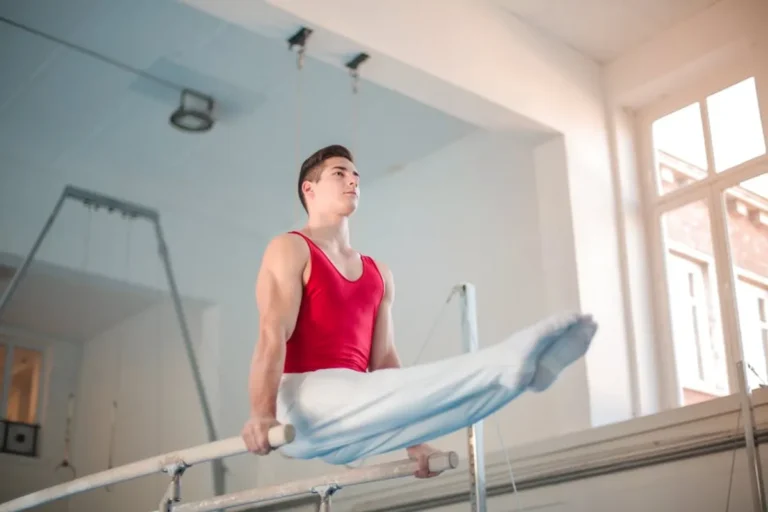

For gymnasts, optimizing physical conditioning extends beyond routine practice. Cross-training integrates complementary disciplines to address specific physiological demands, enhance overall athleticism, and mitigate injury risk. This approach acknowledges that while gymnastics is highly specialized, a broader base of physical attributes—ranging from cardiovascular endurance to nuanced proprioception—contributes significantly to performance and career longevity. Selecting the right cross-training methods involves understanding their direct benefit to gymnastic movements, the potential for overloading already stressed muscle groups, and how they integrate into an athlete's demanding schedule. The goal is not to replace gymnastics training but to strategically supplement it, building a more resilient, powerful, and agile athlete.
What to Look For in Cross-Training Methods
Effective cross-training for gymnasts is not about random physical activity; it requires a targeted approach. When evaluating potential methods, consider several key factors to ensure the activity genuinely supports gymnastic development without causing counterproductive fatigue or injury.
- Sport Specificity: While not identical to gymnastics, the chosen activity should develop qualities directly transferable to the sport, such as core stability, upper body strength, lower body power, or dynamic flexibility.
- Injury Prevention: Prioritize activities that strengthen supporting muscle groups, improve joint stability, and correct muscular imbalances common in gymnasts (e.g., shoulder stability, ankle strength, hip mobility).
- Impact Level: Given the high-impact nature of many gymnastic skills, incorporating low-impact cross-training can provide cardiovascular benefits and muscular conditioning without adding undue stress to joints.
- Recovery and Active Rest: Some cross-training can serve as active recovery, promoting blood flow and mobility without intense exertion, aiding in muscle repair and reducing soreness.
- Mental Engagement: A change of pace can prevent burnout. Activities that offer a different mental challenge or environment can be refreshing while still contributing to physical development.
- Flexibility and Mobility: Gymnasts require extreme ranges of motion. Cross-training that actively improves or maintains flexibility and mobility is highly beneficial.
- Cardiovascular Endurance: While routines are short, the ability to recover quickly between efforts and maintain stamina during long training sessions is crucial.
1. Pilates for Core Stability
Pilates focuses on strengthening the core muscles, improving body awareness, and enhancing flexibility. It emphasizes precise movements, controlled breathing, and proper alignment, which directly translates to the control and stability required for complex gymnastic skills. The methodology targets deep abdominal muscles, the pelvic floor, and the back, creating a strong "powerhouse" that supports the spine and facilitates efficient movement.
Best for: Enhancing core strength, improving body control, correcting postural imbalances, and refining proprioception.
Pros: Low impact, highly customizable for different skill levels and injury histories, significantly improves core stability and body awareness, promotes balanced muscle development, and increases flexibility without overstretching.
Cons: Can be slow-paced, which may not appeal to all athletes seeking high-intensity workouts; requires consistent practice to see significant results; quality of instruction is critical for proper form and benefit.
Verdict: An indispensable tool for gymnasts looking to build a robust and stable foundation, preventing injury and enabling cleaner execution of advanced skills. Its focus on control and precision makes it uniquely valuable.
2. Swimming for Cardiovascular Endurance
Swimming offers a full-body, low-impact cardiovascular workout that builds endurance and muscular strength without stressing joints. The resistance of the water engages muscles often underutilized in gymnastics, particularly in the back and shoulders, while simultaneously improving lung capacity. Its non-weight-bearing nature makes it an excellent option for active recovery or for gymnasts managing impact-related injuries.
Best for: Improving cardiovascular fitness, active recovery, developing upper body and core strength with minimal joint impact, and rehabilitating certain injuries.
Pros: Excellent for aerobic conditioning and muscular endurance, low risk of impact injury, promotes active recovery, strengthens the entire kinetic chain, and can improve breathing control.
Cons: Does not directly mimic weight-bearing or explosive movements found in gymnastics; can lead to shoulder overuse if technique is poor; requires access to a pool.
Verdict: A highly effective cross-training modality for building a strong aerobic base and promoting recovery, particularly beneficial for gymnasts needing a break from high-impact activities while maintaining fitness.
3. Yoga for Flexibility and Balance
Yoga practices, particularly styles like Hatha or Vinyasa, enhance flexibility, balance, and mental focus. The sustained holds in various poses improve passive and active flexibility, while the transitions between poses build body awareness and stability. Yoga also incorporates breathwork and mindfulness, which can aid in stress reduction and concentration—valuable attributes for competitive gymnasts.
Best for: Increasing dynamic and static flexibility, improving balance and proprioception, enhancing mental focus, and promoting active recovery.
Pros: Significantly improves range of motion and joint mobility, strengthens stabilizer muscles, reduces muscle stiffness, offers mental benefits through mindfulness, and can be adapted to various skill levels.
Cons: Some styles may lack the intensity desired for strength or power development; improper form can lead to injury; benefits are maximized with experienced instruction.
Verdict: An excellent complement for gymnasts seeking to deepen their flexibility, refine their balance, and cultivate mental resilience, directly supporting the aesthetic and technical demands of the sport.
4. Targeted Strength Training
Structured strength training, incorporating compound movements and gymnastics-specific accessory exercises, builds raw power and muscular endurance essential for executing difficult skills and preventing injury. This involves lifting weights or using resistance bands to target major muscle groups, focusing on proper form and progressive overload. Examples include squats, deadlifts (or RDLs), overhead presses, and pull-ups, tailored to a gymnast's developmental stage.
Best for: Developing explosive power, increasing absolute strength, building muscular endurance, and fortifying joints and connective tissues against injury.
Pros: Directly increases the force production capacity required for tumbling, vaulting, and apparatus work; improves bone density; enhances injury resilience; can be precisely programmed to address specific weaknesses.
Cons: Risk of injury if form is incorrect or programming is inappropriate; requires careful periodization to avoid overtraining; can add significant muscular fatigue if not managed well.
Verdict: A critical component for gymnasts at all levels, providing the foundational strength and power necessary to master complex skills and withstand the physical demands of high-level competition.
5. Plyometric Drills
Plyometrics involve exercises where muscles exert maximum force in short intervals, with the goal of increasing power and explosiveness. For gymnasts, this translates to higher jumps, more powerful tumbling passes, and greater control in dynamic movements. Drills like box jumps, depth jumps, bounds, and clap push-ups train the nervous system to react quickly and generate force rapidly, mimicking the demands of gymnastics.
Best for: Developing explosive power, improving reaction time, increasing agility, and enhancing the elastic properties of muscles and tendons.
Pros: Highly specific to the power demands of gymnastics; improves vertical jump height and tumbling power; enhances agility and quickness; can be integrated into warm-ups or dedicated power sessions.
Cons: High impact and high intensity, carrying a significant risk of injury if not performed with proper technique and progression; requires a solid strength base before implementation; can contribute to overtraining if not managed carefully.
Verdict: Essential for gymnasts seeking to maximize their power output and dynamic capabilities, but must be introduced gradually and performed with strict attention to form under expert supervision.
6. Barre Workouts
Barre workouts combine elements of ballet, Pilates, and yoga, focusing on small, isometric movements and high repetitions to build muscular endurance, flexibility, and core strength. The emphasis on posture, alignment, and controlled movements at the barre directly benefits a gymnast's balance, grace, and body control. It targets often-overlooked stabilizer muscles and improves overall body awareness.
Best for: Improving muscular endurance in smaller muscle groups, enhancing posture and alignment, increasing flexibility, and refining body control and grace.
Pros: Low impact with high muscular benefit; targets deep stabilizing muscles; improves balance and coordination; enhances flexibility and range of motion; contributes to refined aesthetic lines.
Cons: May not provide sufficient cardiovascular challenge for some; can be repetitive; intensity varies significantly between instructors and studios.
Verdict: An effective method for gymnasts to cultivate exquisite body control, endurance in specific muscle groups, and a keen sense of alignment, all while being gentle on the joints.
7. Cycling or Spin Classes
Cycling, whether outdoors or in a spin class, provides a robust cardiovascular workout that builds leg endurance and power without the high impact of running or jumping. It strengthens the quadriceps, hamstrings, and glutes, which are crucial for powerful take-offs and landings in gymnastics. The controlled environment of spin classes allows for varied intensity and interval training, boosting anaerobic capacity.
Best for: Developing cardiovascular endurance, building lower body muscular endurance and power, and providing a low-impact alternative for active recovery or injury management.
Pros: Excellent for aerobic and anaerobic conditioning; low impact on joints; strengthens major lower body muscle groups; can be easily scaled for intensity; good for active recovery.
Cons: Does not develop upper body strength or core stability directly; can lead to tight hip flexors if not balanced with stretching; requires specialized equipment or class access.
Verdict: A valuable cross-training option for gymnasts to enhance their cardiovascular fitness and lower body endurance, particularly useful during periods when high-impact activities need to be limited.
8. TRX/Suspension Training
TRX or suspension training utilizes bodyweight and gravity to perform exercises, engaging the core and stabilizer muscles throughout every movement. The unstable nature of the suspension straps forces continuous engagement of the core for balance and control, making it highly effective for developing functional strength, body awareness, and stability—all critical for gymnastics.
Best for: Building functional strength, improving core stability and body control, enhancing balance, and increasing muscular endurance across various muscle groups.
Pros: Highly versatile, allowing for a wide range of exercises targeting all major muscle groups; excellent for core engagement and stabilization; scalable by adjusting body angle; portable equipment.
Cons: Requires proper instruction to maximize benefits and avoid compensatory movements; may not provide sufficient heavy resistance for maximal strength gains without additional weights; can be challenging for beginners.
Verdict: An exceptional tool for gymnasts to develop comprehensive core strength, enhance stability through an unstable medium, and improve overall body control, making it highly transferable to complex gymnastic skills.
9. Rock Climbing or Bouldering
Rock climbing and bouldering demand significant upper body strength, grip strength, core stability, and problem-solving skills. It engages the lats, biceps, forearms, and fingers in a functional, dynamic way, while also requiring high levels of body tension and precise foot placement. The mental aspect of route-finding and overcoming challenges adds another layer of benefit.
Best for: Developing exceptional grip strength, upper body pulling power, core tension, problem-solving abilities, and mental focus.
Pros: Builds incredible functional upper body and grip strength; enhances core stability and body tension; improves spatial awareness and coordination; mentally engaging and challenging.
Cons: Can be hard on the fingers and shoulders if not progressed carefully; requires access to a climbing gym; may not directly develop lower body power in the same way as jumping.
Verdict: An outstanding cross-training choice for gymnasts needing to significantly boost their upper body and grip strength, alongside developing critical body tension and problem-solving skills in a dynamic environment.
10. Animal Flow
Animal Flow is a ground-based movement system that combines elements of gymnastics, breakdancing, parkour, and yoga. It focuses on fluid, primal movements that improve mobility, strength, endurance, and coordination. By moving through various "animal" forms and transitions, gymnasts can enhance their body control, spatial awareness, and the seamless integration of movement patterns.
Best for: Improving full-body mobility, functional strength, coordination, body awareness, and fluid movement transitions.
Pros: Enhances joint mobility and flexibility; builds relative strength and muscular endurance; improves coordination and proprioception; highly engaging and creative; requires no equipment.
Cons: Can be challenging to learn initially; may not provide specific heavy strength or power gains; requires consistent practice to master the fluidity of movements.
Verdict: An innovative and effective method for gymnasts to explore and expand their movement vocabulary, fostering greater body control, mobility, and coordination in a highly integrated manner.
11. Dance (e.g., Ballet, Contemporary)
Dance forms like ballet or contemporary offer immense benefits for gymnasts, particularly in areas of grace, musicality, expression, and dynamic flexibility. It refines posture, enhances balance, and develops a deeper understanding of body lines and aesthetic presentation. The discipline required in dance also strengthens core muscles and improves joint articulation, particularly in the hips and ankles.
Best for: Enhancing artistry, grace, musicality, dynamic flexibility, posture, balance, and fine motor control.
Pros: Significantly improves aesthetic presentation and fluidity of movement; enhances balance and coordination; develops deep core strength and flexibility; cultivates musicality and expression; provides a mental break from gymnastics.
Cons: Can sometimes emphasize different muscle groups or movement patterns than gymnastics, requiring careful integration; may not provide the same intensity for power or strength development.
Verdict: A powerful cross-training option for gymnasts aiming to elevate their artistry, refine their body lines, and improve their expressive capabilities, directly impacting presentation scores and overall performance quality.
12. Kettlebell Training
Kettlebell training focuses on functional strength, power, and cardiovascular conditioning through dynamic, full-body movements. Exercises like swings, cleans, and snatches build explosive hip power, grip strength, and core stability, all vital for gymnastics. The unique weight distribution of the kettlebell challenges stability and coordination in a way traditional dumbbells often do not.
Best for: Developing explosive hip power, improving grip strength, enhancing cardiovascular endurance, and building full-body functional strength and stability.
Pros: Excellent for developing explosive power and dynamic strength; highly efficient for cardiovascular conditioning; improves grip strength and core stability; versatile for a range of movements.
Cons: Requires proper technique to avoid injury, especially with ballistic movements; can be challenging to master; may not be suitable for all gymnasts depending on their current strength levels and injury history.
Verdict: A highly effective method for gymnasts to cultivate explosive power, robust functional strength, and improved conditioning, particularly beneficial for movements requiring powerful hip drive and strong grip.
Integrating Cross-Training for Optimal Performance
Successfully incorporating cross-training into a gymnast's regimen requires careful planning and a clear understanding of individual needs. The goal is not simply to add more training hours, but to strategically layer activities that address specific weaknesses, enhance strengths, and support recovery, all while avoiding overtraining. Begin by assessing current physical attributes and identifying areas that could benefit most from supplementary work. This might involve consultations with coaches, physical therapists, or sports scientists to pinpoint muscular imbalances, flexibility limitations, or endurance deficits.
When selecting activities, consider the principle of periodization. During off-season or foundational training phases, more time can be dedicated to general physical preparation and building a broad base of fitness. As the competitive season approaches, cross-training should become more specific and less demanding, focusing on maintenance and recovery, ensuring peak performance for gymnastics itself. Monitor progress through objective measures like strength test results, flexibility assessments, and reduced incidence of injuries. Subjective feedback from the gymnast regarding fatigue levels, soreness, and overall well-being is also crucial. Adjust the intensity, volume, and type of cross-training based on these indicators to maintain a delicate balance between challenge and recovery.
Frequently Asked Questions
How often should gymnasts cross-train?
The ideal frequency varies based on the gymnast's age, training phase, and individual needs. Generally, 2-3 sessions per week, lasting 30-60 minutes, are effective. During the off-season, this might increase to build a foundation, while closer to competition, it might reduce to focus on event-specific training and recovery.
What is the biggest mistake gymnasts make with cross-training?
The most common mistake is treating cross-training as just "more training" rather than a strategic complement. This can lead to overtraining, increased fatigue, and higher injury risk. Another error is choosing activities that are too similar to gymnastics, exacerbating existing imbalances, or selecting activities without a clear purpose.
Can cross-training replace regular gymnastics practice?
No, cross-training is designed to supplement, not replace, gymnastics practice. The specific skills, technique, and neuromuscular adaptations required for gymnastics can only be developed through consistent, dedicated practice of the sport itself. Cross-training builds a stronger, more resilient athlete, enabling better and safer gymnastics performance.
How should cross-training be balanced with gymnastics training?
Balance is achieved through careful scheduling and intensity management. Cross-training sessions should ideally be on separate days or at different times than intense gymnastics practices to allow for recovery. The intensity and volume of cross-training should be adjusted based on the overall training load, ensuring it enhances performance without contributing to burnout or excessive fatigue. Communication with coaches and listening to one's body are paramount.