Embarking on a gymnastics journey requires a deliberate focus on foundational skills. These initial movements are not merely stepping stones; they are the structural components that ensure safety, facilitate proper technique development, and enable sustainable progression through increasingly complex routines. Skipping these fundamental elements often leads to plateaus, increased injury risk, and inefficient learning patterns. For any new athlete, understanding and mastering these core proficiencies establishes a robust athletic base, critical for long-term success and enjoyment in the sport.
The Essential Body Shapes
Mastering fundamental body shapes is paramount for gymnasts. These positions dictate how force is generated, absorbed, and transferred, directly impacting the safety and efficacy of every subsequent skill. Consistency in these shapes builds muscle memory and proprioception, reducing the cognitive load during complex maneuvers.
Hollow Body Hold
The hollow body position involves a rounded lower back, engaged core, and posterior pelvic tilt, with the arms and legs slightly elevated off the floor. This shape is the cornerstone for controlling momentum and maintaining tension during swings, handstands, and tumbling passes. Its primary benefit is preventing excessive arching of the spine, which is a common cause of back injuries and loss of power in dynamic movements. Developing a strong hollow body provides a stable platform for inverted skills and aerial rotations.
Arch Body Hold
The arch body position is the inverse of the hollow, characterized by an extended spine, engaged glutes, and retracted scapulae. This shape is crucial for generating power and explosiveness, particularly in skills like back handsprings, back tucks, and powerful releases on bars. It teaches the athlete to effectively engage the posterior chain, contributing to dynamic strength and elasticity. The ability to transition rapidly and precisely between hollow and arch is a hallmark of advanced gymnasts.
Pike and Straddle Positions
These shapes primarily focus on hamstring flexibility and hip mobility, alongside core engagement for stability. The pike involves keeping the legs straight and together, folding at the hips, while the straddle involves opening the legs wide to the sides, maintaining straight knees. Proficiency in pike and straddle is essential for clean landings, controlled dismounts, and executing various tumbling and beam elements. They also contribute significantly to overall body control and spatial awareness, which are critical for precision in routines.
Foundational Strength and Flexibility
Beyond static shapes, gymnasts require specific strength and flexibility to execute movements safely and powerfully. These physical attributes are not secondary; they are integral to skill acquisition and injury prevention.
Core Strength Development
A strong core (abdominals, obliques, lower back) provides the central stability for all gymnastic movements. Exercises like planks, L-sits, and V-ups build the necessary isometric and dynamic strength to control the body through various planes of motion. This prevents compensatory movements that can lead to strain or injury in other joints.
Upper Body Conditioning
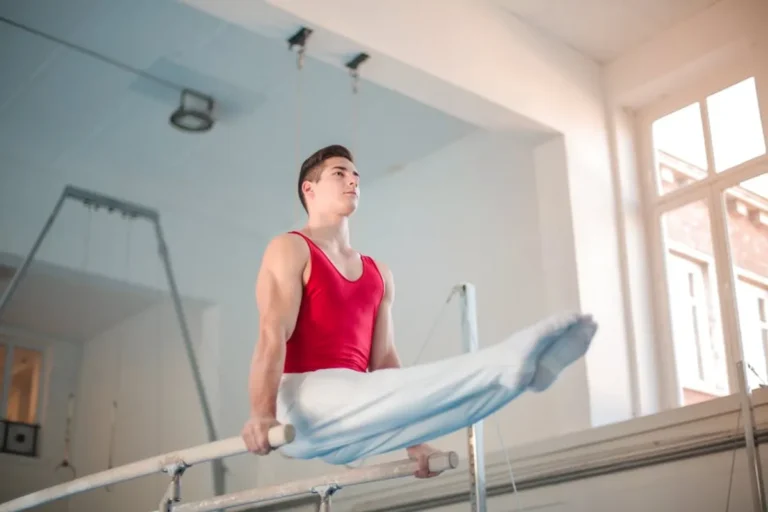
Gymnastics demands significant upper body strength, particularly for bar work, vaulting, and hand-balancing. Consistent training with push-ups, assisted pull-ups, and dips develops the shoulder stability, arm strength, and grip endurance required. These exercises build the foundational capacity to support body weight in inverted and suspended positions, directly impacting the ability to learn and perform skills safely.
Lower Body Power and Control
Powerful legs are essential for jumps, leaps, and tumbling passes. Squats, lunges, and calf raises develop explosive power and muscular endurance. Equally important is the control during landings, which requires eccentric strength and joint stability. Proper lower body conditioning reduces the impact on joints and enables higher, more dynamic movements.
Active Flexibility Training
Active flexibility involves moving a joint through its full range of motion using muscular contraction, rather than external force. This differs from passive stretching by building strength within the extended range. For gymnasts, this means developing the ability to hold a high leg kick or a deep split with muscular control, which is vital for both aesthetic execution and injury prevention during dynamic movements.
Basic Movement Patterns
Once body shapes and foundational conditioning are established, new athletes begin to integrate these elements into dynamic movement patterns. These basic skills serve as building blocks for more complex sequences.
Forward and Backward Rolls
Rolls are fundamental for developing body awareness, spinal articulation, and teaching safe falling techniques. A forward roll, executed with a rounded back and tucked head, teaches impact absorption and controlled rotation. The backward roll reinforces spinal mobility and the ability to transfer weight efficiently. Mastering these rolls builds confidence in inverted positions and prepares the body for tumbling.
Cartwheels
The cartwheel is a foundational inverted skill that introduces hand-foot coordination and lateral movement. It requires a strong hollow body, engaged core, and coordinated limb placement. This skill is critical as a precursor to round-offs, aerials, and other tumbling passes, teaching the athlete to efficiently move through an inverted plane while maintaining control and spatial orientation.
Handstand Progressions
Handstands are central to gymnastics, requiring significant upper body strength, core stability, and balance. Beginners typically start with wall handstands to build strength and body awareness, progressing to hollow body handstands and eventually freestanding attempts. The handstand teaches precise body alignment, shoulder endurance, and the delicate balance required for all inverted skills, from presses to pirouettes.
PRO TIP: Prioritize consistent, correct execution over speed or quantity. Performing a skill incorrectly multiple times reinforces poor motor patterns that are significantly harder to unlearn later. A slower, deliberate approach with proper form builds a stronger, safer foundation.
Structured Progression and Safety Protocols
Effective learning in gymnastics is inherently structured. New athletes benefit most from a systematic approach that prioritizes safety and incremental difficulty. This involves:
- Qualified Coaching: Learning under certified coaches ensures proper technique instruction, appropriate spotting, and adherence to safety guidelines.
- Gradual Skill Acquisition: Each skill builds upon the last. Attempting advanced movements without mastering prerequisites significantly increases injury risk and frustrates progress.
- Proper Warm-ups and Cool-downs: Comprehensive warm-ups prepare the body for activity, while cool-downs aid recovery and flexibility maintenance.
- Appropriate Equipment: Utilizing mats, spotting blocks, and other safety equipment is non-negotiable for mitigating risks during skill development.
Adhering to these protocols not only protects the athlete but also optimizes the learning environment, allowing for focused and productive training sessions.
Integrating Skills for Athletic Development
The true value of beginner skills emerges when they are integrated into more complex movements and routines. A strong hollow body, for instance, is not just a static hold; it's the shape maintained during a giant swing on bars, a handspring on vault, or a tight rotation in a flip. Flexibility from pike and straddle positions allows for deeper, more controlled landings and aesthetically pleasing lines. Every foundational element contributes to the overall fluidity, power, and precision required for advanced gymnastics. This integration fosters comprehensive body awareness and control, which are essential for adapting to new challenges and performing under pressure.
Building Your Gymnastics Foundation
Mastering beginner gymnastics skills is not a shortcut; it is the most direct path to long-term athletic achievement and injury resilience in the sport. Each foundational movement, from a precise hollow body hold to a controlled cartwheel, contributes directly to the complexity and elegance of advanced routines. New athletes who commit to these initial proficiencies build a robust physical and mental framework, ensuring a safer, more rewarding, and ultimately more successful gymnastics career.
Frequently Asked Questions
How long does it take to master beginner gymnastics skills?
The timeline varies significantly based on individual athletic background, consistency of training, and quality of coaching. Generally, dedicated athletes can establish a solid grasp of core beginner skills within 6-12 months of consistent practice.
Can I learn gymnastics skills at home?
While some basic conditioning and flexibility exercises can be practiced at home, learning technical gymnastics skills like rolls, handstands, and cartwheels safely and effectively requires professional coaching and appropriate equipment. Improper technique learned at home can lead to injury and hinder future progress.
What basic equipment is necessary for beginners?
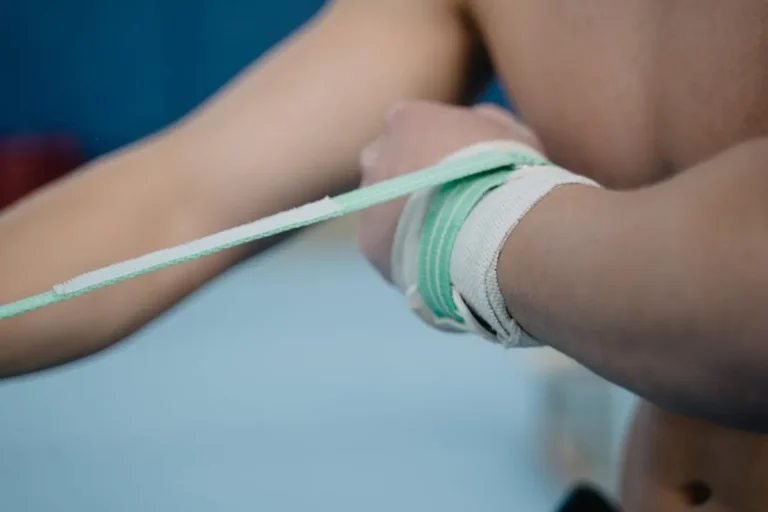
For organized training, a gym will provide necessary equipment such as mats, balance beams, uneven bars, and vaulting tables. At home, minimal equipment like a yoga mat for floor exercises and perhaps a resistance band for conditioning can be useful, but should not replace gym-based training.
How do I know if I'm ready for advanced skills?
Your coach is the best resource for determining readiness. They will assess your mastery of foundational skills, strength, flexibility, and body awareness. Attempting advanced skills before developing a strong base increases injury risk and can impede overall progression.