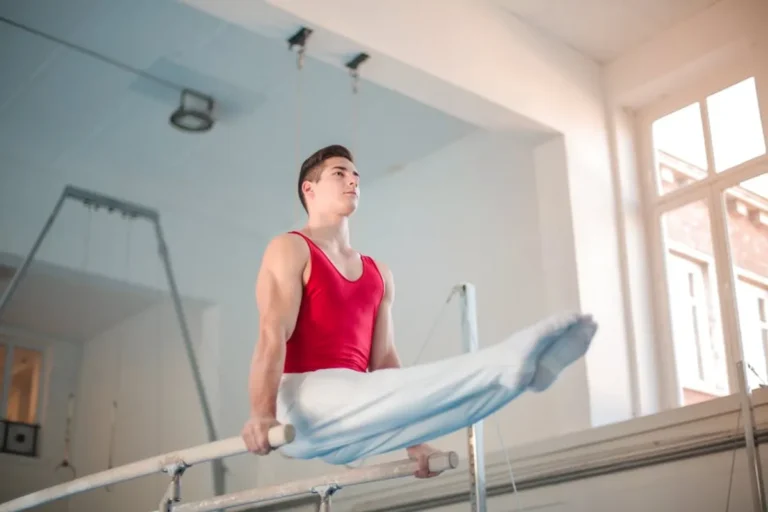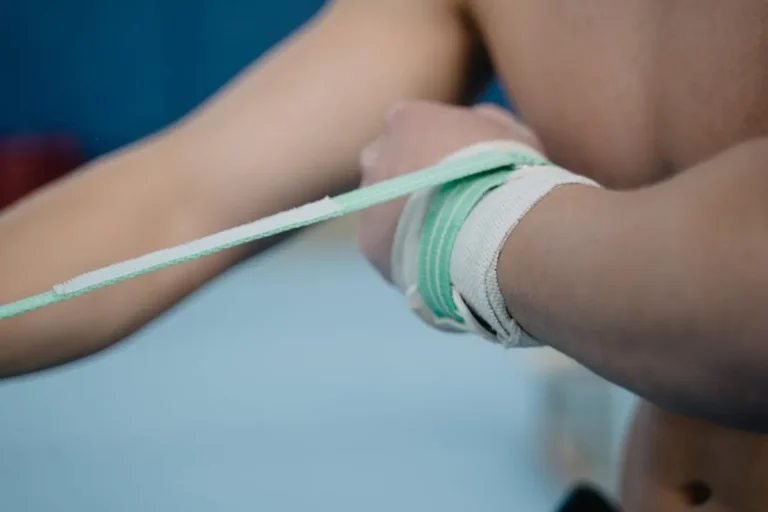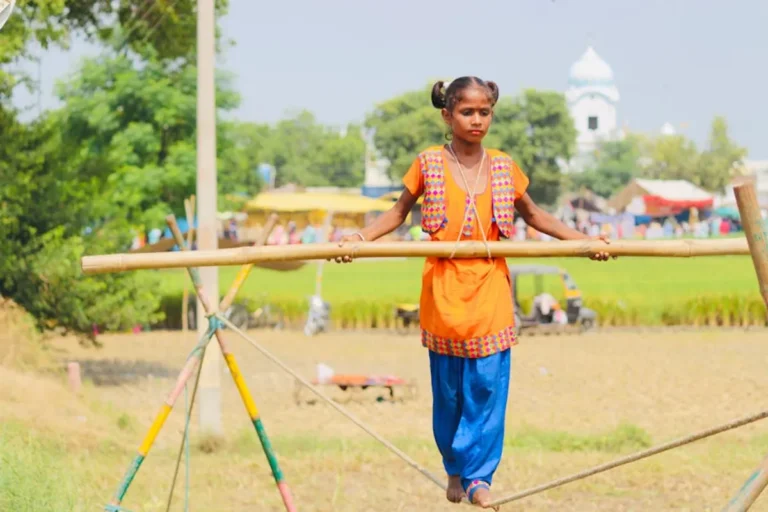

Developing foundational gymnastics skills offers a distinct advantage for any athlete, regardless of their primary sport. These fundamental movements cultivate a comprehensive athletic base, enhancing physical attributes critical for performance and injury prevention across disciplines like martial arts, track and field, team sports, and even dance. The deliberate practice of beginner gymnastics instills superior body awareness, precise control, and robust strength, translating directly into improved agility, power, and resilience.
Foundational Strength and Conditioning
The core of gymnastics training lies in building functional strength that supports complex movements and protects the body. This isn't about isolated muscle groups but integrated strength that allows the body to move as a cohesive unit.
Core Engagement and Stability
A strong, stable core is the linchpin for all athletic movement, facilitating power transfer from the lower to upper body and protecting the spine. Without it, force leaks, and injury risk increases. Consistent core work improves balance, posture, and the ability to absorb and generate force efficiently.
Key Drills:
- Planks: Engage the entire anterior core, hips, and shoulders. Focus on maintaining a straight line from head to heels, avoiding hip sag or elevation.
- Hollow Body Holds: A cornerstone of gymnastics, this drill teaches full-body tension and spinal flexion, crucial for swinging and rotational movements. Lie on your back, lift shoulders and legs slightly off the floor, pressing the lower back into the ground.
- Superman Holds: Counterpart to the hollow body, strengthening the posterior chain. Lie on your stomach, lift arms and legs simultaneously, engaging glutes and back extensors.
Upper Body Strength
Gymnastics demands significant upper body strength for supporting body weight, executing pushing and pulling movements, and maintaining control during inversions. Developing this strength systematically prevents shoulder and elbow issues common in many sports.
Key Drills:
- Push-ups: Develop chest, shoulder, and tricep strength, emphasizing a full range of motion. Progress from knee push-ups to full push-ups, then decline variations.
- Assisted Pull-ups/Chin-ups: Crucial for developing back and bicep strength. Use resistance bands or a spotter to achieve a full range of motion, focusing on controlled ascent and descent.
- Dips: Target triceps, chest, and shoulders. Start with parallel bar dips or bench dips, ensuring shoulders remain stable and don't round forward.
Lower Body Power
While often associated with upper body, gymnastics relies heavily on powerful legs for explosive take-offs, controlled landings, and dynamic movements. Developing lower body strength and elasticity improves jump height, sprint speed, and overall agility.
Key Drills:
- Squats: Master bodyweight squats with proper depth and form before adding resistance. This builds foundational leg and glute strength.
- Lunges: Improve unilateral leg strength, balance, and hip mobility. Perform forward, reverse, and lateral lunges to target different muscle groups.
- Box Jumps (low height): Develop explosive power and practice safe landing mechanics. Focus on soft landings and quick transitions.
Essential Body Control Skills
Beyond raw strength, gymnastics cultivates unparalleled body control, spatial awareness, and coordination. These skills are transferable, allowing athletes to react faster, move more efficiently, and mitigate injury risks during unexpected movements.
Basic Balances
Balance is not just about standing still; it's the ability to control your body's center of gravity in dynamic situations. Improved balance enhances proprioception and reduces falls.
Key Drills:
- Single-Leg Stands: Hold for increasing durations, progressing to closing eyes or performing slight movements with the free leg.
- Relevé: Rising onto the balls of the feet with controlled elevation and descent, strengthening ankles and calves while challenging balance.
- T-Balance/Arabesque: Stand on one leg, extending the other leg straight back and torso forward, forming a "T" shape. Focus on hip stability and core engagement.
Rolls and Falls
Learning how to fall safely is an invaluable skill, reducing the impact of accidental tumbles and building confidence in dynamic environments. These skills teach spatial orientation and shock absorption.
Key Drills:
- Forward Roll: Start from a squat, tuck the head, and roll smoothly over the rounded back. Emphasize a controlled, fluid motion.
- Backward Roll: Begin seated, tuck knees to chest, and push off with hands to roll over the shoulders. Requires coordination and body awareness.
- Breakfalls (basic): Learning to dissipate impact by slapping the mat with a flat hand or forearm upon falling. Crucial for martial arts and contact sports.
Handstands and Inversions
Inverted positions challenge spatial awareness, build significant shoulder stability, and foster a new perspective on body control. They are fundamental for advanced gymnastics but offer immense benefits for any athlete.
Key Drills:
- Wall Handstands: Practice kicking up to a wall or walking feet up the wall. Focus on stacking joints (wrists, elbows, shoulders, hips, ankles) and maintaining a tight core.
- Headstands (with spotter): A less demanding inversion to build comfort and neck strength. Ensure a stable base with hands and head forming a triangle.
Flexibility and Mobility Drills
Optimal range of motion and joint health are paramount for athletic longevity and performance. Gymnastics emphasizes both dynamic and static flexibility to prevent injury and unlock full movement potential.
Dynamic Stretching
Performed as part of a warm-up, dynamic stretches prepare muscles and joints for activity by moving them through their full range of motion. This increases blood flow and neural activation.
Key Drills:
- Leg Swings: Forward and backward swings, side-to-side swings to open hips and prepare hamstrings/quads.
- Arm Circles: Forward and backward circles, gradually increasing size, to mobilize shoulders.
- Torso Twists: Gentle rotations to warm up the spine and obliques.
Static Holds
Static stretching, typically performed after activity, aims to increase flexibility by holding a stretch at its end range for an extended period. This improves resting muscle length and joint mobility.
Key Drills:
- Straddle Stretch: Seated with legs wide, reaching forward or to each side. Targets inner thighs and hamstrings.
- Pike Stretch: Seated with legs together and straight, reaching for toes. Targets hamstrings and calves.
- Bridge (basic): Lying on back, pushing hips up to form an arch. Improves spinal mobility and shoulder flexibility.
Pro Tip: Always prioritize proper form over attempting advanced skills prematurely. Seek guidance from qualified coaches to learn correct technique and ensure a safe progression. Rushing through fundamentals often leads to inefficient movement patterns and increased injury risk, ultimately slowing long-term development.
Integrating Skills for Athletic Advancement
The systematic development of beginner gymnastics skills provides a comprehensive blueprint for athletic development. It moves beyond isolated training to foster a holistic understanding of body mechanics and control. By integrating these foundational elements into a regular training regimen, athletes cultivate a robust physical literacy that enhances performance in their chosen sport and minimizes vulnerabilities.
A structured approach involves:
- Consistent Practice: Dedicate specific time blocks each week to gymnastics conditioning and skill work.
- Progressive Overload: Gradually increase the difficulty, duration, or repetitions of drills as strength and control improve.
- Mindful Execution: Focus on the quality of movement, body awareness, and breathing throughout each exercise.
- Recovery: Incorporate adequate rest, nutrition, and mobility work to support adaptation and prevent burnout.
Frequently Asked Questions
Why are gymnastics skills important for athletes who aren't gymnasts?
Gymnastics builds universal athletic qualities like strength, flexibility, balance, coordination, and body control. These attributes are foundational for excelling in virtually any sport, reducing injury risk, and enhancing overall physical capability.
How often should beginner gymnastics skills be practiced?
For optimal progress, aim for 2-4 sessions per week, allowing for rest and recovery between sessions. Consistency is more critical than intensity, especially when mastering new movements.
What is the best way to start learning these skills?
Begin with bodyweight exercises focusing on core strength, basic balances, and flexibility. Consider joining a beginner's gymnastics or movement class, or finding a coach specializing in foundational athletic development, to ensure proper technique and safe progression.
Is it ever too late to start learning beginner gymnastics skills?
No, age is not a barrier to improving strength, flexibility, and body control. While progress might vary, consistent effort and a focus on fundamental movements can yield significant benefits for athletes of all ages and experience levels.