Gymnastics gear can get expensive fast. The marketing pushes new things constantly. After years in and around the sport, here are 6 categories actually worth buying, with honest takes.
1. Quality leotards (the right number)
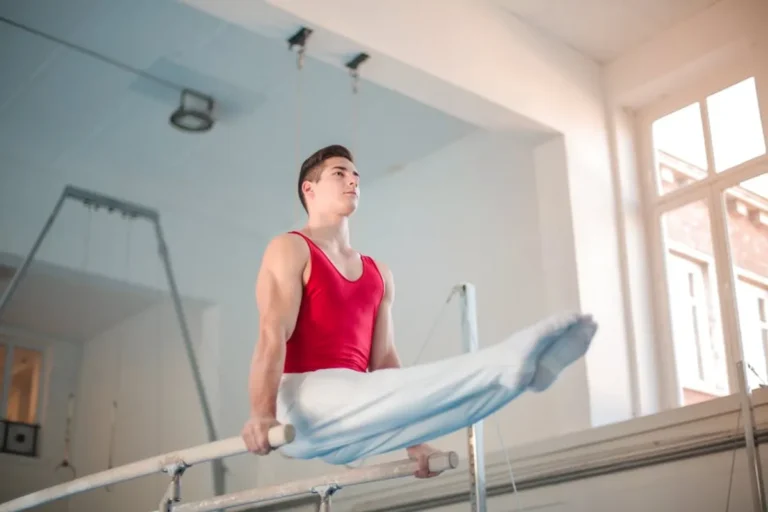
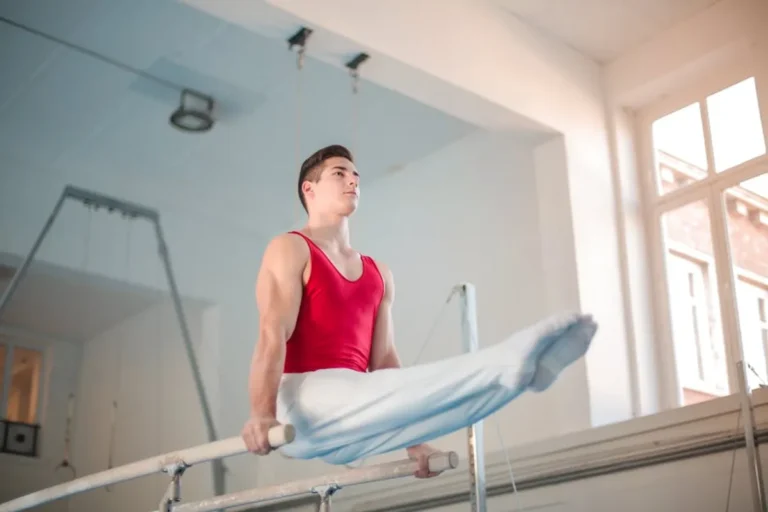
Leotards are the basic gymnastics outfit. Quality varies enormously. Cheap leotards fall apart, dye-bleed, and fit awkwardly.
What to look for: Established brands (GK Elite, Snowflake, Drèam Light, Sylvia P) with good fit for your gymnast's body type. Comfortable seam construction. Quality fabric that holds shape.
How many: 4-6 leotards rotation for serious gymnasts. 2-3 for recreational. Plus competition leos as required by gym.
What to skip: Cheap Amazon leotards (poor fit, poor durability). Excessive collection of decorative leos that do not get worn.
Cost: $40-80 per quality leo. $80-150 for nicer designs. Worth the investment over cheap alternatives.
2. Grips (when ready, not before)
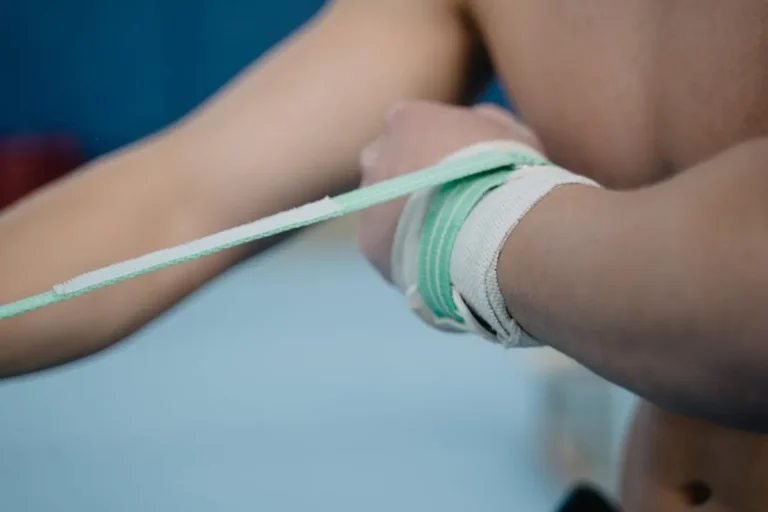
Grips protect hands during bar work and improve grip strength. Most rec gymnasts do not need them. Most competitive gymnasts do.
When to get them: Once your gymnast is doing kips and bar swings consistently. Usually around Level 4 or so. Coach will tell you when.
What to look for: Sized correctly for your gymnast's hand. Quality leather that breaks in well. Good Velcro that holds securely.
What to skip: Adult-size grips on small kids. Cheap synthetic grips. Multiple pairs in different colors (not necessary).
Cost: $40-80 for quality grips. Replace every 6-12 months as they wear out.
3. A proper gym bag
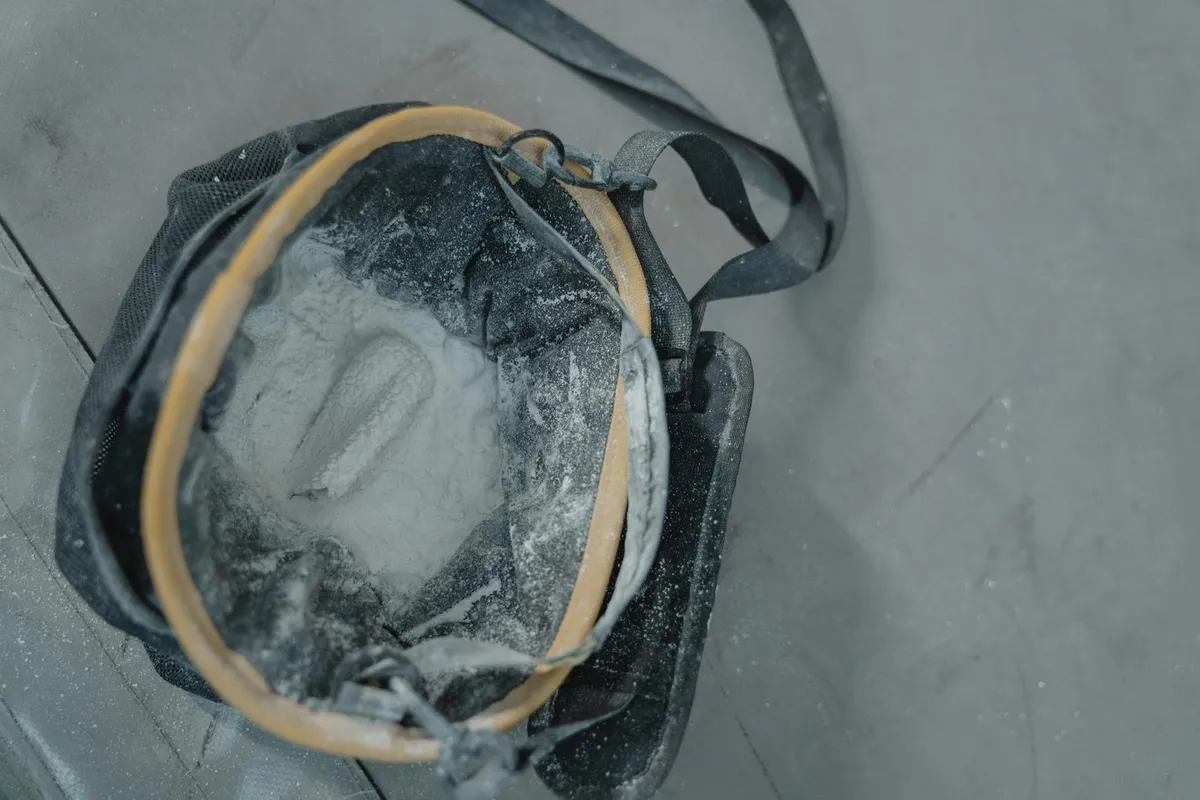
The bag your gymnast carries to and from the gym matters more than expected. It needs to hold leos, grips, water, snacks, sometimes shoes, and other gear.
What to look for: Mid-size duffel or backpack with multiple compartments. Durable construction. Sized appropriate to the gymnast (not adult-size for small kids).
What to skip: Tiny bags that do not fit gear. Excessive "gymnastics-specific" branded bags at premium prices. Bags that fall apart after 6 months.
Cost: $30-60 for quality. Will last several years.
4. Practice shorts/spandex
For long practices, gymnasts often wear shorts or spandex over leos for comfort and warmth.
What to look for: Stretchy, comfortable, holds shape through many washes. Plain colors usually preferred.
What to skip: Excessive collection. 2-3 pairs is enough for most gymnasts.
Cost: $15-30 per pair.
5. Quality water bottle
Sounds boring. Matters more than expected. Gymnasts need consistent hydration through long practices.
What to look for: Insulated to keep water cold. Easy to drink from while sweating. Durable enough to survive being dropped repeatedly.
What I recommend: Hydro Flask or Yeti style bottles. About $35. Lasts years.
What to skip: Cheap plastic bottles that crack. Bottles too large to fit in gym bag.
6. Foam roller and stretching tools
Recovery and flexibility tools that gymnasts use at home.
What to look for: Standard foam roller (about $25). Resistance bands for flexibility work. Lacrosse ball for trigger point work.
What to skip: Premium recovery devices marketed at gymnasts. The basic foam roller does most of what is needed.
Cost: $40-60 total for basic recovery kit.
What I am NOT recommending
Equipment that gets marketed to gymnastics families that is mostly not necessary:
- Home beam. Encourages dangerous home practice. Skip.
- Home bar. Same concern. Skip.
- Specialized gymnastics shoes. Most gymnasts go barefoot or wear basic dance shoes. Specialized shoes are unnecessary.
- Compression gear marketed at gymnasts. Standard athletic compression at lower prices works as well.
- Excessive grip varieties. One good pair plus backups is enough. Multiple specialty grips are not needed.
- "Gymnastics-specific" branded merchandise at premium prices. The "for gymnasts" markup is real and rarely justified.
- Recovery boots and percussion massagers. Marketed at all athletes. Worth considering at higher levels but not essential for most gymnasts.
The annual gear budget
Realistic annual gear costs:
Recreational gymnast:
- 2-3 leotards: $80-150
- Gym bag: $30-50 (every few years)
- Water bottle and basic gear: $40
- Total: $150-240/year
Competitive gymnast (compulsory levels):
- 4-6 practice leotards: $200-400
- Competition leos (if not provided): $100-300
- Grips: $60-80 (every 6-12 months)
- Practice shorts and warmups: $60-100
- Gear and recovery: $80-120
- Total: $500-1,000/year
Competitive gymnast (optional levels):
- 5-7 practice leotards: $300-500
- Competition leos: $200-500
- Multiple grips (varying types): $150-200
- Warmups and travel gear: $200-300
- Recovery gear: $100-200
- Total: $1,000-1,700/year
This is on top of tuition, meet fees, and travel costs.
What gymnasts actually need vs what they want
Honest distinction:
Need: Quality leos, grips when appropriate, practice shorts, water bottle, gym bag.
Want: Multiple leos in trendy designs, specialty grips, branded warmups, premium recovery gear.
The "want" items are often expensive. They are also often peer-pressure driven (what other gymnasts have). The athletic outcomes do not require them.
The takeaway
Gymnastics gear has both essential and marketing-driven categories. The 6 categories above are essential. Most other gear is optional and often unnecessary.
Start with the basics. Add specialty gear only when there is a specific reason. The athletic outcomes depend on coaching and training, not on having every available accessory.
Save the budget for things that actually matter — quality coaching, sufficient training time, competition entries. Spend less on gear marketing.