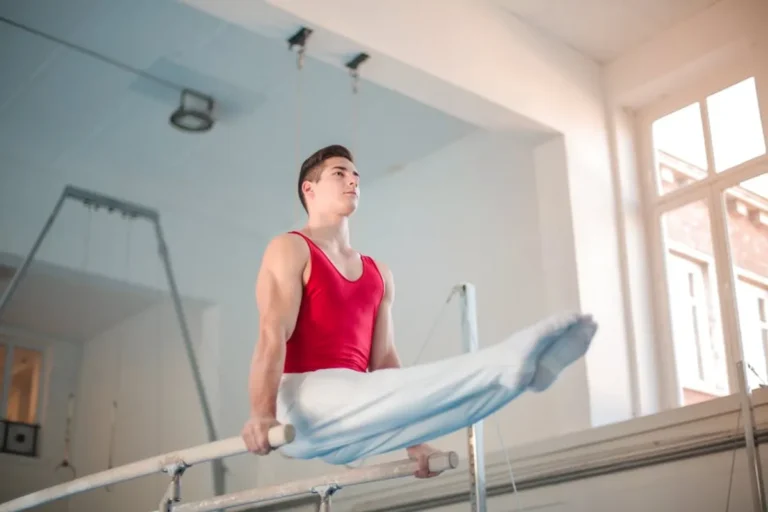
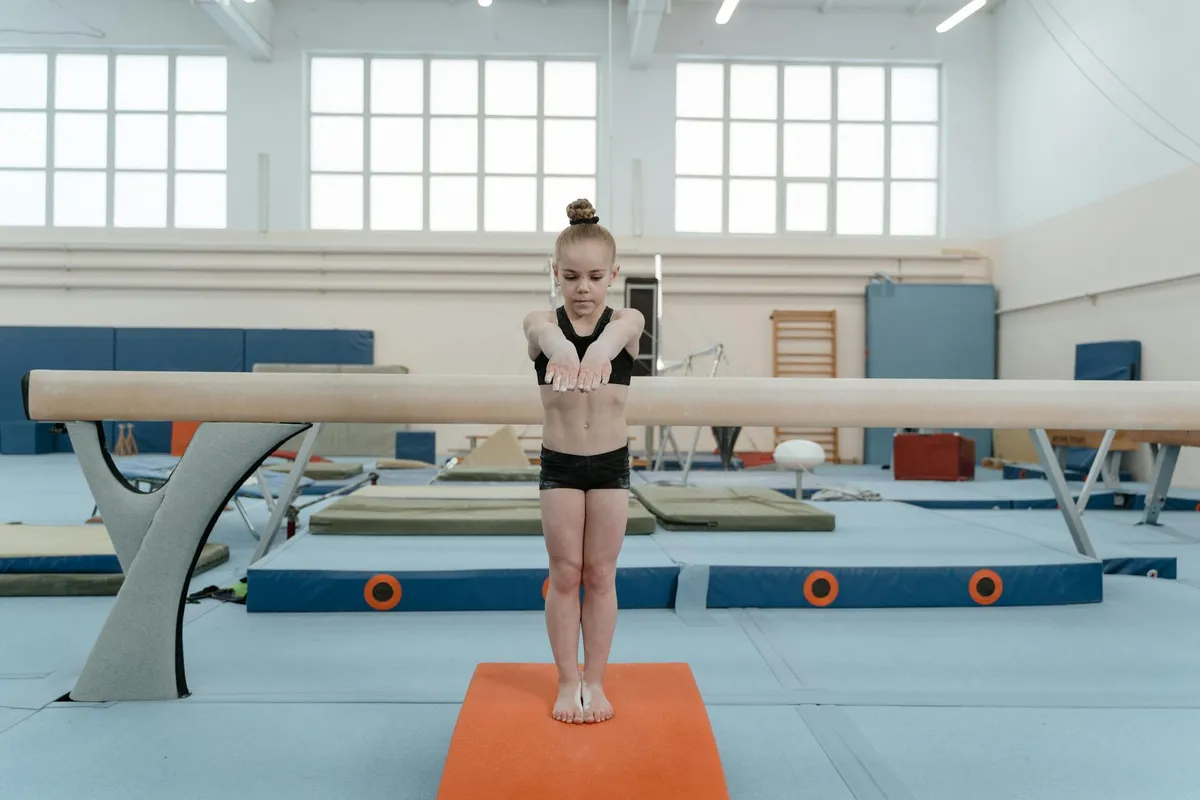
Gymnastics families spend substantial money on programs beyond their regular gym training. Summer camps. Specialty programs. National team camps. Most coverage is either marketing or random parent posts in Facebook groups. Here are honest takes on 5 common program types.
1. Karolyi-style intensive training camps
What they are: Multi-day intensive training camps for serious gymnasts, often featuring famous coaches and elite training environments.
What works: Elite-level coaching exposure. Training intensity that gymnasts cannot get at home. Networking with other serious gymnasts.
What does not: Cost is substantial ($800-2,500+ per camp). Risk of overtraining injuries. Mental health impact of extreme intensity environments. Some camps have had documented abuse problems historically.
Honest take: Worth considering for elite-track gymnasts where the coaching exposure justifies the cost and risks. Not appropriate for most competitive gymnasts. Definitely not for recreational gymnasts.
Vetting: Look at coaching staff backgrounds. Talk to families who have attended. Avoid camps with concerning historical practices.
2. College gymnast skill camps
What they are: Camps run by college gymnastics programs, typically featuring current college coaches and gymnasts as instructors.
What works: Quality instruction at reasonable cost. Exposure to college program style. Recruitment opportunities for serious high school gymnasts.
What does not: Variable quality across programs. Sometimes used as recruitment funnels rather than genuine camps. Some camps over-promise individual attention.
Honest take: Generally good value for serious competitive gymnasts. Especially valuable for high school gymnasts considering college recruitment. Less valuable for younger gymnasts.
Vetting: Choose camps at programs that match your gymnast's actual potential level. A camp at a top NCAA program may not benefit a Level 7 gymnast.
3. Local gym summer programs
What they are: Summer programs at your home gym (or other local gyms) offering increased training during school breaks.
What works: Concentrated training time. Skill development that is hard to fit during school year. Often includes camp activities beyond just gymnastics.
What does not: Risk of overuse injuries from sudden training increases. Burnout potential. Cost adds to already expensive year-round budget.
Honest take: Generally worthwhile for serious gymnasts. The increased training time produces real skill gains. Watch for overtraining signs.
Vetting: Make sure your gymnast is excited about it, not just doing it because everyone else is. Ensure rest days are built in.
4. National team training camps
What they are: Camps run by USA Gymnastics for elite-track gymnasts, often by invitation only.
What works: Highest-level coaching available. Elite-level training environment. Real pathway to international competition for top gymnasts.
What does not: Extremely high pressure environment. Limited to the very top tier of gymnasts. Has historical mental health and safety concerns.
Honest take: If your gymnast is invited and is on a genuine elite track, generally worth attending. The opportunity is rare and hard to replicate elsewhere. The intensity demands serious mental health support.
Vetting: Have honest conversations with your gymnast about whether the elite path is what she actually wants. Many invited gymnasts decline once they understand what the path entails.
5. Adult / parent-friendly recreational programs
What they are: Adult gymnastics classes, parent-and-me programs for young children, recreational drop-in programs.
What works: Fun introduction to the sport for adults and young children. Lower-pressure environment. Affordable compared to competitive programs.
What does not: Limited skill development for serious aspirations. Variable quality of instruction. Sometimes treated as secondary to competitive programs by gym staff.
Honest take: Great for what they are — a way to engage with gymnastics recreationally. Not a path to competitive gymnastics for older starters.
Vetting: Evaluate based on whether the experience matches your goals. Recreation is fine; do not expect serious skill development.
What I am NOT covering
Some program types I have less direct experience with:
- Trampoline & tumbling specialty programs
- Acrobatic gymnastics specific programs
- Rhythmic gymnastics programs
- Ninja warrior style programs that have grown recently
Red flags across program types
Things that should make you skeptical of any gymnastics program:
Pressure to register quickly with limited information. Reputable programs give you time to make decisions.
Vague answers about coaching credentials. Quality programs are transparent about who is coaching.
No mention of safety policies and injury rates. Programs with strong safety culture talk about it openly.
Excessive focus on impressive skills versus basic development. Programs that only highlight elite skills may push gymnasts unsafely.
No clear refund or makeup policy. Quality programs have clear policies for the inevitable conflicts and illnesses.
Coach turnover that exceeds normal patterns. Frequent staff changes suggest deeper organizational issues.
Cost expectations
Realistic cost ranges for the categories above:
- Local gym summer program: $300-1,200 depending on duration
- College camps: $500-1,200 for a week-long camp
- Specialty intensive camps: $800-2,500 for multi-day camps
- National team camps: subsidized for invited gymnasts; minimal cost
- Recreational programs: $100-400 for typical session
These add to substantial year-round gymnastics costs. Plan accordingly.
The decision framework
For evaluating whether a specific program is worth attending:
- Does the program match your gymnast's actual level?
- Is your gymnast genuinely excited about attending?
- Does the cost fit your overall gymnastics budget?
- Are the safety and quality indicators acceptable?
- Is there a clear benefit beyond regular training?
If most answers are yes, the program is probably worth attending. If most are no, skip it. The "everyone is doing it" pressure is real but not reliable.
The takeaway
Gymnastics programs vary enormously in value, cost, and risk. The 5 categories above each have legitimate use cases and significant limitations.
The investment decisions should match your gymnast's actual situation, not what other families are doing or what marketing suggests. The right program for one gymnast is the wrong program for another.
Choose deliberately. The programs that produce real benefit are worth the cost. The programs that do not are expensive distractions from regular training.