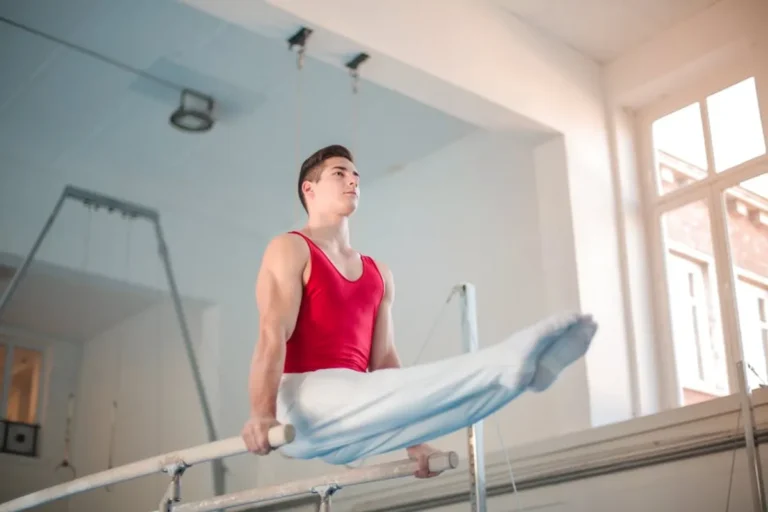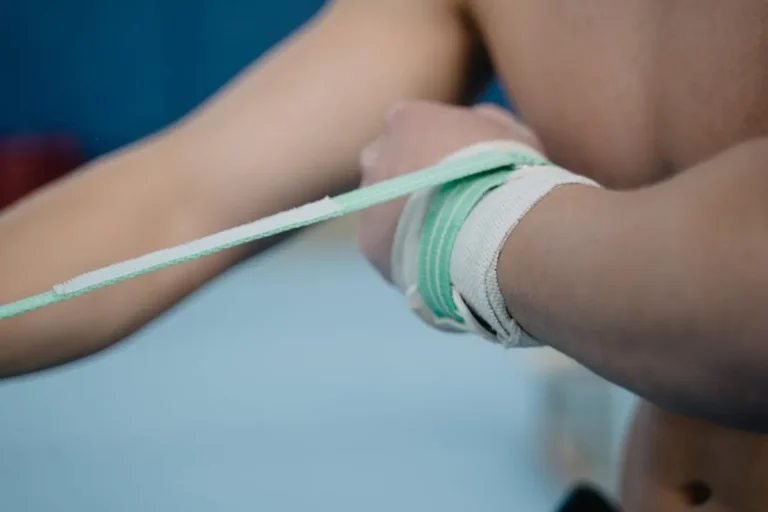
Coaches usually say "don't practice gymnastics at home." This is mostly correct — the dangerous skills should stay in the gym. But there are some skills and conditioning that gymnasts should be doing at home to actually develop.
Here are 5 worth working on at home, plus the ones to absolutely avoid.
1. Handstands (against a wall)
What it is: Holding a handstand position with feet against a wall for support.
Why home practice helps: Handstand strength and shape are foundational to almost every skill in gymnastics. The more time spent in handstand, the better the basic position becomes.
What to do: Daily handstand holds against a wall. Build up to 60 seconds in proper position (tight body, hollow shape, ears between arms).
What to avoid: Free-standing handstands in dangerous spaces. Away from walls without spotting only when truly comfortable.
Coach approval: Almost universally yes. Most coaches actively encourage this.
2. Splits and flexibility
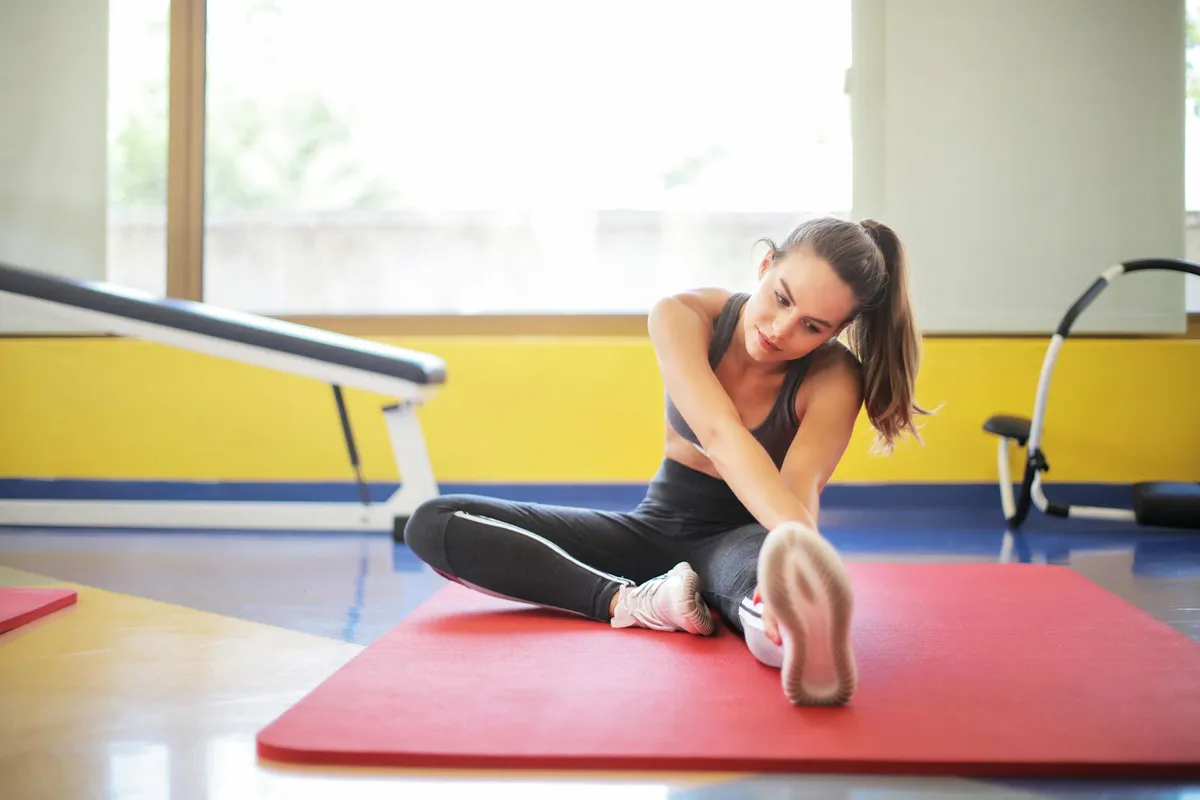
What it is: Daily flexibility work in front splits, side splits, and other key positions.
Why home practice helps: Flexibility requires daily attention. Gym time alone is rarely enough. Daily home stretching produces flexibility gains that gym-only practice cannot match.
What to do: 15-20 minutes daily of stretching. Focus on splits, pike, bridge, and shoulder flexibility. Hold each stretch for 30-60 seconds.
What to avoid: Aggressive stretching that causes pain. Bouncing in stretches (causes injury). Forcing flexibility past natural range.
Coach approval: Yes. Most coaches assign home flexibility work specifically because gym time is not enough.
3. Conditioning (pull-ups, push-ups, leg lifts, etc.)
What it is: Strength work that does not require gym equipment.
Why home practice helps: Strength is foundational and improves with frequency. Daily conditioning at home produces gains that 2-3 gym workouts per week cannot match.
What to do: A daily conditioning routine: 20 push-ups, 20 leg lifts, 10 pull-ups (or rows from low bar), 20 hollow holds, 20 arch holds. Adjust to your gymnast's level.
What to avoid: Excessive conditioning that produces overuse injury. Skipping form for repetitions. Comparing to other gymnasts' numbers.
Coach approval: Yes. Most coaches actively want gymnasts doing conditioning at home.
4. Hollow holds, arch holds, and core work
What it is: Specific gymnastics body shapes held statically for time.
Why home practice helps: Body tension and proper shapes are fundamental to gymnastics. Holding these positions builds the muscle memory and strength needed for skills.
What to do: Daily hollow body holds (60+ seconds), arch holds (60+ seconds), candle holds, and similar position-based work.
What to avoid: Sloppy form. Holding positions incorrectly and reinforcing bad habits.
Coach approval: Universal yes. This is foundational work that benefits from home practice.
5. Mental practice and visualization
What it is: Mentally rehearsing routines and skills, watching gymnastics videos, studying competition.
Why home practice helps: Mental rehearsal improves physical performance. Visualization is a real and well-documented athletic training technique.
What to do: 5-10 minutes daily of visualizing routines being performed correctly. Watch videos of high-level gymnasts. Study competition footage.
What to avoid: Visualization of skills going wrong (reinforces fear). Comparing to gymnasts at very different levels.
Coach approval: Yes. This is increasingly recognized as important for serious gymnasts.
The 5 things to NEVER practice at home
Skills that should stay in the gym, with appropriate equipment and spotting:
1. Back handsprings, back tucks, or any backward skills
Backward skills require proper landing surfaces and often spotting. Doing these on lawns, in basements, or on inadequate mats produces serious injuries. Even gymnasts who can do these skills at gym should not do them at home.
2. Skills on home-made beam (2x4, etc.)
Even rec gymnasts. The 2x4 beam idea sounds reasonable until someone falls awkwardly. Real beam practice requires real beam in a properly equipped facility.
3. Vault skills
Vault skills require specific equipment (springboard, vault, mats). Trying to replicate vault at home produces injuries.
4. New skills the gymnast has not done at gym
Gymnasts sometimes try to "surprise" the coach by learning a new skill at home. This is one of the leading causes of serious gymnastics injury. New skills require coach instruction and proper progression.
5. Bar skills (kips, casts, releases)
Even gymnasts with home bars should not do skill work without spotting and proper equipment. Doorway bars or basement bars are not adequate equipment for actual skill development.
The home gym question
Many serious gymnastics families consider buying home equipment. The realistic options:
Worth buying:
- Mat (panel mat, octagon, or similar) for conditioning and basic position work
- Pull-up bar for conditioning
- Pommel horse mushroom for circle training (advanced gymnasts)
- Tumble track (if budget and space allow) — actually safe for backward skill development at home
Generally not worth buying:
- Beam for the home (kids will use it for skills they should not be doing alone)
- Bar for the home (similar concern)
- Vault equipment (impractical and risky)
Worth considering: Open gym time at the actual gym during off hours. Often a good alternative to home equipment investment.
How to structure home practice
For gymnasts wanting to practice at home productively:
- Keep sessions short (15-30 minutes for younger kids, 30-45 for older)
- Focus on the 5 categories above
- Avoid practicing tired or after long gym days
- Get coach input on specific home practice plan
- Make it consistent rather than occasional intensive sessions
The honest perspective on home practice
Home practice CAN substantially accelerate gymnastics development if done correctly. It can also produce injuries that end careers if done incorrectly.
The 5 worth-doing categories are safe and beneficial. The 5 to-avoid categories are dangerous regardless of skill level.
The discipline is being deliberate about which is which. Most gymnastics injuries from home practice come from skills that should not have been practiced at home. Almost no injuries come from the safe categories.
The takeaway
"Don't practice at home" is too broad. The right rule is "practice the safe stuff at home, leave the dangerous stuff for gym."
If your gymnast wants to do more, encourage flexibility, conditioning, handstands, hollow holds, and visualization. Discourage skill work on inadequate equipment.
The gymnasts who do safe home practice consistently develop faster than gymnasts who only train at gym. The discipline of doing this right pays back.